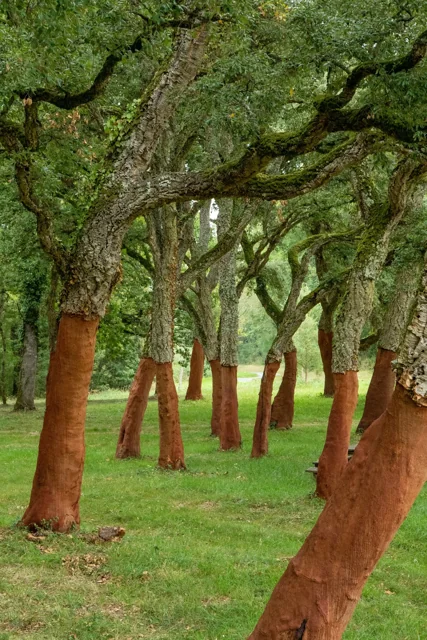
Cork begins on a tree
A cork oak’s bark is one of the first clues.
34 stories
A cork oak’s bark is one of the first clues.
Birch catches the eye before you even look at its leaves.
The ginkgo’s leaves have a distinctive shape to look for.
Returning to the same place is another way to read the seasons.
A tree’s landscape begins with soil and climate.
Altitude also changes the conditions a tree faces.
Between the trees and fields, another landscape awaits.
A tree does not live alone, even underground.
A tree familiar from cooking also has flowers.
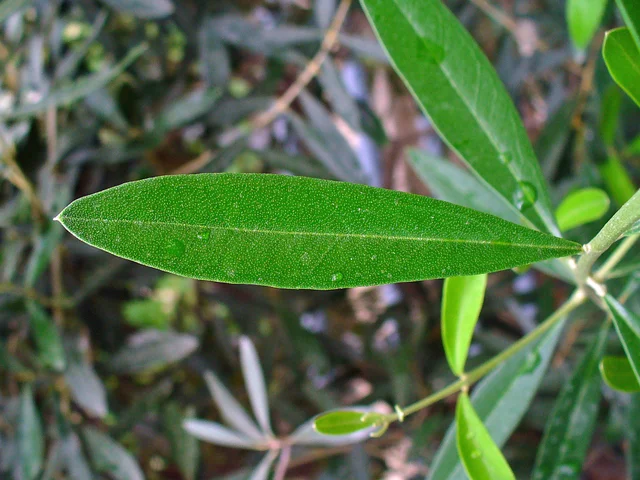
The olive tree’s silvery side also tells a story.
From the hillsides to cultivated river plains.
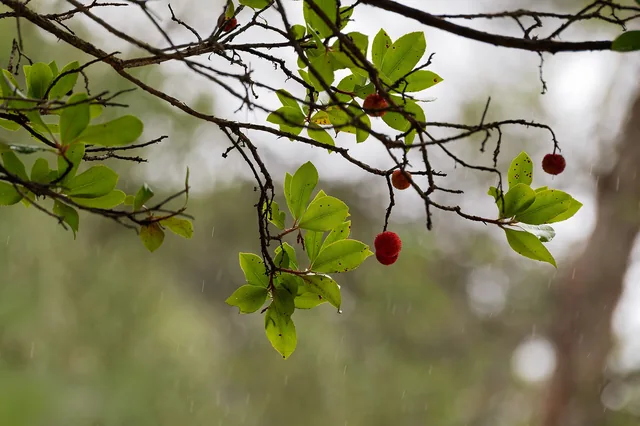
The strawberry tree’s seasons overlap.
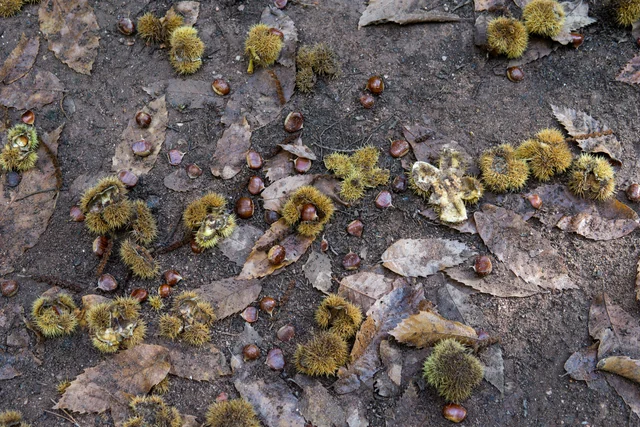
The chestnut is the fruit; the burr encloses the cluster.
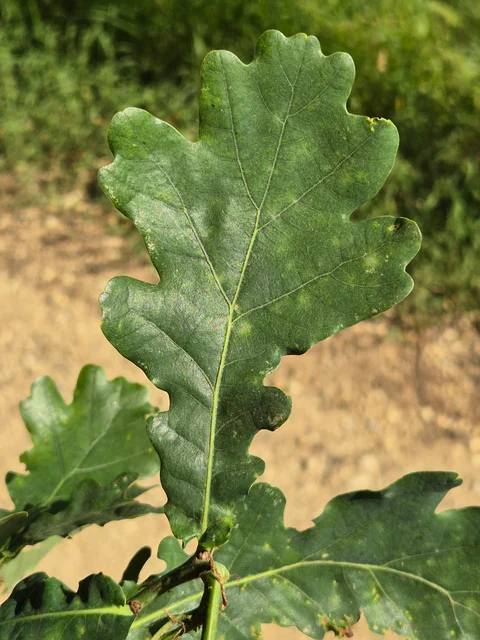
Look at the leaf’s outline and stalk on a pedunculate oak.

Even on a single holly tree, leaves can differ.
A small detail to spot on maritime pine.
Alder has a close relationship with rivers.

For ash, shape helps fruit travel.

Hawthorn changes its appearance through the reproductive cycle.
A park can offer more than a place for a walk.
The woody scales hide a detail worth noticing.
Codornos, Pipo de Basto and Verdeal: names to remember.
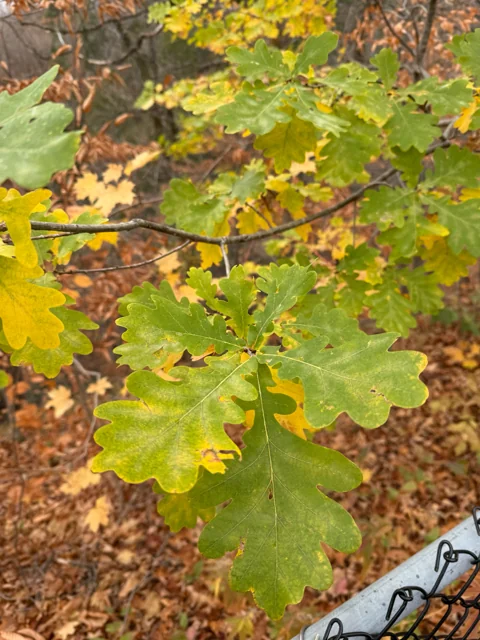
Names that belong to the memory of the mountains.
Ivy brings flowers to autumn too.
A curiosity of this selection, at random.