Peio, Ouro and the Cavez stream
Water also shapes work in the fields.
232 stories
Water also shapes work in the fields.
Nearby water was not always accessible water.
Crossing the river was part of everyday life.
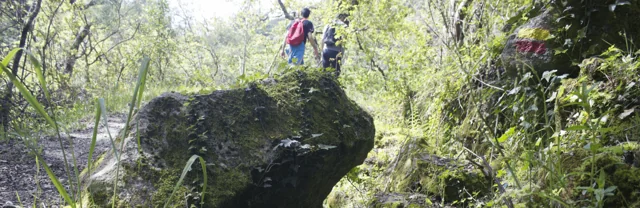
A stream helps explain an entire landscape.
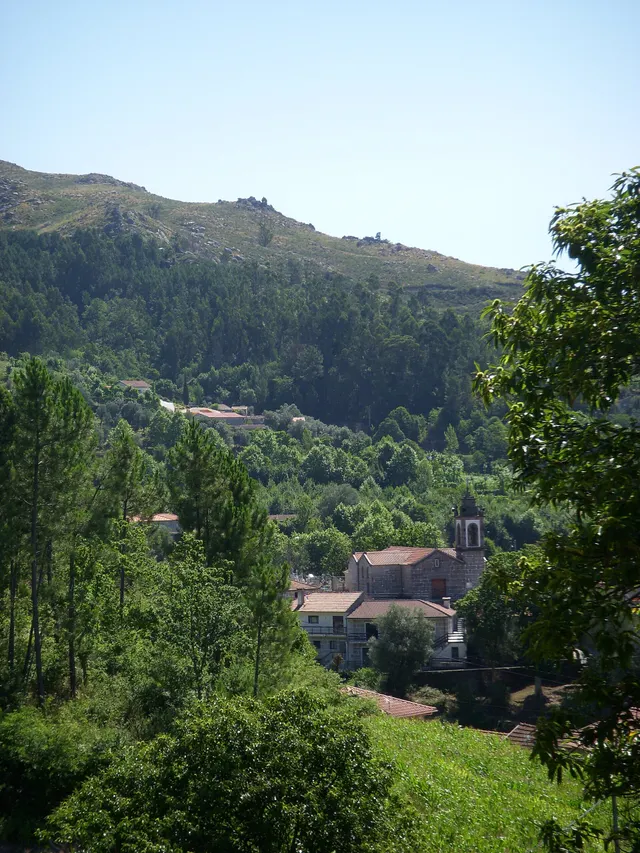
Two names help you read the municipality’s south-west.
Small springs helped irrigate the fields.
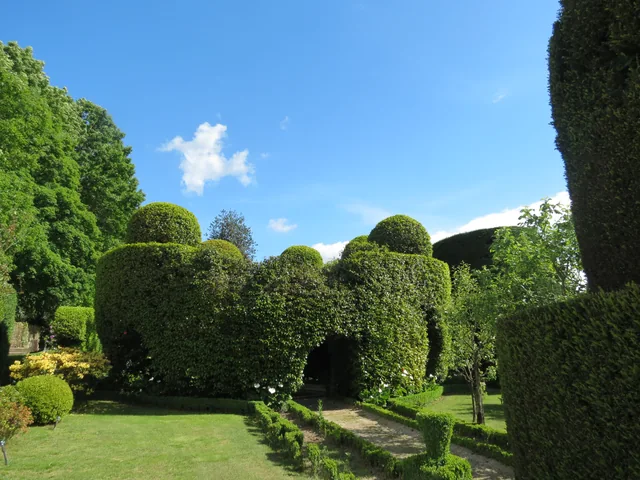
Among the clipped shrubs, there are other paths to follow.
Before paths and houses, there was a landscape of rock.
Near the Tâmega, the ground holds another story.
Wolframite and cassiterite are part of Cabeceiras’s geological picture.
A Rio Douro project reveals different roles within one landscape.
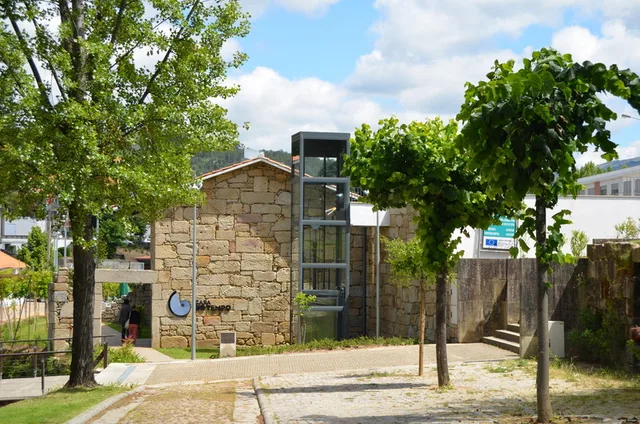
Renewing the town centre also involved water.
Not every settlement grows around a single centre.
Granite contains minerals you can distinguish by eye.
The same place tells different stories throughout the year.
A mill is organised vertically too.
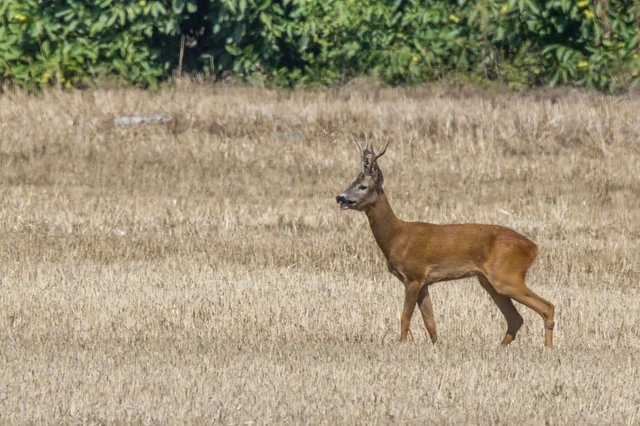
One coat for summer, another for winter.
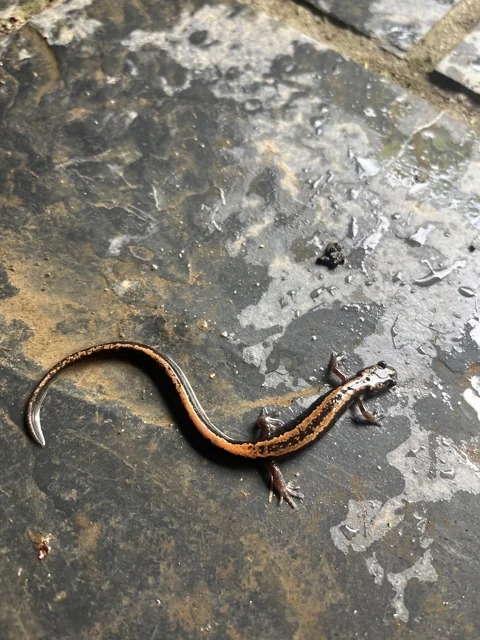
The gold-striped salamander’s life is closely tied to moisture.
The stream is also where the transformation begins.
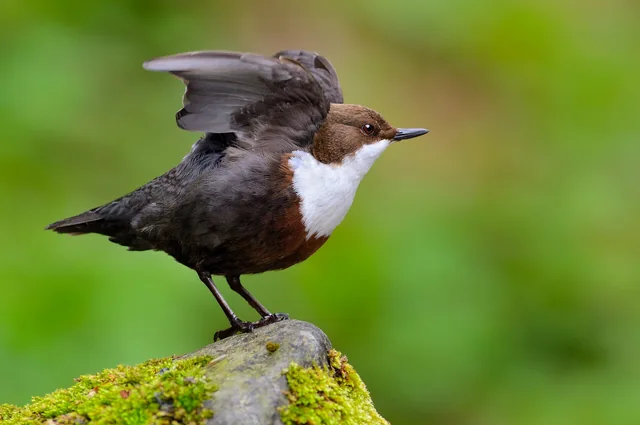
The white-throated dipper brings birdwatching into the current.

Not every bird is discovered by looking up at the sky.

For beetle larvae, decaying wood can be both home and food.
An ocellated lizard needs more than open ground.
Compare an adult frog with an adult salamander.
A curiosity of this selection, at random.