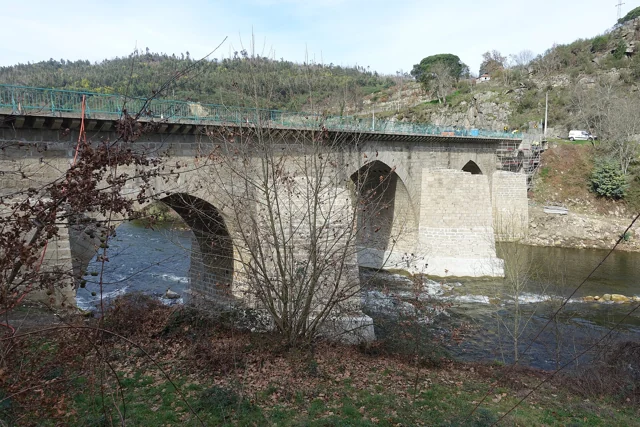
Cavez: charcoal in the hills, brandy in the valley
The parish’s past can also be told through what it produced.
232 stories
The parish’s past can also be told through what it produced.
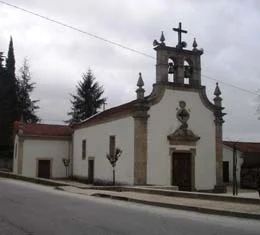
Ancient remains, a medieval image and houses beside the road.
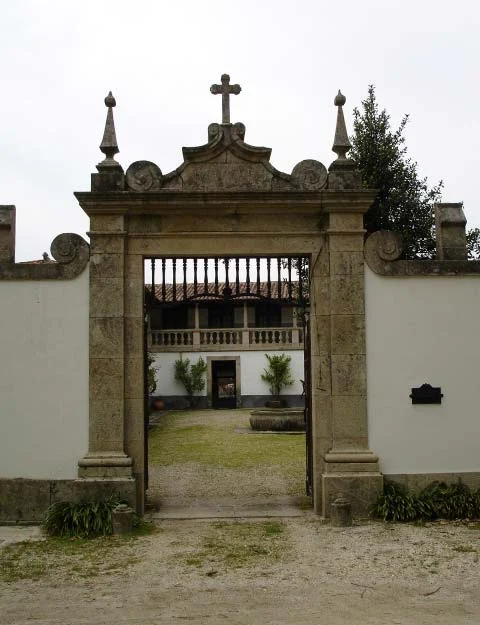
Pielas and Baltazar Castro open two windows onto the parish.
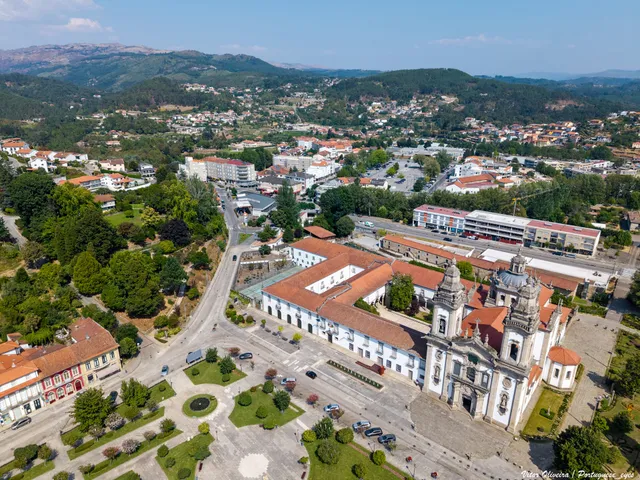
A sacristy, a fair and an abbot reveal the monastery from within.
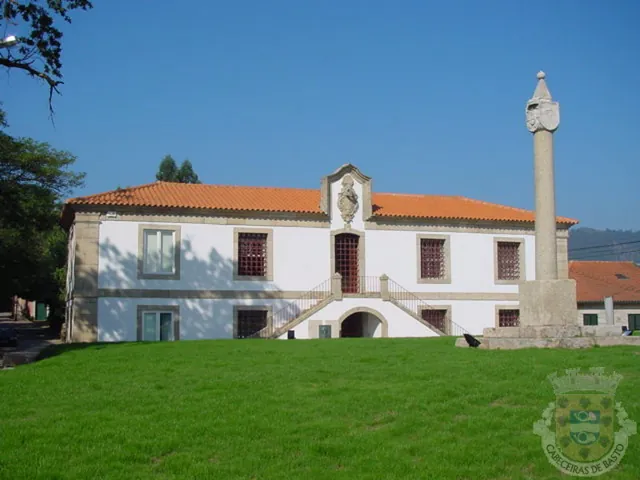
Since 1820, music has helped tell the story of Cabeceiras.
In 1971, Casa do Barão opened a new chapter in education.
Campo do Seco and new streets tell another century of Cabeceiras.
Firefighters have been part of Cabeceiras since 1949.
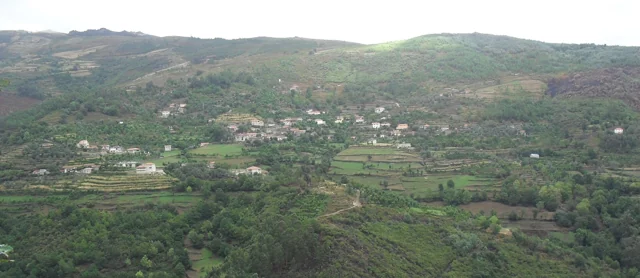
Two associations from the 1980s added other encounters to parish life.
Arosa, Cavez and Moimenta enter another chapter of parish history.
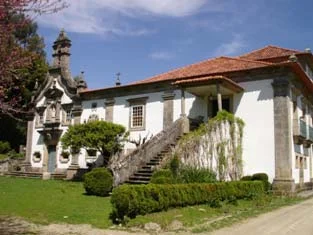
Its farming past cannot be reduced to maize alone.
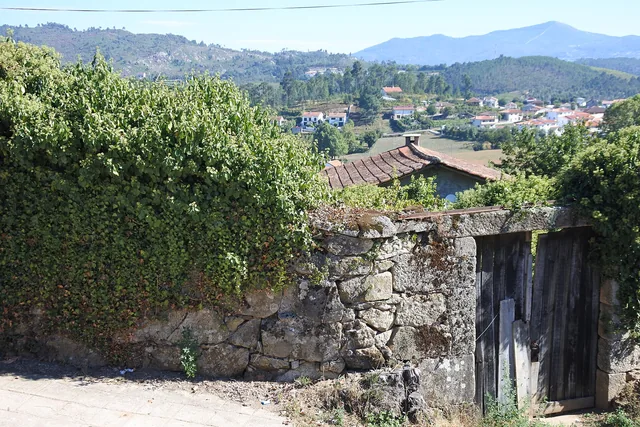
Inns, a royal road and a linen fair.
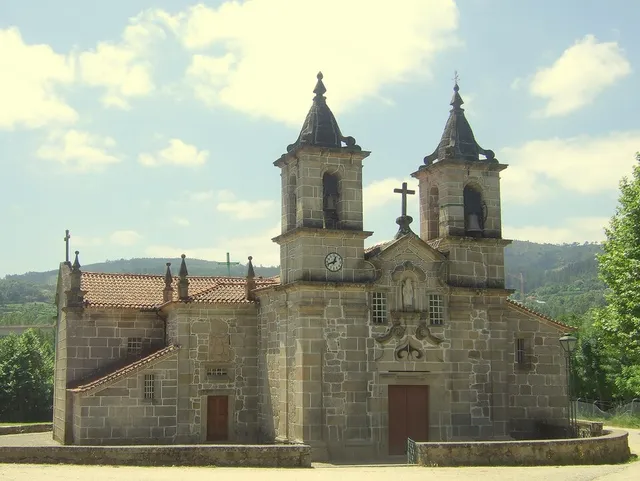
A church could also set the rhythm of community gatherings.
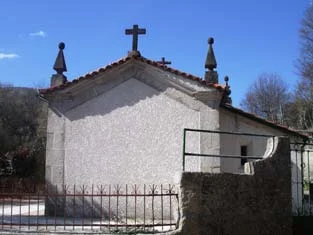
Saint Martin and Saint Lawrence help distinguish two communities.
Basket making and wooden footwear belong to its local portrait.
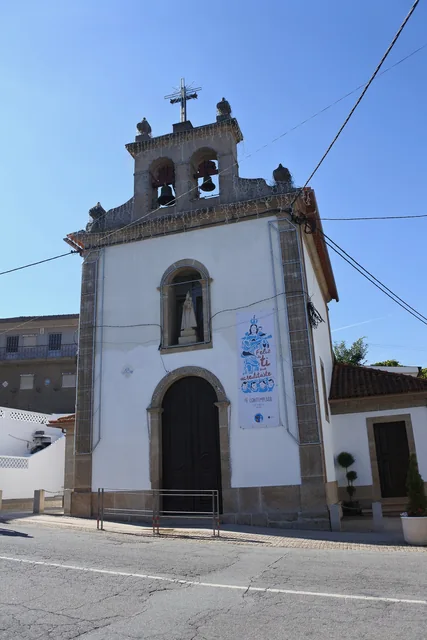
History lives in people, gestures and preparations.
The porch at Santo Ovídio offers another way to look at a chapel.
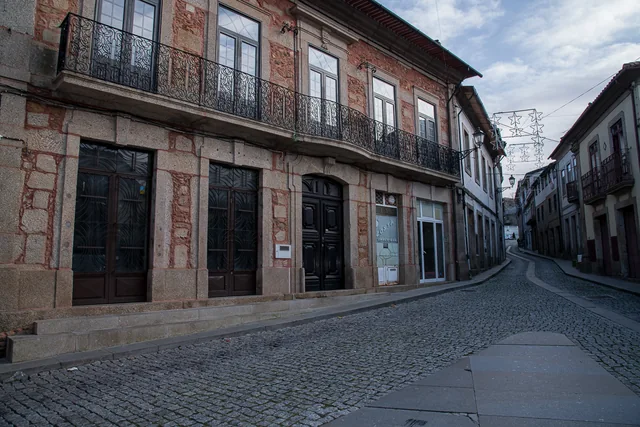
Adjoining houses preserve another chapter in the history of trade.
Arosa chapel brings heritage closer to our own time.
In Ervideiro, the twentieth century left a granite chapel.
In Baloutas, a chapel connects architecture and family memory.
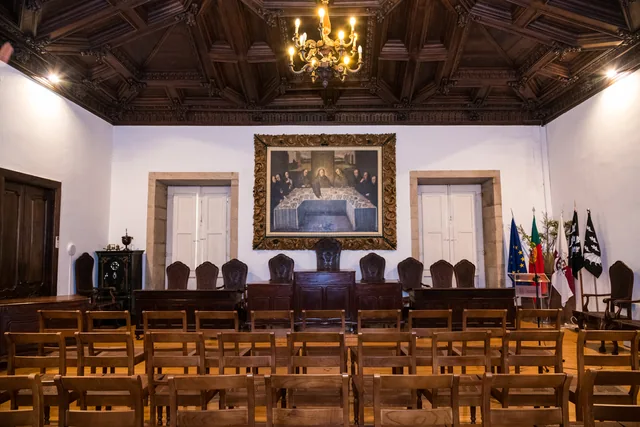
A wooden ceiling connects two lives of the same space.
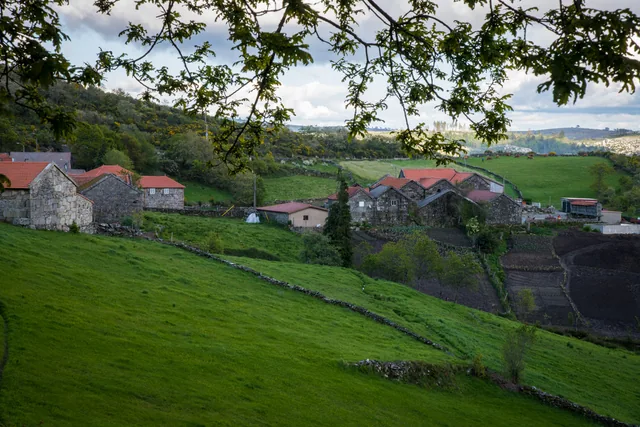
The village can also be understood through houses and mountains.
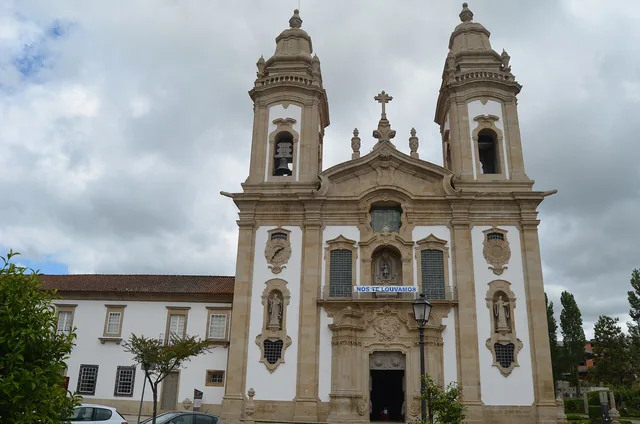
A symmetrical façade does not mean everything is repeated.
A curiosity of this selection, at random.