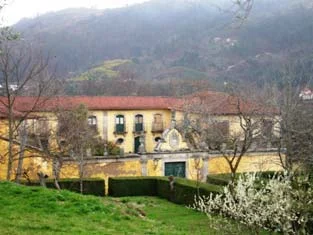
Three houses, three details
A chapel, a staircase and a gateway help us read architecture.
232 stories
A chapel, a staircase and a gateway help us read architecture.
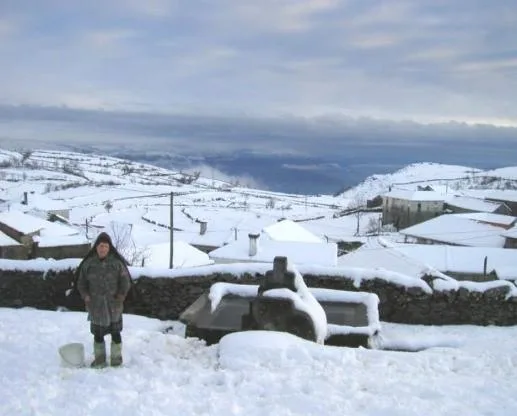
In Uz, materials also tell the mountains’ story.
In Lameiras Chãs, the remains tell more than one story.
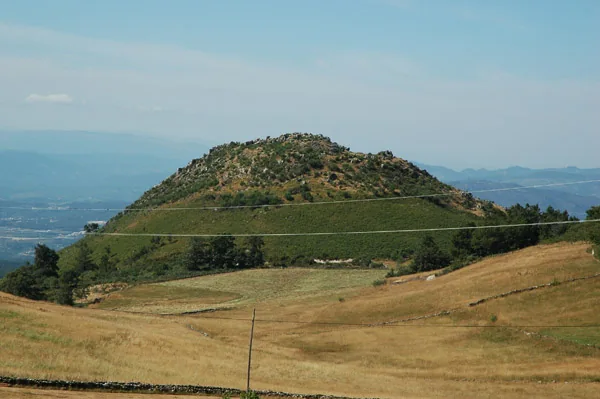
At Monte do Castelo, the terrain is part of the story.
Romanisation also changed the relationship between mountains and fields.
The 1258 royal inquiries record it as Pedraços.
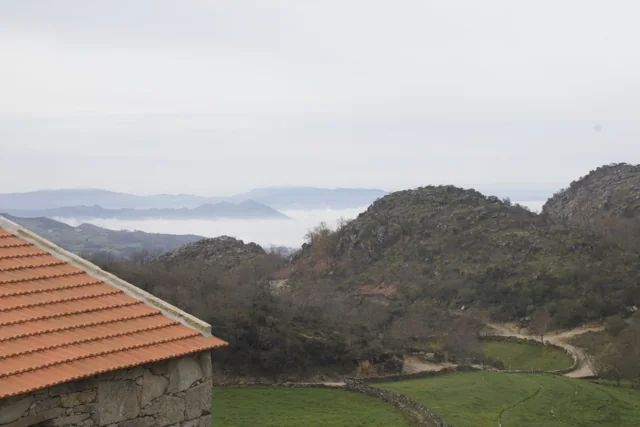
The Marcos do Touro help us read territorial boundaries.
In Casares, reaching church was a practical matter.
Heritage also had a system of care.
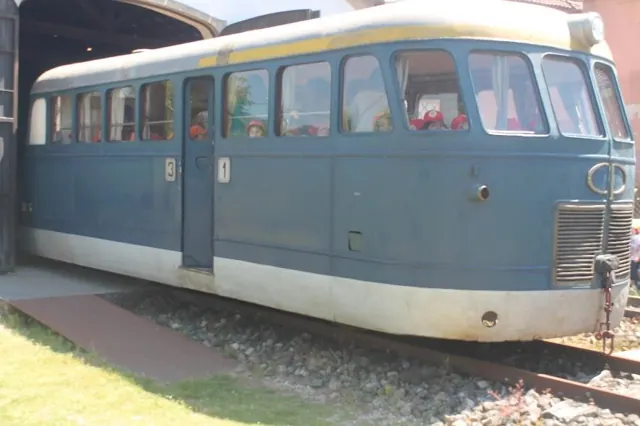
The collection tells of different ways to get a train moving.
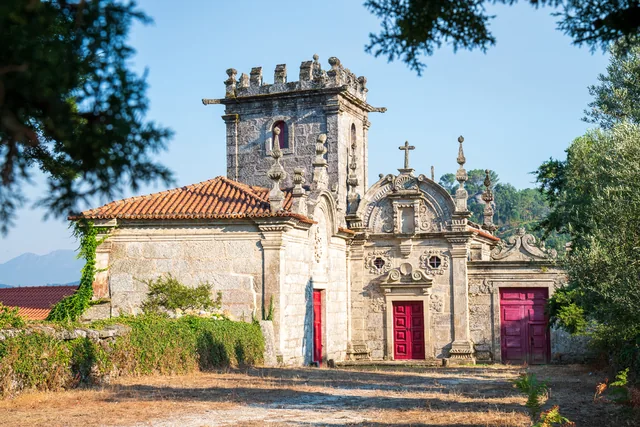
History can be read in windows and corners too.
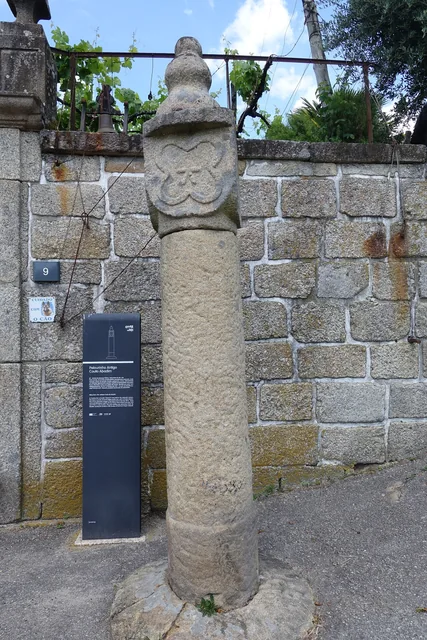
A small monument holds a history of autonomy.
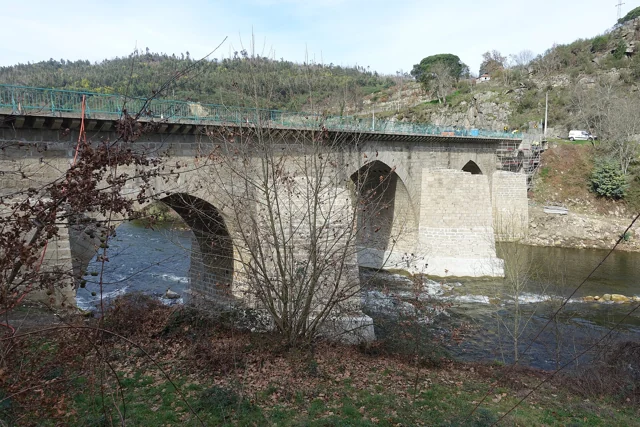
An old bridge did not stand still in history.
Around the bridge, memory imagined its own paths.
Cabeceiras’ railway story also passes through the neighbouring municipality.
A library holds encounters and discoveries too.
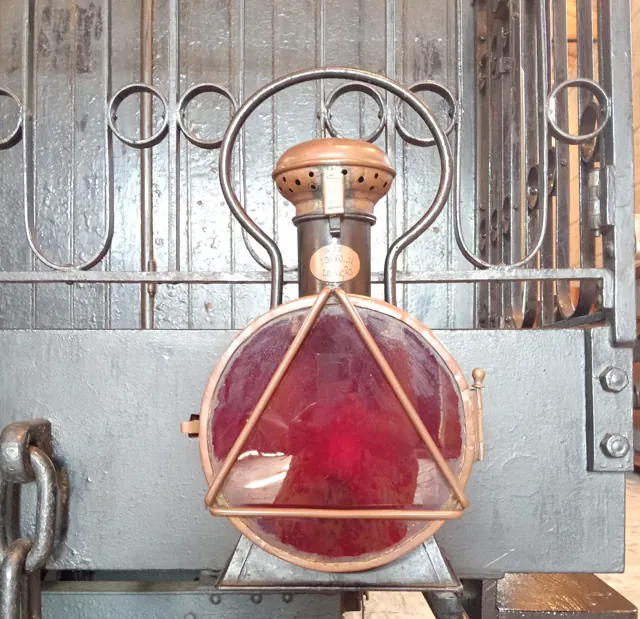
A red light showed that the train was complete.
A parish’s history also involves distant connections.
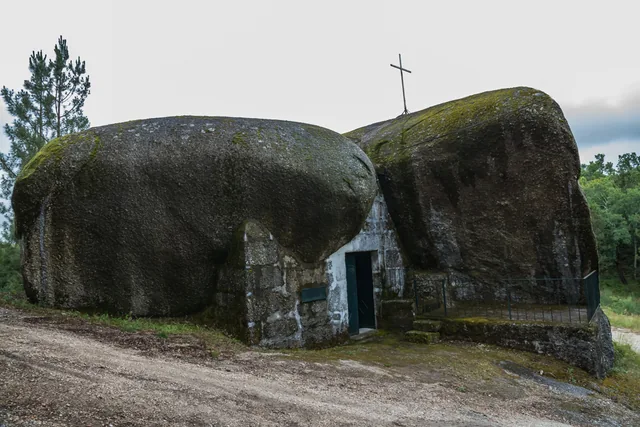
At Santa Catarina, the building meets the rocky outcrop.
In Cunhas, built heritage meets oral tradition.
In Cavez, an old list connects villages, residents and monasteries.
Archaeology offers another way to know Outeiro.
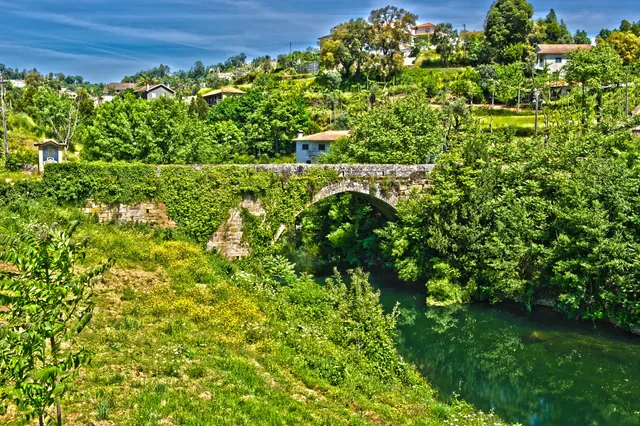
A detail of the Ponte Velha reveals which way the river comes from.
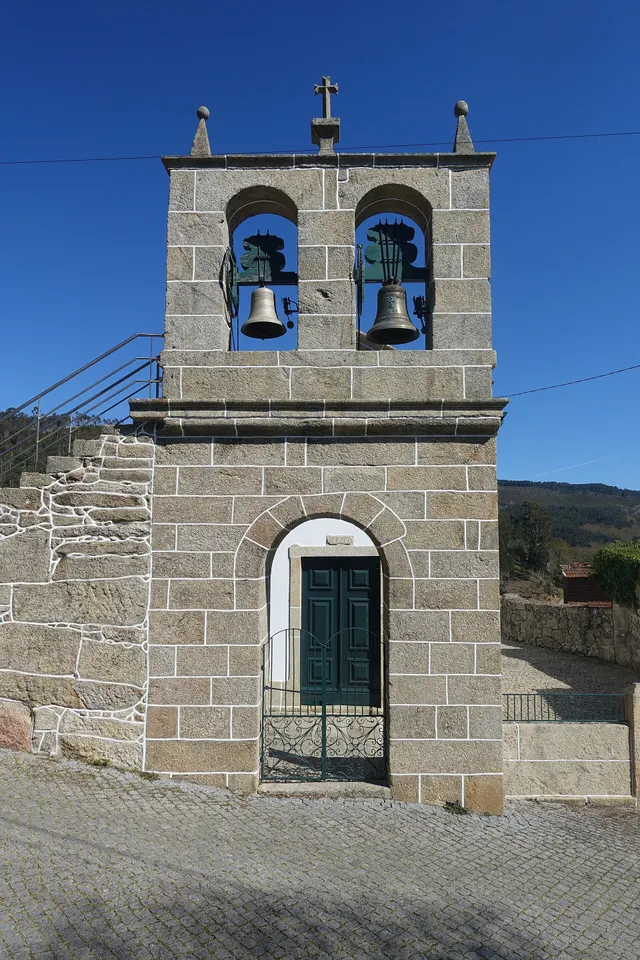
A wooden bridge opens a window onto life in 1758.
A curiosity of this selection, at random.