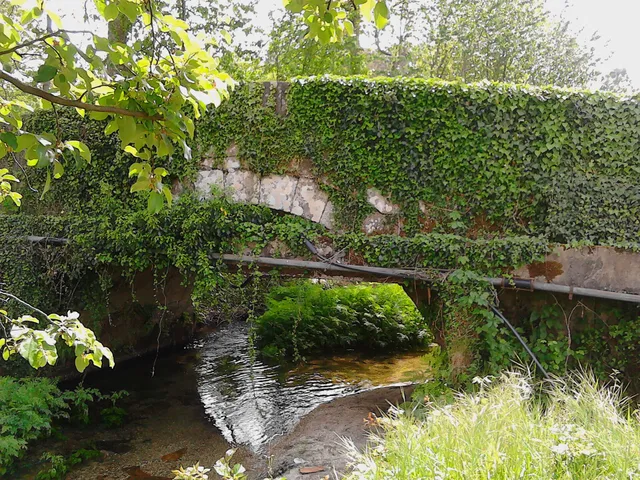
A bridge, a name and a question
Calling it Roman does not settle its age.
145 stories
Calling it Roman does not settle its age.
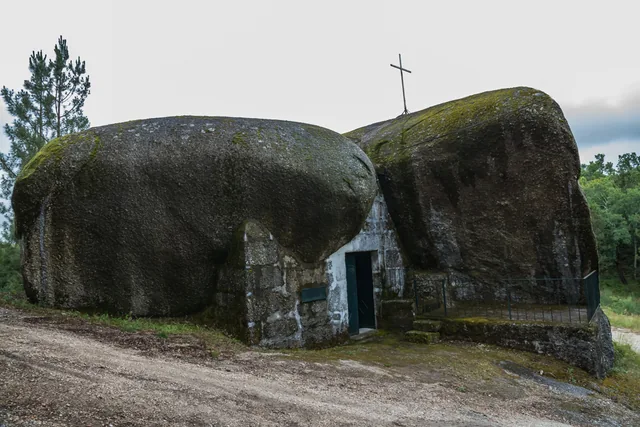
At Santa Catarina, the building meets the rocky outcrop.
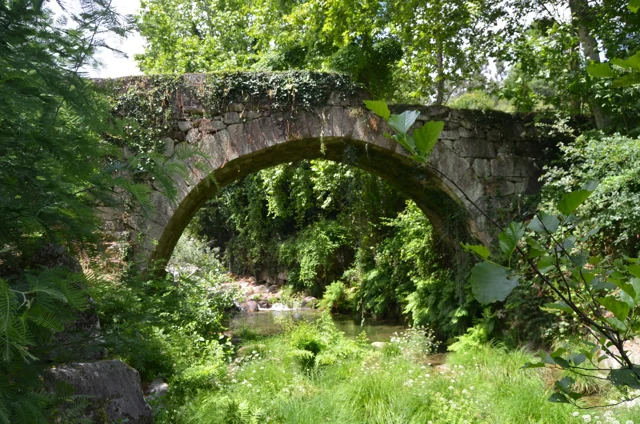
In Moimenta, old stone meets work carried out in 1990.
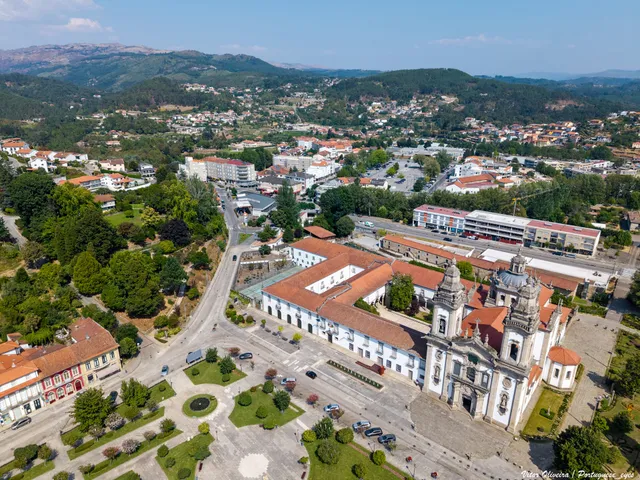
Firefighters have been part of Cabeceiras since 1949.
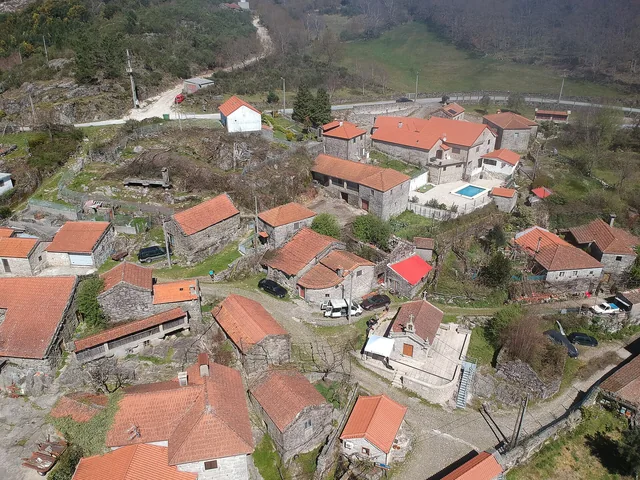
In 1758, the village already appeared in São Nicolau's portrait.
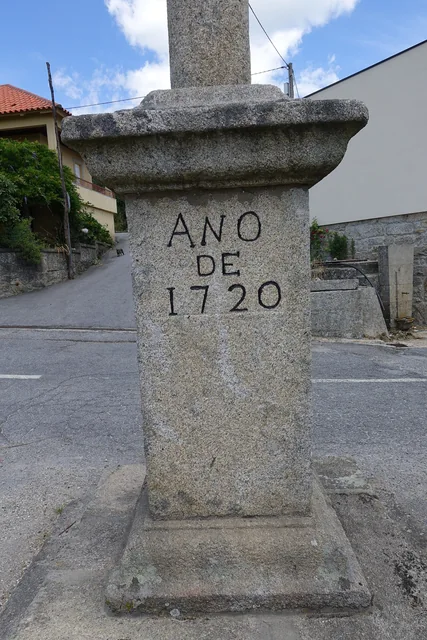
On a wayside cross's pedestal, the stone reads 1720.
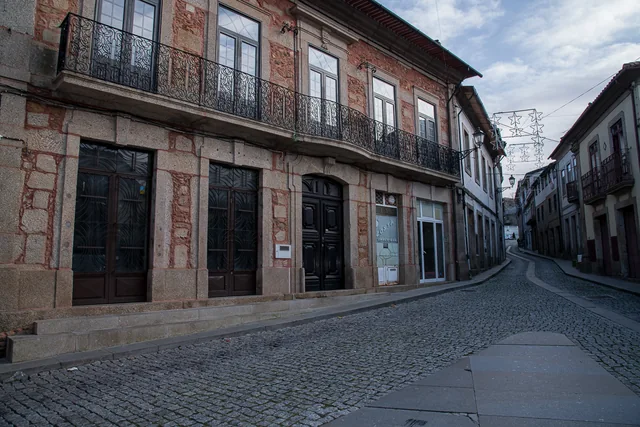
Adjoining houses preserve another chapter in the history of trade.
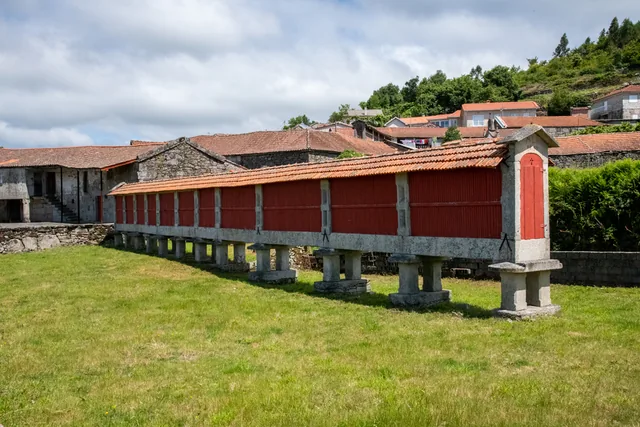
Santa Ana adds another piece to the village story.
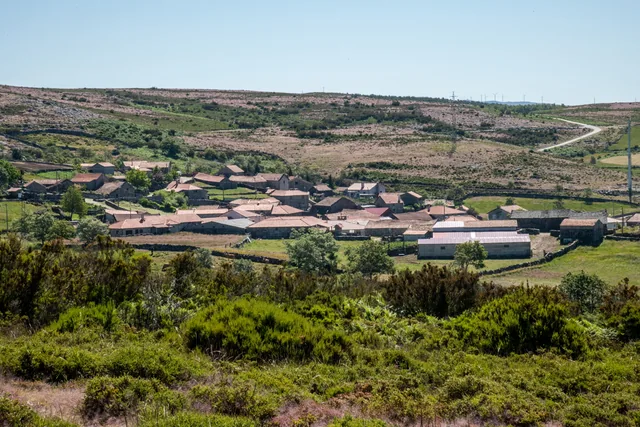
A small chapel helps tell the village story.
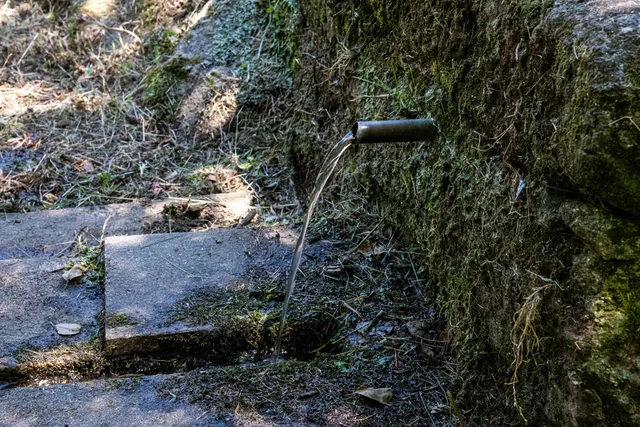
In Currais, water also gave a place its memory.
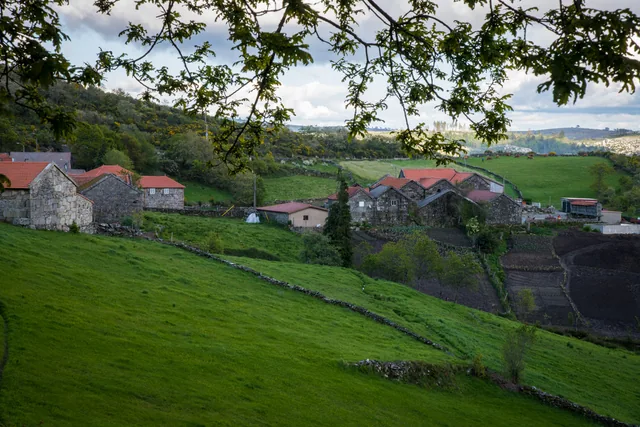
The village can also be understood through houses and mountains.
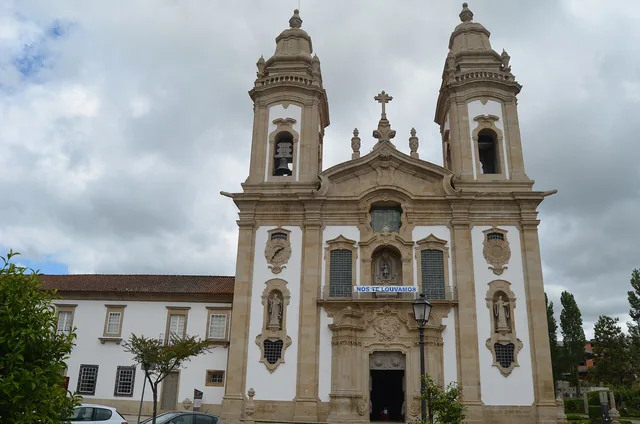
A symmetrical façade does not mean everything is repeated.
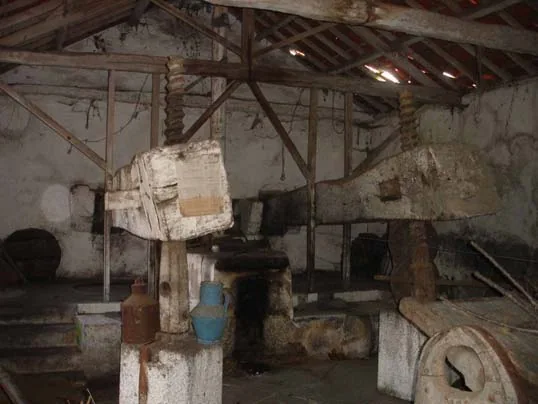
At Ramil, power arrived along a water channel.
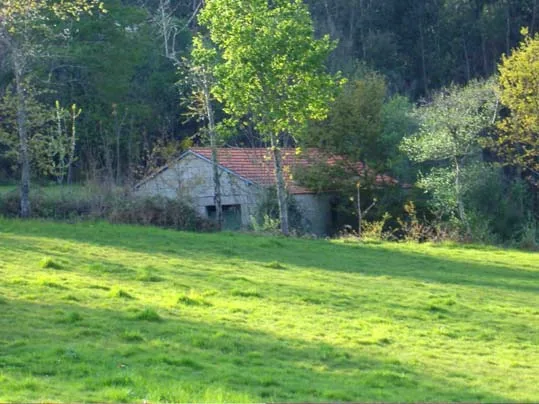
Olive oil, flour and wine at Quinta de Covas.
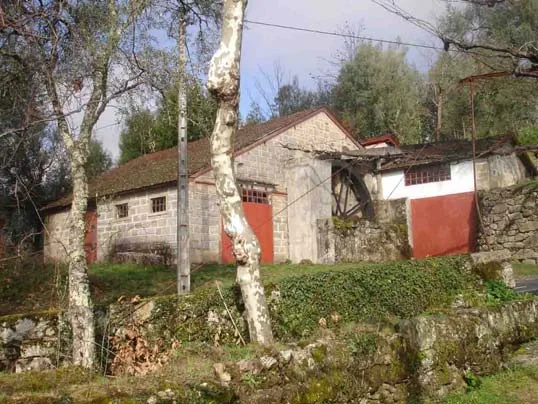
At Casa do Casal, the season followed the olives.
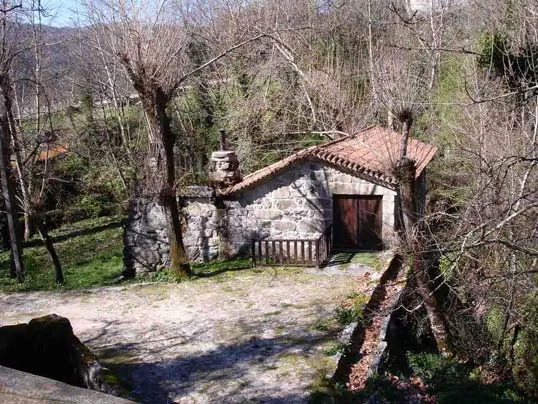
In Fundevila, work left its marks on the house.
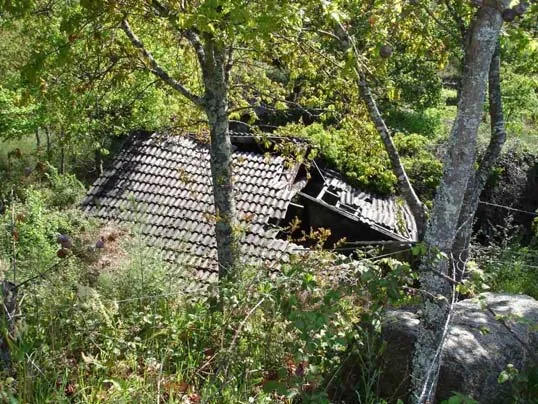
The same channel linked Baixo and Cima in Chacim.
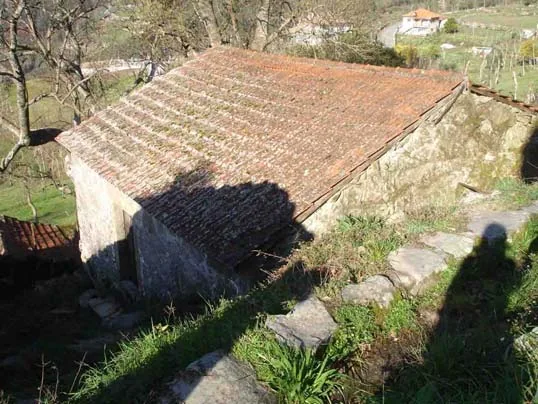
At Casa das Lages in Vilela, water powered olive oil.
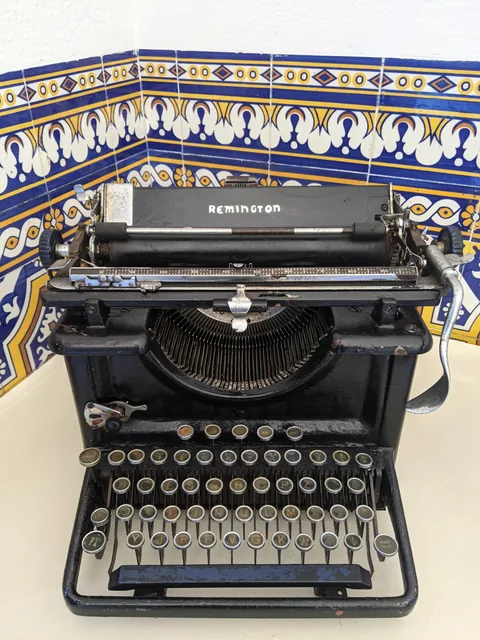
Before the screen, the council used HCESAR keys.
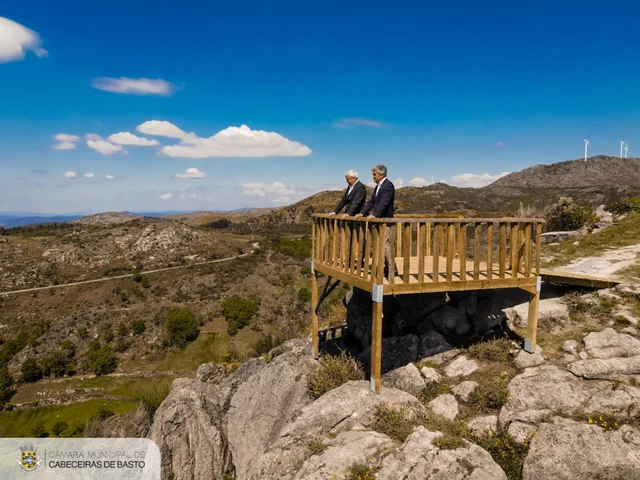
Porto d’Olho became part of a viewpoint network.
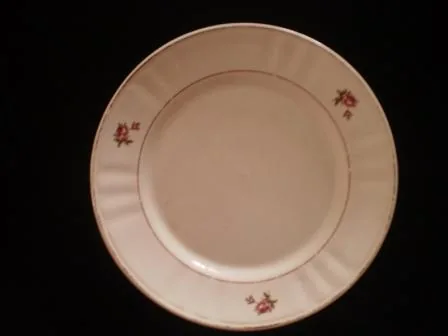
Mutual help had a kitchen side too.
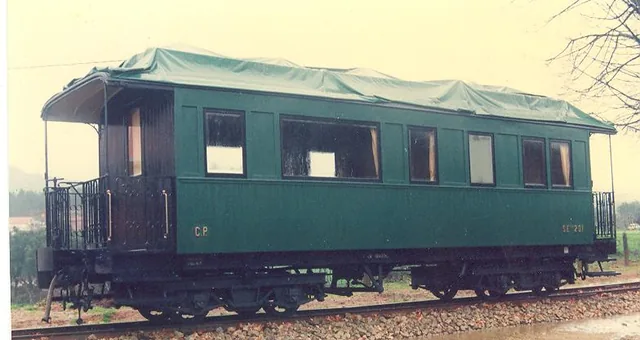
Carriage 201 held two compartments and another way of travelling.
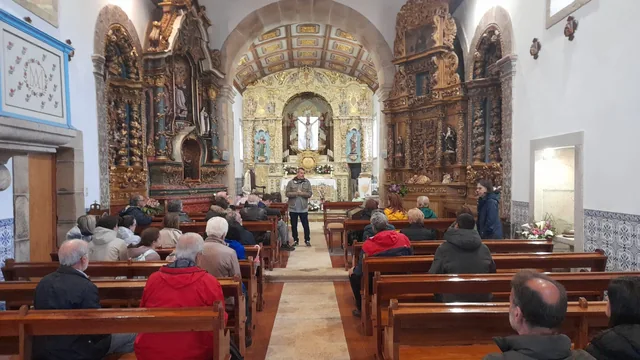
Painzela’s church also holds stories told through images.
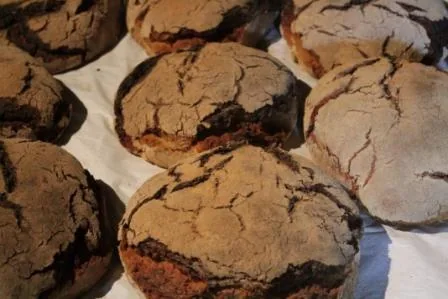
In Travassô, memory reached the table too.
A curiosity of this selection, at random.