Three questions for the past: land, mountains and rivers
The Parish Memories began with a questionnaire.
120 stories
The Parish Memories began with a questionnaire.
Fifteen villages, nearby chapels and gatherings across parish boundaries.
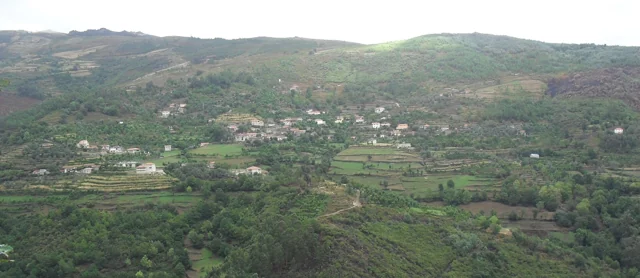
Two associations from the 1980s added other encounters to parish life.
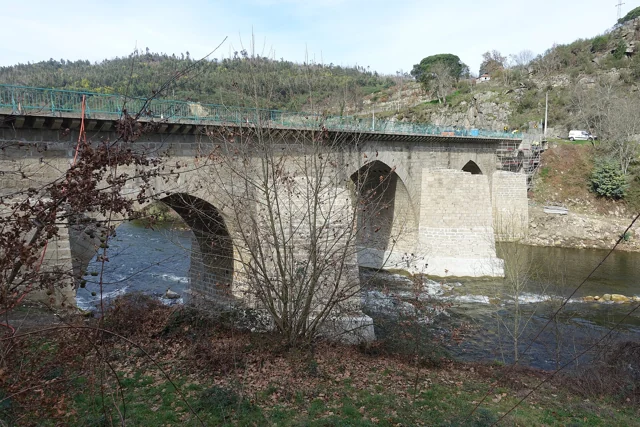
Not every river crossing a valley served as a waterway.
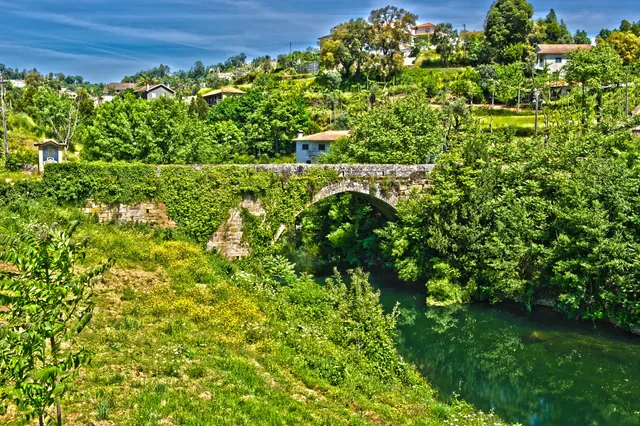
A detail of the Ponte Velha reveals which way the river comes from.
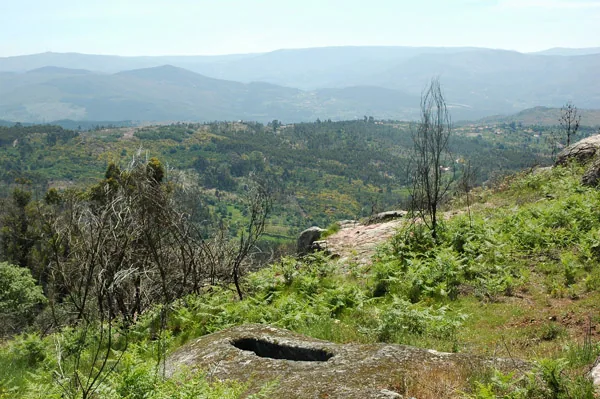
In Rio Douro, orientation helps interpret the past.
A worn inscription and a cross preserve different clues.
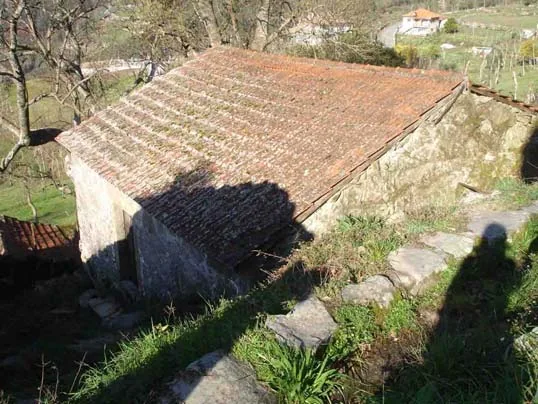
At Casa das Lages in Vilela, water powered olive oil.
At Portelada, water had more than one job.
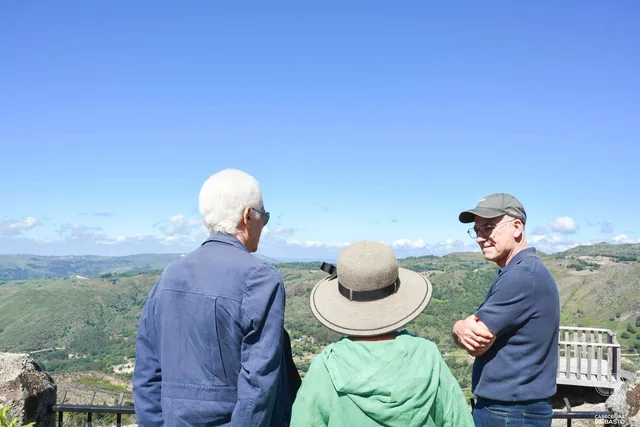
At Esporões, the view met stories of pastoral life.
Casares lay on many people’s route.
In Eiró, the circular shape and ditch tell a story.
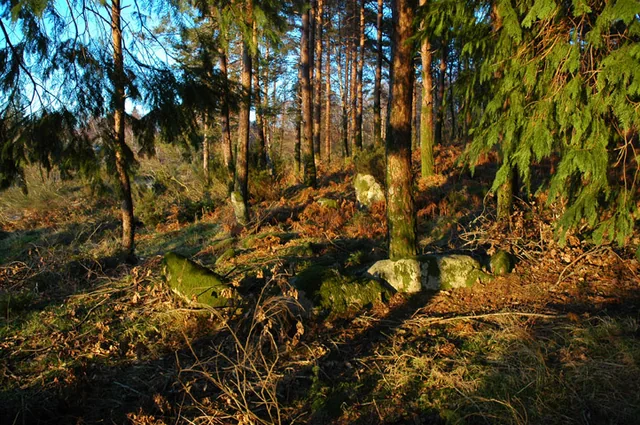
The remains of Toninha’s Aldeia Velha tell of another time.
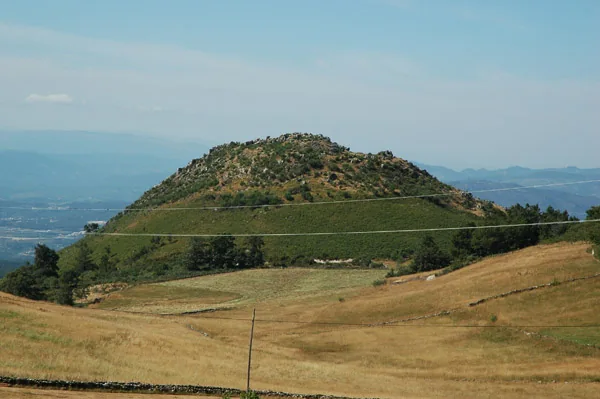
At Monte do Castelo, the terrain is part of the story.
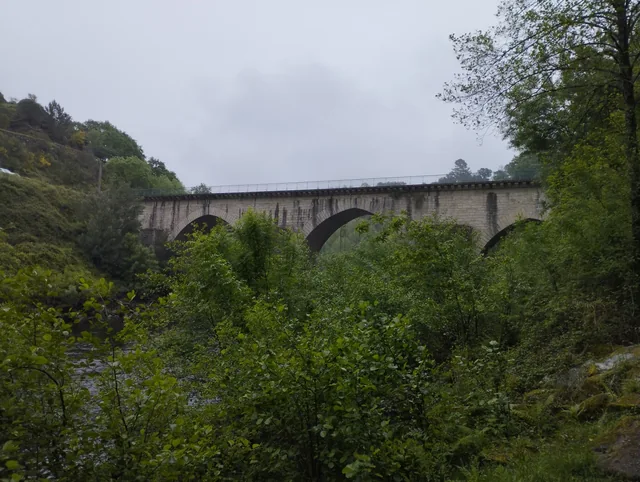
In 1758, Cavez’s Ponte Grande impressed the parish priest.
A gently rolling landscape on the municipality’s western edge.
Around the bridge, memory imagined its own paths.
Wood connected riverbanks too.
Cabeceiras’ railway story also passes through the neighbouring municipality.
A photographer from Refojos left his mark across the Atlantic.
At Portela de Asnela, the landscape leaves a question.
Distance from the church also shaped village life.
In Cavez, an old list connects villages, residents and monasteries.
An account from Vila Nune also looks towards Atei.
A curiosity of this selection, at random.