There is more to a rock than meets the eye
Wolframite and cassiterite are part of Cabeceiras’s geological picture.
101 stories
Wolframite and cassiterite are part of Cabeceiras’s geological picture.
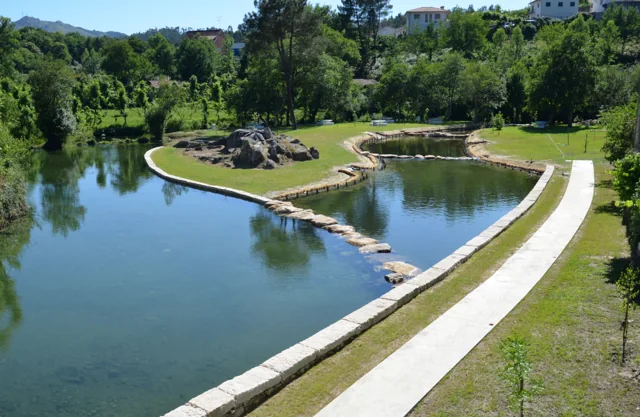
At Ranha, restoring the river also meant choosing materials.
A seemingly uniform rock can reveal differences up close.
The 1758 account describes Rio Douro between east and west.
Irrigation channels linked river flows to work in the fields.
Along the Penoutas stream, ferns are part of the story.
A rock’s age and a landscape’s shape are different questions.
Granite contains minerals you can distinguish by eye.
Even a little water could keep a landscape moving.
In Gondiães, storing and directing water was collective work.
A mill is organised vertically too.
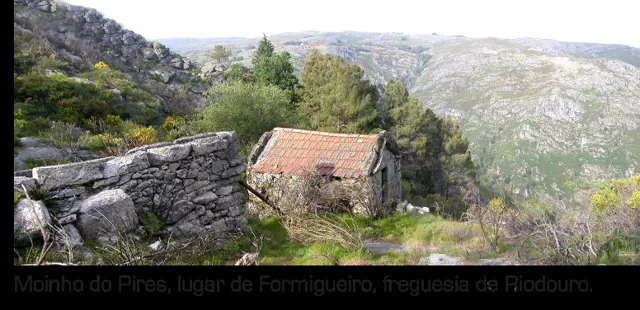
Moinho do Pires in Formigueiro, in the Museum documentation.
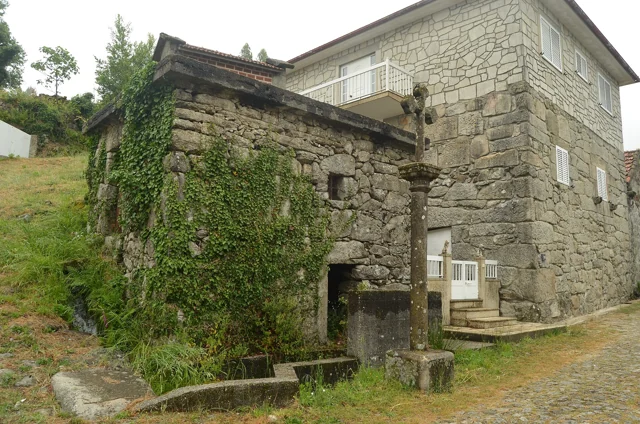
A short paved stretch tells a working story.
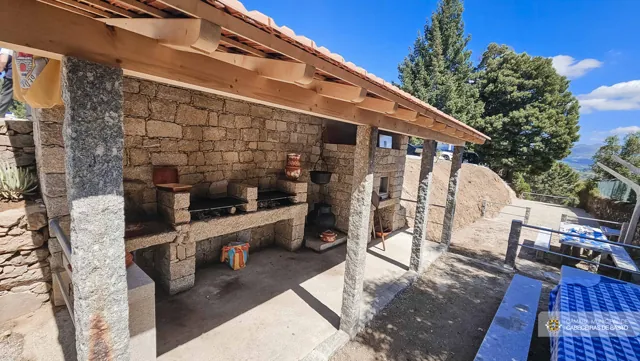
In Pedraça, celebrations brought people and music together.
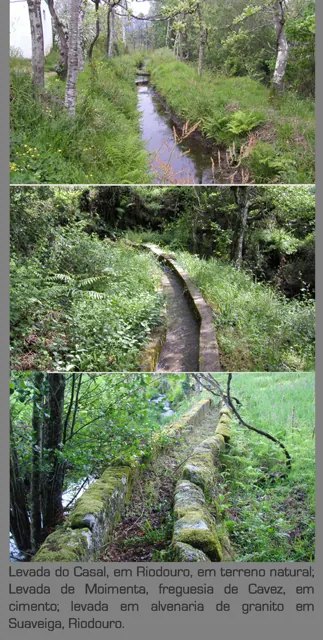
A levada is not always a dressed-stone channel.
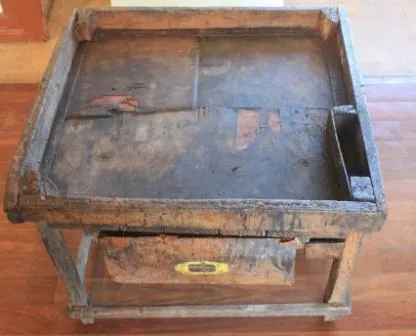
Each tool solves a small part of the work.
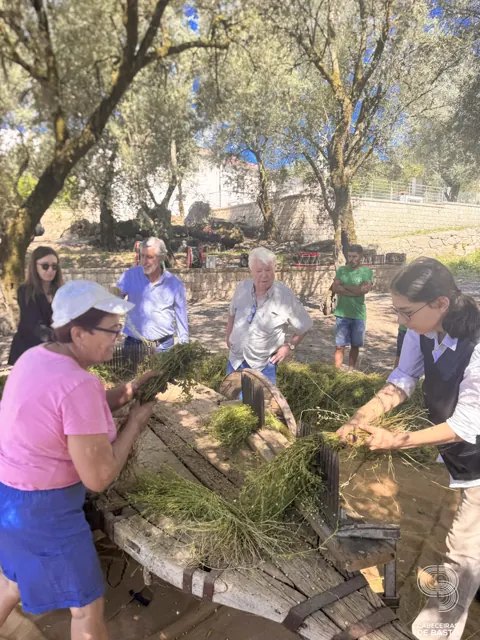
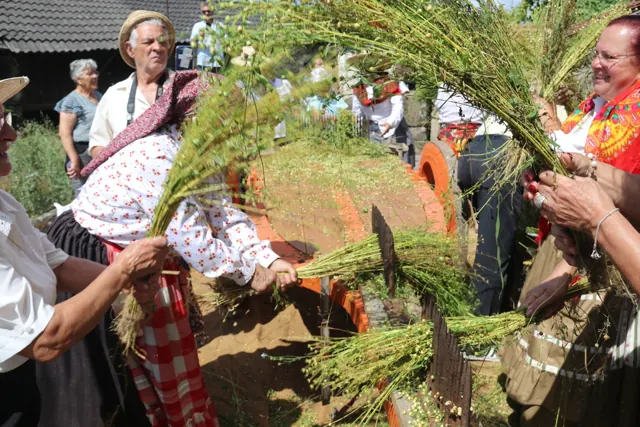
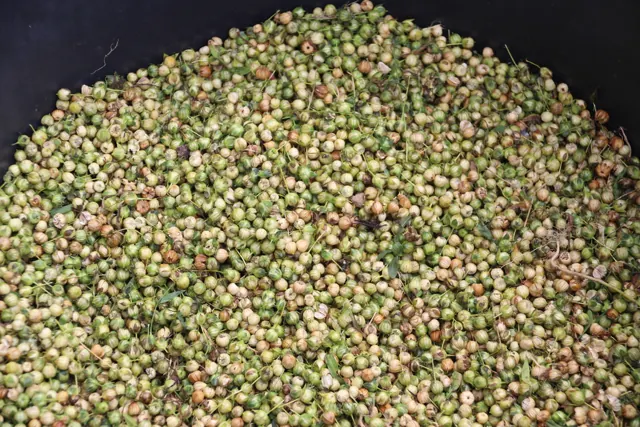
During rippling, an iron comb helps separate the flax seeds.
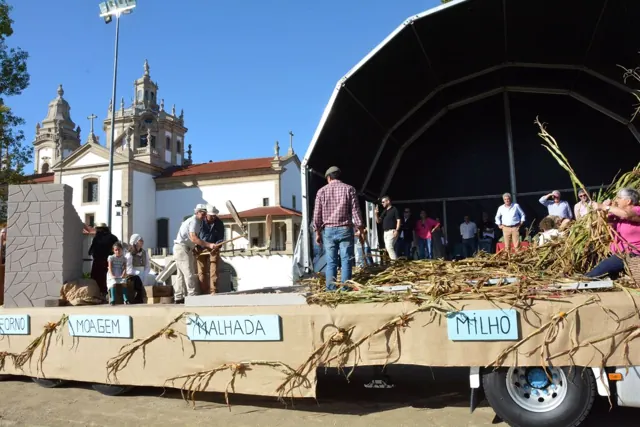
The parishes brought their skills to the São Miguel festivities.
Cloths and bedspreads are heritage too.
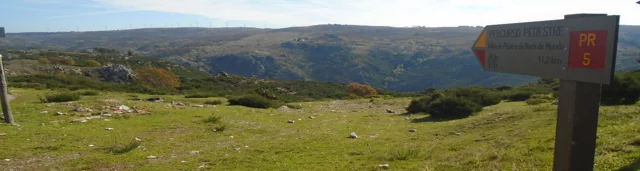
Wool and grain: two tasks beside one stream.
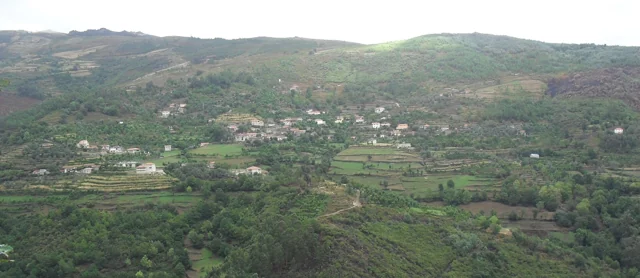
In Vilela, the walls help you recognise the landscape.
Two pitchers, two recorded capacities.
Learning from another person is heritage too.
A curiosity of this selection, at random.
