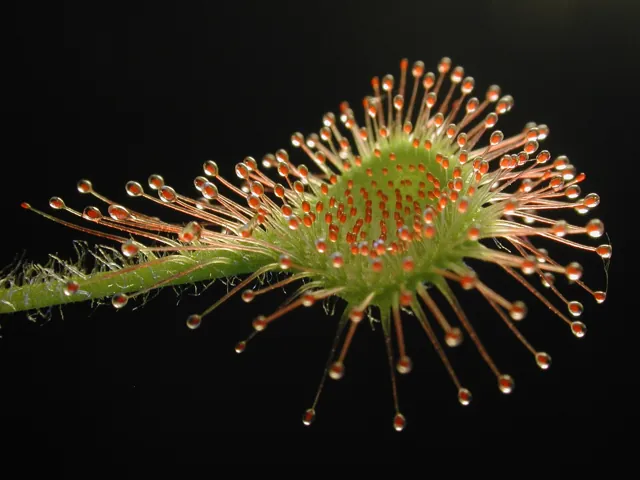
A carnivorous plant in the mountains
Sundew is one of Cabreira’s small surprises.
104 stories
Sundew is one of Cabreira’s small surprises.
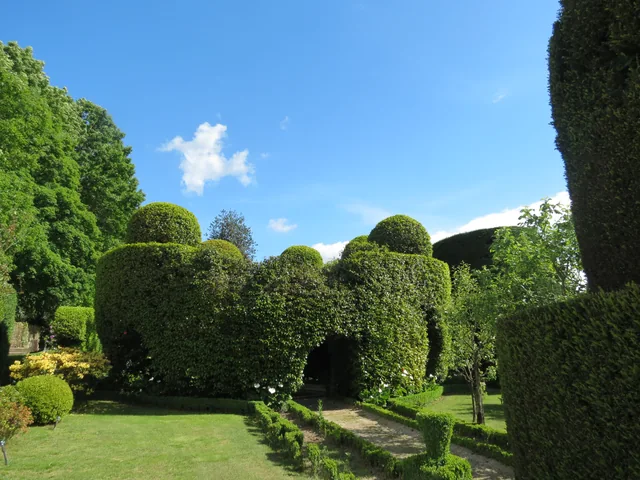
Camellias and yews are part of the story of these gardens.

Ferns tell a different story of reproduction.
Broadleaf cattail is associated with waterlogged ground.
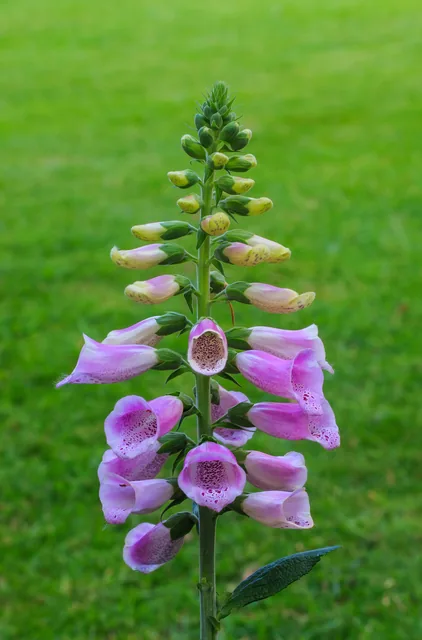
Not all woodland plants seek the forest interior.
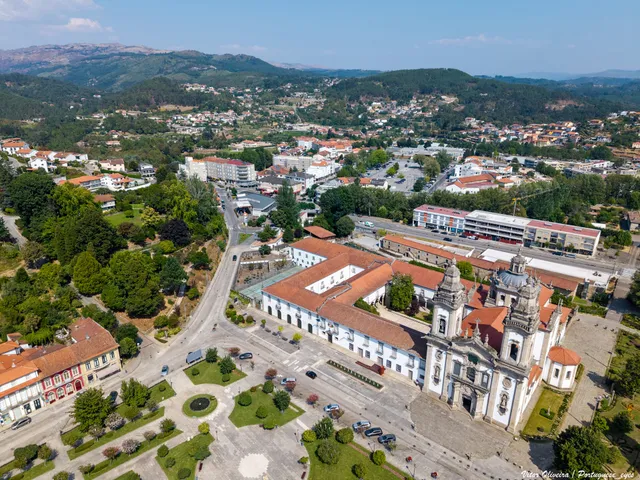
Vegetable gardens, orchards and medicinal plants formed part of the monastery grounds.
A striking plant can change the vegetation around it.
Below the stems lies another part of the plant.
At Rotunda da Sobreira, plants help tell the story of the place.
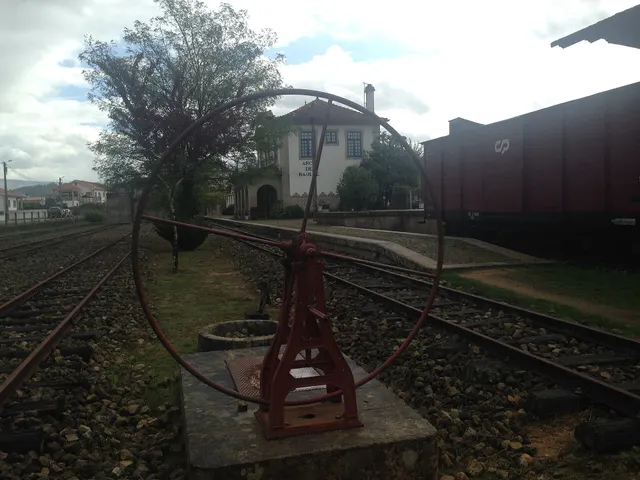
Plants are part of the station’s memory too.
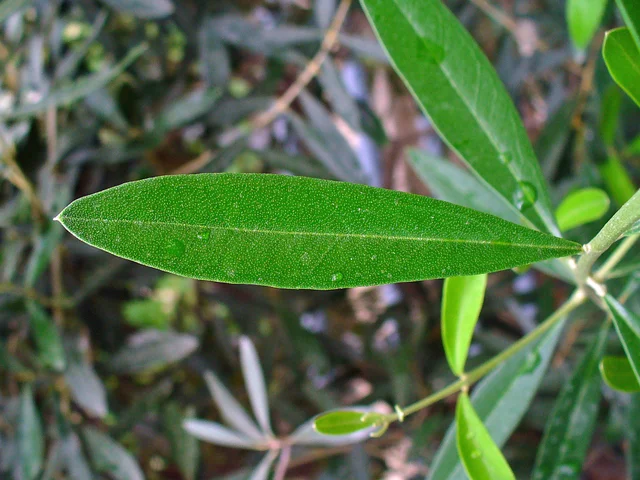
The olive tree’s silvery side also tells a story.
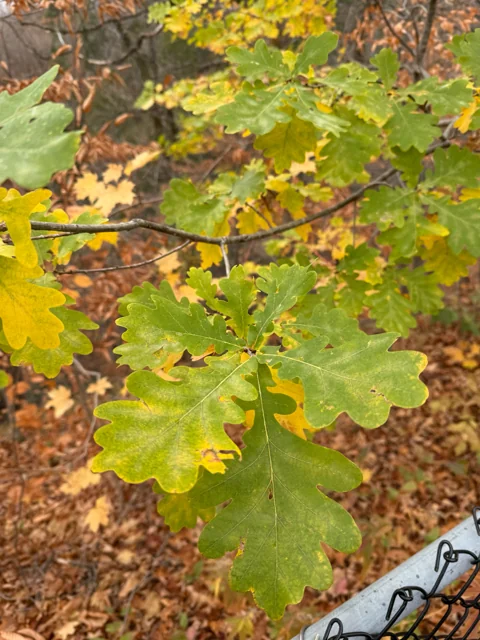
Names that belong to the memory of the mountains.
Between the trees and fields, another landscape awaits.
From the hillsides to cultivated river plains.
Heathers, carqueja, oaks and animals in the parish priest’s words.
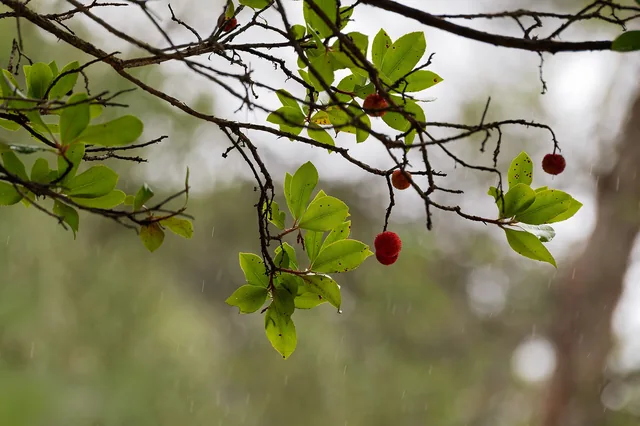
The strawberry tree’s seasons overlap.
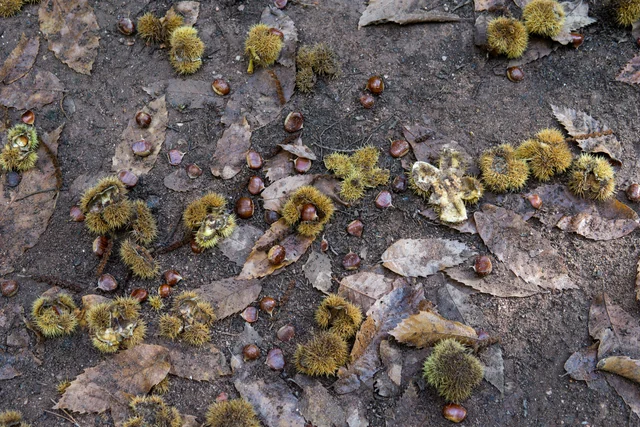
The chestnut is the fruit; the burr encloses the cluster.
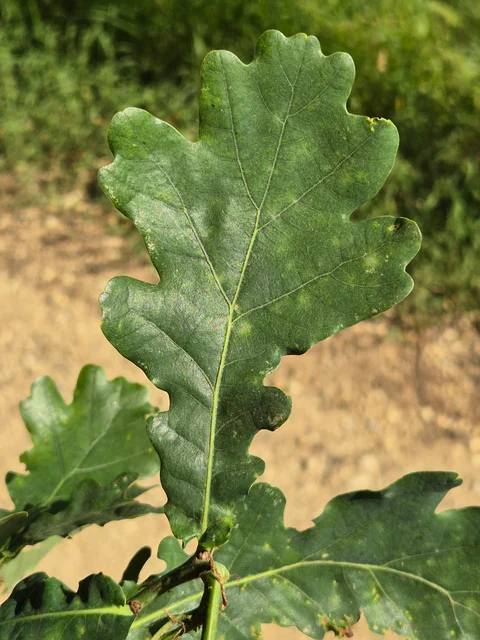
Look at the leaf’s outline and stalk on a pedunculate oak.

Even on a single holly tree, leaves can differ.
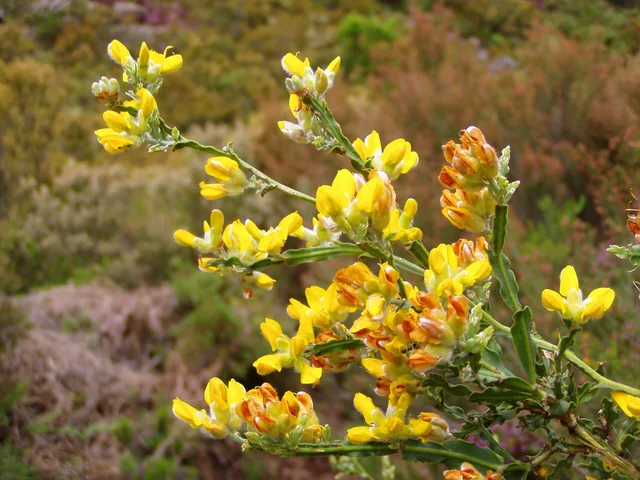
Leaves do not do all the photosynthesis.
A small detail to spot on maritime pine.
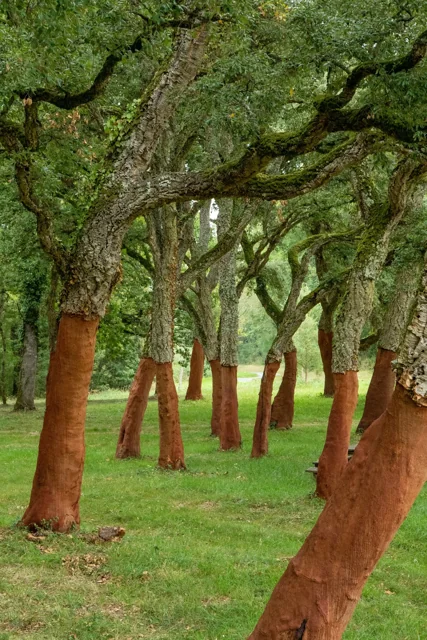
A cork oak’s bark is one of the first clues.
Alder has a close relationship with rivers.
Birch catches the eye before you even look at its leaves.
A curiosity of this selection, at random.