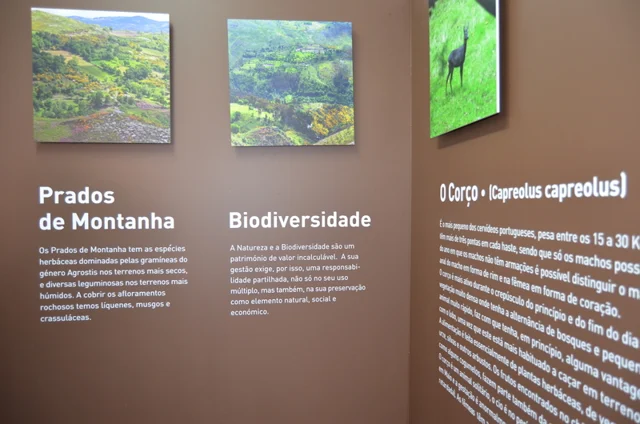
Water brings power and irrigates fields
One landscape brings together different uses.
54 stories
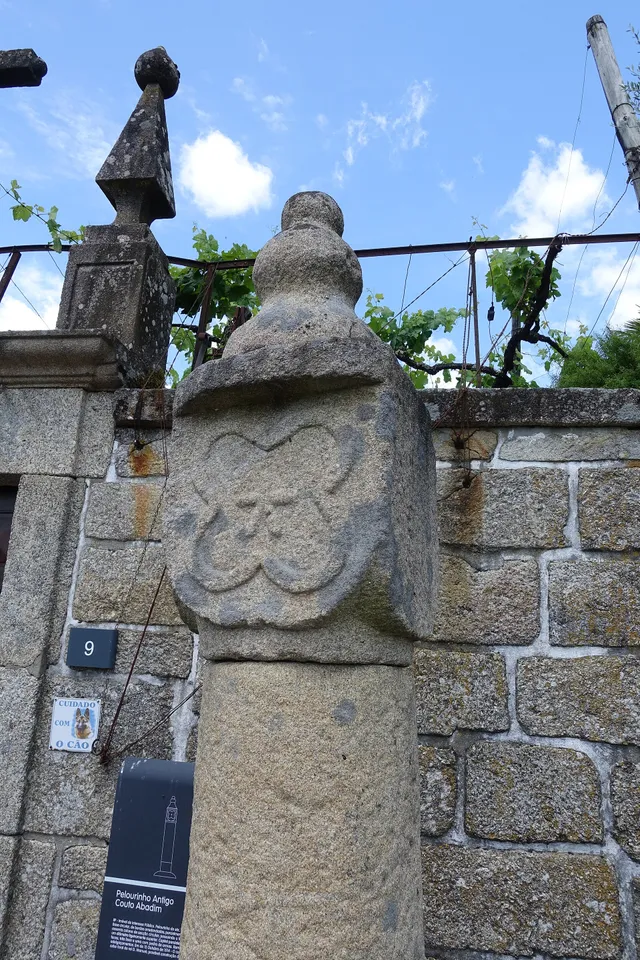
Before electricity, flowing water already powered local work.
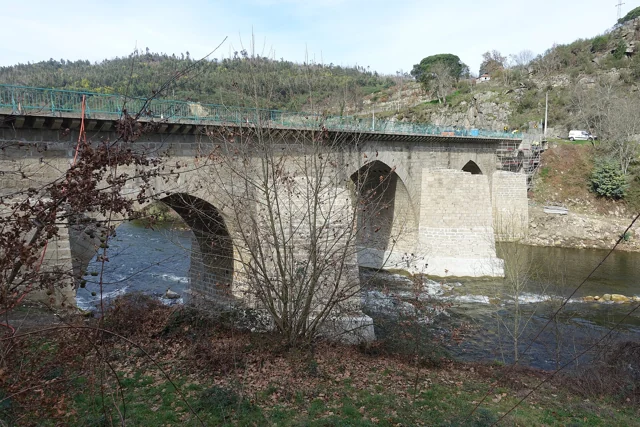
Not every river crossing a valley served as a waterway.
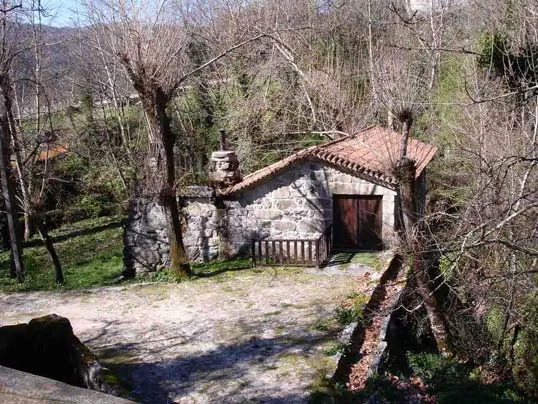
In Fundevila, work left its marks on the house.
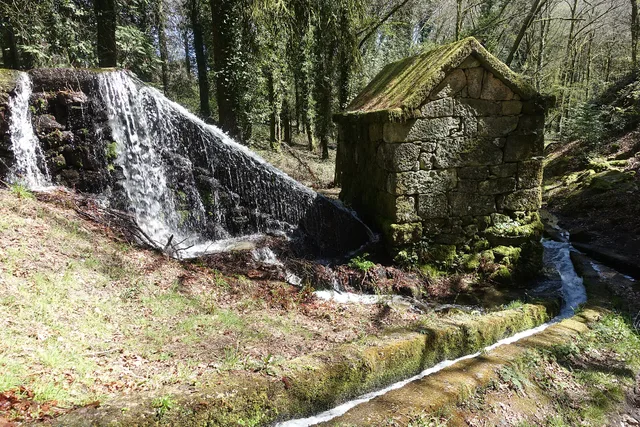
Moinhos de Rei preserves a story of water, grain and income.
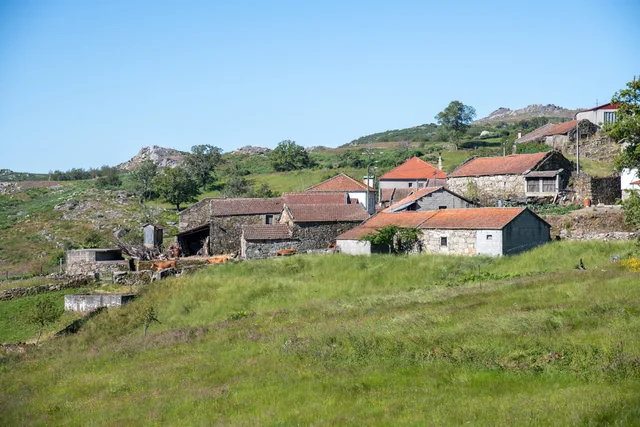
Mills, olive presses and a fulling mill appear in one old account.
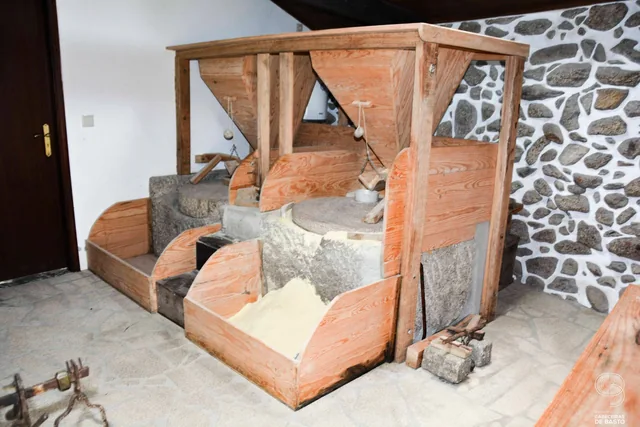
At Ponte Nova, visitors came close to the work of the mill.
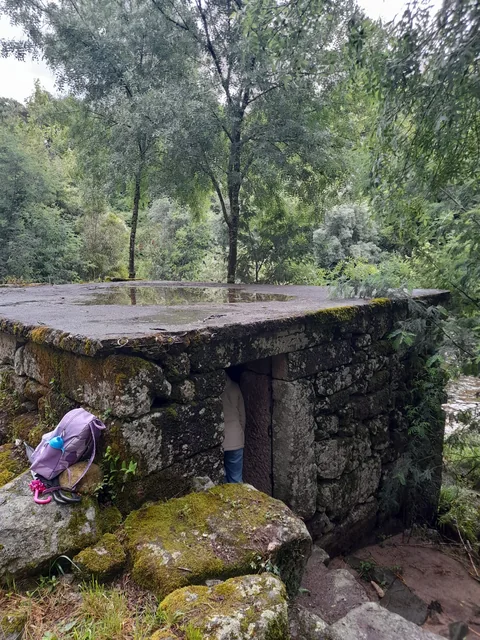
A mill adds another story to the Cavez landscape.
An account from Vila Nune also looks towards Atei.
Casares lay on many people’s route.
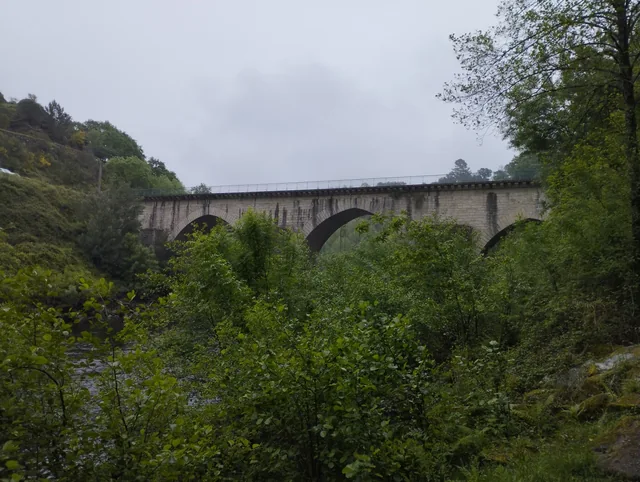
In 1758, Cavez’s Ponte Grande impressed the parish priest.
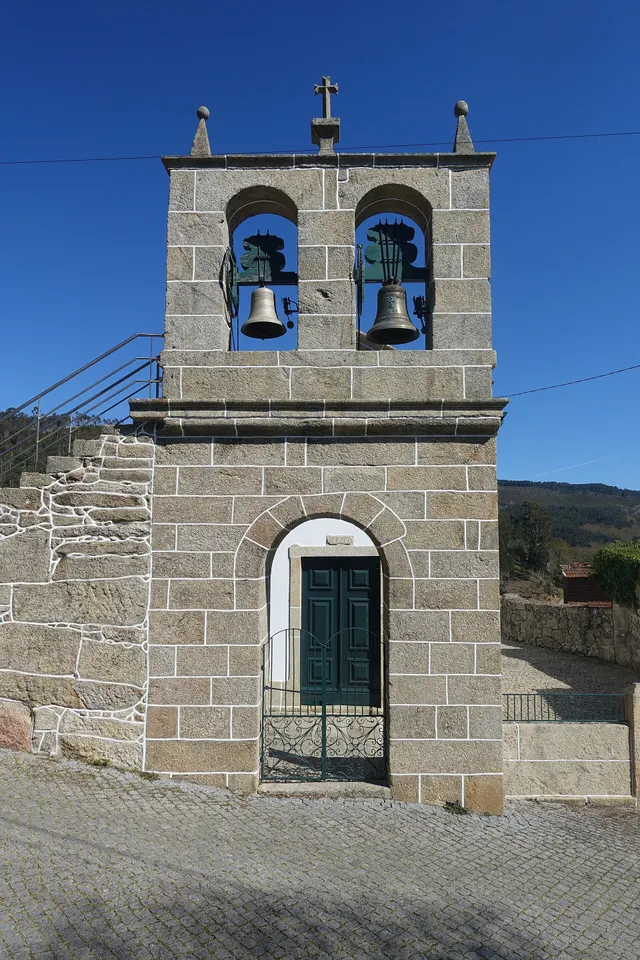
A wooden bridge opens a window onto life in 1758.
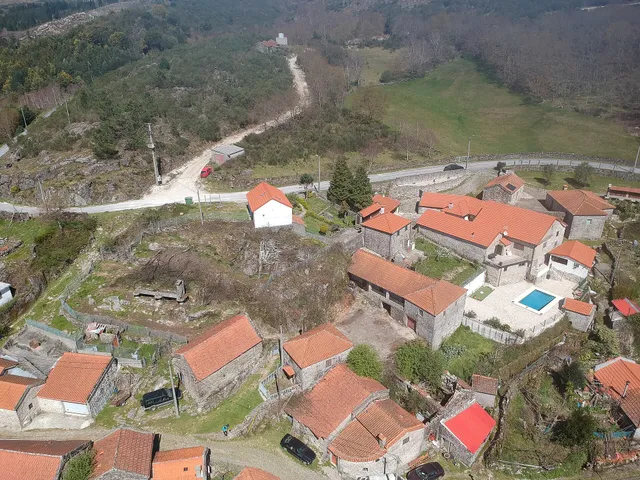
Grazing, water channels and bridges reveal life among the hills.
The parish’s past can also be told through what it produced.
Freiria survives in the memory of a house beside the stream.
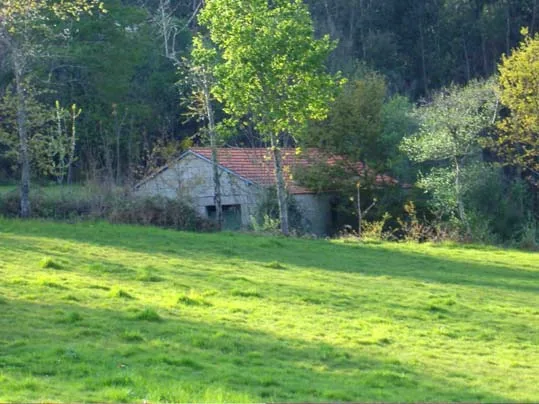
Olive oil, flour and wine at Quinta de Covas.
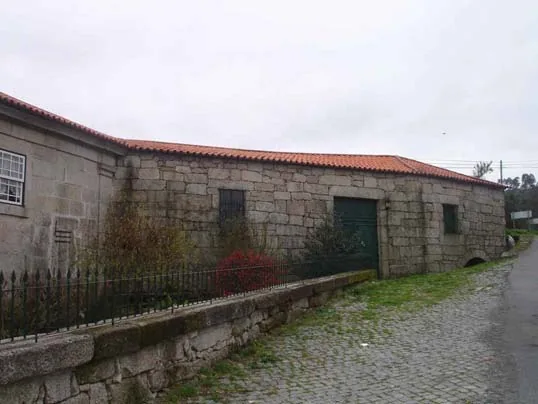
A house in Cavez kept pieces of its working past.
At Torneiro, memories of the press reach as far as Alentejo.
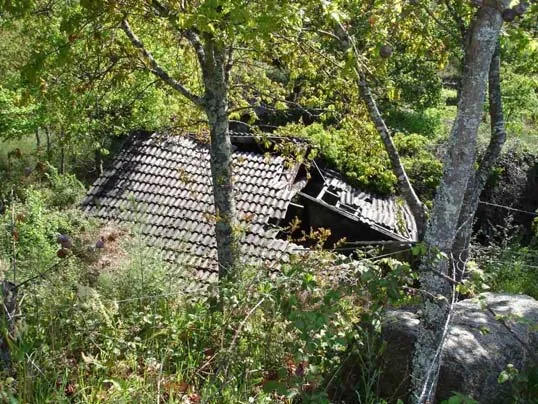
The same channel linked Baixo and Cima in Chacim.
At Portelada, water had more than one job.
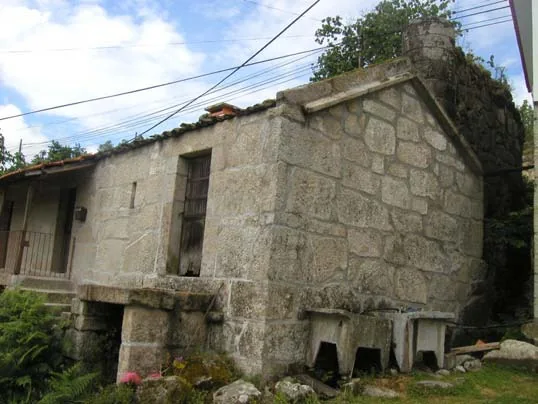
In Cunhas, a name preserves a function that changed.
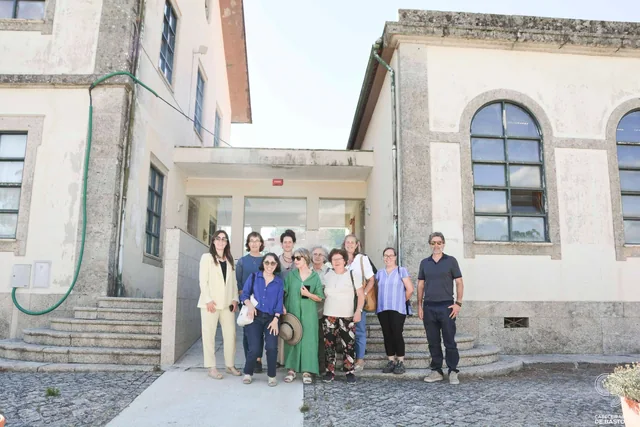
A school brought agriculture, industry and commerce together.
A curiosity of this selection, at random.