Two ox carts full of footwear
The São Miguel fair began months earlier in the workshop.
70 stories
The São Miguel fair began months earlier in the workshop.
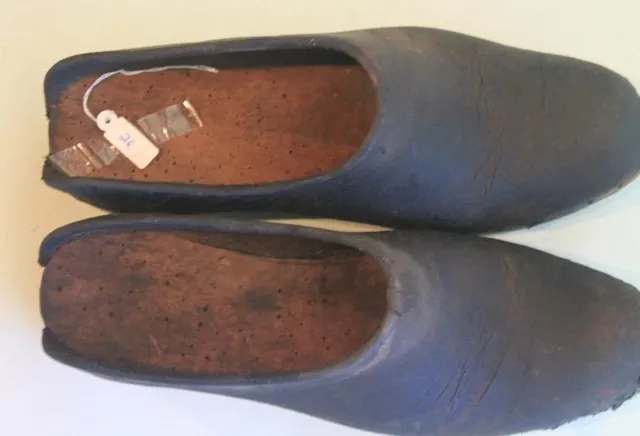
Carrying footwear did not always mean wearing it.
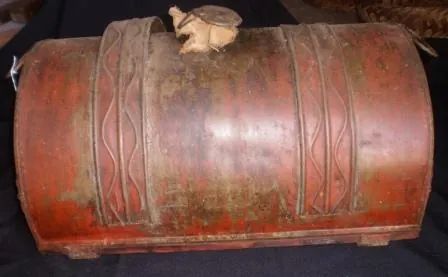
An object’s name does not always reveal its contents.
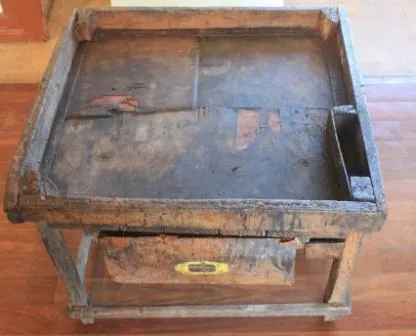
Each tool solves a small part of the work.
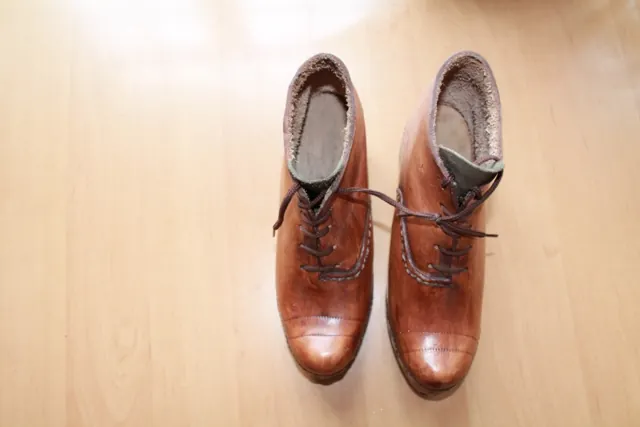
A pair of chancas could follow different moments of life.
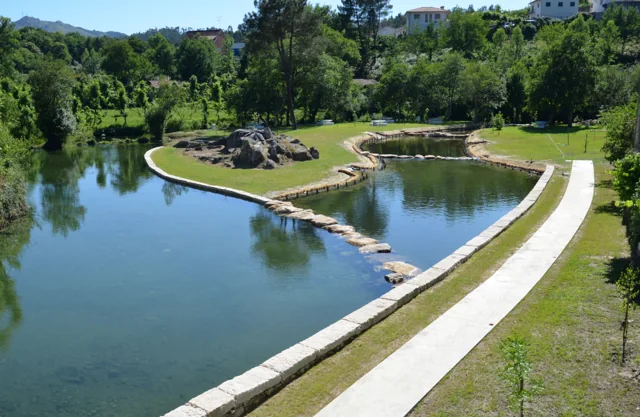
At Ranha, restoring the river also meant choosing materials.
Crossing the river was part of everyday life.
The 1758 account describes Rio Douro between east and west.
Irrigation channels linked river flows to work in the fields.
Water connected mountains, mills and fields.
A cultivated riverbank tells history too.
A document lets us follow water between parishes.
Along the Penoutas stream, ferns are part of the story.
Three springs and a crossing connected two parishes.
At Quinta de Covas, olive oil’s history meets the story of energy.
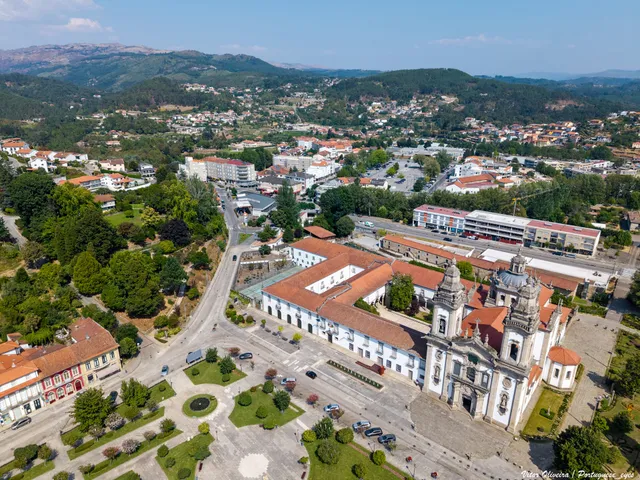
Sacristy furniture combines materials with different roles.
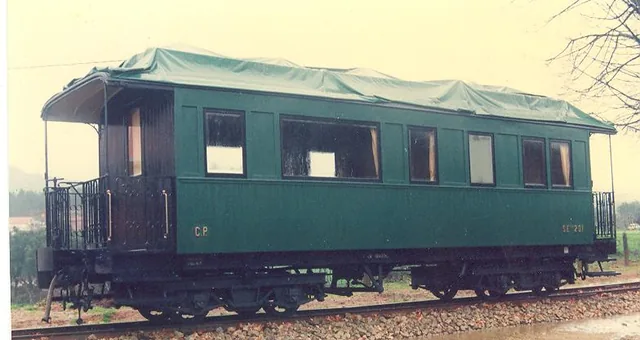
Carriage 201 held two compartments and another way of travelling.
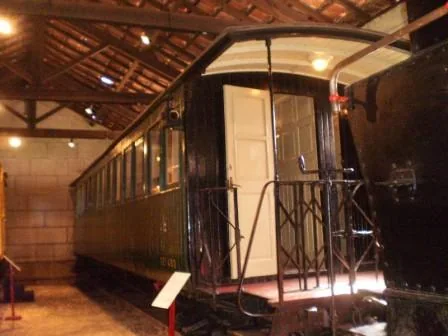
Carriage 453 was made for third-class passengers.
Wood connected riverbanks too.
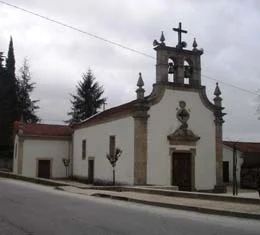
Wood can preserve centuries of memory.
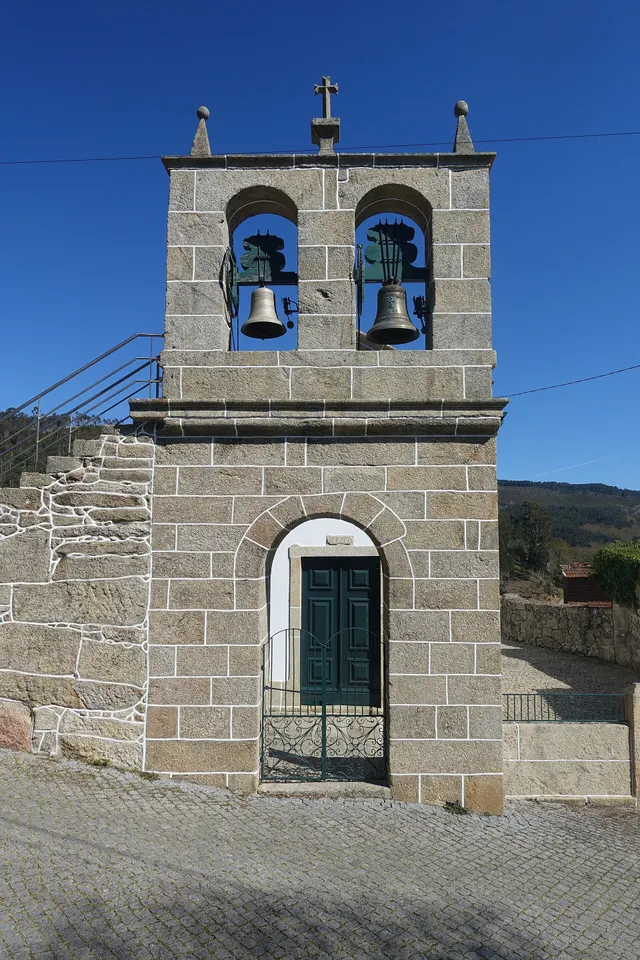
A wooden bridge opens a window onto life in 1758.
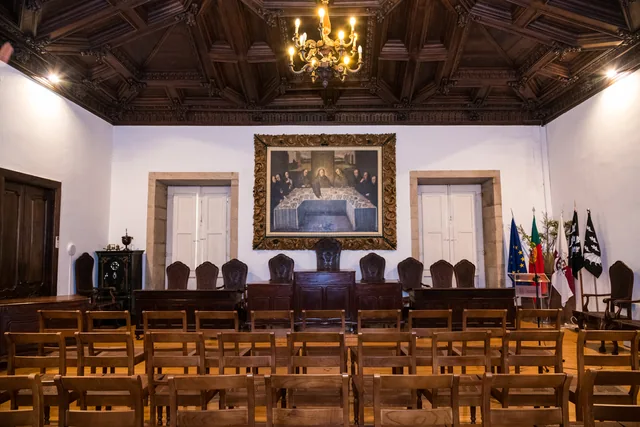
A wooden ceiling connects two lives of the same space.
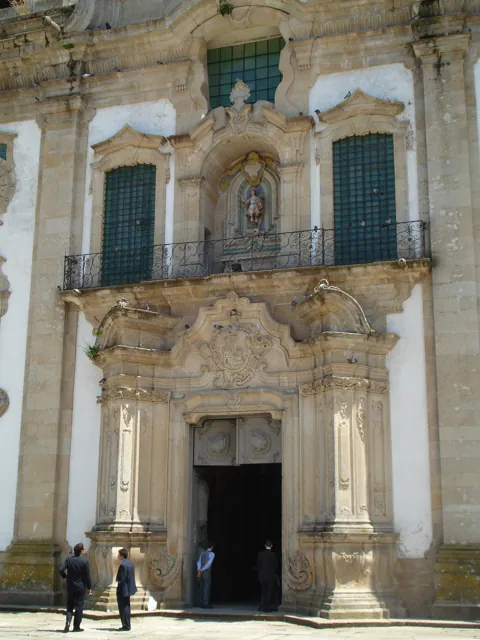
Not every story begins with an exact date.
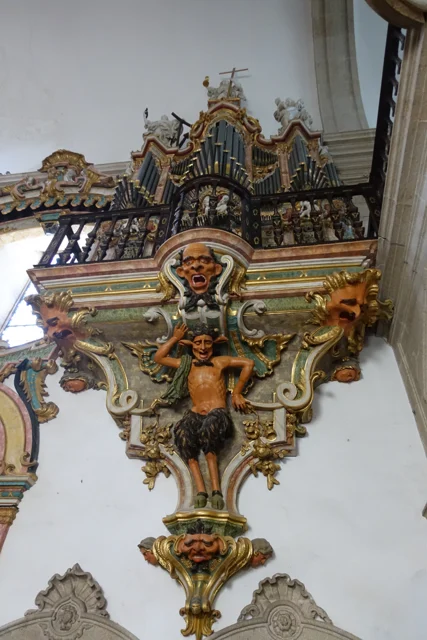
An invitation to look beyond the façade.
A curiosity of this selection, at random.