Two old portraits, two ways of counting
A short note can open a window onto history too.
443 stories
A short note can open a window onto history too.
Distance from the church also shaped village life.
A bridge’s name does not tell its whole construction story.
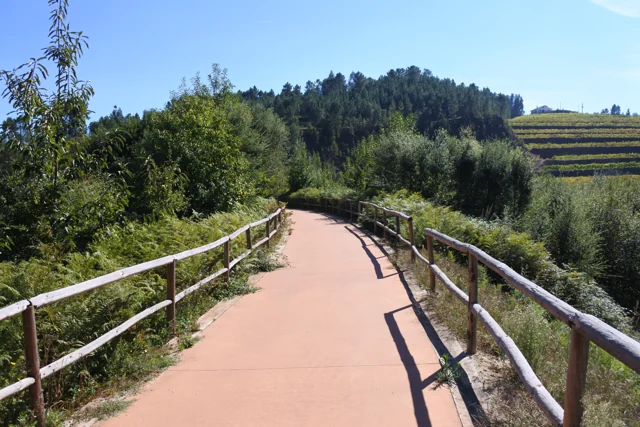
The former railway welcomed walkers and bicycles.
Counting households was not the same as counting people.
Archaeology offers another way to know Outeiro.
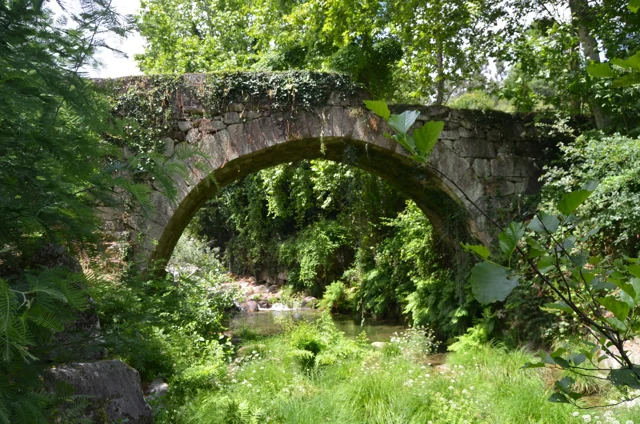
In Moimenta, old stone meets work carried out in 1990.
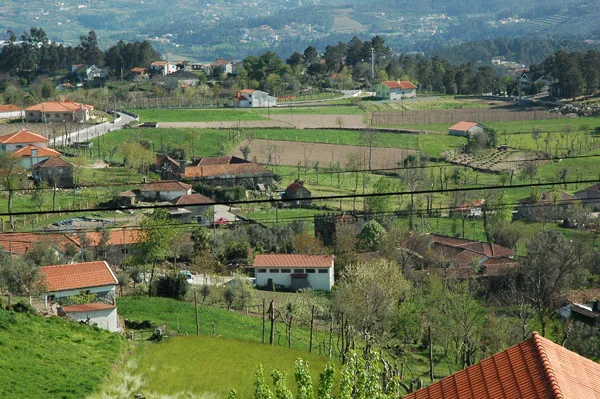
The Tower, fields and hills tell different parts of one story.
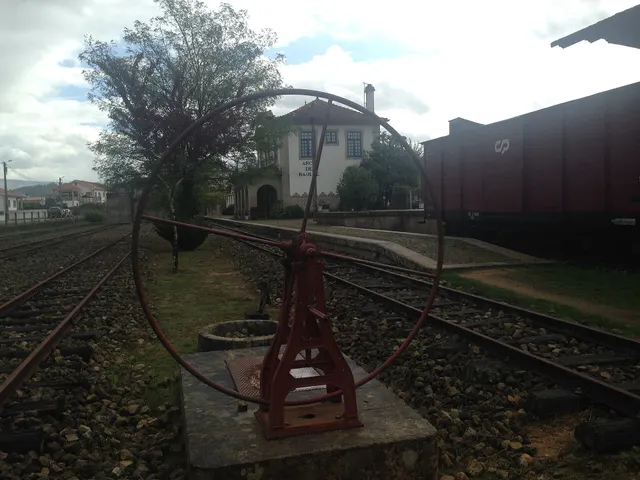
Inns, linen and small settlements animated an earlier landscape.
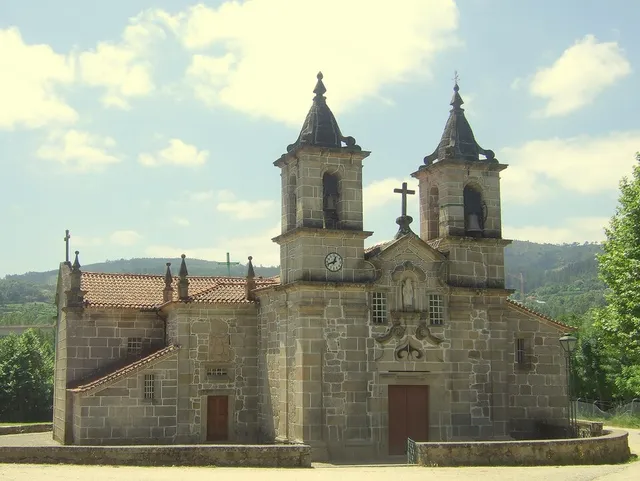
Processions, fairs and paths brought more than one parish together.
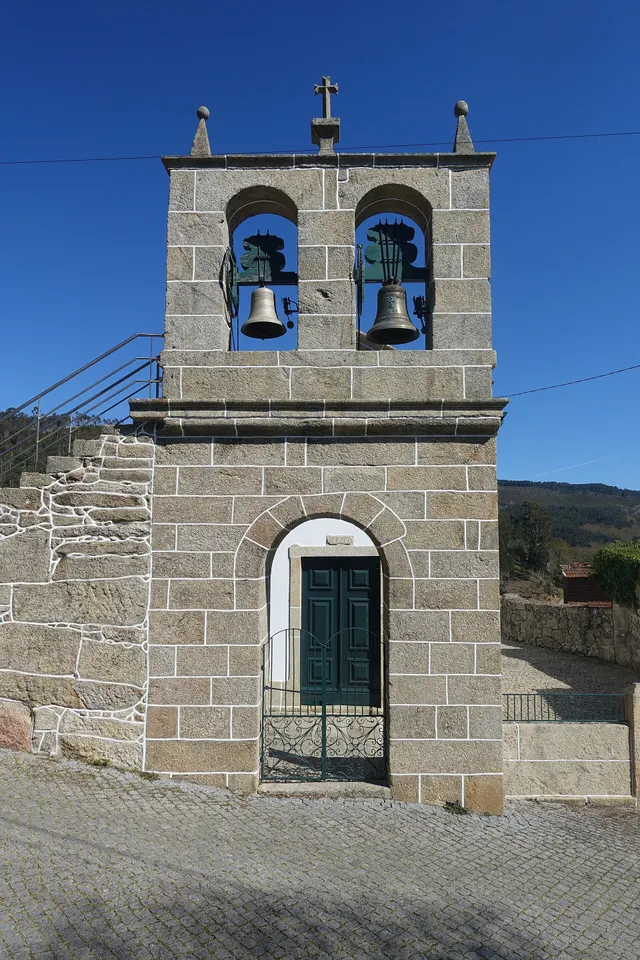
A wooden bridge opens a window onto life in 1758.
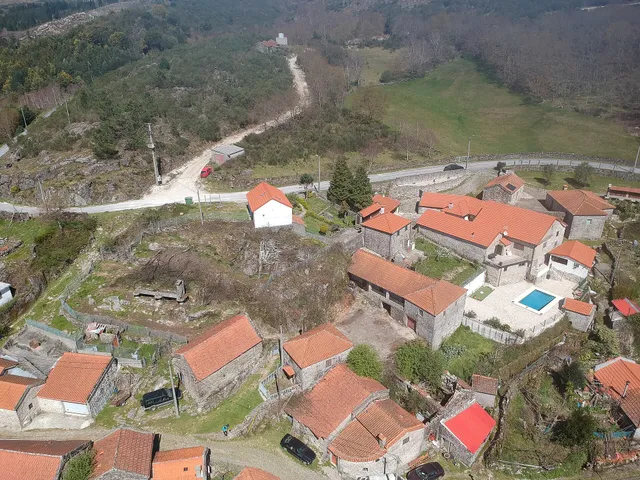
Grazing, water channels and bridges reveal life among the hills.
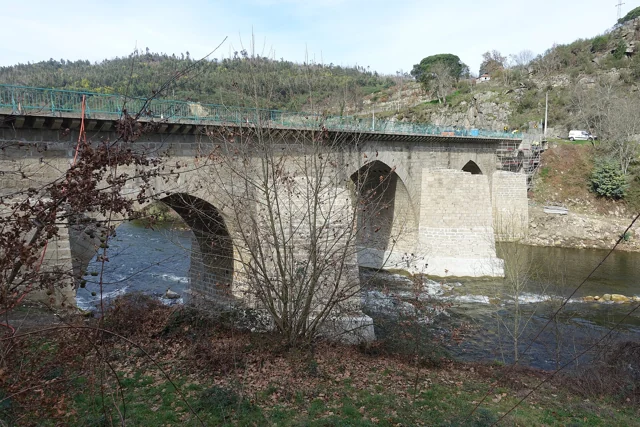
The parish’s past can also be told through what it produced.
Sixteen settlements and a church outside the village reveal an older landscape.
Old counts and a shared feast reveal different scales of community life.
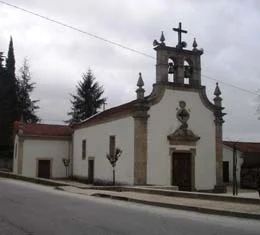
Ancient remains, a medieval image and houses beside the road.
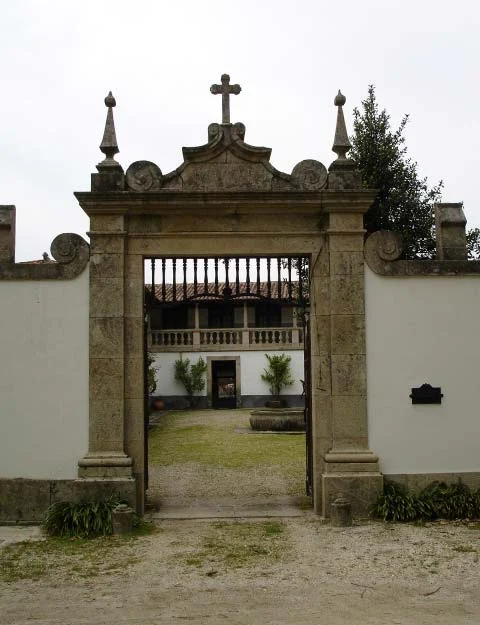
Pielas and Baltazar Castro open two windows onto the parish.
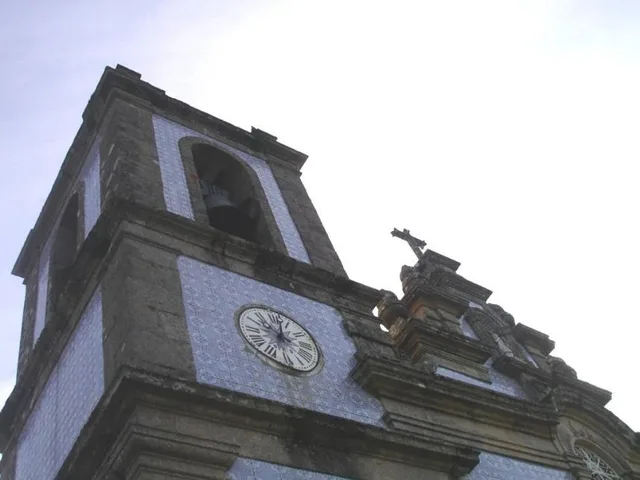
Local history has connections extending beyond the valley.
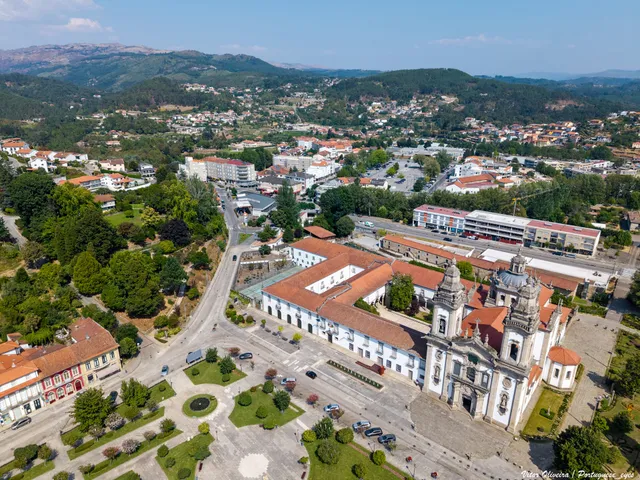
A sacristy, a fair and an abbot reveal the monastery from within.
Fifteen villages, nearby chapels and gatherings across parish boundaries.
Before screens, paths, fairs and post connected communities.
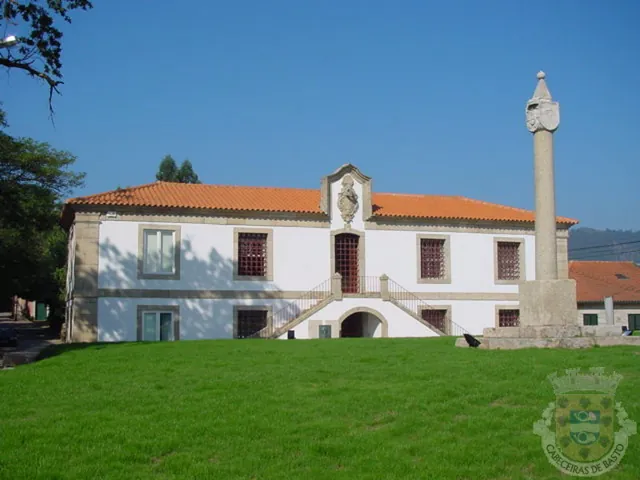
Since 1820, music has helped tell the story of Cabeceiras.
In 1971, Casa do Barão opened a new chapter in education.
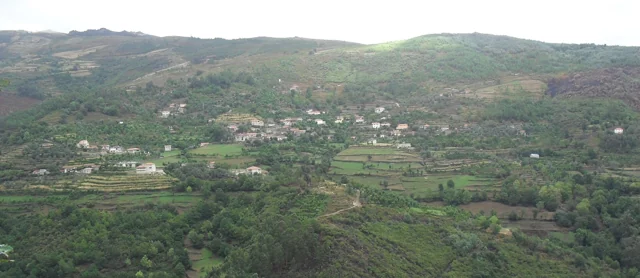
Two associations from the 1980s added other encounters to parish life.
A curiosity of this selection, at random.