Before the railway, a hillfort
Arco has a much older history too.
443 stories
Arco has a much older history too.
Rome also changed how land was occupied.
Casares lay on many people’s route.
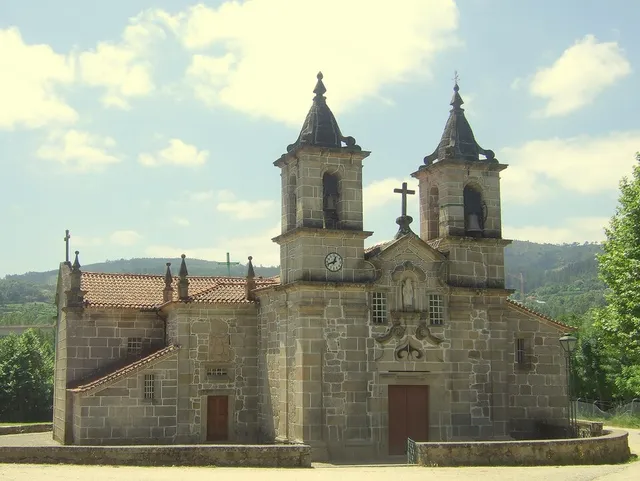
A celebration could bring the territory together.
In Eiró, the circular shape and ditch tell a story.
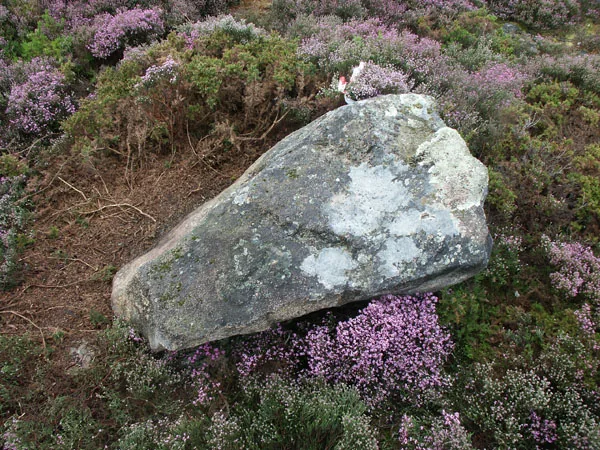
Marmoirais brings together ancient tombs and engravings.
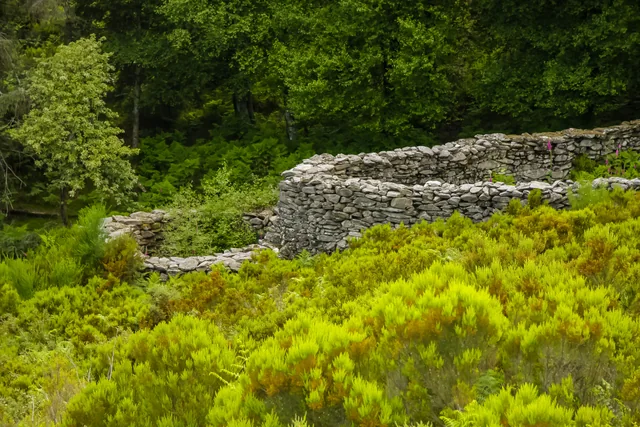
Uz’s wolf trap records old forms of defensive hunting.
In 1758, not every matter was decided by the same authority.
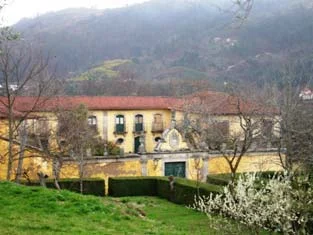
A chapel, a staircase and a gateway help us read architecture.
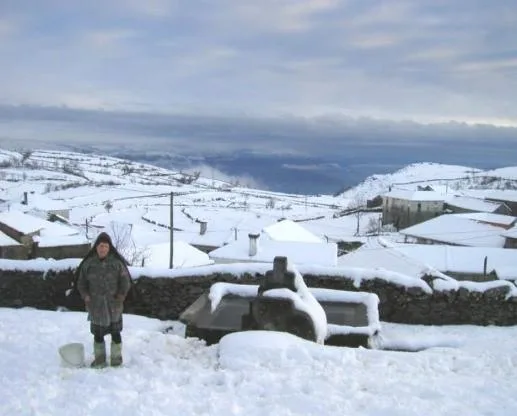
In Uz, materials also tell the mountains’ story.
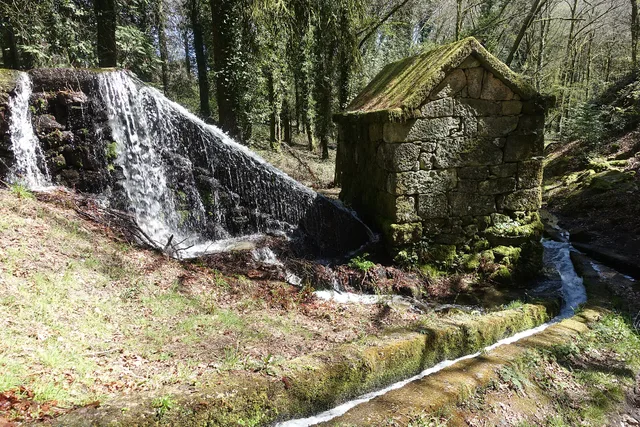
Moinhos de Rei preserves a story of water, grain and income.
Romanisation also changed the relationship between mountains and fields.
The 1258 royal inquiries record it as Pedraços.
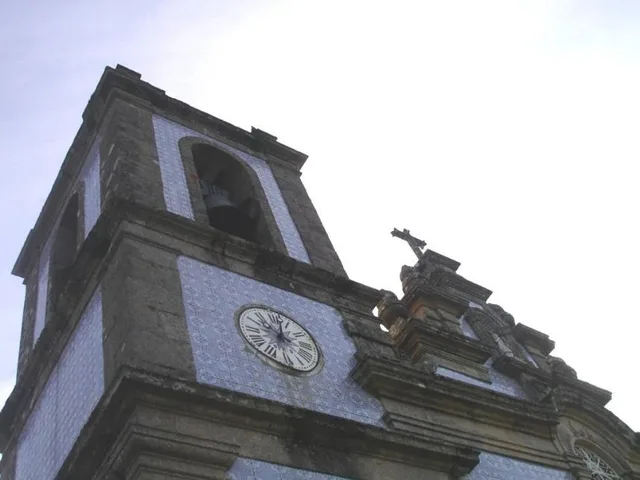
In 1758, choosing the parish priest involved a connection beyond the municipality.
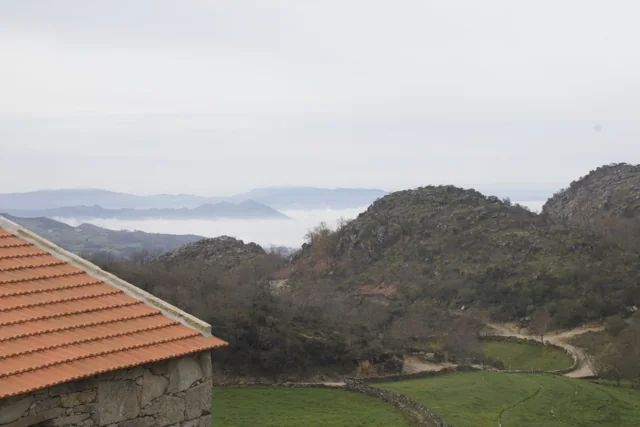
The Marcos do Touro help us read territorial boundaries.
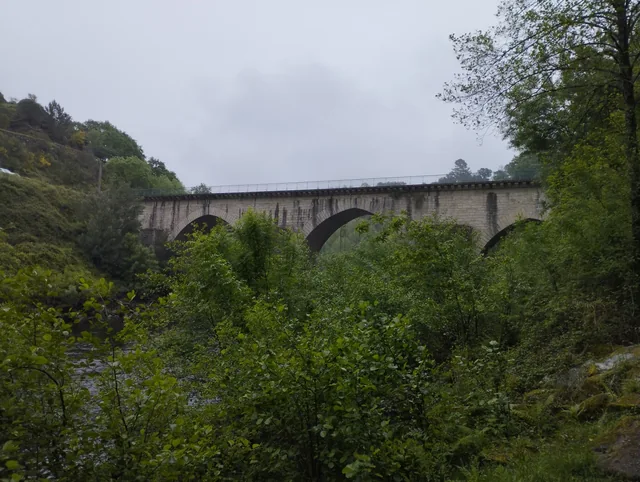
In 1758, Cavez’s Ponte Grande impressed the parish priest.
A gently rolling landscape on the municipality’s western edge.
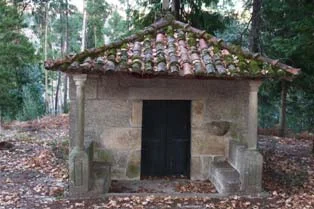
In Cimo de Vila, domestic and religious heritage meet.
In 1758, Painzela’s portrait counted households and people admitted to the sacraments.
Names preserve changes in the territory too.
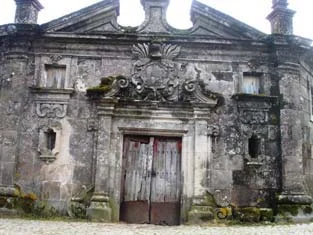
In Chouzas, the heritage of homes meets that of harvests.
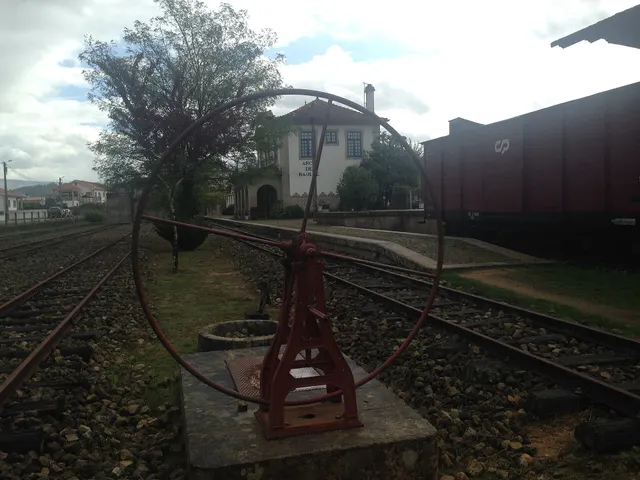
The station can also be read through its walls.
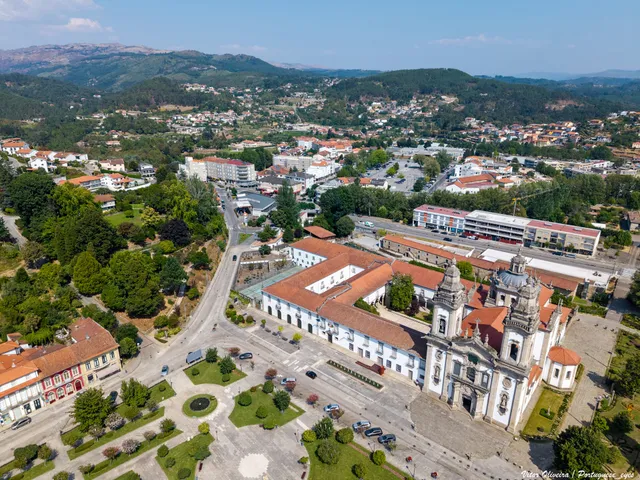
The high altar’s torch stands deserve a closer look.
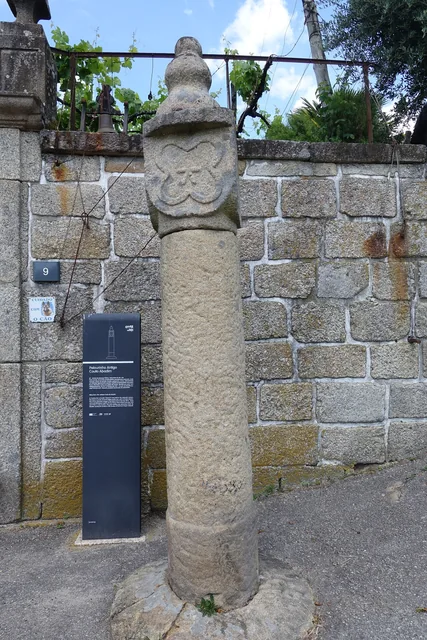
A small monument holds a history of autonomy.
A curiosity of this selection, at random.