Discover Cabeceiras de BastoFree independent guide
ViveCabeceirasYOUR GUIDE TO CABECEIRAS
ENEnglish
SearchSaved
8 STORIES · CONTINUOUS READING

Refojos: the various lives of the Monastery

Eight stories link the medieval community, the materials of the church, the cultivated fence and the new uses of the surroundings. Compares the organ, the choir and the Zimbabwe in the descriptions; follows the stream to the history of Casa do Tempo. Includes chronologies, photographs and activities.

All stories in the order of the route. You can print this page by the browser; sources and credits follow the reading.

Things to try5 activities · 8 interactive explorations · 3 questions
Refojos · medieval origins

A monastery older than certainty
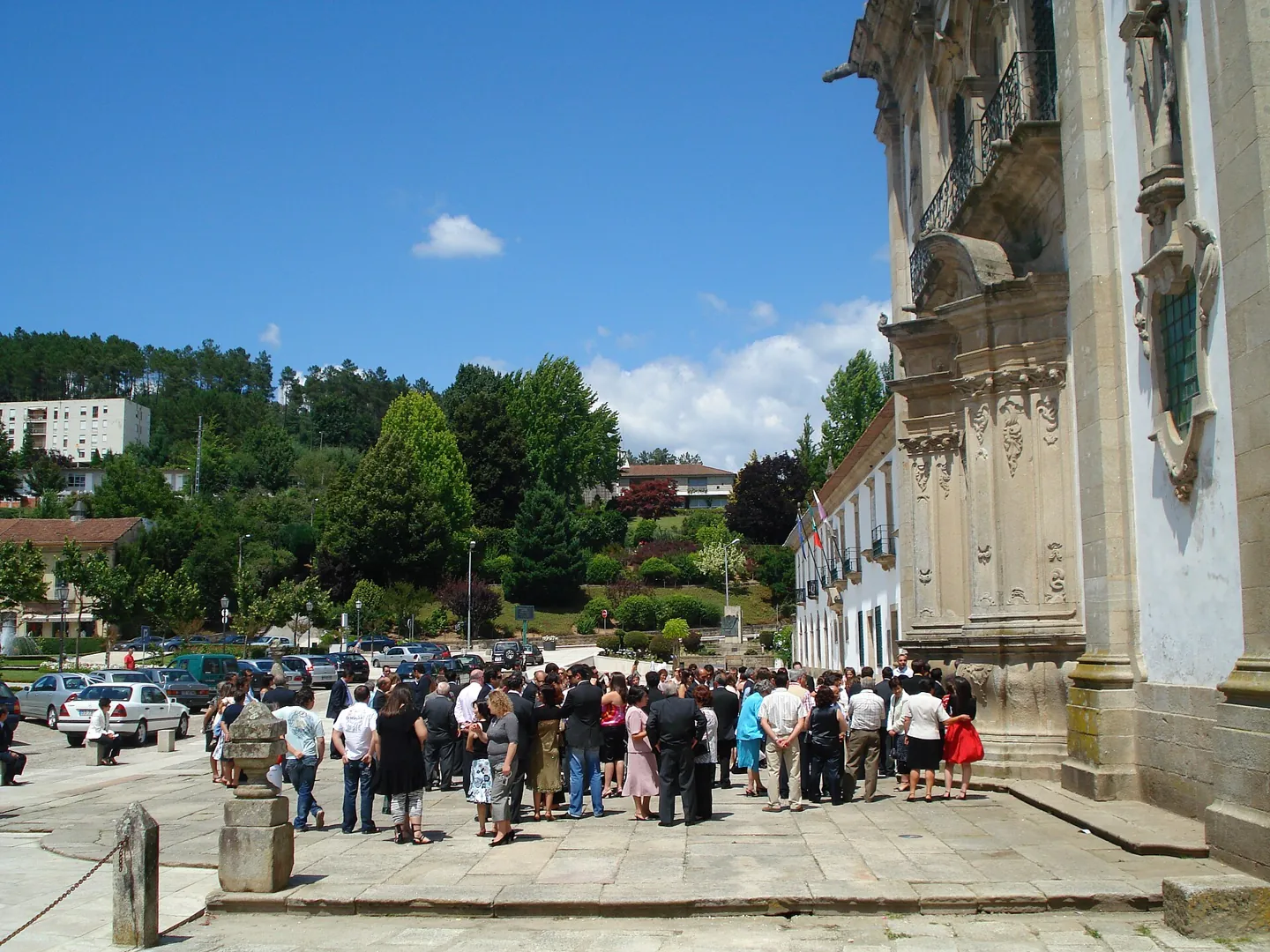
Detail of Refojos Monastery’s façade.
Ricardo Martins
ⓘ

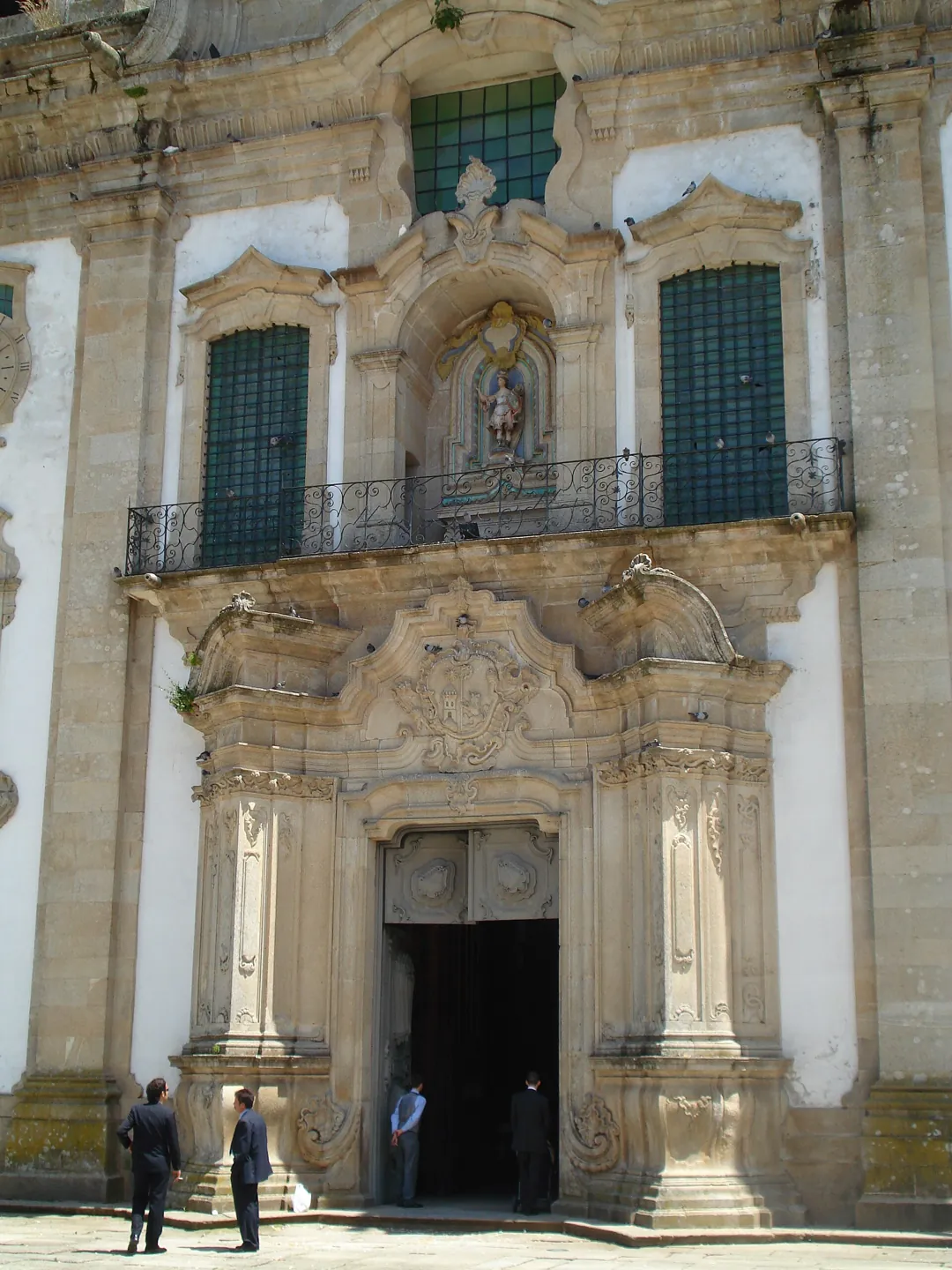
Detail of Refojos Monastery’s façade.

Photography: Ricardo Martins · CC BY 2.0

View source

Date given at source: .

Request removal or correct the photo credit

The surroundings of Refojos Monastery in an archive photograph.
Ricardo Martins
ⓘ

The surroundings of Refojos Monastery in an archive photograph.

Photography: Ricardo Martins · CC BY 2.0

View source

Date given at source: .

Request removal or correct the photo credit

Not every story begins with an exact date.

The Monastery of Refojos already existed in the early 12th century, but the municipal history does not establish its foundation date. It questions traditional attributions to Hermínio Fafes and Gomes Soeiro.

The source connects medieval patronage with noble families of the region. Keep two questions separate: when we know the monastery existed, and when it was founded. A documented date of existence does not, by itself, answer the second question.

A monastery, several stories

Open an option and choose the story.

  1. A link to the University of CoimbraBetween a monastery and a university →
  2. Wood that looks like marbleTwo organs, one of them mute →
  3. Land cultivated by the conventBeyond the church, a cultivated land →
  4. The building after the monksAfter the monks, other lives →
Choose between people, art, cultivation and new uses of the building. Each reading places its time and the source that documents it.
See Fact sheet: Mosteiro de São Miguel de Refojos
Source and context

Municipality — history and art of Mosteiro de São Miguel de Refojos

Accessed: . Editorial summary; the date of consultation is not the date of the facts.

Back to index ↑
Refojos · education and monastic life in the 16th century

Between a monastery and a university

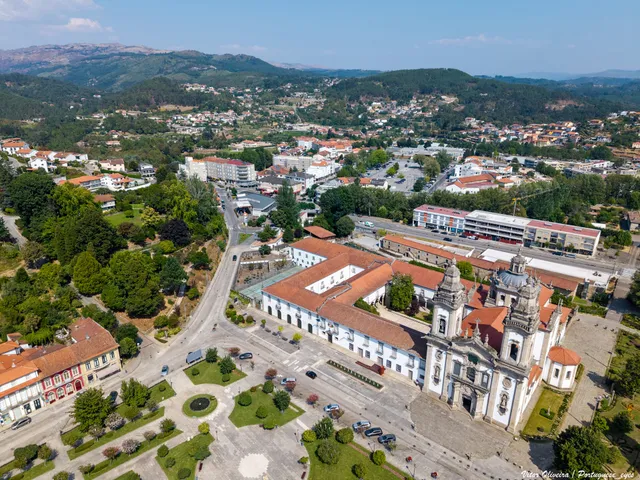
Aerial view of the Monastery of São Miguel and Praça da República in Refojos
Mosteiro de São Miguel de Refojos: the place connected to the abbot Frei Diogo de Murça. Photograph of the set, not of the reported season.© Vitor Oliveiraⓘ

Friar Diogo de Murça connects Refojos with academic life in Coimbra.

Abbot of Refojos and rector of the University of Coimbra, Friar Diogo de Murça wanted to use the Monastery’s revenues to establish two colleges in Coimbra: São Bento and São Jerónimo. The plan required the Monastery’s closure. Municipal documentation recounts the monks’ opposition and the abbot’s later reconsideration. This connection shows how decisions about Refojos formed part of a wider history of education and religious institutions.

The municipal account dates Pope Paul IV’s acceptance of the revised request to 1555: to keep the Monastery with twelve monks and a prior, instead of following the initial closure plan. The same source records Friar Diogo’s death in Refojos in 1570 and his burial in the Monastery.

A Reconsidered Plan

It opens every moment and discovers what the date represents.

  1. Before 1555 · The foreground

    Applying the rents to colleges in Coimbra meant extinguishing the Monastery.

  2. 1555 · Maintain and reform

    Paul IV accepts the new request for community conservation.

  3. 1570 · A life ending in Refojos

    The review places in the Monastery the death and grave of Frei Diogo.

Sequence of municipal review; the initial proposal does not receive here a date that the source does not fix.
See Fact sheet: Mosteiro de São Miguel de Refojos
Source and context

Municipality — proposal for a heritage registration of the Monastery, pp. 9 and 11; later uses in p. 11 (candidature document, not a UNESCO classification)

Municipality — History of the Monastery: Frei Diogo de Murça and the colleges of Coimbra

Accessed: . Editorial summary; the date of consultation is not the date of the facts.

Back to index ↑
Refojos · art and architecture

Two organs, one of them silent

Organ with tubes and golden cut, on carved figures and decorative faces.
View of the organ and the decoration that sustains it, photographed in 2016. The image does not determine which of the two organs is the mute.
Joseolgon
ⓘ

View of the organ and the decoration that sustains it, photographed in 2016. The image does not determine which of the two organs is the mute.

Photography: Joseolgon · CC BY-SA 4.0

View source

Date given at source: .

Request removal or correct the photo credit

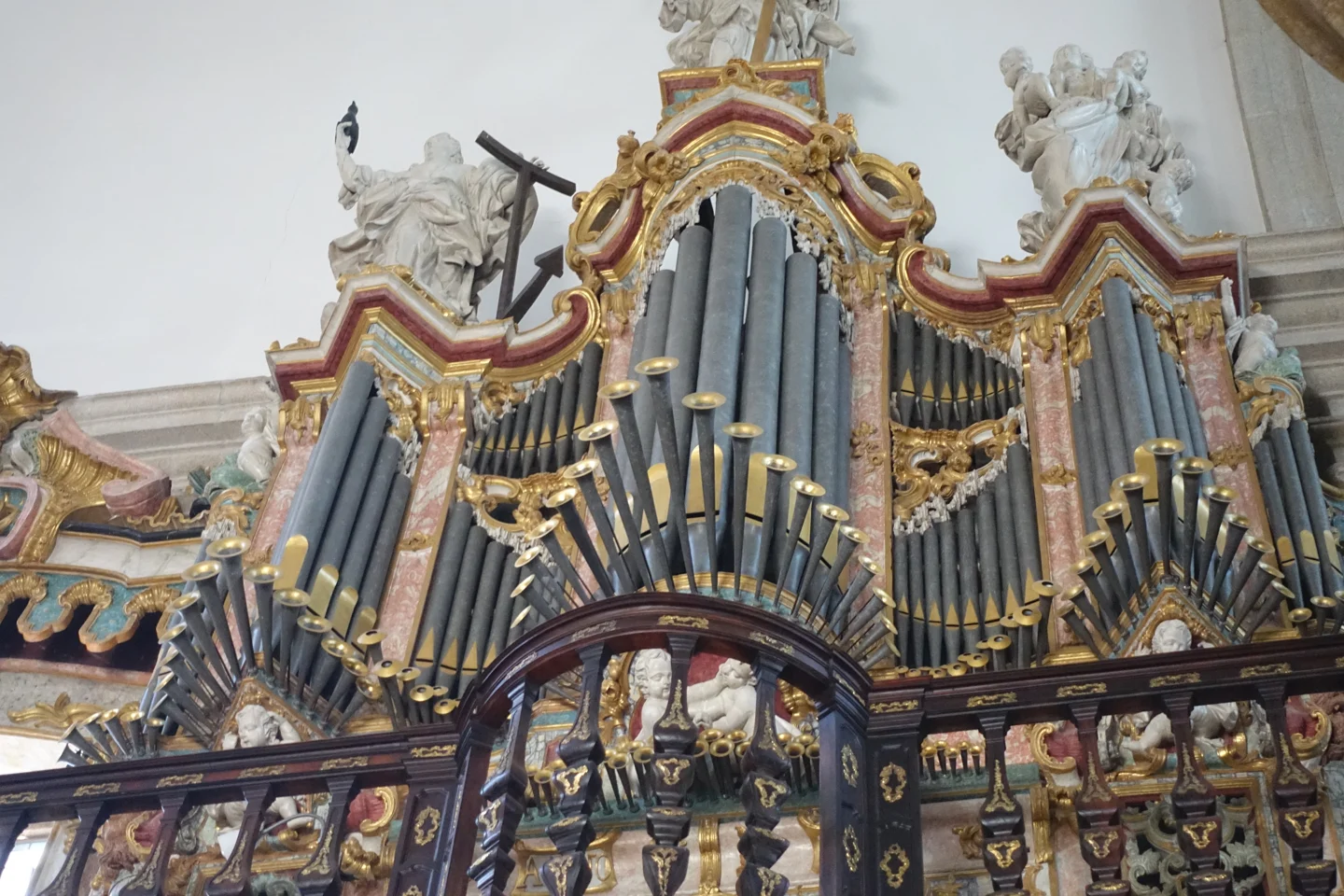
Organ tubes at different heights, surrounded by golden cut and light sculptures.
Details of the tubes, cut and sculptures of the organ in 2016.
Joseolgon
ⓘ

Details of the tubes, cut and sculptures of the organ in 2016.

Photography: Joseolgon · CC BY-SA 4.0

View source

Date given at source: .

Request removal or correct the photo credit

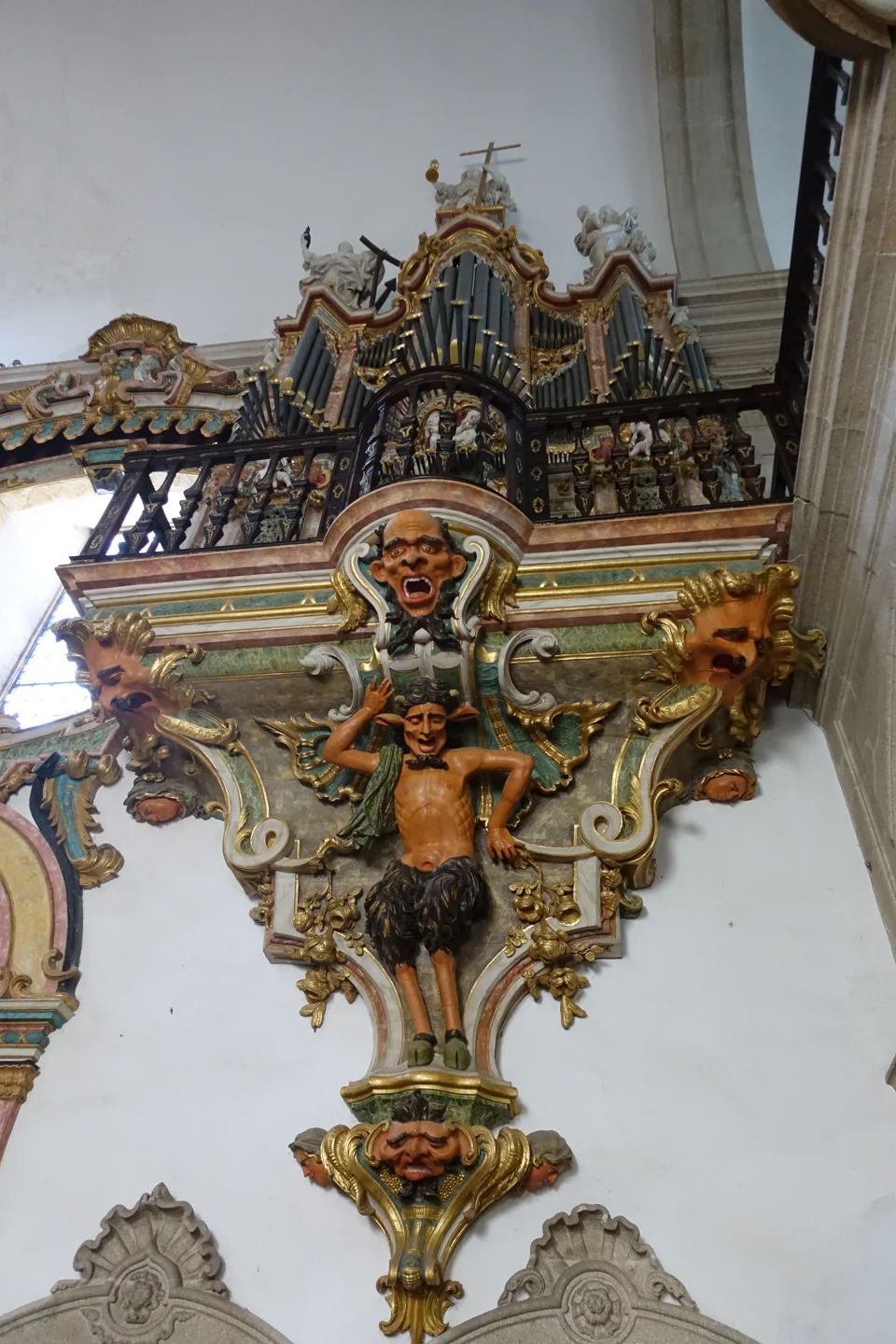
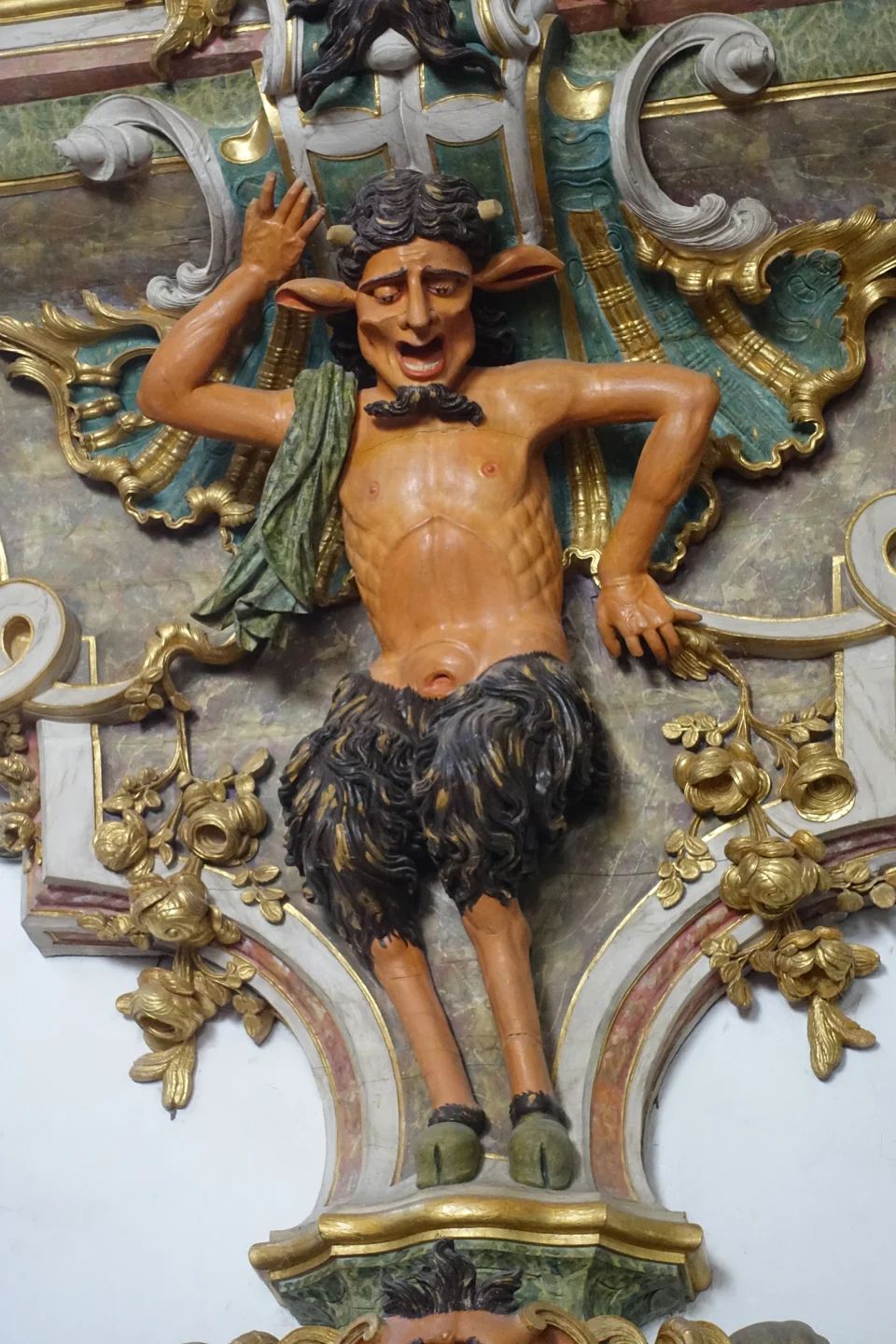
A figure carved with horns, pointed ears and fur-covered legs between golden elements.
Details of a figure carved under the organ in 2016.
Joseolgon
ⓘ

Details of a figure carved under the organ in 2016.

Photography: Joseolgon · CC BY-SA 4.0

View source

Date given at source: .

Request removal or correct the photo credit

An invitation to look beyond the façade.

The municipal description identifies two side organs, one of them silent. The church’s visual symmetry therefore does not correspond to two sounding instruments. Carved grotesque faces appear near the entrance; further inside, wood creates another surprise.

The two pulpits are chestnut wood painted to imitate marble and partly gilded. The source dates their making to 1777–1780 and their painting and gilding to 1786–1789. Form, material and finish tell different stages of the same work. This heritage description does not confirm the organ’s current operation.

The choir offers another reading of wood: the municipality describes chestnut stalls from 1767–1770, arranged in two tiers in a U shape. There are 45 seats, with the abbot’s place at the centre. The arrangement helps us imagine a gathered community rather than viewing each chair in isolation.

Above, the circular dome is accompanied by internal and external balconies. The description identifies the twelve apostles and Saint Michael at the top. From furniture to silhouette, the scale and viewpoint change. The photographs in this reading show organ details; they do not document every one of these elements.

The pulpits had more than one step.

It opens every moment and discovers what the date represents.

  1. 1777–1780 · Brown

    The description places the two pulpits in this range.

  2. 1786–1789 · Painting and browning

    The finish mimics marble and includes golden parts.

The dates are those of the municipal description of the pulpits, not those of the construction of the whole church or those of the organs.
See Fact sheet: Mosteiro de São Miguel de Refojos
Source and context

Municipality — history and art of Mosteiro de São Miguel de Refojos

Accessed: . Editorial summary; the date of consultation is not the date of the facts.

Back to index ↑
Refojos · sacristy furniture

Wood inside, shine outside

Aerial view of the Monastery of São Miguel de Refojos and its surroundings; the Núcleo de Arte Sacra is housed in this building.
Place linked to this story: Núcleo de Arte Sacra© Vitor Oliveiraⓘ

Sacristy furniture combines materials with different roles.

The municipal report on the 2014 restoration describes two large chests and two cabinets with chestnut structures, rosewood veneer and cut-brass decoration. The municipality identifies Braga woodcarver Agostinho Marques as the maker of this early-18th-century work. The contrast between wood and metal offers a clue for looking more closely at the furniture.

In 2014, restoration separated materials and tasks: the brass elements were removed for treatment, while the wood received work against insects and structural corrections. After cleaning and protection, the metal decoration returned to the furniture. The visible shine results from a series of care measures, not merely adding gold. This is the account of a professional intervention, not a suggestion for treatment at home.

Materials, appearance and conservation

Open an option and choose the story.

  1. Brown imitating marbleTwo organs, one of them mute →
  2. Other brass objectA dish that passed through centuries →
  3. What a restoration allows you to discoverWhat the frame hid →
It follows events through stories and sources. These links are proposed for reading, not physical paths.
Getting to know the parish See Fact sheet: Núcleo de Arte Sacra
Source and context

Municipality — Restoration of tokers and furniture, 14/11/2014

Accessed: . Editorial summary; the date of consultation is not the date of the facts.

Back to index ↑
Refojos · monastic landscape

Beyond the church, cultivated land

Aerial view of the Monastery of São Miguel and Praça da República in Refojos
View of the Monastery of Refojos and the urban surroundings. It is a context image, not a reconstruction of the cultivated fence.© Vitor Oliveiraⓘ

Vegetable gardens, orchards and medicinal plants formed part of the monastery grounds.

According to the municipal description of 2021, vegetable gardens, orchards, medicinal plants, fields and woods made up the former grounds of Refojos Monastery. Its pharmacy supplied other Benedictine monasteries, including Tibães. Beyond the church, there was land to cultivate and medicine to prepare. This is a historical portrait of the grounds, not an inventory of today’s plants.

The same description places the Penoutas stream beside and behind the monastery, near former agricultural buildings now adapted as museum spaces. Water and working buildings broaden the view: the story of the complex extends beyond worship.

The former grounds can no longer be read as one intact garden. The source draws attention to scattered traces. Distinguishing what the document describes from what a photograph shows is part of the discovery: a view of the square does not reconstruct vanished vegetable gardens, orchards or medicinal plants.

The fence continues in other stories

Open an option and choose the story.

  1. From agricultural activity to Casa do TempoA stream in the history of Casa do Tempo →
  2. Another garden where water organizes spaceThe water draws the garden of Piellas →
  3. The transformations after the monksAfter the monks, other lives →
It follows water, gardens and the adaptation of buildings through the fountains.
Getting to know the parish See Fact sheet: Mosteiro de São Miguel de Refojos
Source and context

Municipality — historical gardens, news of 21/05/2021

Accessed: . Editorial summary; the date of consultation is not the date of the facts.

Back to index ↑
Refojos · undated devotional memory

A small prayer card, a shared concern

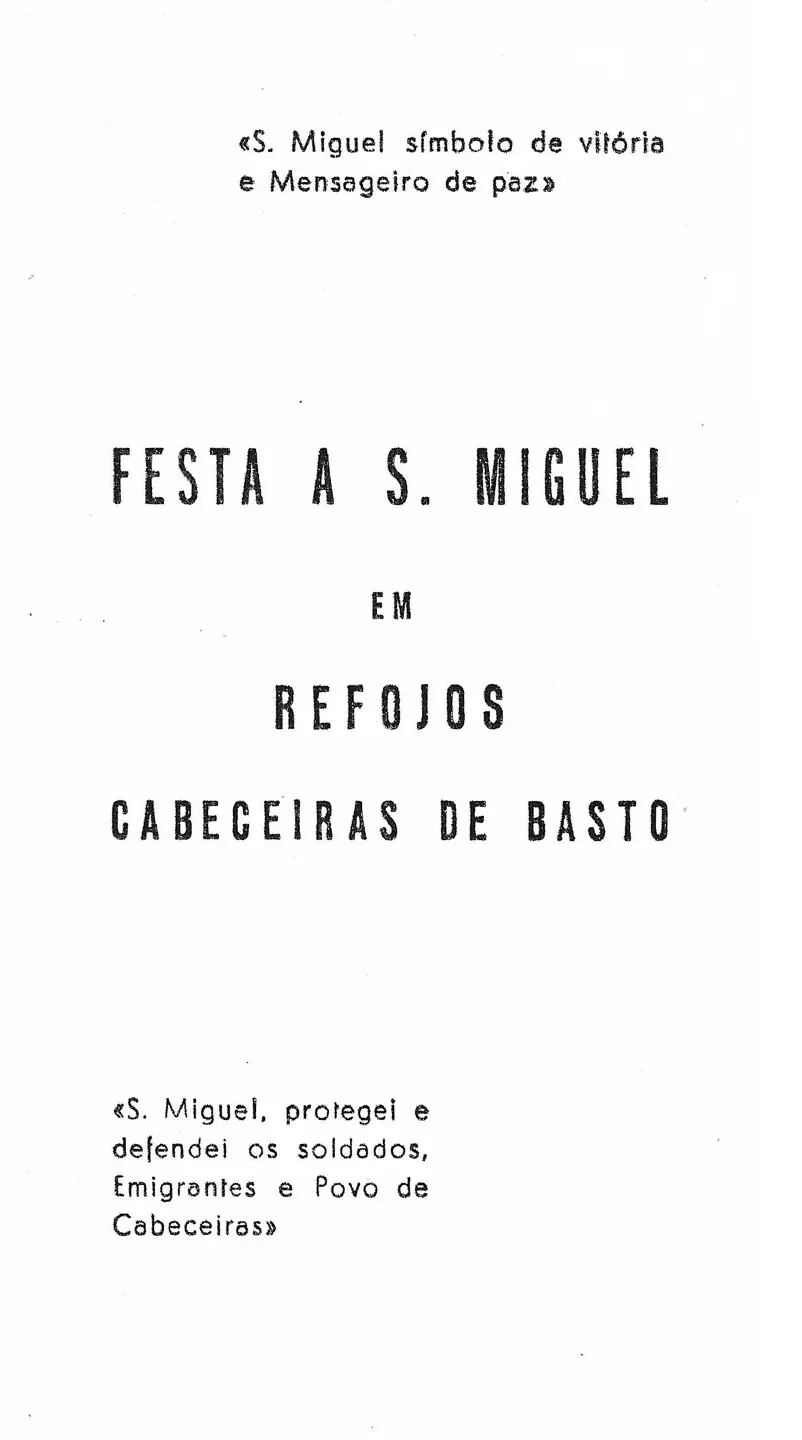
Saint Michael devotional card shared by the Museum in 2026; the object’s date is unidentified.
ⓘ

Saint Michael devotional card shared by the Museum in 2026; the object’s date is unidentified.

Source: Museu das Terras de Basto

View source

Photograph date not stated.

Individual photographer and reuse licence not stated by the source.

Request removal or correct the photo credit

Saint Michael devotional card shared by the Museum in 2026; the object’s date is unidentified.
ⓘ

Saint Michael devotional card shared by the Museum in 2026; the object’s date is unidentified.

Source: Museu das Terras de Basto

View source

Photograph date not stated.

Individual photographer and reuse licence not stated by the source.

Request removal or correct the photo credit

Devotion left traces on paper too.

A small devotional image can hold the concerns of an entire community. The Museu das Terras de Basto shared a prayer card prepared for the feast of São Miguel in Refojos, bearing this message: “Saint Michael, protect and defend the soldiers, emigrants and people of Cabeceiras.”

The reference to soldiers and emigrants also allows the object to be read through absence: the prayer includes those far away alongside Cabeceiras’s population. This is a suggested reading of the message, without attributing the piece to a war or migration wave that the source does not identify.

Two dates must not be confused. The Museum published the piece on 24 September 2026 and stated that it had been unable to identify the card’s own date. The object belongs to the celebration’s memory, but its year of production remains unknown.

The paper, the place and who left

Open an option and choose the story.

  1. Emigration in Player TestimonialsWhoever left also took the memory of the game →
  2. Back to the History of the MonasteryAn older monastery than certainty →
  3. Discover other uses of the buildingAfter the monks, other lives →
Three entries to explore the memory of Refojos and Bucos.
Source and context

Basto Land Museum — Pagela de S. Miguel Archangel, 24/09/2026

Accessed: . Editorial summary; the date of consultation is not the date of the facts.

Back to index ↑
Refojos · changes in the 19th and 20th centuries

After the monks, new lives

Detail of Refojos Monastery’s façade.
Ricardo Martins
ⓘ

Detail of Refojos Monastery’s façade.

Photography: Ricardo Martins · CC BY 2.0

View source

Date given at source: .

Request removal or correct the photo credit

The surroundings of Refojos Monastery in an archive photograph.
Ricardo Martins
ⓘ

The surroundings of Refojos Monastery in an archive photograph.

Photography: Ricardo Martins · CC BY 2.0

View source

Date given at source: .

Request removal or correct the photo credit

The town hall and school belong to the building’s history too.

The dissolution of religious orders in 1834 changed the future of the Refojos complex, while the church retained its religious role. According to the municipal heritage nomination proposal, João António Fernandes Basto bought the Monastery at public auction between 1838 and 1842. In the 19th century, the complex also housed municipal services; in 1944, another part became a boarding school. Looking at the complex also reveals how old buildings were adapted for administration and education.

The document places the arrival of municipal services in the cloisters around 1855. For the school area, it records another change of ownership in 1959, to the Seminário Conciliar de Braga. The complex therefore did not have a single future after 1834: its different parts followed their own stories. The heritage proposal serves here as a historical source; it does not establish UNESCO designation or confirm the current use of each space.

The building changed its life by stages

It opens every moment and discovers what the date represents.

  1. 1834 · End of monastic community

    The church maintains religious function.

  2. 1838–1842 · Acquisition in public auction

    João António Fernandes Basto acquires the Monastery.

  3. Around 1855 · Municipal services

    The cloisters welcome the House.

  4. 1944 · Education and boarding

    Another part gets a college.

  5. 1959 · Change of ownership

    The school area passes to the Conciliar Seminary of Braga.

Chronology according to the municipal proposal; the date of the cloisters is approximate.
See Fact sheet: Mosteiro de São Miguel de Refojos
Source and context

Municipality — proposal for a heritage registration of the Monastery, pp. 9 and 11; later uses in p. 11 (candidature document, not a UNESCO classification)

Basto Land Museum — The place of the Pereiras of Refojos de Basto, 28/07/2024

Accessed: . Editorial summary; the date of consultation is not the date of the facts.

Back to index ↑
Refojos · opening in 2013 and urban transformation

A stream in the story of Casa do Tempo

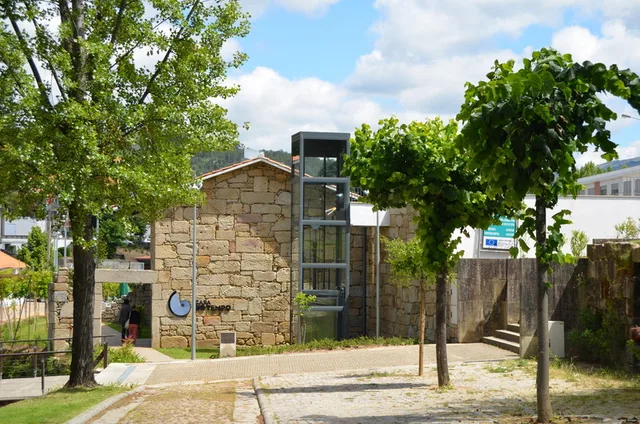
Exterior view: Casa do Tempo.
Outside the Casa do Tempo; the photograph does not show the river of Penoutas.ⓘ

Renewing the town centre also involved water.

Casa do Tempo opened on 2 August 2013 beside the Monastery of Refojos. In the municipal description, restoring former tenant farmers’ houses belonged to a wider transformation: linking Praça da República with newer parts of town, creating green spaces and improving the banks of the Penoutas stream. The interpretation centre therefore brings two stories together: Cabeceiras’s memory and the changing urban landscape.

The municipality describes acquiring some of the vacant houses and the negotiations preceding the work. Reusing buildings and transforming their surroundings appear as parts of one project rather than separate stories.

The centre’s multimedia component was presented as a way to explore territory, people, nature, customs and everyday practices. The stream is therefore more than scenery: it belongs to the story of how this part of town gained new functions. For planning a visit, the place profile brings together available practical information.

Memory, buildings and water

Open an option and choose the story.

  1. The different lives of the monasteryAfter the monks, other lives →
  2. The lands beyond the churchBeyond the church, a cultivated land →
  3. The care of the stream in 2026Clearing a stream is also knowing what is →
Three perspectives on the transformation of the village center.
See Fact sheet: Casa do Tempo
Source and context

Municipality — Casa do Tempo: opening in 2013 and requalification of the surroundings

Accessed: . Editorial summary; the date of consultation is not the date of the facts.

Back to index ↑
YOUR LOCAL GUIDE

What would you like to discover?

Take a closer look.