Discover Cabeceiras de BastoFree independent guide
ViveCabeceirasYOUR GUIDE TO CABECEIRAS
ENEnglish
SearchSaved
8 STORIES · CONTINUOUS READING

People, books and new lives

Books, people and a medieval chalice connect Refojos to other cities. Discover the decor of the piece, the difference between the donor and the goldsmith and their journey to Coimbra, before returning to the new lives of the monastery and to the names of the streets.

All stories in the order of the route. You can print this page by the browser; sources and credits follow the reading.

Things to try2 activities · 2 interactive explorations · 6 questions
Cabeceiras de Basto · literary references

Discover Cabeceiras in books too

Camilo and Sá de Miranda offer clues for another journey.

The municipality’s historical account associates Cabeceiras with Sá de Miranda’s Carta a D. António Pereira and points to references to the municipality in Camilo Castelo Branco’s A Bruxa de Monte Córdova and Noites de Lamego. These reading clues invite you to explore how a territory enters literature. A literary reference is not equivalent to a documentary account: characters, places and events should be read in the context of each work.

Source and context

Municipality — historical review: literary references

Accessed: . Editorial summary; the date of consultation is not the date of the facts.

Back to index ↑
Refojos · education and monastic life in the 16th century

Between a monastery and a university

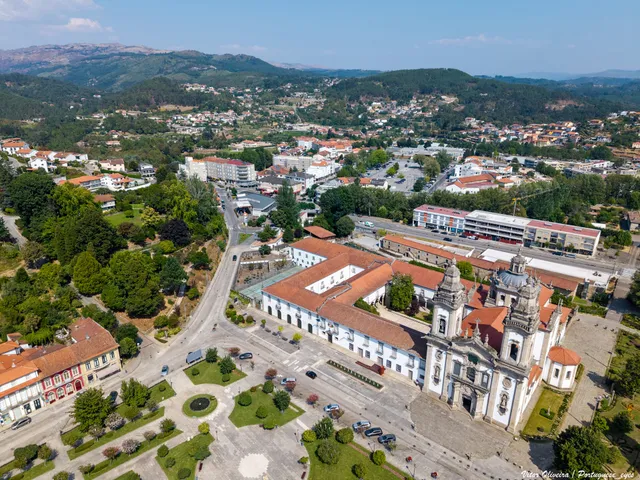
Aerial view of the Monastery of São Miguel and Praça da República in Refojos
Mosteiro de São Miguel de Refojos: the place connected to the abbot Frei Diogo de Murça. Photograph of the set, not of the reported season.© Vitor Oliveiraⓘ

Friar Diogo de Murça connects Refojos with academic life in Coimbra.

Abbot of Refojos and rector of the University of Coimbra, Friar Diogo de Murça wanted to use the Monastery’s revenues to establish two colleges in Coimbra: São Bento and São Jerónimo. The plan required the Monastery’s closure. Municipal documentation recounts the monks’ opposition and the abbot’s later reconsideration. This connection shows how decisions about Refojos formed part of a wider history of education and religious institutions.

The municipal account dates Pope Paul IV’s acceptance of the revised request to 1555: to keep the Monastery with twelve monks and a prior, instead of following the initial closure plan. The same source records Friar Diogo’s death in Refojos in 1570 and his burial in the Monastery.

A Reconsidered Plan

It opens every moment and discovers what the date represents.

  1. Before 1555 · The foreground

    Applying the rents to colleges in Coimbra meant extinguishing the Monastery.

  2. 1555 · Maintain and reform

    Paul IV accepts the new request for community conservation.

  3. 1570 · A life ending in Refojos

    The review places in the Monastery the death and grave of Frei Diogo.

Sequence of municipal review; the initial proposal does not receive here a date that the source does not fix.
See Fact sheet: Mosteiro de São Miguel de Refojos
Source and context

Municipality — proposal for a heritage registration of the Monastery, pp. 9 and 11; later uses in p. 11 (candidature document, not a UNESCO classification)

Municipality — History of the Monastery: Frei Diogo de Murça and the colleges of Coimbra

Accessed: . Editorial summary; the date of consultation is not the date of the facts.

Back to index ↑
Refojos · provenance of an object kept in Coimbra

A chalice full of figures

Aerial view of the Monastery of São Miguel and Praça da República in Refojos
Place linked to this story: Mosteiro de São Miguel de Refojos© Vitor Oliveiraⓘ

A small silver-gilt object preserves a medieval connection to Refojos.

The Museu Nacional de Machado de Castro identifies this 12th-century chalice as a gift from Gueda Mendes to the Monastery of São Miguel de Refojos. Its decoration invites a closer look in stages: Christ and the Apostles appear on the cup beneath rounded arches; the base bears the symbols of the four evangelists. The catalogue lists the maker as unknown and places the object in Coimbra. Learning its provenance reveals heritage connected with Cabeceiras that is kept outside the municipality.

See Fact sheet: Mosteiro de São Miguel de Refojos
Source and context

Machado de Castro National Museum — Cup, collection form at Google Arts & Culture

Accessed: . Editorial summary; the date of consultation is not the date of the facts.

Back to index ↑
Refojos · historical interpretation of a medieval gift

The donor is not necessarily the maker

Aerial view of the Monastery of São Miguel and Praça da República in Refojos
Place linked to this story: Mosteiro de São Miguel de Refojos© Vitor Oliveiraⓘ

An inscription can give historians work too.

The study published in Portvgalia in 1995 explains an old misunderstanding: Gueda Mendes was taken to be a goldsmith, whereas the inscription should be understood as referring to the person who commissioned the object. The chalice is associated with 1152, but the study does not confirm whether the donor was still alive then or whether the commission fulfilled a provision in his will. The object’s history therefore includes both established facts and open questions.

See Fact sheet: Mosteiro de São Miguel de Refojos
Source and context

Portvgalia, new series, volume XVI (1995) — study of medieval goldsmithry, analysis of the cup of Refojos

Machado de Castro National Museum — Cup, collection form at Google Arts & Culture

Accessed: . Editorial summary; the date of consultation is not the date of the facts.

Back to index ↑
Refojos and Coimbra · the chalice’s historical journey

From Refojos to Coimbra, a story on the move

Aerial view of the Monastery of São Miguel and Praça da República in Refojos
Place linked to this story: Mosteiro de São Miguel de Refojos© Vitor Oliveiraⓘ

Objects also pass through institutional changes.

According to the 1995 study, the chalice remained in Refojos until the mid-16th century, then went to the Colégio de São Bento in Coimbra in the context of Friar Diogo de Murça’s activities. After the dissolution of religious orders in 1834, it passed to the Treasury of Coimbra Cathedral. The Museu Machado de Castro’s catalogue documents its present connection with the collection. This journey adds a material history to the relationship between Refojos and Coimbra.

See Fact sheet: Mosteiro de São Miguel de Refojos
Source and context

Portvgalia, new series, volume XVI (1995) — study of medieval goldsmithry, analysis of the cup of Refojos

Machado de Castro National Museum — Cup, collection form at Google Arts & Culture

Accessed: . Editorial summary; the date of consultation is not the date of the facts.

Back to index ↑
Refojos · changes in the 19th and 20th centuries

After the monks, new lives

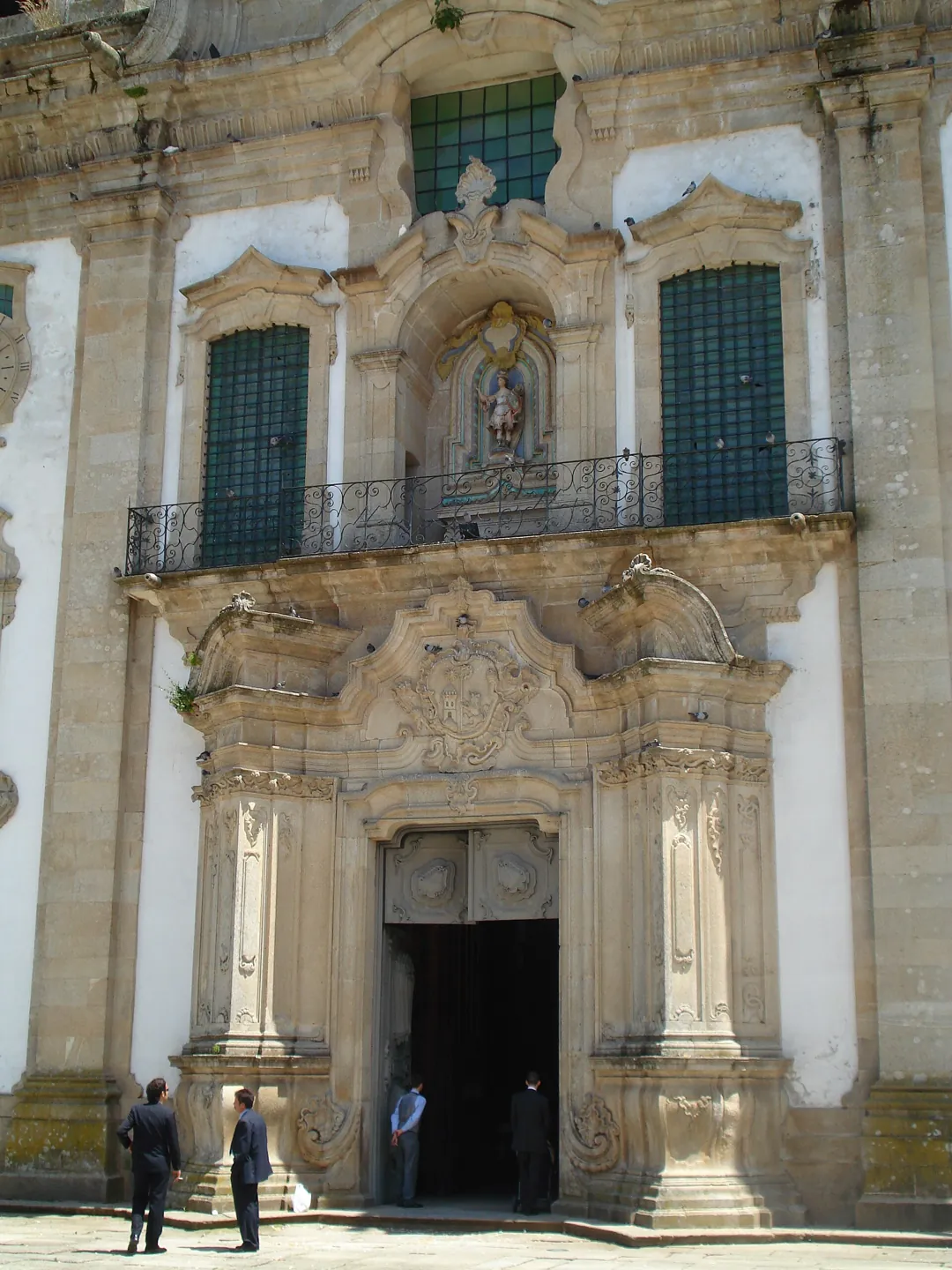
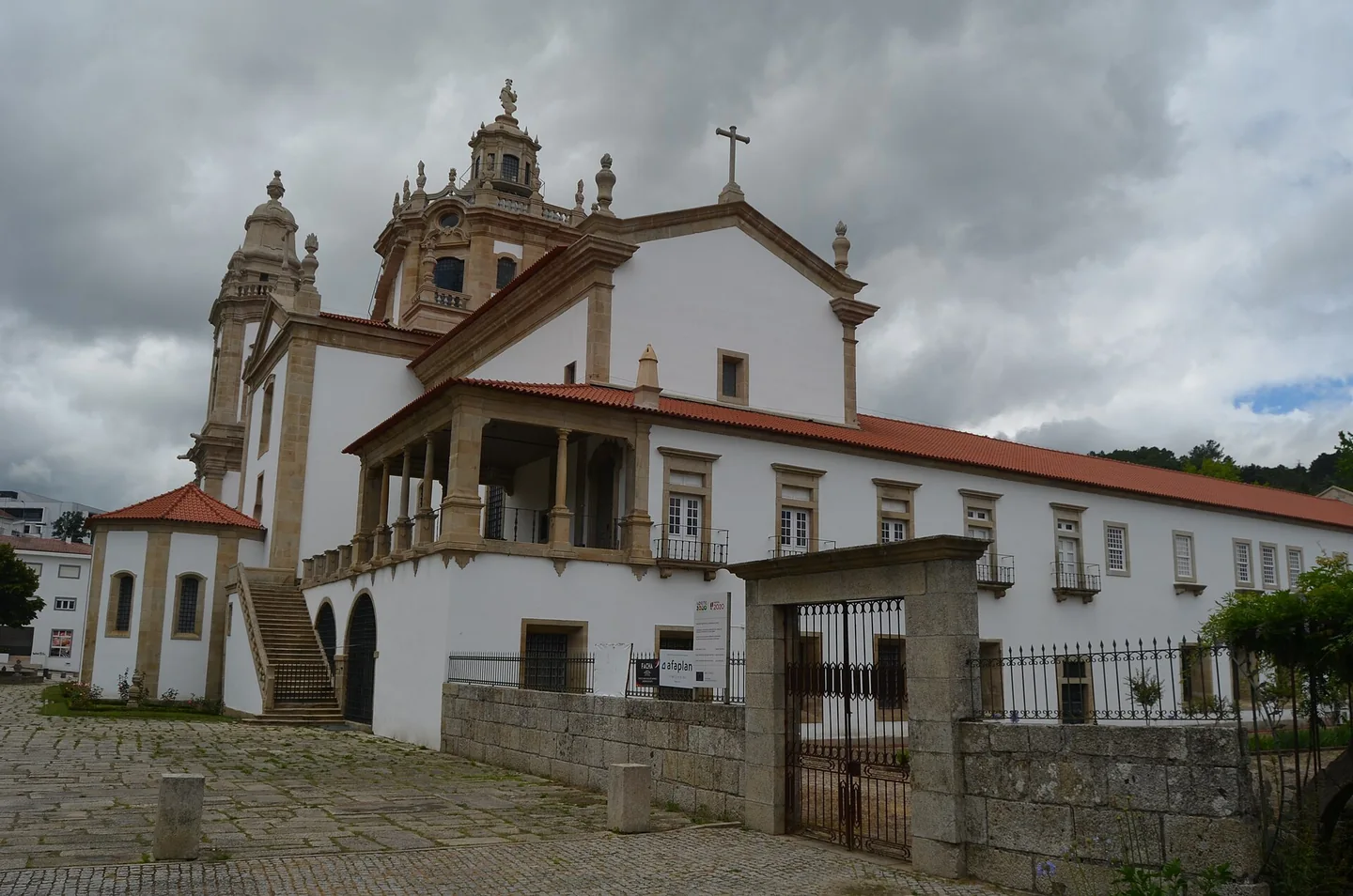
Detail of Refojos Monastery’s façade.
Ricardo Martins
ⓘ

Detail of Refojos Monastery’s façade.

Photography: Ricardo Martins · CC BY 2.0

View source

Date given at source: .

Request removal or correct the photo credit

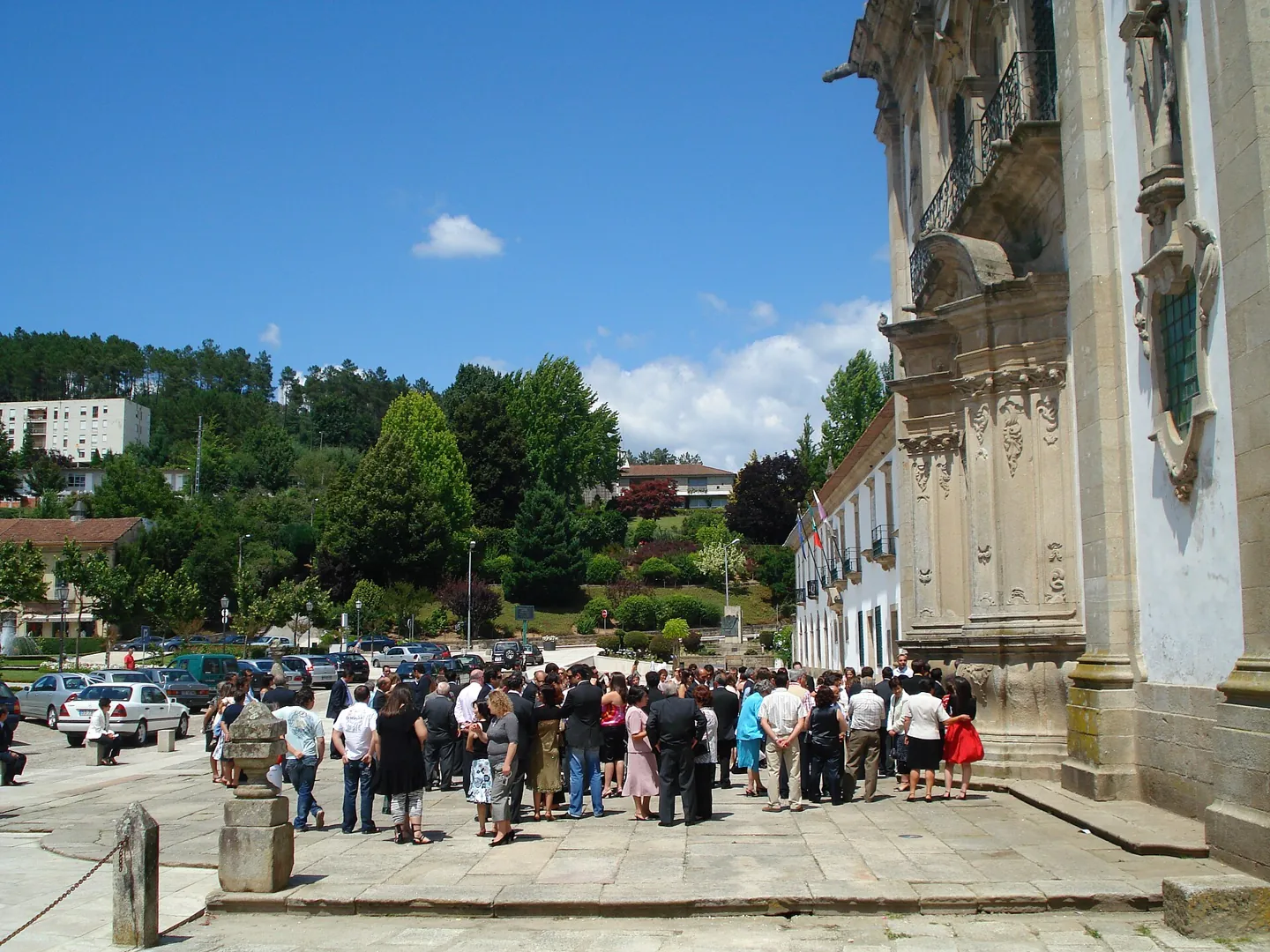
The surroundings of Refojos Monastery in an archive photograph.
Ricardo Martins
ⓘ

The surroundings of Refojos Monastery in an archive photograph.

Photography: Ricardo Martins · CC BY 2.0

View source

Date given at source: .

Request removal or correct the photo credit

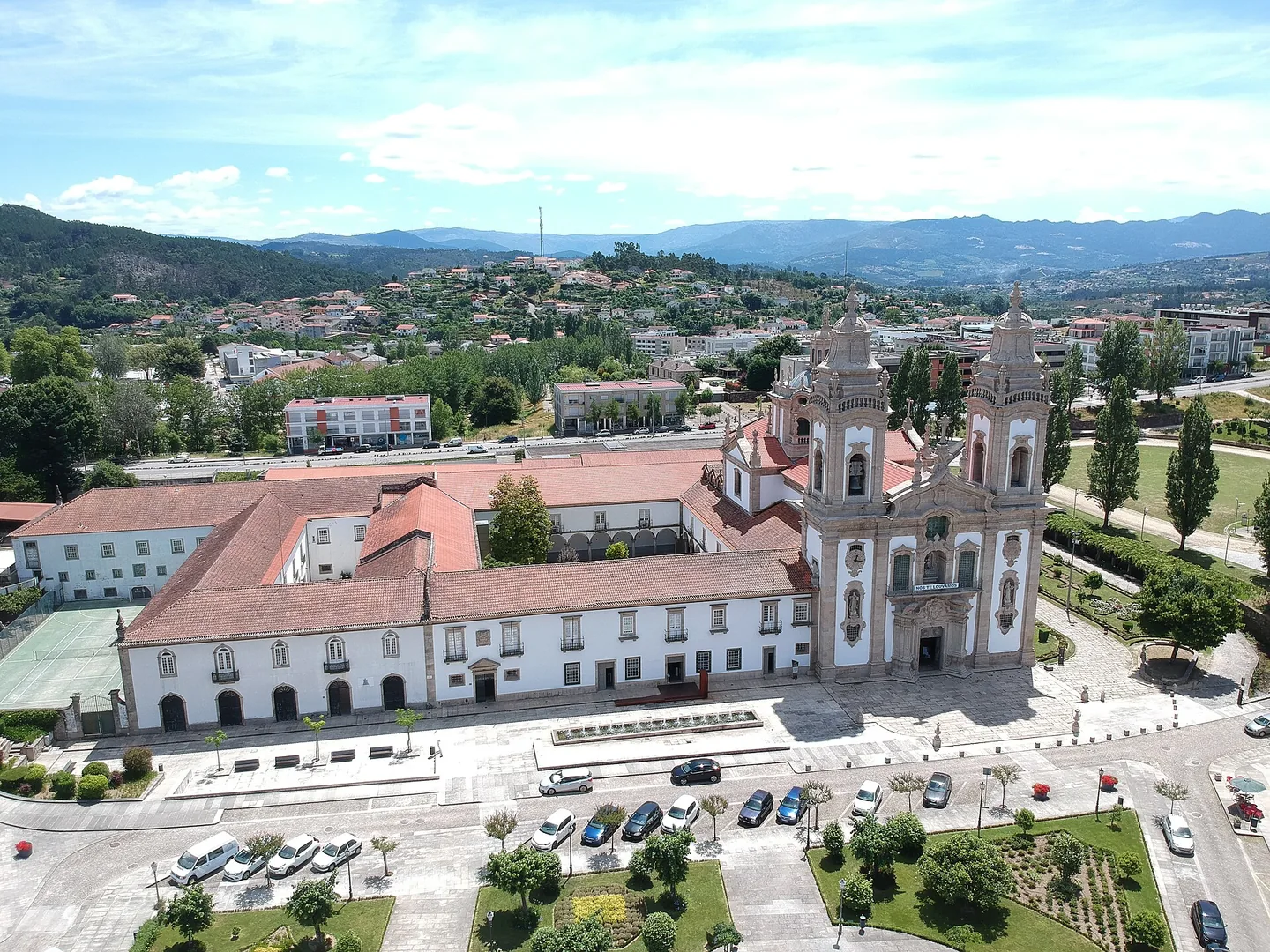
Aerial view of Refojos Monastery and the town.
Joseolgon
ⓘ

Aerial view of Refojos Monastery and the town.

Photography: Joseolgon · CC BY-SA 4.0

View source

Date given at source: .

Request removal or correct the photo credit

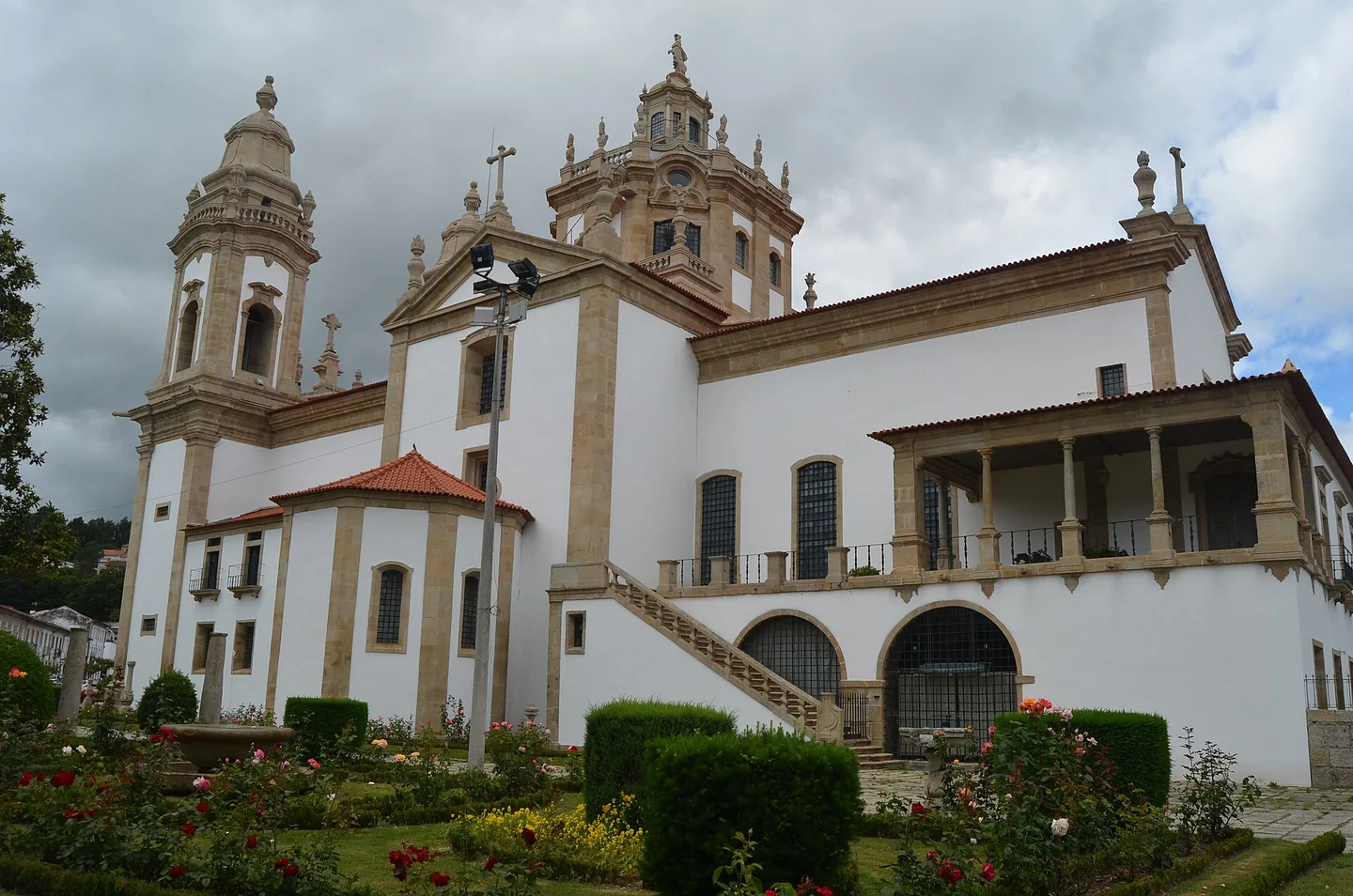
Refojos Monastery and houses seen from the side.
Pedro from Maia (Porto), Portugal
ⓘ

Refojos Monastery and houses seen from the side.

Photography: Pedro from Maia (Porto), Portugal · CC BY 2.0

View source

Date given at source: .

Request removal or correct the photo credit

Garden and buildings at Refojos Monastery.
Pedro from Maia (Porto), Portugal
ⓘ

Garden and buildings at Refojos Monastery.

Photography: Pedro from Maia (Porto), Portugal · CC BY 2.0

View source

Date given at source: .

Request removal or correct the photo credit

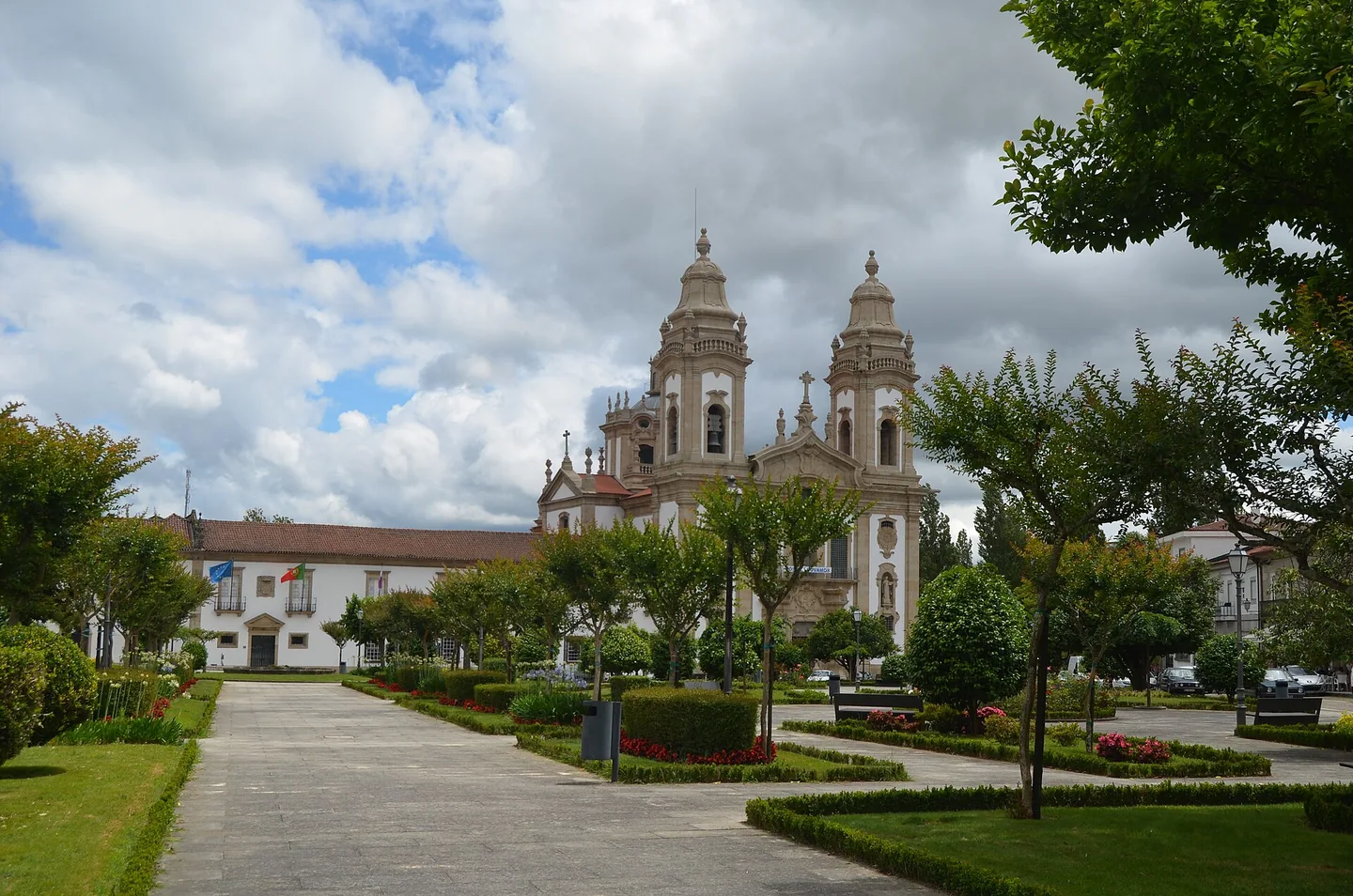
Garden in front of Refojos Monastery.
Pedro from Maia (Porto), Portugal
ⓘ

Garden in front of Refojos Monastery.

Photography: Pedro from Maia (Porto), Portugal · CC BY 2.0

View source

Date given at source: .

Request removal or correct the photo credit

The town hall and school belong to the building’s history too.

The dissolution of religious orders in 1834 changed the future of the Refojos complex, while the church retained its religious role. According to the municipal heritage nomination proposal, João António Fernandes Basto bought the Monastery at public auction between 1838 and 1842. In the 19th century, the complex also housed municipal services; in 1944, another part became a boarding school. Looking at the complex also reveals how old buildings were adapted for administration and education.

The document places the arrival of municipal services in the cloisters around 1855. For the school area, it records another change of ownership in 1959, to the Seminário Conciliar de Braga. The complex therefore did not have a single future after 1834: its different parts followed their own stories. The heritage proposal serves here as a historical source; it does not establish UNESCO designation or confirm the current use of each space.

The building changed its life by stages

It opens every moment and discovers what the date represents.

  1. 1834 · End of monastic community

    The church maintains religious function.

  2. 1838–1842 · Acquisition in public auction

    João António Fernandes Basto acquires the Monastery.

  3. Around 1855 · Municipal services

    The cloisters welcome the House.

  4. 1944 · Education and boarding

    Another part gets a college.

  5. 1959 · Change of ownership

    The school area passes to the Conciliar Seminary of Braga.

Chronology according to the municipal proposal; the date of the cloisters is approximate.
See Fact sheet: Mosteiro de São Miguel de Refojos
Source and context

Municipality — proposal for a heritage registration of the Monastery, pp. 9 and 11; later uses in p. 11 (candidature document, not a UNESCO classification)

Basto Land Museum — The place of the Pereiras of Refojos de Basto, 28/07/2024

Accessed: . Editorial summary; the date of consultation is not the date of the facts.

Back to index ↑
Refojos · municipal street-naming decision, 2020

A street sign can open a story

Detail of Refojos Monastery’s façade.
Ricardo Martins
ⓘ

Detail of Refojos Monastery’s façade.

Photography: Ricardo Martins · CC BY 2.0

View source

Date given at source: .

Request removal or correct the photo credit

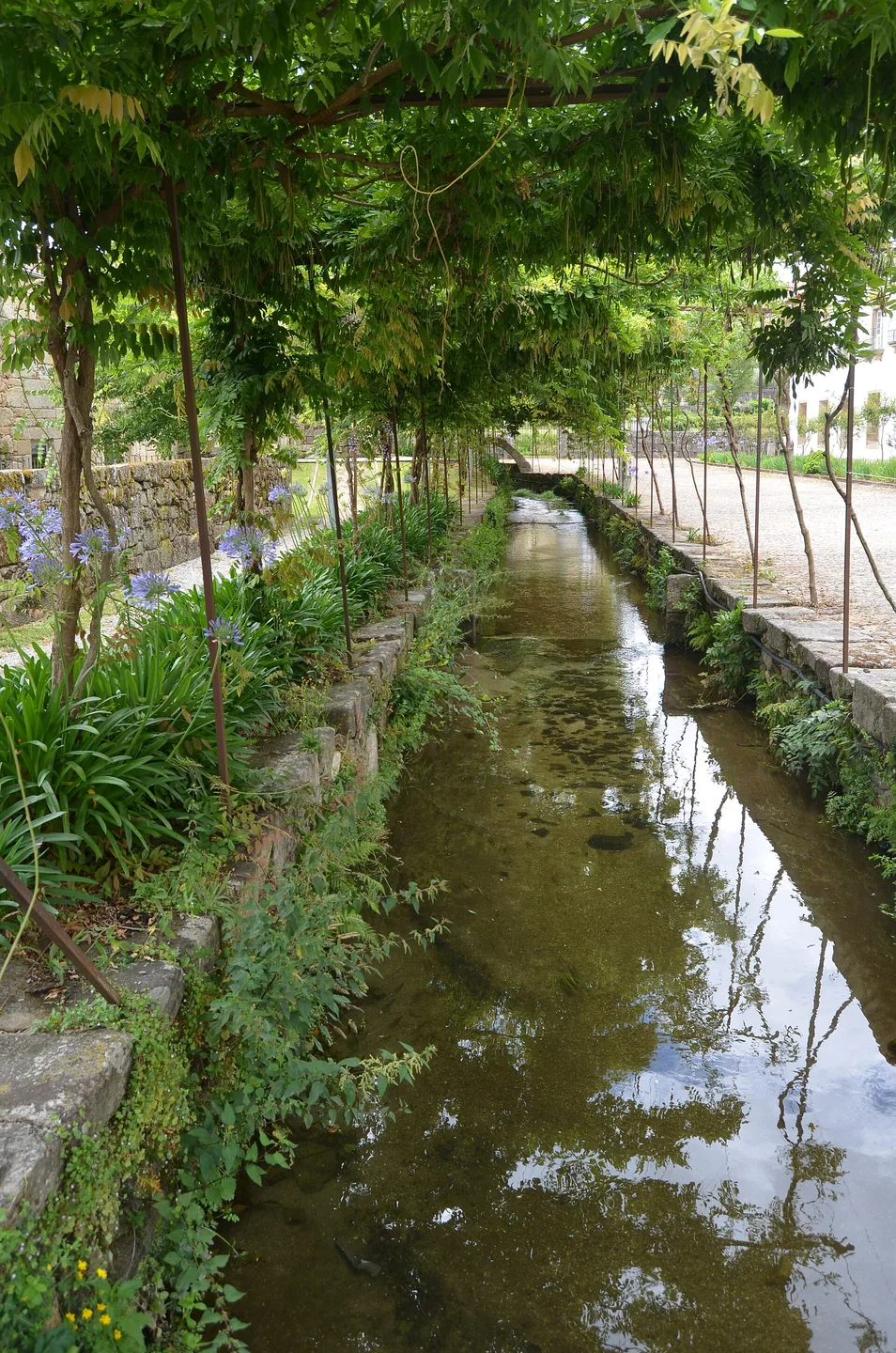
Water and vegetation beneath a pergola in the Refojos area.
Pedro from Maia (Porto), Portugal
ⓘ

Water and vegetation beneath a pergola in the Refojos area.

Photography: Pedro from Maia (Porto), Portugal · CC BY 2.0

View source

Date given at source: .

Request removal or correct the photo credit

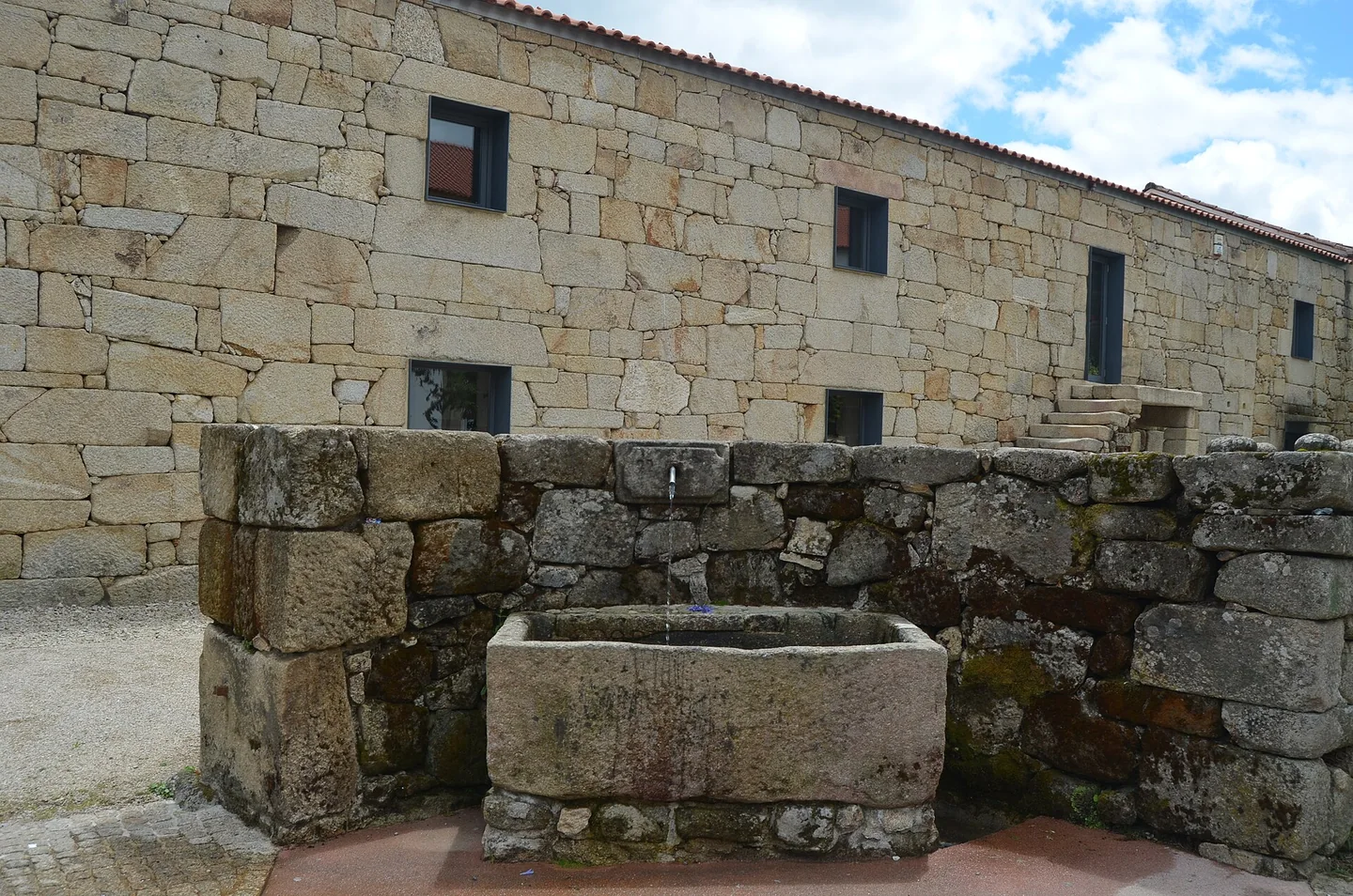
Water basin and stone building in the Refojos area.
Pedro from Maia (Porto), Portugal
ⓘ

Water basin and stone building in the Refojos area.

Photography: Pedro from Maia (Porto), Portugal · CC BY 2.0

View source

Date given at source: .

Request removal or correct the photo credit

Names chosen in 2020 recall people connected with Refojos.

In June 2020, the municipality announced street names chosen to commemorate figures from the Monastery’s history. They included Abbot Diogo de Murça, the woodcarver Vilaça and Gueda Mendes, associated with the gift of the medieval chalice. The same decision revived old place names in Refojos. Street naming thus brings together two kinds of memory: people who shaped the heritage, and names residents used to recognise their own places.

Source and context

Municipality — deliberations of June 2020 and toponymy of Refojos

Accessed: . Editorial summary; the date of consultation is not the date of the facts.

Back to index ↑
Refojos de Basto · photography and biography

From Cancela to portraits of Brazil

A photographer from Refojos left his mark across the Atlantic.

According to the Museu das Terras de Basto, Joaquim Insley Pacheco was born in Cancela, in Refojos de Basto. A photographer and painter, he became a prominent portraitist in 19th-century Brazil. Brazil’s National Library documents his appointment as Photographer to the Imperial Household in 1855. His story connects a place in the municipality with the early days of photography in Brazil.

The National Library’s exhibition adds a link through learning: Pacheco was a pupil of Frederick Walter, who arrived in Fortaleza in 1847 with daguerreotype equipment and also performed as a magician. Photography, teaching and entertainment meet in this story of the early professionals.

The recognition of 1855 places Pacheco in Rio de Janeiro and at the court of Pedro II. Three points help trace his life: his place of origin, his training and his professional recognition. Their connection reveals how a story from Refojos forms part of a wider history of images.

Want to move from biography to an image? A 2016 presentation on the National Library’s official blog shows a portrait of Pedro II, dated 1883 and attributed to Pacheco, from the institution’s collection. Its caption links an artist’s name, a sitter, a date and a collection. It is a concrete example to view in the source and compare with the photographer’s story.

Source and context

Basto Land Museum — Joaquim Insley Pacheco, 27/03/2026

National Library of Brazil Foundation — a photographer, an editor and a zoologist

National Library Foundation — presentation by Joaquim Insley Pacheco and portrait by Pedro II (14/10/2016)

Accessed: . Editorial summary; the date of consultation is not the date of the facts.

Back to index ↑
YOUR LOCAL GUIDE

What would you like to discover?

Take a closer look.