Discover Cabeceiras de BastoFree independent guide
ViveCabeceirasYOUR GUIDE TO CABECEIRAS
ENEnglish
SearchSaved
6 STORIES · CONTINUOUS READING

Places also change their lives

Jail, school, fairs, football field, train and monastery: six stories link buildings and paths to people's lives.

All stories in the order of the route. You can print this page by the browser; sources and credits follow the reading.

Things to try3 activities · 3 interactive explorations · 4 questions
Pereiras, Refojos · former uses of the town hall

From prison to music
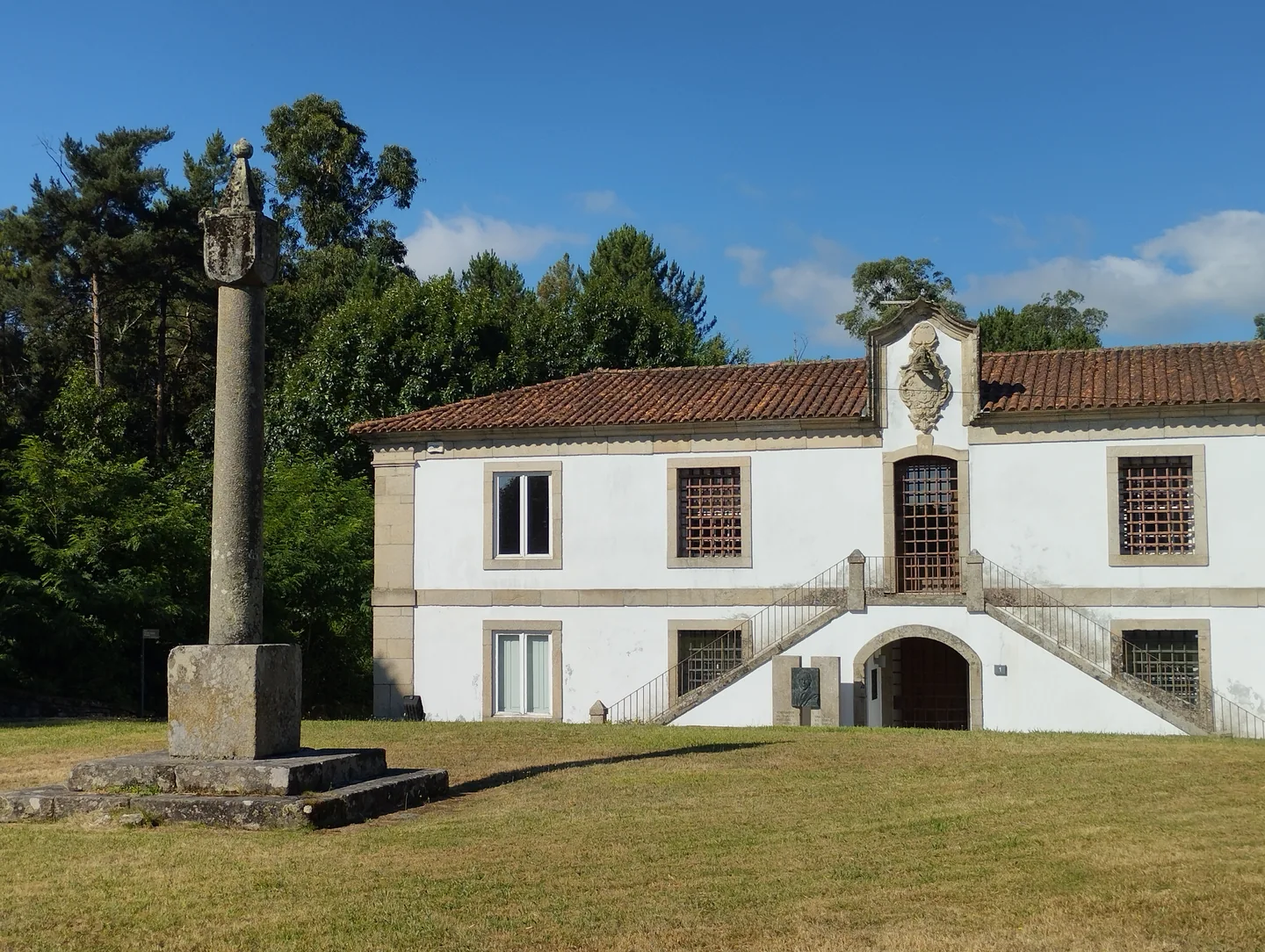
Casa da Música and pillory in Pereiras.
ⓘ

Casa da Música and pillory in Pereiras.

Source: Museu das Terras de Basto

View source

Photograph date not stated.

Individual photographer and reuse licence not stated by the source.

Request removal or correct the photo credit

A building can change its role in the community.

In Pereiras, the former town hall continued to serve as a prison until 1972, according to the Museu das Terras de Basto. After restoration, it became the Casa da Música. A municipal news item from July 2010 already listed it among places to discover in the municipality. The Museum’s article dates the town hall’s move to the Monastery to 1835 and the opening of the Casa da Música to 2003: the building continued changing roles after municipal administration left.

The building’s story begins before the prison preserved in local memory. The Museum’s article attributes the order to build the town hall in 1586 to the magistrate João Gil de Abreu Castelo Branco. It then suggests an 18th-century reconstruction on the site of the earlier building.

Its two storeys divided the functions: prison on the lower level, town council and hearings above. This arrangement brought administration and justice together. When the council left, the prison remained; when the prison closed, the building survived. Opening as the Casa da Música in 2003 added another use to a building with many chapters.

The Pereiras beyond a building

Open an option and choose the story.

  1. School, trade and workA street also guards trades →
  2. The rhythm of the fairsThe Thirty Fair had a meeting day →
  3. The football field and the roadWhen football won field →
  4. The monastery also changed functionsAfter the monks, other lives →
It links the uses of the House to the collective life of the place.
Source and context

Basto Land Museum — The place of the Pereiras of Refojos de Basto, 28/07/2024

Municipality — visits to see the municipality, news of 29/07/2010

Accessed: . Editorial summary; the date of consultation is not the date of the facts.

Back to index ↑
Pereiras, Refojos · memories of the 1960s

A street holds crafts too

School, trade and work shaped local life.

The Museum recalls that in the 1960s Pereiras had a primary school, a tailor, a blacksmith and a grain warehouse. These examples show a place where learning, shopping and work crossed paths. They are memories of activities at that time, not a list of services still open.

The memory gains another dimension alongside the local fairs. For the first half of the 20th century, the Museum’s article describes the Feira dos Trinta and the Feira das Cebolas, also known as the Feira de Santo Antonino. Trade extended beyond shop doors to regular gatherings, with cattle particularly prominent.

The same place also brought together the old prison and the football ground opened in 1925. Connecting these stories turns the street into more than a row of buildings: learning, work, administration and leisure appear. The references belong to different moments; they are not a snapshot of everything operating on the same day.

Source and context

Basto Land Museum — The place of the Pereiras of Refojos de Basto, 28/07/2024

Accessed: . Editorial summary; the date of consultation is not the date of the facts.

Back to index ↑
Refojos · fairs in the first half of the 20th century

Feira dos Trinta had a meeting day

The name did not give the day of the month.

According to the Museum, in the first half of the 20th century the Feira dos Trinta took place at Pereiras on the last Sunday of each month. The locality also hosted the annual Feira das Cebolas, or Feira de Santo Antonino, in late August or early September. Both were known for cattle sales. This calendar belongs to the historical account and does not announce current fairs.

Source and context

Museum of Lands of Basto — The place of the Pereiras Refojos de Basto (28/07/2024)

Accessed: . Editorial summary; the date of consultation is not the date of the facts.

Back to index ↑
Pereiras, Refojos · football in the 20th century

When football gained a pitch

Pereiras also belongs to sporting memory.

In Pereiras, the municipality’s memory also includes football. The Museu das Terras de Basto identifies the pitch opened in 1925 as the first in Cabeceiras de Basto. It became home to different sports clubs, linking the place to the game and to gatherings of those who followed it.

In 1982, construction of National Road 311 caused the pitch to move elsewhere. A sports facility can help tell the story of a settlement’s transformation: the space changes, but memory preserves the connection to the former site.

The Museum’s article, published in July 2024, places the pitch in a settlement that had shops, a school and fairs. Its bibliography includes O Jornal de Cabeceiras of 20 September 1925 and Ecos de Cabeceiras of 15 August that year. These are references cited by the Museum; their contents are not reproduced here.

The Pereiras had several lives

Open an option and choose the story.

  1. Trade, trades and trade daysA street also guards trades →
  2. From jail to Casa da MúsicaFrom jail to music →
  3. Another memory of football in the municipalityOuteiro and football →
Connects sports to workplaces, dating and music.
Source and context

Basto Land Museum — The place of the Pereiras of Refojos de Basto, 28/07/2024

Accessed: . Editorial summary; the date of consultation is not the date of the facts.

Back to index ↑
Tâmega Line · remembering the service in 1984

Freight had its appointed day

The Tâmega Line carried goods too.

In a post published in August 2025, the Museum recalls the freight service that ran on Wednesdays on the Tâmega Line in 1984. It was associated with locomotive E 165, built by Henschel & Sohn in 1908. The postcard image used by the Museum was taken in Celorico de Basto: it documents the line, not Arco station.

The source is a 1984 postcard from the Associação Portuguesa dos Amigos dos Caminhos de Ferro. Three moments should be distinguished: the locomotive’s construction, the service recalled on the postcard and the Museum’s publication. The document does not describe the cargo of each journey.

Source and context

Basto Land Museum — The “Modern Market”, 2025-08-27

Accessed: . Editorial summary; the date of consultation is not the date of the facts.

Back to index ↑
Refojos · changes in the 19th and 20th centuries

After the monks, new lives

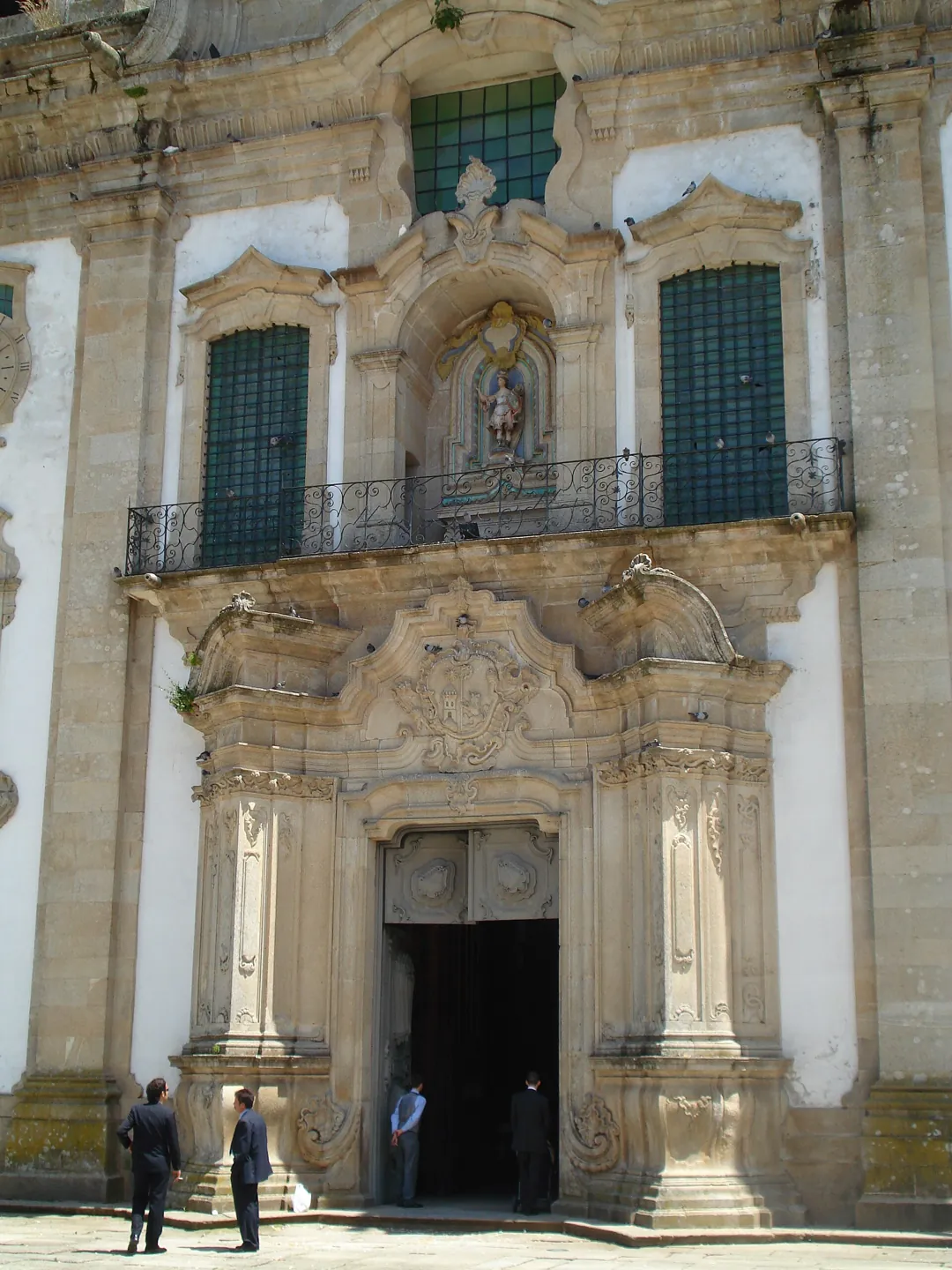
Detail of Refojos Monastery’s façade.
Ricardo Martins
ⓘ

Detail of Refojos Monastery’s façade.

Photography: Ricardo Martins · CC BY 2.0

View source

Date given at source: .

Request removal or correct the photo credit

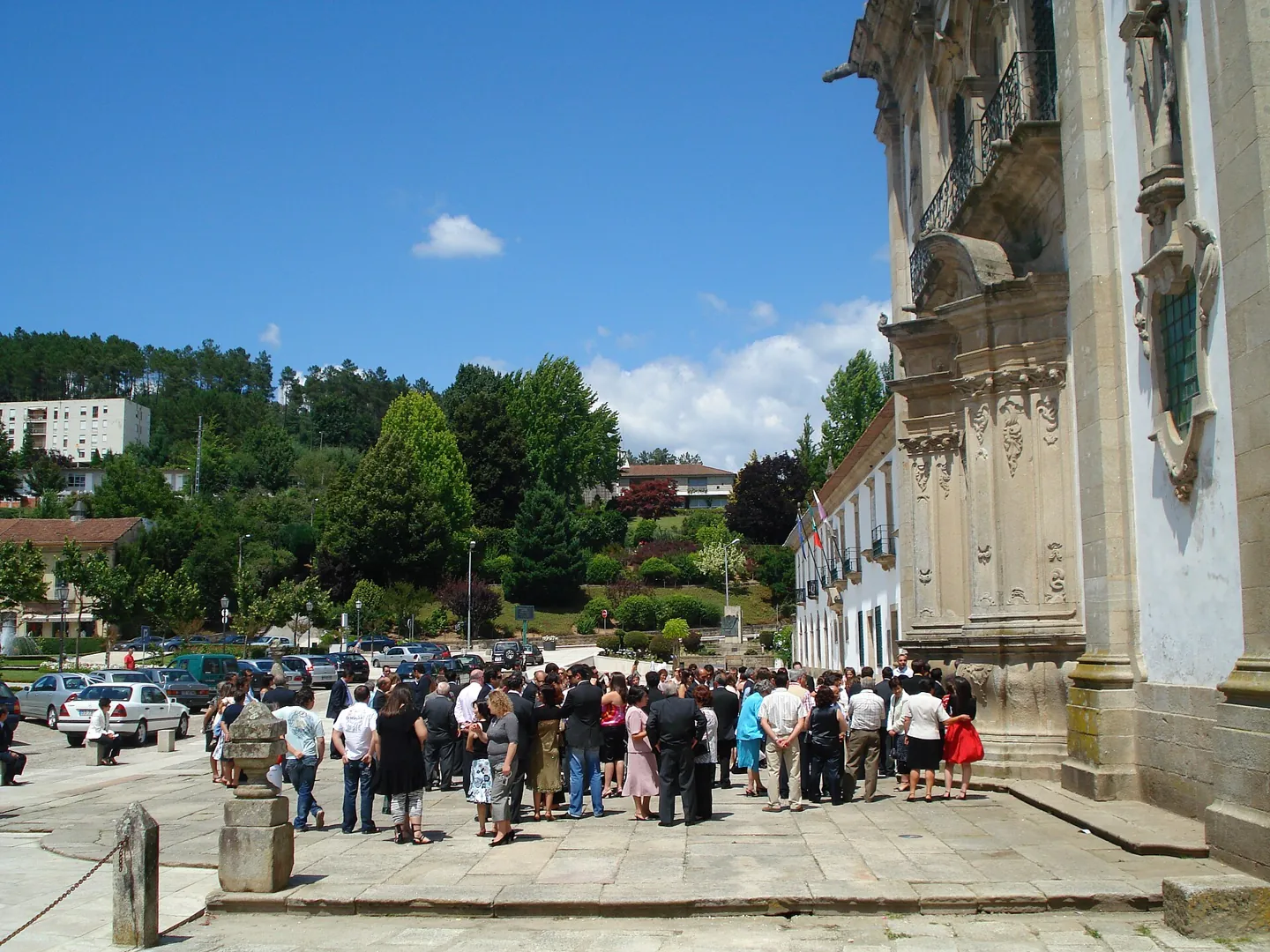
The surroundings of Refojos Monastery in an archive photograph.
Ricardo Martins
ⓘ

The surroundings of Refojos Monastery in an archive photograph.

Photography: Ricardo Martins · CC BY 2.0

View source

Date given at source: .

Request removal or correct the photo credit

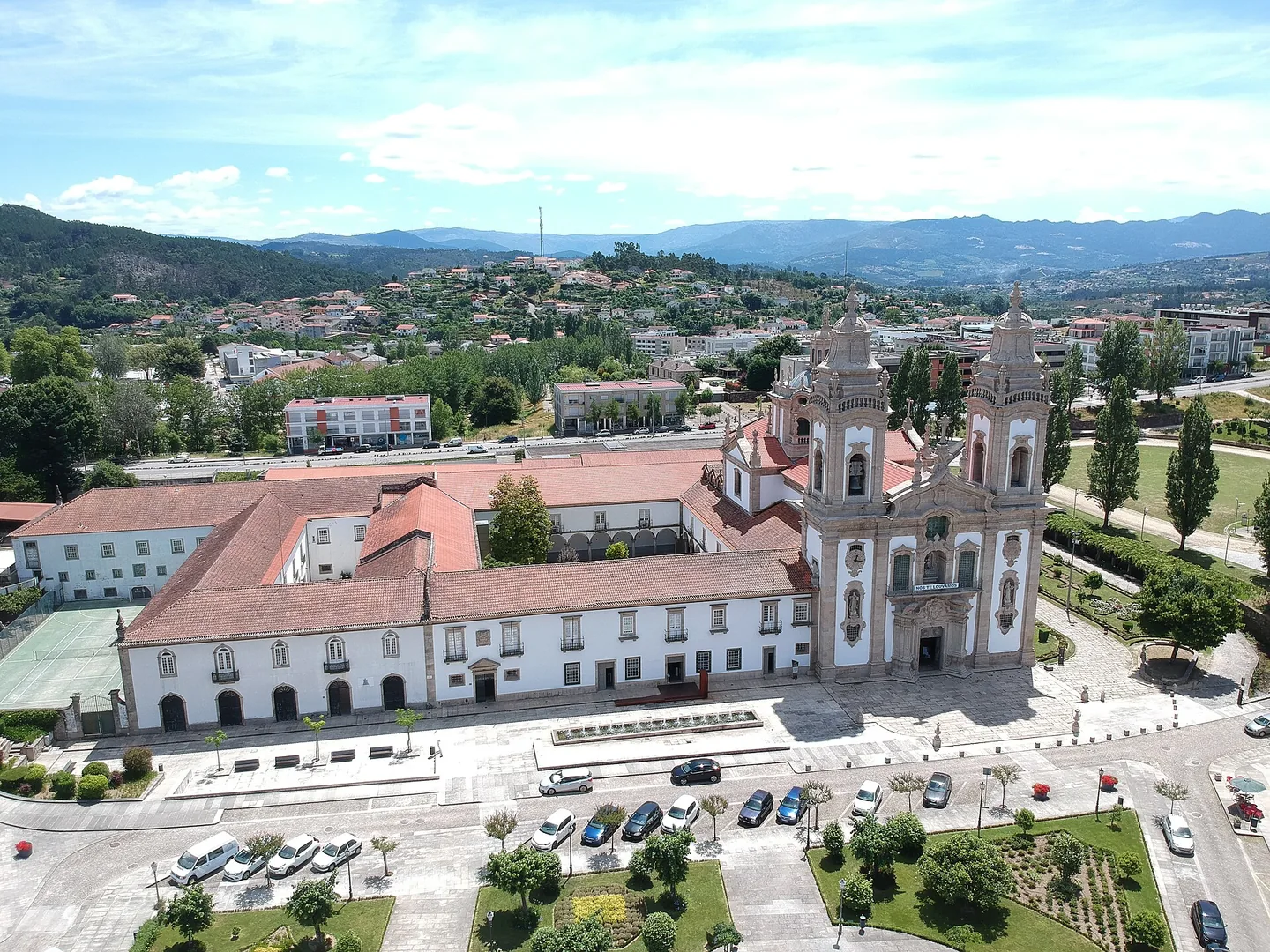
Aerial view of Refojos Monastery and the town.
Joseolgon
ⓘ

Aerial view of Refojos Monastery and the town.

Photography: Joseolgon · CC BY-SA 4.0

View source

Date given at source: .

Request removal or correct the photo credit

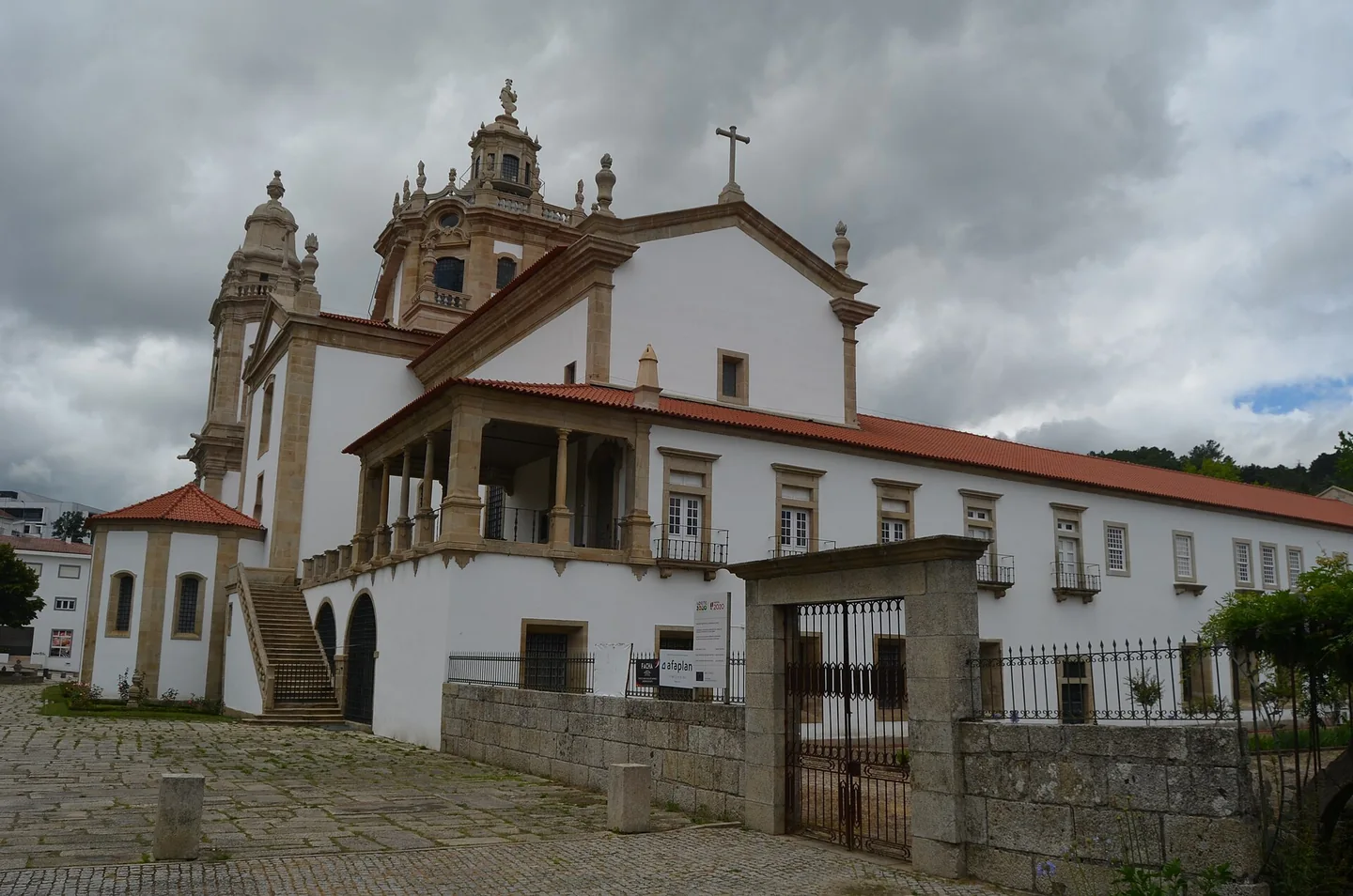
Refojos Monastery and houses seen from the side.
Pedro from Maia (Porto), Portugal
ⓘ

Refojos Monastery and houses seen from the side.

Photography: Pedro from Maia (Porto), Portugal · CC BY 2.0

View source

Date given at source: .

Request removal or correct the photo credit

Garden and buildings at Refojos Monastery.
Pedro from Maia (Porto), Portugal
ⓘ

Garden and buildings at Refojos Monastery.

Photography: Pedro from Maia (Porto), Portugal · CC BY 2.0

View source

Date given at source: .

Request removal or correct the photo credit

Garden in front of Refojos Monastery.
Pedro from Maia (Porto), Portugal
ⓘ

Garden in front of Refojos Monastery.

Photography: Pedro from Maia (Porto), Portugal · CC BY 2.0

View source

Date given at source: .

Request removal or correct the photo credit

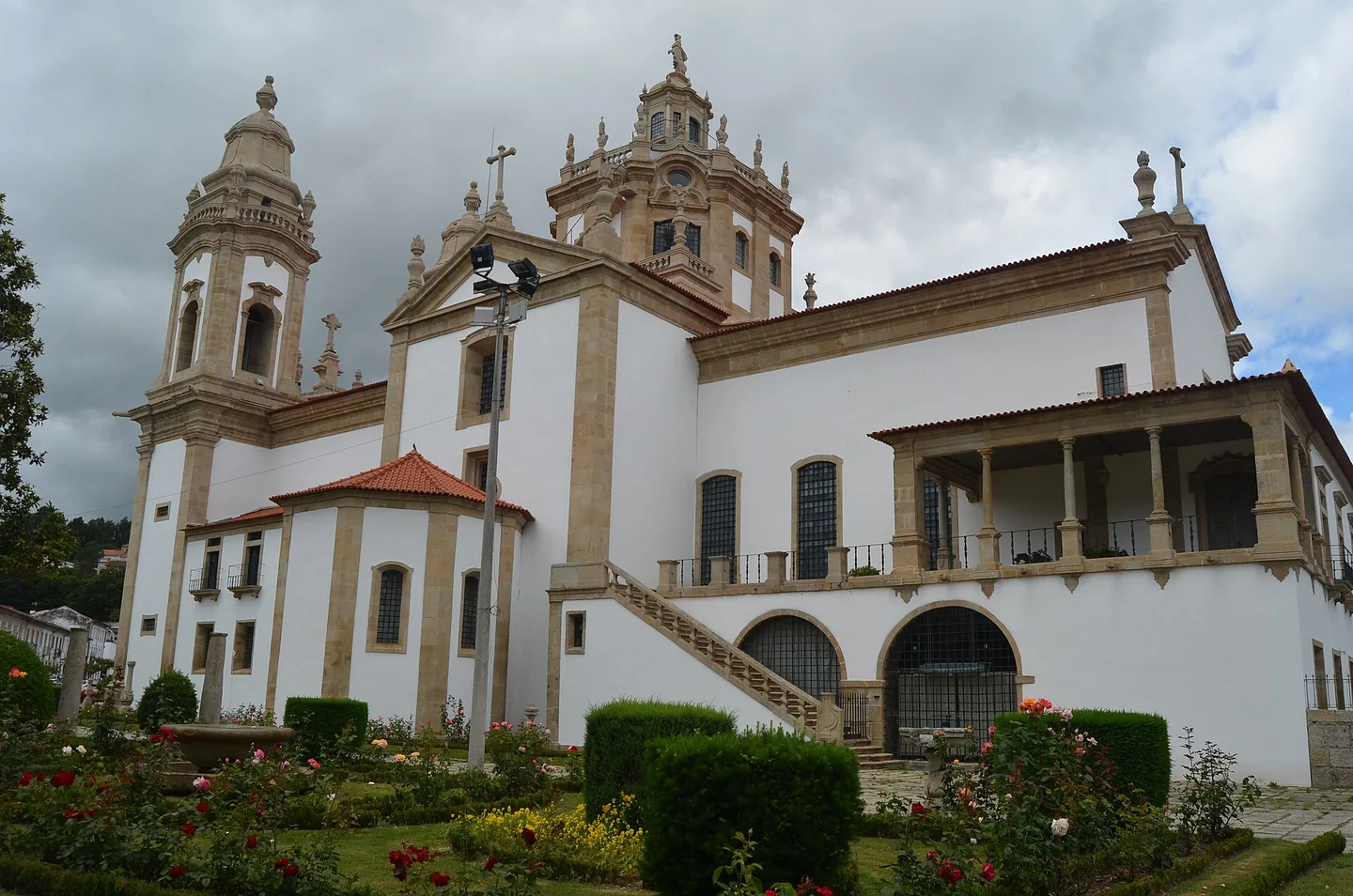
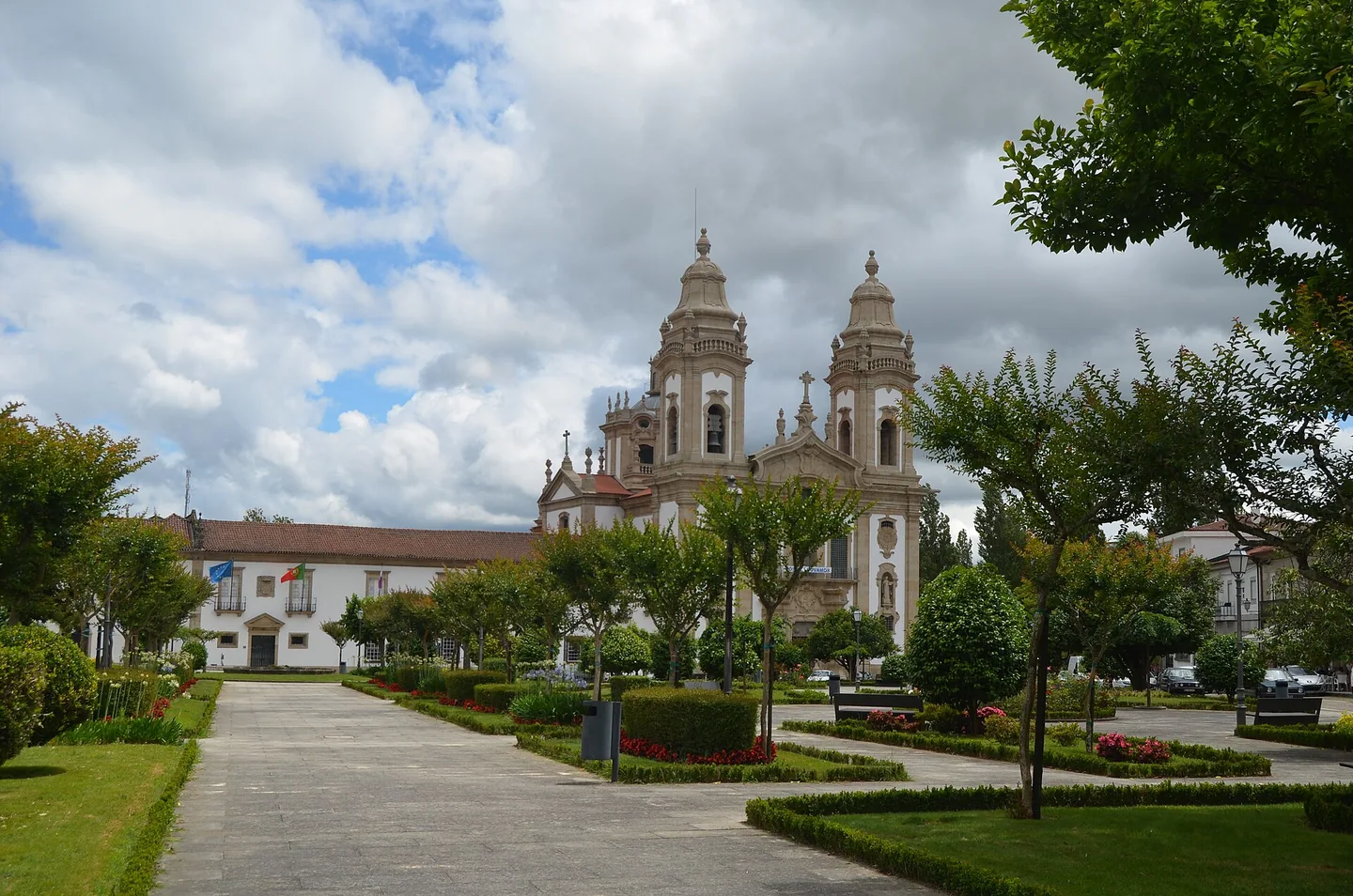
The town hall and school belong to the building’s history too.

The dissolution of religious orders in 1834 changed the future of the Refojos complex, while the church retained its religious role. According to the municipal heritage nomination proposal, João António Fernandes Basto bought the Monastery at public auction between 1838 and 1842. In the 19th century, the complex also housed municipal services; in 1944, another part became a boarding school. Looking at the complex also reveals how old buildings were adapted for administration and education.

The document places the arrival of municipal services in the cloisters around 1855. For the school area, it records another change of ownership in 1959, to the Seminário Conciliar de Braga. The complex therefore did not have a single future after 1834: its different parts followed their own stories. The heritage proposal serves here as a historical source; it does not establish UNESCO designation or confirm the current use of each space.

The building changed its life by stages

It opens every moment and discovers what the date represents.

  1. 1834 · End of monastic community

    The church maintains religious function.

  2. 1838–1842 · Acquisition in public auction

    João António Fernandes Basto acquires the Monastery.

  3. Around 1855 · Municipal services

    The cloisters welcome the House.

  4. 1944 · Education and boarding

    Another part gets a college.

  5. 1959 · Change of ownership

    The school area passes to the Conciliar Seminary of Braga.

Chronology according to the municipal proposal; the date of the cloisters is approximate.
See Fact sheet: Mosteiro de São Miguel de Refojos
Source and context

Municipality — proposal for a heritage registration of the Monastery, pp. 9 and 11; later uses in p. 11 (candidature document, not a UNESCO classification)

Basto Land Museum — The place of the Pereiras of Refojos de Basto, 28/07/2024

Accessed: . Editorial summary; the date of consultation is not the date of the facts.

Back to index ↑
YOUR LOCAL GUIDE

What would you like to discover?

Take a closer look.