Discover Cabeceiras de BastoFree independent guide
ViveCabeceirasYOUR GUIDE TO CABECEIRAS
ENEnglish
SearchSaved
4 STORIES · CONTINUOUS READING

From hills to water: four stories

Mills, herds and communities in an eighteenth-century portrait. A reading journey, rather than a route on the ground.

All stories in the order of the route. You can print this page by the browser; sources and credits follow the reading.

Local history · Abadim

Abadim: six mills in a portrait from 1758
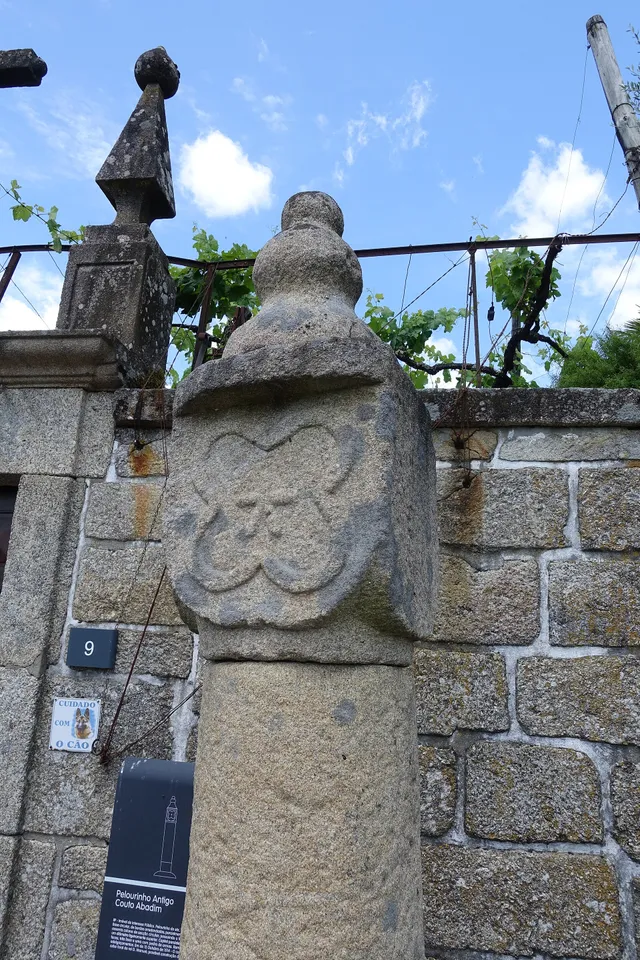
Detail of Abadim’s granite pillory
Pelourinho de Abadim© Joseolgonⓘ

Before electricity, flowing water already powered local work.

In May 1758, parish priest José Antunes counted six mills belonging to the parish. He described small streams flowing throughout the year and a stone bridge at Ranha. In his account, the hillside, streams and working structures form a single landscape.

Water was more than scenery: it helped turn the harvest into food. This offers a way to look beyond Abadim's tower and pillory, connecting local authority with the work of its inhabitants. The number comes from the historical document, rather than an inventory of mills that can be visited today.

Getting to know the parish See Fact sheet: Pelourinho de Abadim
Source and context

Municipality — parish account of Abadim (1758)

Accessed: . Editorial summary; the date of consultation is not the date of the facts.

Back to index ↑
Local history · Bucos

Bucos: reading a hillside through its herds

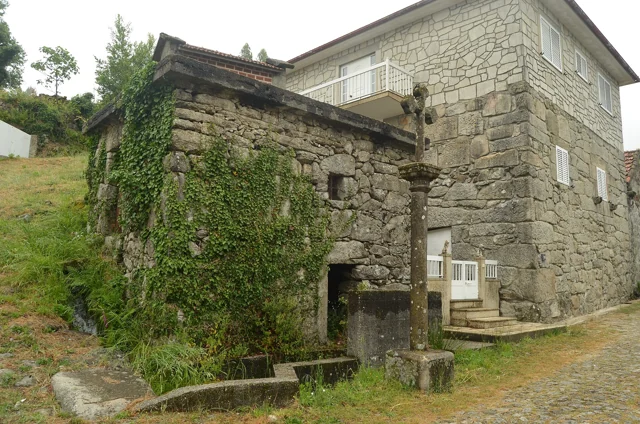
A corner of Carrazedo, Bucos, with a fountain, stone cross and stone buildings.
Carrazedo© Pedro from Maia (Porto), Portugalⓘ

Goats, scrubland and fields in a mountain economy.

In 1758, Bucos's parish priest wrote that goats were the most plentiful livestock raised in the hills, although larger animals were also kept. He described slopes covered in broom, heather and gorse, while cultivated ground produced different grains.

This was no empty landscape: the document connects scrubland with work and livelihood. Our view moves from fields to animals and from animals to the hills. This historical reading complements Bucos's wool traditions without reducing village life to a single craft. It is not a survey of the herds present today.

Getting to know the parish See Fact sheet: Carrazedo
Source and context

Municipality — parish account of Bucos (1758)

Accessed: . Editorial summary; the date of consultation is not the date of the facts.

Back to index ↑
Local history · Cabeceiras de Basto (São Nicolau)

São Nicolau: a brotherhood of over eight hundred members

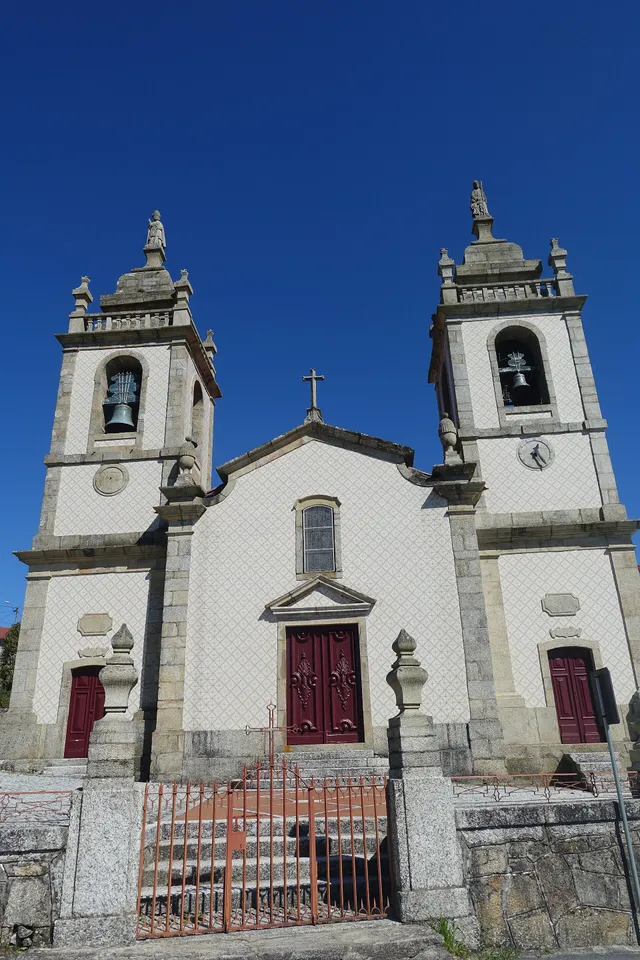
Façade of the Church of São Nicolau de Cabeceiras, with two bell towers, tiles and statues along the top.
Igreja de São Nicolau de Cabeceiras© Joseolgonⓘ

Parish life was also organised through religious associations.

In his description of São Nicolau from 1758, rector Domingos Camelo de Sousa recorded over eight hundred living members of the Brotherhood of the Souls. He also described masses and processions linked to the confraternities and their benefactors.

The church's history is more than its altars. Behind the carved woodwork were people who contributed, gathered and sustained celebrations. The number counts brotherhood members, rather than parish inhabitants: these are different measures and should not be confused. The document reveals this human side of religious organisation.

Getting to know the parish See Fact sheet: Igreja de São Nicolau de Cabeceiras
Source and context

Museu das Terras de Basto — São Nicolau parish account (1758)

Accessed: . Editorial summary; the date of consultation is not the date of the facts.

Back to index ↑
Local history · Rio Douro

Rio Douro: water did more than irrigate

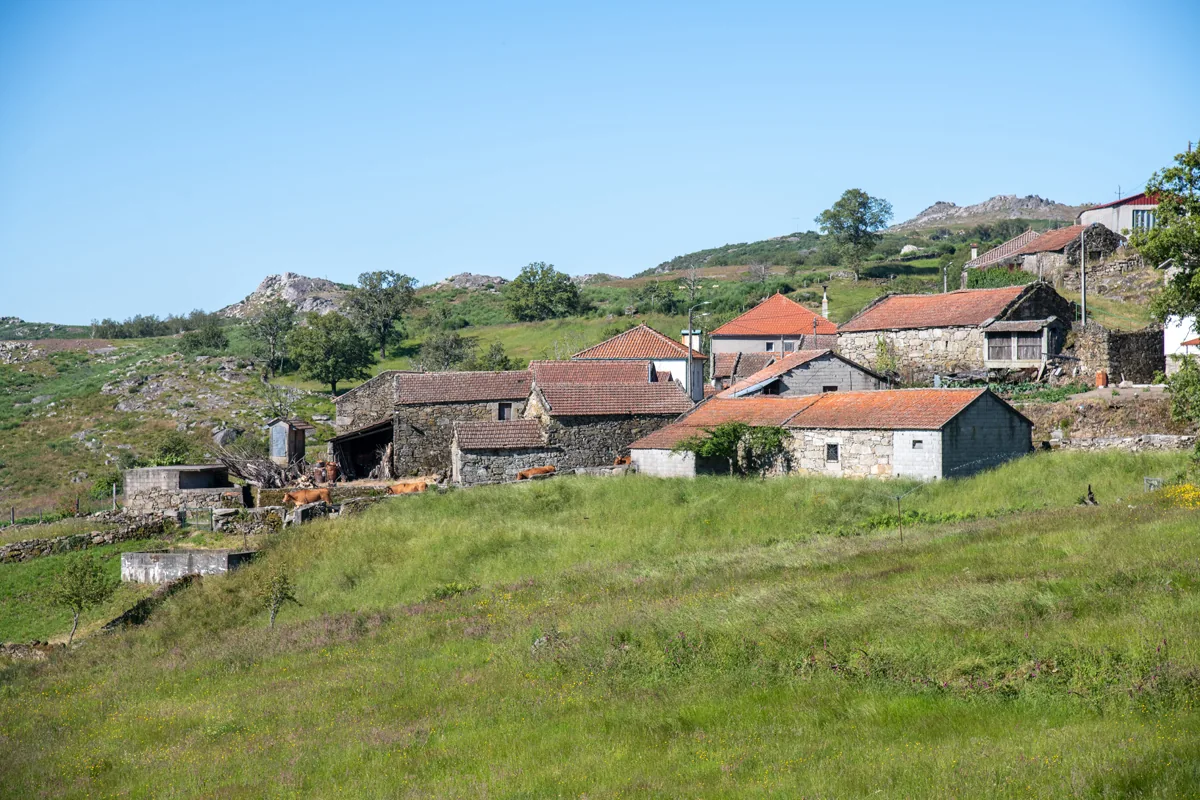
Houses in Moscoso village and the surrounding landscape.
ⓘ

Houses in Moscoso village and the surrounding landscape.

Source: Visit Cabeceiras — Município de Cabeceiras de Basto

View source

Photograph date not stated.

Individual photographer and reuse licence not stated by the source.

Request removal or correct the photo credit

Mills, olive presses and a fulling mill appear in one old account.

Rio Douro's description from 1758 records watercourses feeding irrigation channels and numerous mills. The parish priest also mentioned olive presses and a fulling mill, bringing together different kinds of work connected with water power.

A fulling mill treated cloth by repeated pounding. The same landscape could therefore support grain milling, olive-oil production and textile work. As you follow a stream with your eyes, imagine that network of functions. The document neither identifies facilities currently open nor allows each installation to be located on the ground.

Getting to know the parish Ver ficha: Igreja paroquial de Rio Douro
Source and context

Municipality — parish account of Riodouro (1758)

Accessed: . Editorial summary; the date of consultation is not the date of the facts.

Back to index ↑
YOUR LOCAL GUIDE

What would you like to discover?

Take a closer look.