Discover Cabeceiras de BastoFree independent guide
ViveCabeceirasYOUR GUIDE TO CABECEIRAS
ENEnglish
SearchSaved
4 STORIES · CONTINUOUS READING

From field to table

Hands, milling, bread and a fair: four stories connecting work with food.

All stories in the order of the route. You can print this page by the browser; sources and credits follow the reading.

Local history · Outeiro

One field, many hands and a table
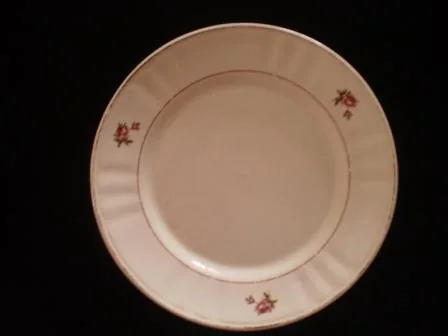
Plate from Dídia Teixeira’s family, photographed for the account of field work in Outeiro.
ⓘ

Plate from Dídia Teixeira’s family, photographed for the account of field work in Outeiro.

Source: Museu das Terras de Basto

View source

Photograph date not stated.

Autoria da fotografia e licença de reutilização não identificadas na fonte.
Request removal or correct the photo credit

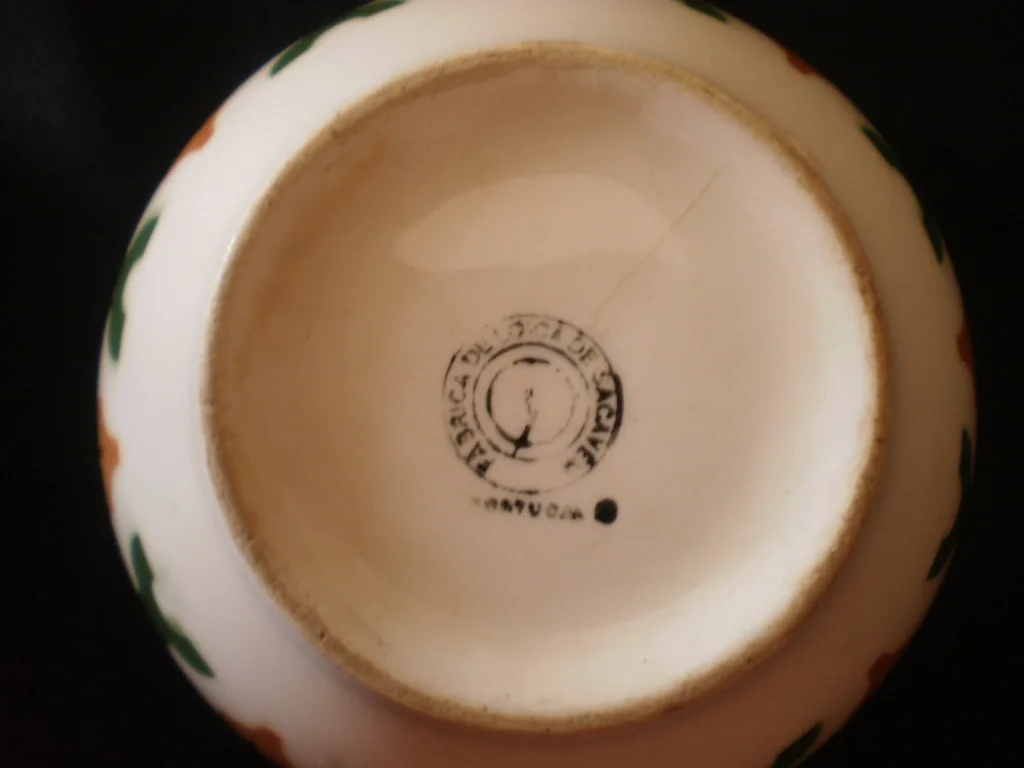
Maker’s mark on the back of the Sacavém tableware in the Outeiro account.
ⓘ

Maker’s mark on the back of the Sacavém tableware in the Outeiro account.

Source: Museu das Terras de Basto

View source

Photograph date not stated.

Autoria da fotografia e licença de reutilização não identificadas na fonte.

Request removal or correct the photo credit

Mutual help had a kitchen side too.

In Dídia Teixeira’s memories of Outeiro in the 1970s, ploughing and sowing maize brought neighbours and friends together. At the Pé de Selada field in Cabovila, she recalled groups of twenty-five to thirty people. Cattle pulled the plough and harrow while other hands worked the soil with hoes.

There was visible work in the field and less visible work in the kitchen. The 2012 account describes maize bread, cod, rice with beans and chicken, served at different times of day. Sacavém plates kept by the family were photographed too. This memory connects cultivation, help and food in one household, without making that day’s plenty a portrait of every table.

Getting to know the parish
Source and context

Museu das Terras de Basto — Memórias de outros tempos: alimentação em Cabeceiras de Basto – o dia das lavouras

Accessed: . Editorial summary; the date of consultation is not the date of the facts.

Back to index ↑
Local history · Abadim

Grain went in whole, flour came out milled

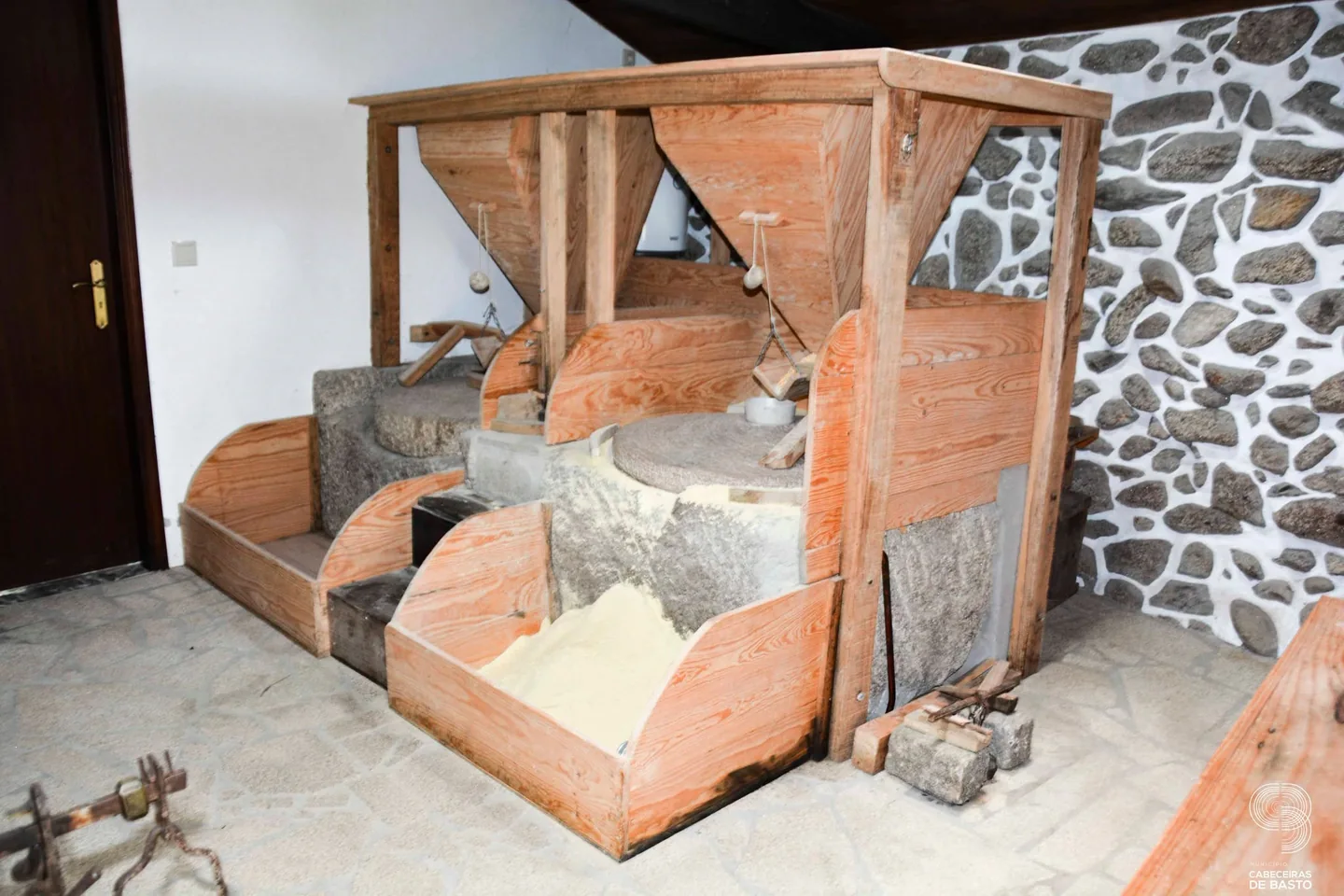
Millstone and wooden structure at Moinho da Ponte Nova during the 2026 visit.
ⓘ

Millstone and wooden structure at Moinho da Ponte Nova during the 2026 visit.

Source: Museu das Terras de Basto

View source

Photograph date not stated.

Autoria da fotografia e licença de reutilização não identificadas na fonte.

Request removal or correct the photo credit

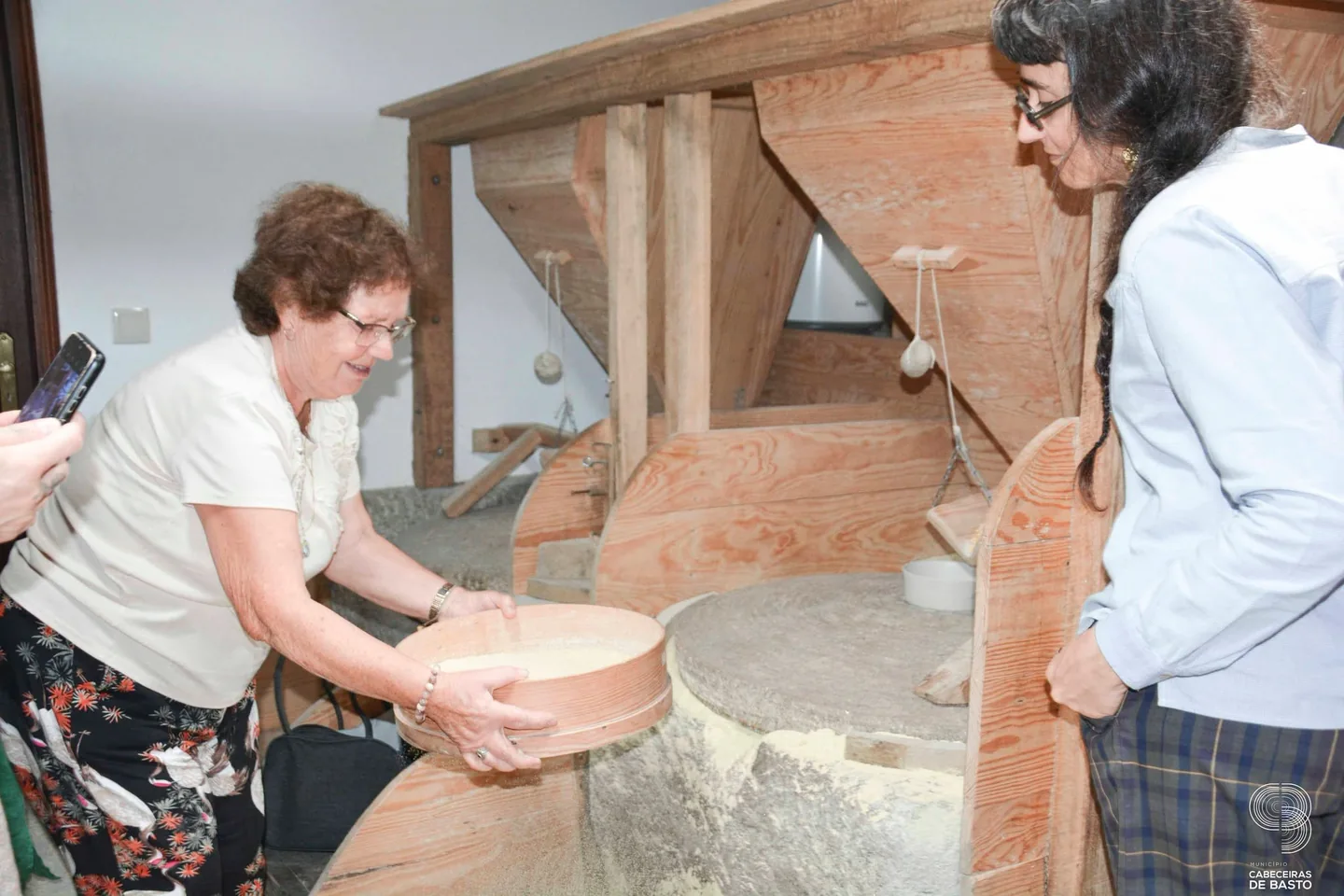
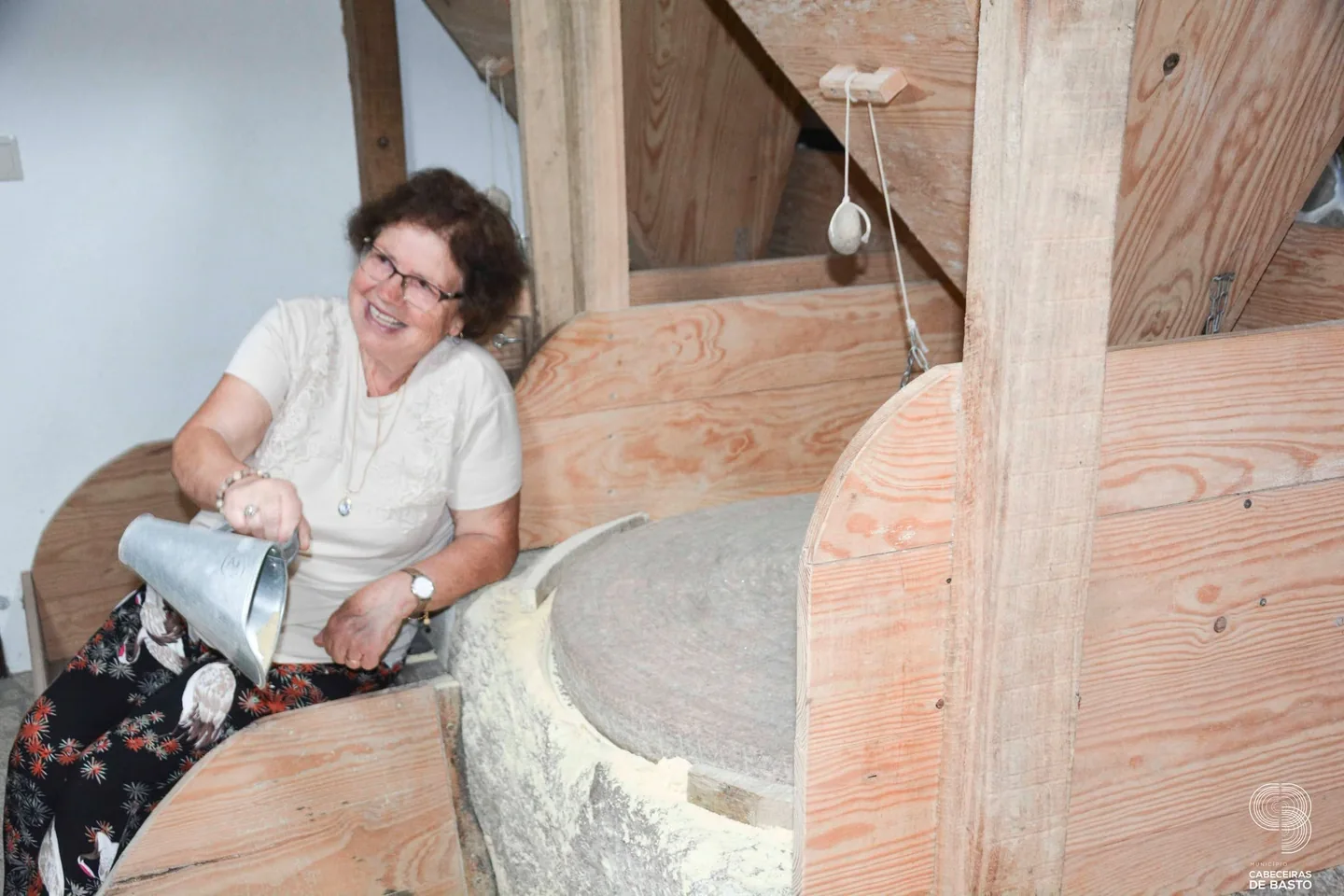
Demonstration beside the millstone at Moinho da Ponte Nova in 2026.
ⓘ

Demonstration beside the millstone at Moinho da Ponte Nova in 2026.

Source: Museu das Terras de Basto

View source

Photograph date not stated.

Autoria da fotografia e licença de reutilização não identificadas na fonte.

Request removal or correct the photo credit

Visitors watch milling during the 2026 visit to Moinho da Ponte Nova.
ⓘ

Visitors watch milling during the 2026 visit to Moinho da Ponte Nova.

Source: Museu das Terras de Basto

View source

Photograph date not stated.

Autoria da fotografia e licença de reutilização não identificadas na fonte.

Request removal or correct the photo credit

At Ponte Nova, visitors came close to the work of the mill.

Moinho da Ponte Nova in Abadim was included in the June 2026 Memórias do Território visit. The interior photograph shows the millstone and the wooden structure guiding the grain. Other images record visitors examining grain and approaching the work of milling.

This makes the journey from field to bread tangible. The meeting does not date the mill’s construction or confirm a regular demonstration programme. It documents a moment when a rural machine became a place of learning, bringing knowledge close to objects and gestures.

Getting to know the parish Ver ficha: Moinho da Ponte Nova — Abadim
Source and context

Museu das Terras de Basto — “𝗠𝗲𝗺𝗼́𝗿𝗶𝗮𝘀 𝗱𝗼 𝗧𝗲𝗿𝗿𝗶𝘁𝗼́𝗿𝗶𝗼 – 𝗣𝗮𝘀𝘁𝗼𝗿𝗲𝘀, 𝗥𝗲𝗯𝗮𝗻𝗵𝗼𝘀 𝗲 𝗟𝗮̃” 𝗱𝗲𝘀𝘁𝗮𝗰𝗼𝘂 𝗶𝗱𝗲𝗻𝘁𝗶𝗱𝗮𝗱𝗲 𝗲 𝗽𝗮𝘁𝗿𝗶𝗺𝗼́𝗻𝗶𝗼 𝗹𝗼𝗰𝗮𝗹

Accessed: . Editorial summary; the date of consultation is not the date of the facts.

Back to index ↑
Local history · Abadim

A village welcomed visitors with fresh maize bread

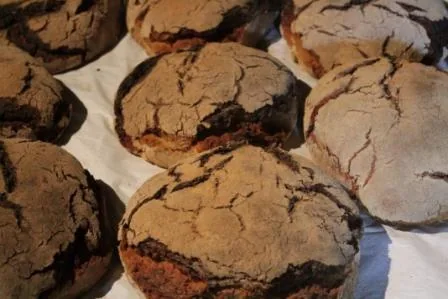
Maize loaves during the Travassô visit, in a record published in 2014.
ⓘ

Maize loaves during the Travassô visit, in a record published in 2014.

Source: Museu das Terras de Basto

View source

Photograph date not stated.

Autoria da fotografia e licença de reutilização não identificadas na fonte.

Request removal or correct the photo credit

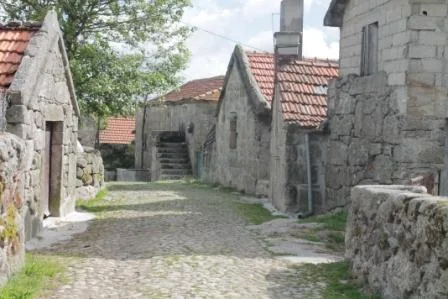
Houses and stone path during the visit to Travassô village.
ⓘ

Houses and stone path during the visit to Travassô village.

Source: Museu das Terras de Basto

View source

Photograph date not stated.

Autoria da fotografia e licença de reutilização não identificadas na fonte.

Request removal or correct the photo credit

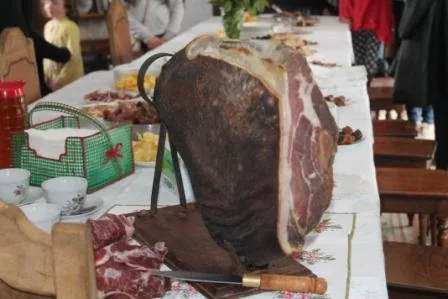
Cured ham during the June 2014 heritage visit.
ⓘ

Cured ham during the June 2014 heritage visit.

Source: Museu das Terras de Basto

View source

Photograph date not stated.

Autoria da fotografia e licença de reutilização não identificadas na fonte.

Request removal or correct the photo credit

In Travassô, memory reached the table too.

The June 2014 Memórias do Território visit ended in Travassô with an encounter between place and food. The museum’s report recalls walking through the village and visiting Casa do Forno, where maize bread freshly made by Laura Barroso was wrapped in white cloths.

The bread was joined by cured ham, sausages and other local preparations. This is a dated picture of hospitality and domestic work, not a promise of a service available every day. Photographs of the visit connect the food with the village and its people beyond a simple list of typical dishes.

Getting to know the parish Ver ficha: Aldeia de Travassô
Source and context

Museu das Terras de Basto — Memórias do Território: 4.º Encontro de História Local

Município — freguesia de Abadim

Accessed: . Editorial summary; the date of consultation is not the date of the facts.

Back to index ↑
Local history · Refojos de Basto

The harvest met at the fair too

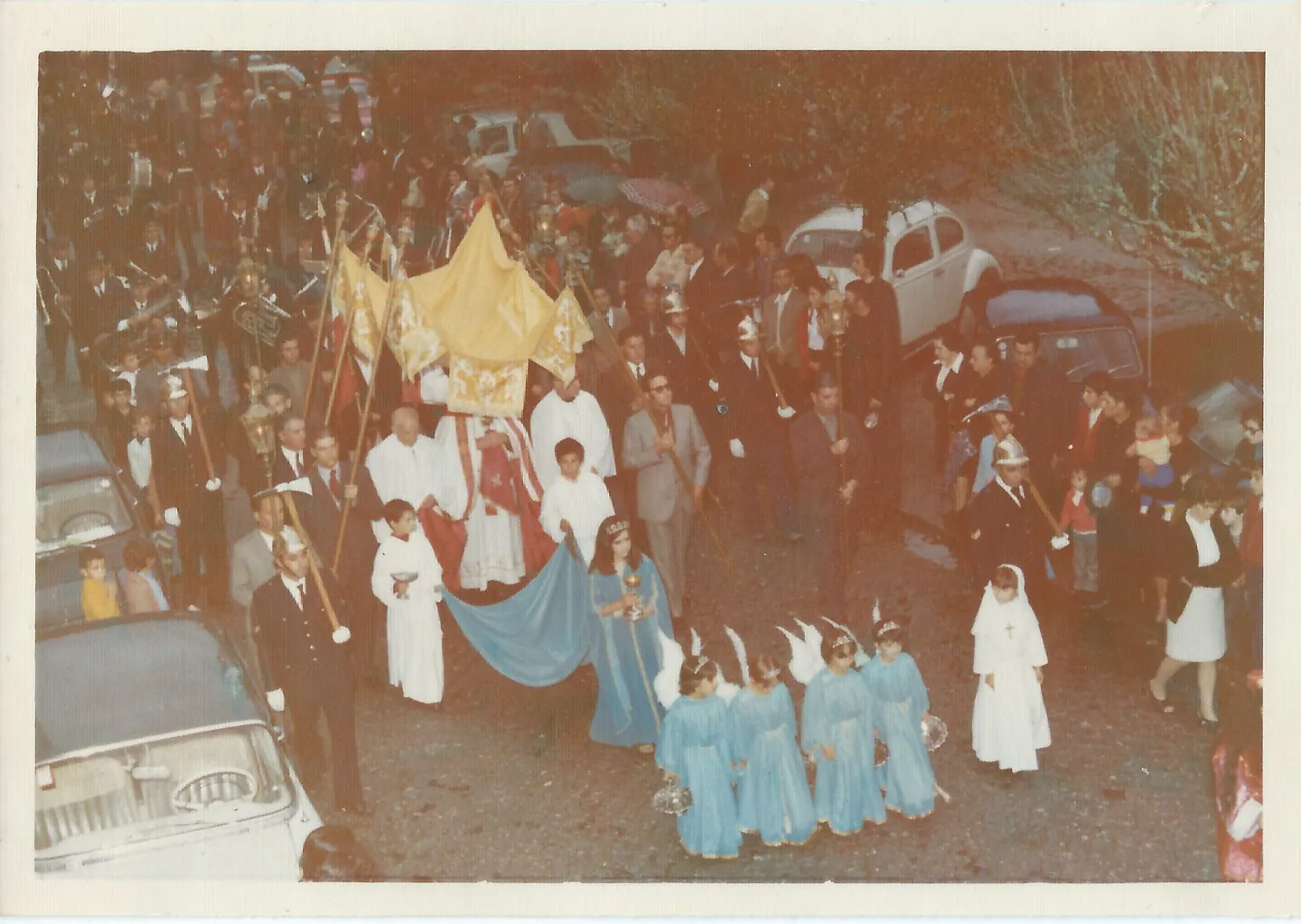
Archive photograph of the São Miguel festivities, shared by the Museum in 2024. Photograph date unidentified.
ⓘ

Archive photograph of the São Miguel festivities, shared by the Museum in 2024. Photograph date unidentified.

Source: Museu das Terras de Basto · Coleção de Maria Celeste Marques da Costa Lobo

View source

Photograph date not stated.

Individual photographer and reuse licence not stated by the source.

Request removal or correct the photo credit

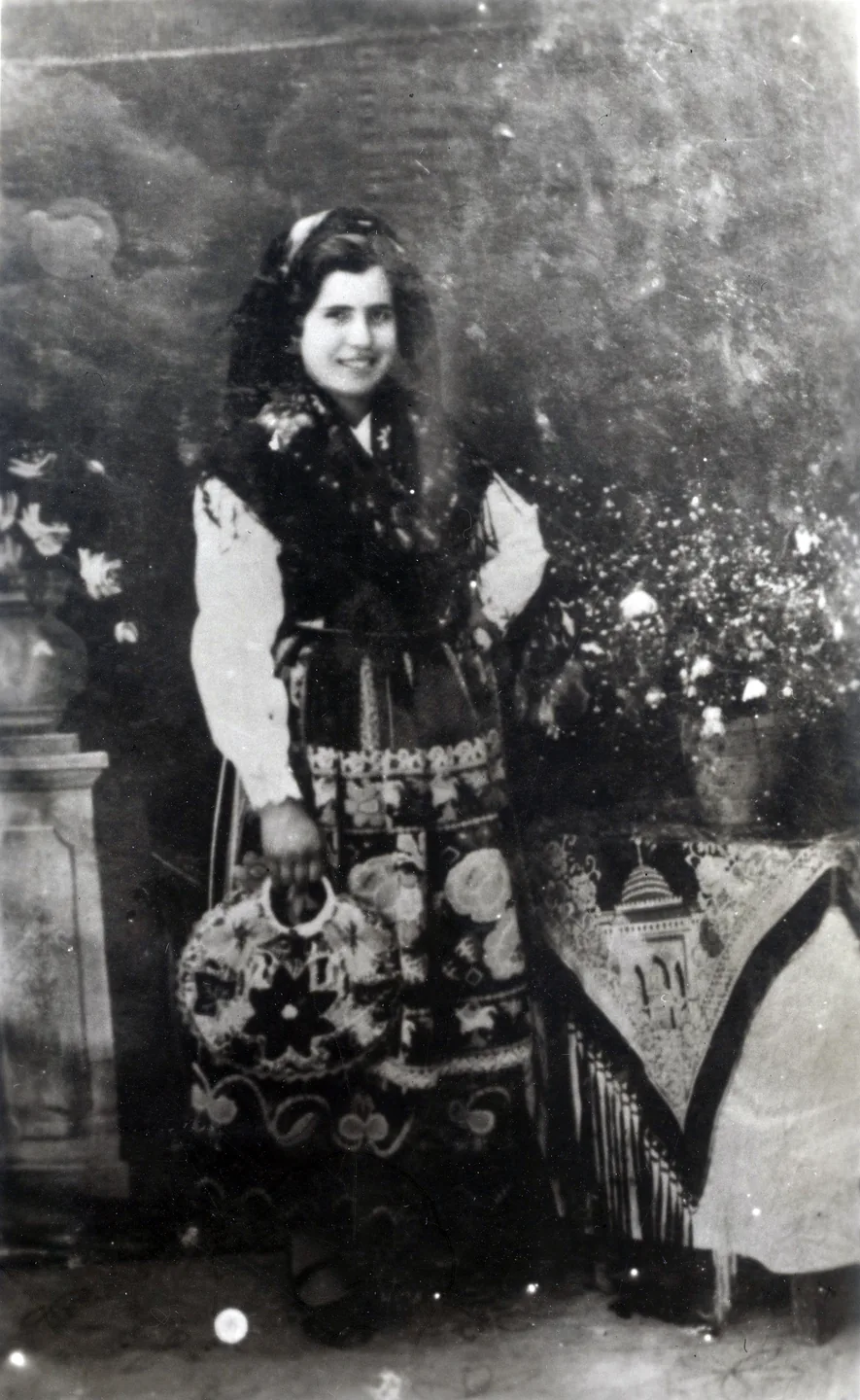
Traditional dress in an archive photograph accompanying the article on São Miguel in earlier times.
ⓘ

Traditional dress in an archive photograph accompanying the article on São Miguel in earlier times.

Source: Museu das Terras de Basto

View source

Photograph date not stated.

Autoria da fotografia e licença de reutilização não identificadas na fonte.

Request removal or correct the photo credit

From fields to new clothes: memories of São Miguel.

Accounts from 1956 and 1977 revisited by the museum connect São Miguel with the end of the agricultural year: maize, beans and grape harvest marked the festive season. Their descriptions bring together cattle competitions, clothes shopping and people arriving along roads, by bus or by train.

It was more than a sequence of ceremonies. It meant meeting, trading, eating and wearing a new apron, scarf or ornament as the harvest allowed. These written pictures belong to newspapers of those periods; not every archive photograph published with the article is dated. Together they show how the fair linked rural life with the town.

Getting to know the parish
Source and context

Museu das Terras de Basto — O S. Miguel de Cabeceiras de Basto de outros tempos

Accessed: . Editorial summary; the date of consultation is not the date of the facts.

Back to index ↑
YOUR LOCAL GUIDE

What would you like to discover?

Take a closer look.