Uz reached the cinema
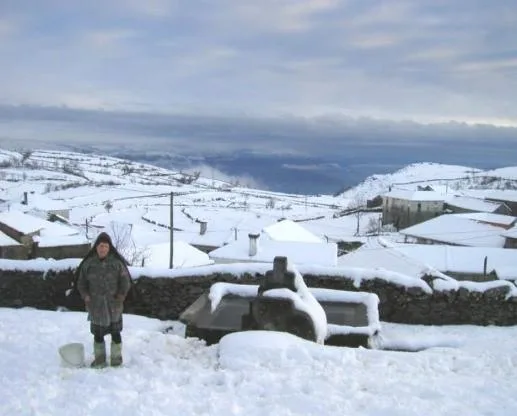
A year of village life became Volta à Terra.
Text size
Your choice is saved only in this browser.
In Volta à Terra, Uz becomes more than a name on a map. João Pedro Plácido’s documentary, from 2014, follows its residents through the four seasons. Farming, shepherding and bonds between those who left and those who stayed enter the story through individual people.
RTP’s presentation highlights António, a returning emigrant preparing the summer festival, and Daniel, a young shepherd seeking love. Work and affection appear in the same portrait. The credits identify João Pedro Plácido and Laurence Ferreira Barbosa as writers and record awards at Doclisboa and the Trento festival.
The film brings the village’s recent history closer without reducing it to stone houses or numbers. It is a view made during a particular period, shaped by filming and editing choices. Life in Uz continued after the cameras left. A documentary can open new questions about land, emigration and what makes someone want to stay or return.
Explore further: words and activities
Explore this story
Source and context
Accessed: . Editorial summary; the date of consultation is not the date of the facts.