When news had to cross the municipality
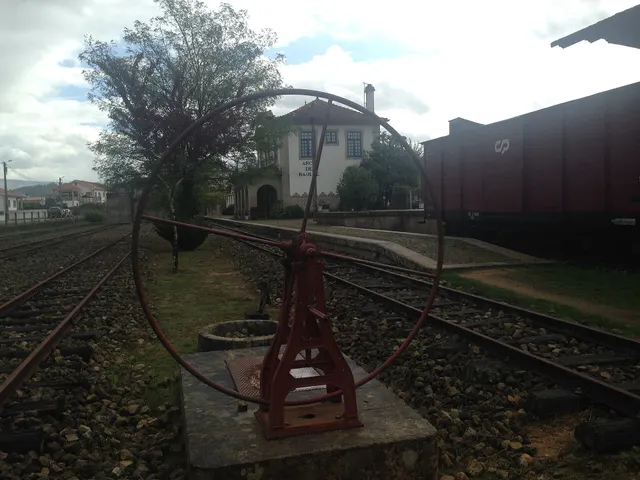

Before screens, paths, fairs and post connected communities.
Text size
Your choice is saved only in this browser.
Imagine waiting for news without opening your phone. In the 1758 parish accounts, several Cabeceiras parishes point to one place: Raposeira, in Refojos, where the post operated. Bucos’s account gives a distance of three-quarters of a league; Cavez’s, one league. News had a journey to make before reaching home.
The accounts do not agree on every detail. Refojos records arrival on Monday night; others, including Faia, on Tuesday. They share a Thursday departure. This small difference reminds us that a network was described from particular places and moments, without forcing every account into one version.
Fairs brought people together for other reasons. Arco had merchants and linen buyers; Olela gathered sellers in different months; Saint Michael’s fair belonged to the monastery’s world. The circulation of goods also created encounters.
Much later, the Tâmega railway’s arrival at Arco in 1949 added trains to this history of connections. Discovering Cabeceiras means following these changes of scale: village to post office, path to station, local conversation to news from far away.
Explore further: words and activities
Explore this story
Source and context
Municipality — Memory of Faia, 23/05/1758; transcript of José Viriato Chapel (2003)
Accessed:
Municipality — Núcleo Ferroviário de Arco de Baúlhe
Accessed:
Basto Land Museum — Presentation of Parish Memories, 08/02/2011
Accessed:
Municipality — parish account of Bucos (1758)
Accessed:
Municipality of Cabeceiras de Basto — Parish memories of 1758: Cavez
Accessed:
Municipality — Parish Memoirs of Santa Senhorinha (1758)
Accessed:
Município — Memórias Paroquiais de Refojos, 1758; transcrição de José Viriato Capela (2003)
Accessed:
Município — Memórias Paroquiais de Arco de Baúlhe, 1758; transcrição de José Viriato Capela (2003)
Accessed:
Editorial summary; the date of consultation is not the date of the facts.