Footwear can be read through its soles
ⓘ
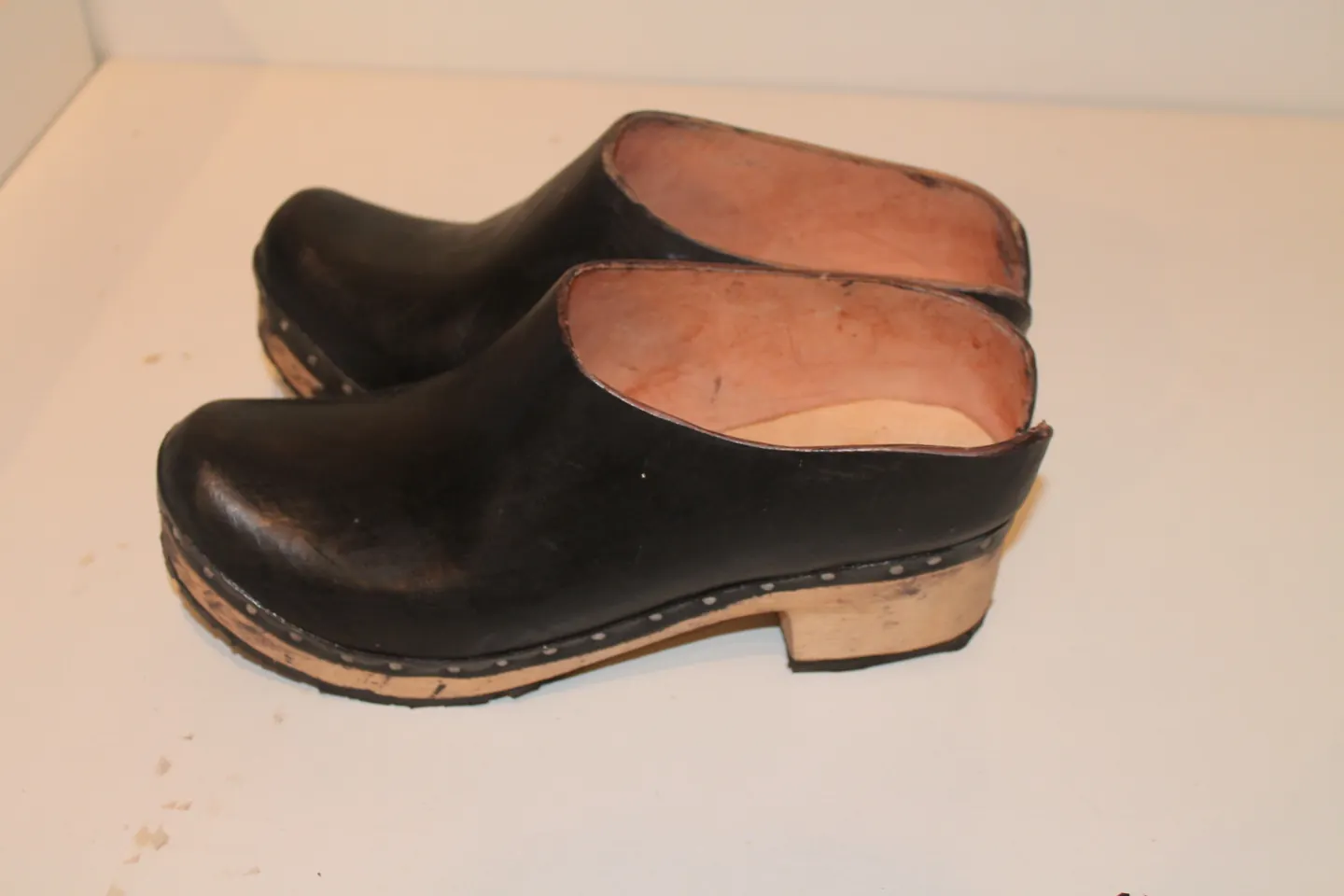
Basto-style men’s clogs with raised sides — designation in the Museum documentation.
Source: Museu das Terras de Basto
Photograph date not stated.
Individual photographer and reuse licence not stated by the source.
ⓘ
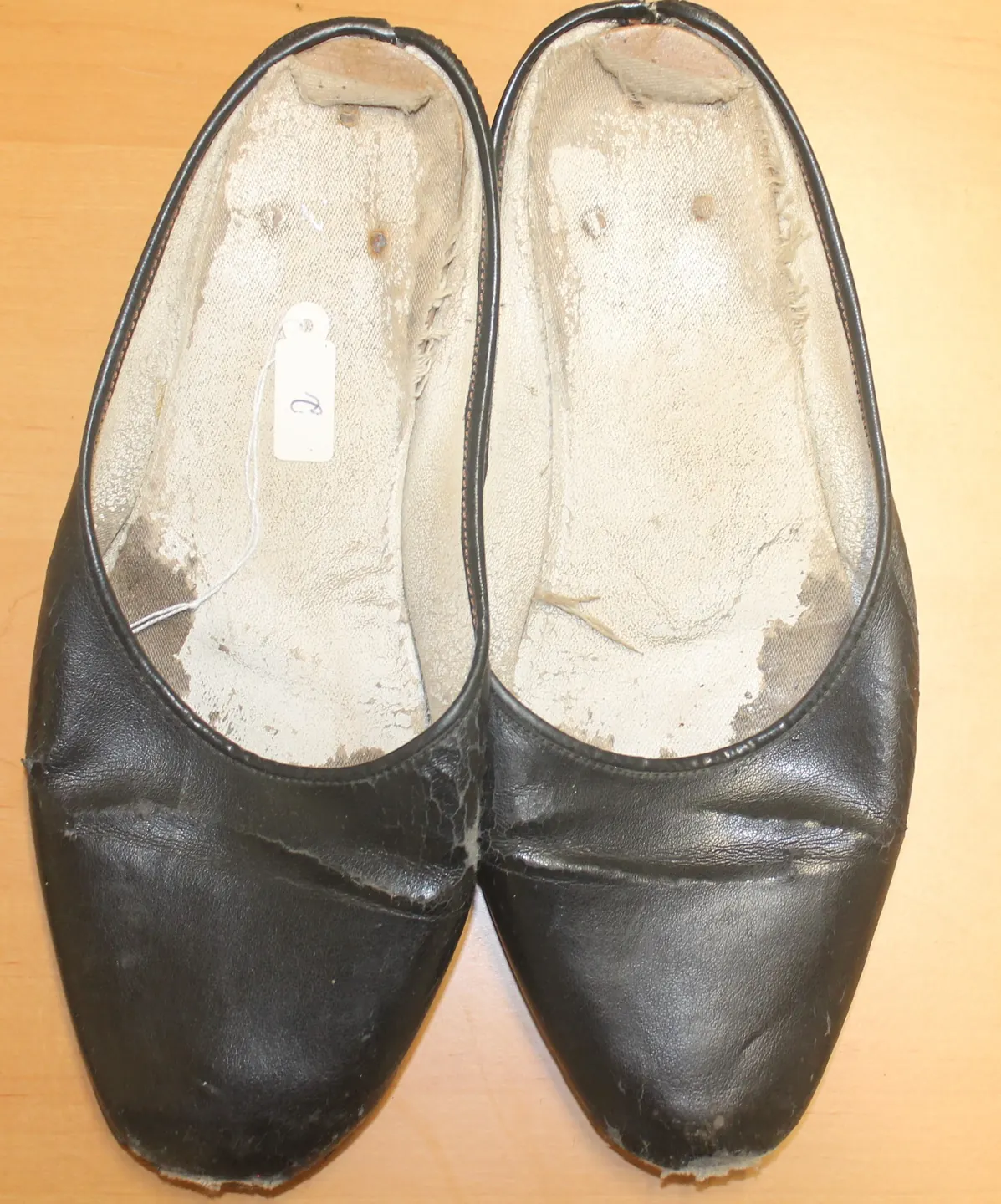
Slippers — designation in the Museum documentation.
Source: Museu das Terras de Basto
Photograph date not stated.
Individual photographer and reuse licence not stated by the source.
ⓘ
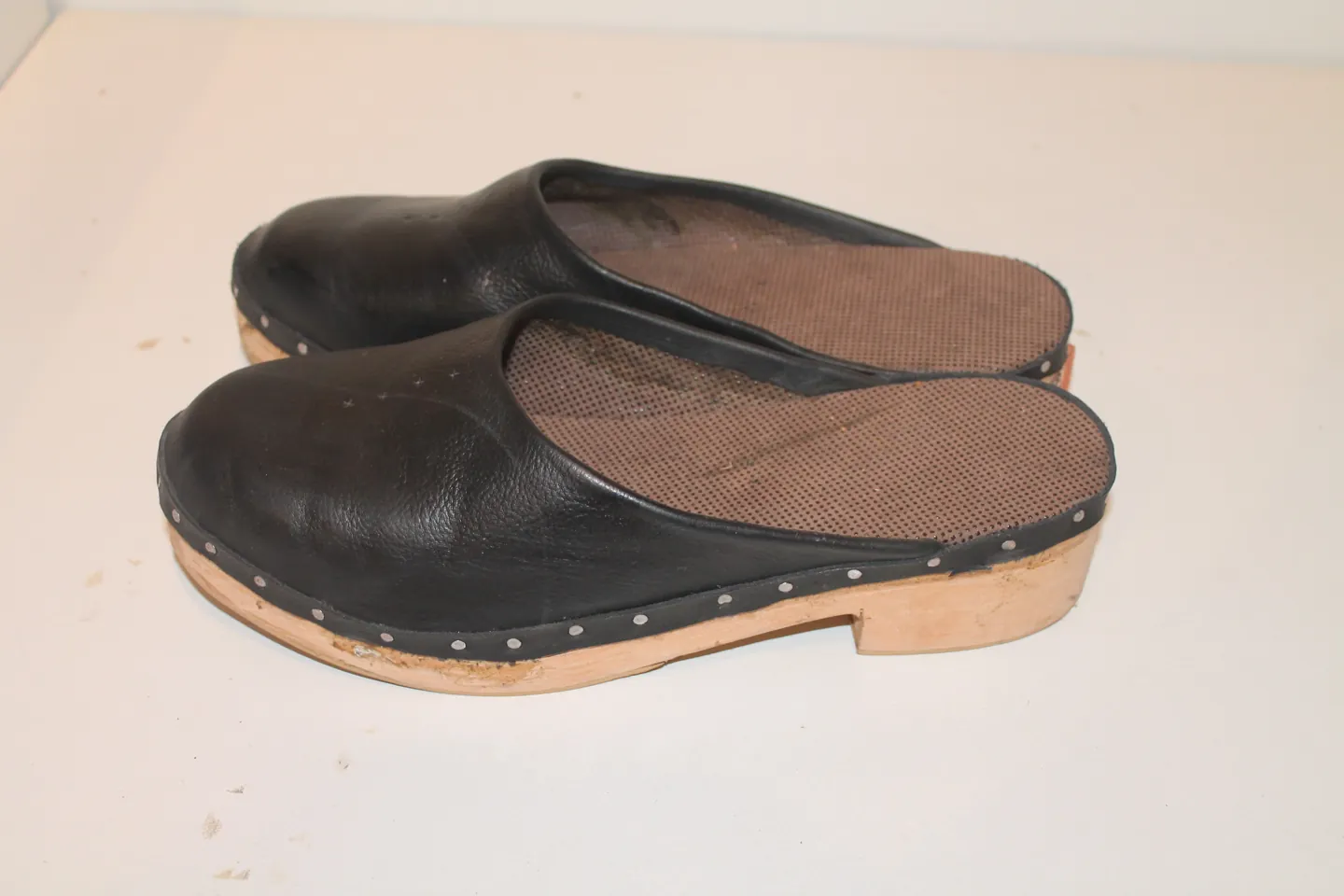
Rabaninhos or Póvoa-style clogs — designation in the Museum documentation.
Source: Museu das Terras de Basto
Photograph date not stated.
Individual photographer and reuse licence not stated by the source.
ⓘ
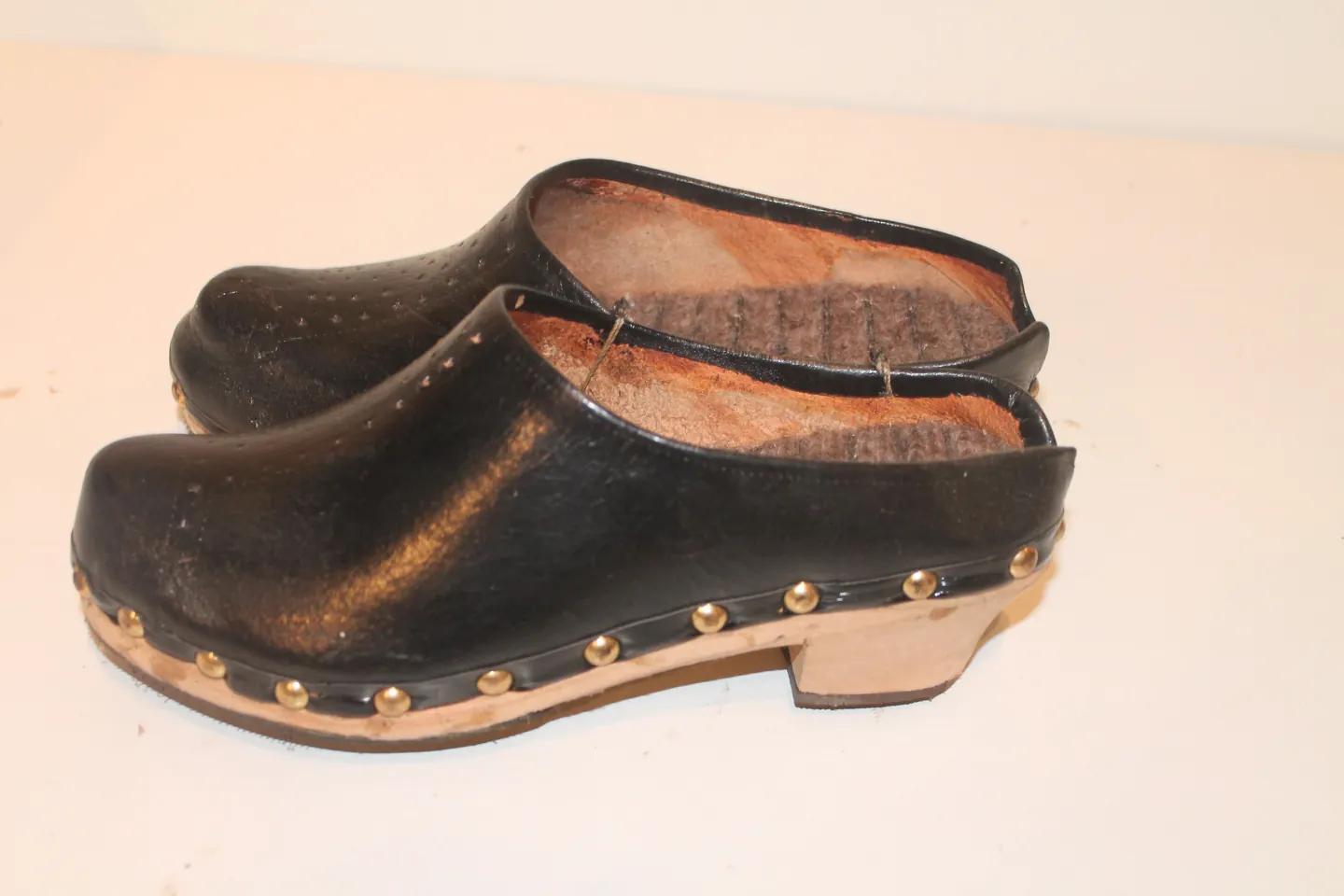
Women’s clogs with a full upper — designation in the Museum documentation.
Source: Museu das Terras de Basto
Photograph date not stated.
Individual photographer and reuse licence not stated by the source.
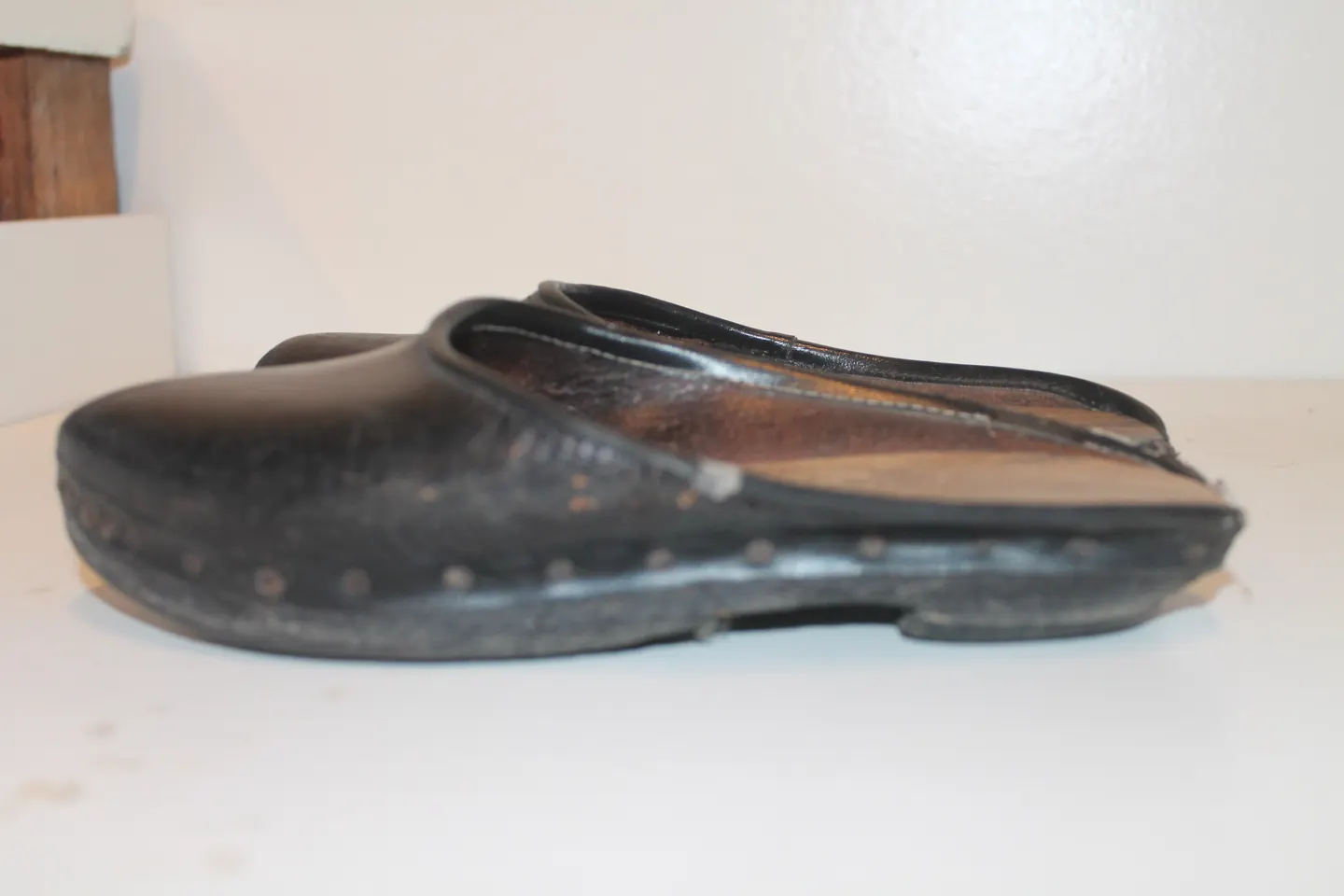
ⓘ
Full-upper clogs with a low cut — designation in the Museum documentation.
Source: Museu das Terras de Basto
Photograph date not stated.
Individual photographer and reuse licence not stated by the source.
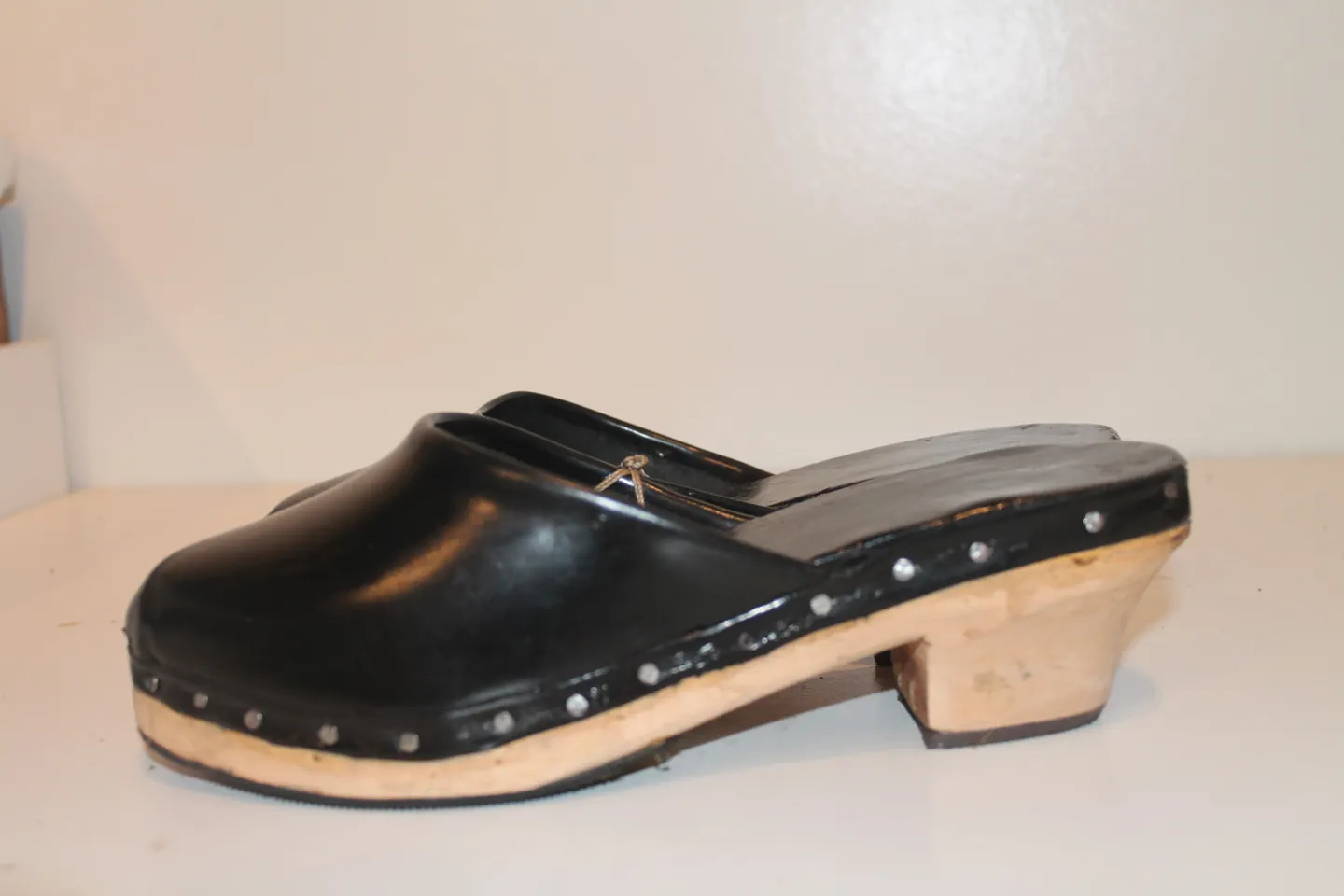
ⓘ
Women’s meia-peça clogs — designation in the Museum documentation.
Source: Museu das Terras de Basto
Photograph date not stated.
Individual photographer and reuse licence not stated by the source.
Wood, leather and different ways of supporting the foot.
Text size
Your choice is saved only in this browser.
The account published by the Museum in 2017 brings together memories from Outeiro and Cavez about wearing shoes and going barefoot. The gallery distinguishes slippers and different forms of clogs using examples identified by the source itself.
Compare the soles and the part enclosing the foot. Where can you see wood? Which pairs leave the heel freer? These are documented objects, not models guaranteed to be on sale today.
Explore further: words and activities
Explore this story
Source and context
Museu — De pés descalços ou calçados, 30/03/2017
Accessed: . Editorial summary; the date of consultation is not the date of the facts.