Discover Cabeceiras de BastoFree independent guide
ViveCabeceirasYOUR GUIDE TO CABECEIRAS
ENEnglish
SearchSaved
A ROAD TO FIND OUT

Reading journeys

A sequence of stories to read at your own pace. No travel involved.

Choose a topic or filterParish, time and activities
Choose an experiencePhotographs, recipes, questions and activities

First, the courses with stories highlighted in the novelties. The selection includes new or expanded texts.

37 reading journeys

Change options ↑
View all routes →
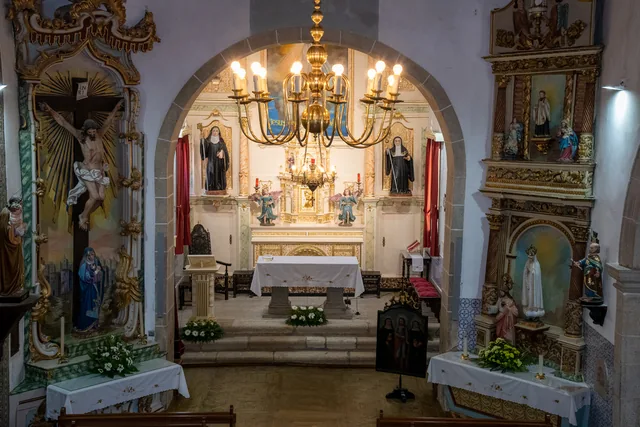
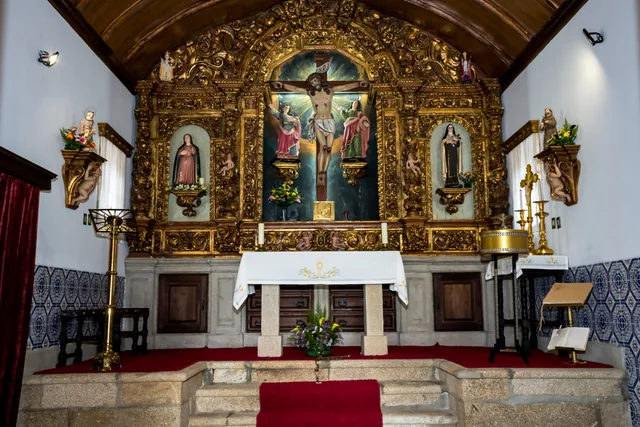
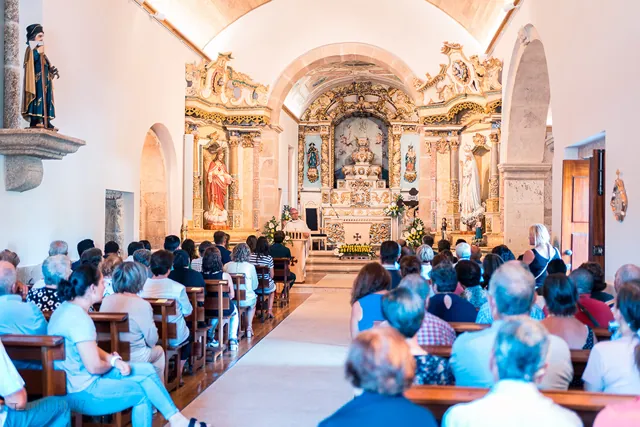
Interior of the church of São Tiago da Faia during the celebration documented by the Archdiocese in 2022.
DACS
ⓘ

Interior of the church of São Tiago da Faia during the celebration documented by the Archdiocese in 2022.

Fotografia: DACS

View source

Photograph date not stated.

Fotografia creditada como DACS na notícia da Arquidiocese; licença de reutilização não identificada.

Request removal or correct the photo credit

12 STORIES · CERCA DE 11 MIN

To Faia, between trades and devotions

Twelve stories to get to know Faia: the sixteen places told in 1758, agriculture, tannaria, manual footwear, chapels and the recent care of the heritage. Comparing names and testimonies, explores photographs and goes to the records of the church and the Lady of Amparo. Reading route, without indicating a visit itinerary.

Read the story highlighted →
More about this reading journeyComeçar pelo início →Read all below →
What am I gonna find out?
  1. A road helps explain Faia
  2. A parish told through sixteen settlements
  3. Tojeira did not stand still in one century
  4. In Faia, fruit matters too
  5. Wood holds the wine too
  6. In Faia, hands made footwear too
  7. Chapels among hills and houses
  8. Five altars to read a church
  9. A stream with a date to keep
  10. A year of work, a church reopened
  11. Roots and light renew a chapel
  12. The year was counted in fairs too
Things to try7 activities · 5 interactive explorations · 5 questions
Back to titles ↑
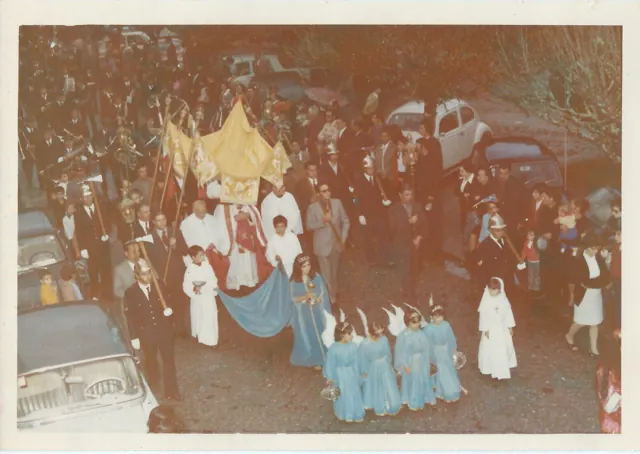
Archive photograph of the São Miguel festivities, shared by the Museum in 2024. Photograph date unidentified.
ⓘ

Archive photograph of the São Miguel festivities, shared by the Museum in 2024. Photograph date unidentified.

Source: Museu das Terras de Basto · Coleção de Maria Celeste Marques da Costa Lobo

View source

Photograph date not stated.

Individual photographer and reuse licence not stated by the source.

Request removal or correct the photo credit

5 HISTORIES · CERCA OF 4 MIN

Five looks on São Miguel

Five readings on fields, trips, fabrics, footwear and flavors. A chronology distinguishes the accounts from 1956 and 1977 from the publication of 2024; follow the links between trades and trades habits of the fair. Historical memories, without announcement of current programming.

Start reading →
More about this reading journeyRead all below →
What am I gonna find out?
  1. São Miguel in the harvest calendar
  2. The roads filled for the fair
  3. Textiles that left the village
  4. Two ox carts full of footwear
  5. Fresh chestnuts and earthenware mugs
Things to try1 activity · 2 interactive explorations · 2 questions
Back to titles ↑
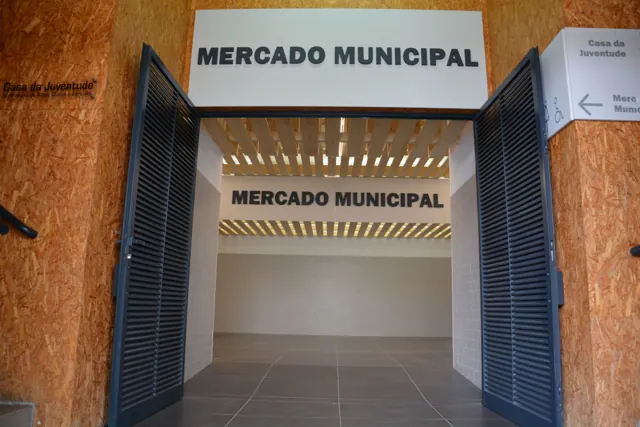
Entrance of the Municipal Market, in the municipal gallery.
ⓘ

Entrance of the Municipal Market, in the municipal gallery.

Source: Municipality of Cabeceiras de Basto

View source

Photograph date not stated.

Individual photographer and reuse licence not stated by the source.

Request removal or correct the photo credit

5 HISTORIES · CERCA OF 4 MIN

Places to learn, care and find

A scientist remembered in school, books, assistance, memory and meetings in the market. Five stories of people and institutions that are part of the life of the municipality. It is a sequence of reading, not a script with access to the buildings.

Start reading →
More about this reading journeyRead all below →
What am I gonna find out?
  1. A botanist in the school library’s name
  2. In Arco, books found a home in 2005
  3. Care is part of history too
  4. A stream in the story of Casa do Tempo
  5. The market is a meeting place too
Things to try1 activity · 1 interactive exploration · 2 questions
Back to titles ↑
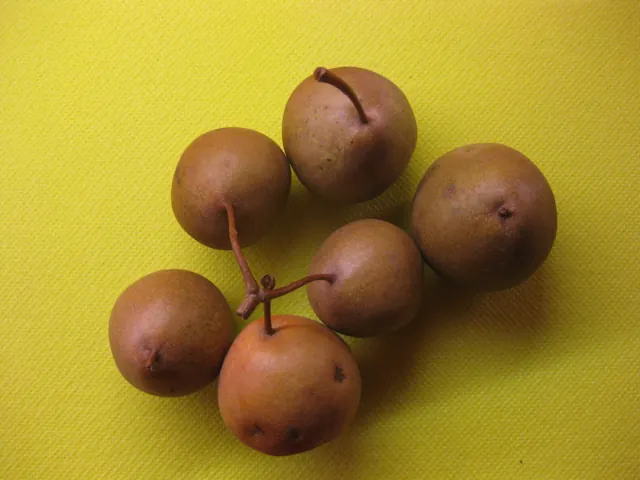
Codorno pears harvested in Bucos: the raw fruit, not the roasted preparation.
ⓘ

Codorno pears harvested in Bucos: the raw fruit, not the roasted preparation.

Source: Saberes cruzados

View source

Photograph date not stated.

Individual photographer and reuse licence not stated by the source.

Request removal or correct the photo credit

7 HISTORIES · CERCA OF 7 MIN

From fruit and vegetable to table

Seven readings between fruit, creoles, cabbages, identified meat of origin and market. Three recipes allow to accompany ingredients and steps, including roasted quails with or without wine. The stories link the table to the landscape, family memories and shopping.

Start reading →
More about this reading journeyRead all below →
What am I gonna find out?
  1. Fruit trees found a place in the park
  2. These codornos grow on a tree
  3. Alongside the steak, the greens matter too
  4. Greens with beans
  5. Barrosã: a name tied to its origins
  6. There is always room for dessert
  7. The market is a meeting place too
Things to try1 activity · 4 interactive explorations · 3 questions · 3 recipes
Back to titles ↑
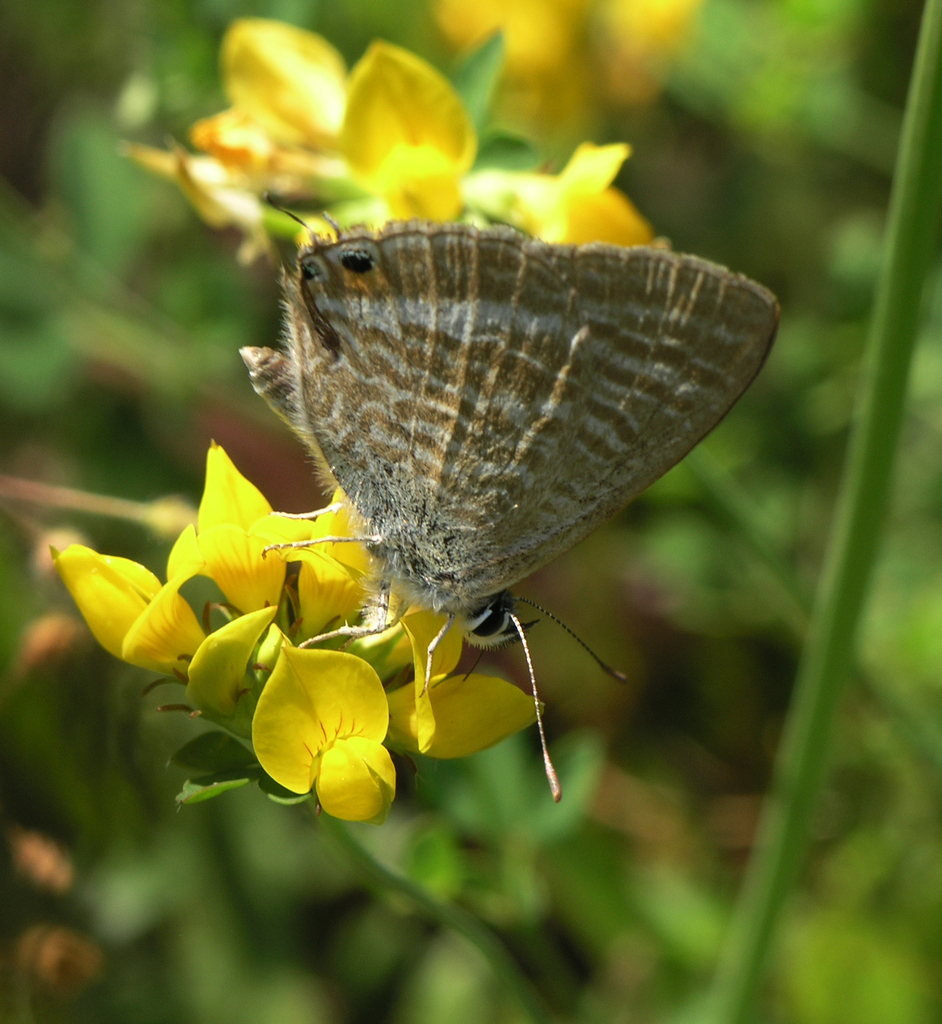
Lampides boeticus resting on yellow flowers with its wings together.
Pea Blue · Fotografia: Oleg Kosterin
About the photograph

Registration in the municipality of . One of the species addressed on this route.

Source: iNaturalist · CC-BY. No editing; screen size adjustment.

Request removal or correct the photo credit
7 HISTORIES · CERCA OF 6 MIN

From flowers to products of the earth

Pollen, visitors to flowers, shelters, honey and local cooperation. Seven readings link ecology and flavors, distinguishing general biology from history of Cabeceiras.

Start reading →
More about this reading journeyRead all below →
What am I gonna find out?
  1. From flower to flower, a shared task
  2. Small loads on tiny legs
  3. It looks like a wasp, but it may be a fly
  4. Not all bees look for the same home
  5. A calendar of flowers
  6. The landscape reaches the honey too
  7. Local products bring people together too
Things to try6 activities · 5 interactive explorations · 6 questions
Back to titles ↑
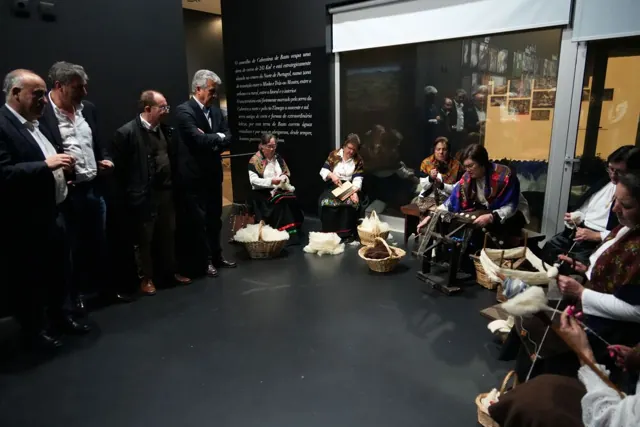
The Arts and Crafts gathering at Casa do Tempo, documented by the municipality in April 2025.
ⓘ

The Arts and Crafts gathering at Casa do Tempo, documented by the municipality in April 2025.

Source: Municipality of Cabeceiras de Basto

View source

Photograph date not stated.

Individual photographer and reuse licence not stated by the source.

Request removal or correct the photo credit

12 HISTORIES · CERCA OF 9 MIN

Outeiro: hands, paths and memory

Twelve stories to know the relief, archeology, crafts, pilgrimages and associative life of Outeiro. It compares three inventoried sites, enters a workshop and accompanies footwear to the fair. Schemes and activities help to explore; it is a reading route without indicating access to sites.

Start reading →
More about this reading journeyRead all below →
What am I gonna find out?
  1. The landscape offers a clue to the name
  2. Three sites, several layers of the past
  3. Baskets that hold knowledge
  4. Learning a craft beside a master
  5. Before the clog, a piece of alder
  6. Carolinas: a name to wear
  7. From the fair to work in the fields
  8. Two ox carts full of footwear
  9. A medieval image found in the earth
  10. When sculptures left the church
  11. Three names in a devotional calendar
  12. Outeiro and football
Things to try9 activities · 6 interactive explorations · 7 questions
Back to titles ↑
Routes 7–18Open another 12 suggestions from this selection.
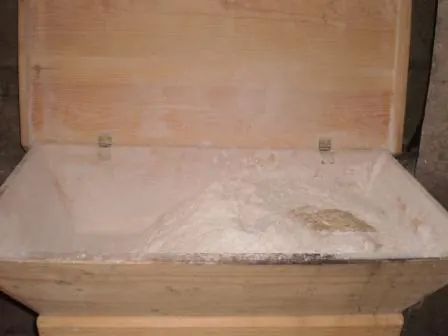
Flour and a portion of dough in the kneading trough — mixed-grain bread sequence documented by the Museum in Recovos, Pedraça.
ⓘ

Flour and a portion of dough in the kneading trough — mixed-grain bread sequence documented by the Museum in Recovos, Pedraça.

Source: Museu das Terras de Basto

View source

Photograph date not stated.

Individual photographer and reuse licence not stated by the source.

Request removal or correct the photo credit

9 HISTORIES · CERCA OF 10 MIN

Life hidden in bread dough

Nine stories follow the cereals to the pasta, the oven, the lunch and the bakery ads. Compare Recovos' recipe, the life of yeasts and the bread rituals. Ingredients and remarkable steps accompany the fountains; in the end, create an advertisement inspired by the memory of 1939.

Start reading →
More about this reading journeyRead all below →
What am I gonna find out?
  1. Before the bread, there was a field
  2. Some fungi have no cap
  3. The bread kept the next batch alive
  4. This broa blends rye and wheat
  5. Before the bread, this bolo went in
  6. The oven gave a sign
  7. Words went into the bread too
  8. A snack with bread still warm
  9. Bread was advertised in verse too
Things to try4 activities · 5 interactive explorations · 7 questions · 2 recipes
Back to titles ↑
Interior of Santa Senhorinha church.
ⓘ

Interior of Santa Senhorinha church.

Source: Visit Cabeceiras — Município de Cabeceiras de Basto

View source

Photograph date not stated.

Individual photographer and reuse licence not stated by the source.

Request removal or correct the photo credit

7 HISTORIES · CERCA OF 6 MIN

Santa Senhorinha: water, encounters and memory

Seven stories to link the river to the fields, bridges, fairs and news. Explore the links between readings and set up a mail calendar of 1758. The old documents keep their dates; do not announce current services or parties.

Start reading →
More about this reading journeyRead all below →
What am I gonna find out?
  1. The river became part of farming life
  2. Not every bridge was made of stone
  3. Olela had days for gathering
  4. When parishes came together
  5. A church told through images
  6. Bread, wine and olive oil in a portrait of the land
  7. News depended on Raposeira
Things to try4 activities · 3 interactive explorations · 3 questions
Back to titles ↑
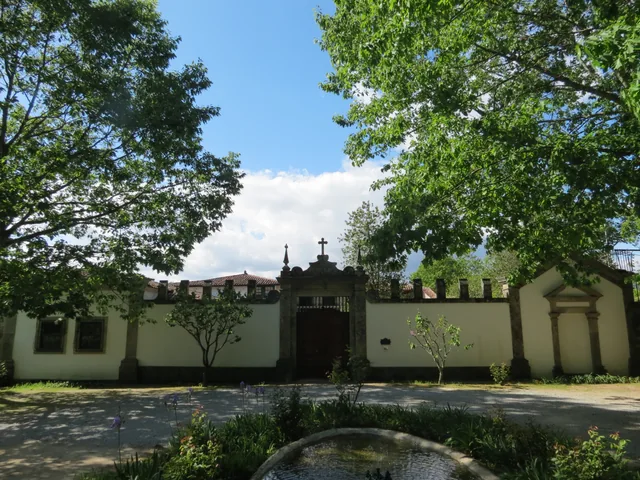
Casa de Pielas and garden.
ⓘ

Casa de Pielas and garden.

Source: Museu das Terras de Basto

View source

Photograph date not stated.

Individual photographer and reuse licence not stated by the source.

Request removal or correct the photo credit

9 HISTORIES · CERCA OF 7 MIN

Painzela: gardens and layers of memory

Nine readings between gardens, chapels, documents and people. Opens the chronologies, distinguishes dates from buildings and documents and knows the route of Baltazar Castro. It is a reading sequence, without assuming access to private properties.

Start reading →
More about this reading journeyRead all below →
What am I gonna find out?
  1. One house, two centuries in view
  2. Plants shaped by human hands
  3. Water shapes the garden at Piellas
  4. A chapel helps us read a house
  5. How was a parish counted?
  6. Painzela was not isolated
  7. A chapel leaves a trail in the archive
  8. From Painzela to leading monument conservation
  9. A parish meets through games and song
Things to try4 activities · 6 interactive explorations · 5 questions
Back to titles ↑
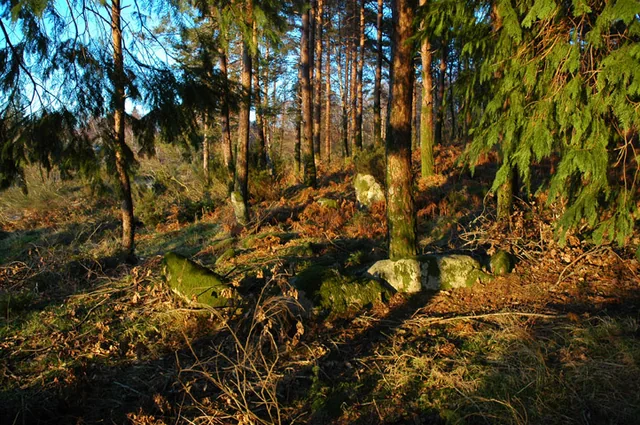
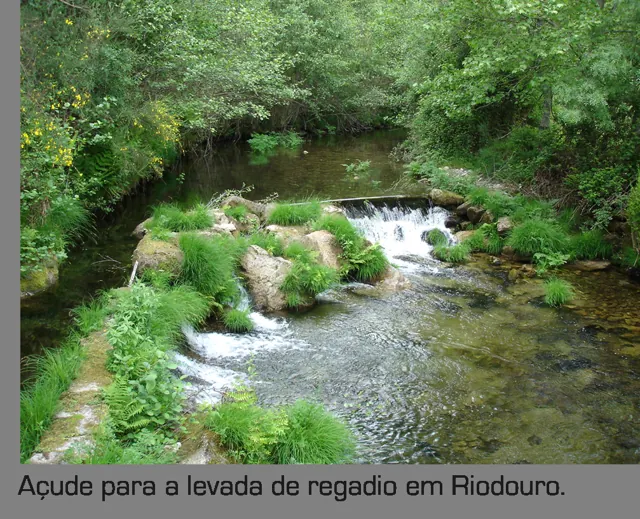
Remains of Aldeia Velha de Toninha.
ⓘ

Remains of Aldeia Velha de Toninha.

Source: Carta Arqueológica de Cabeceiras de Basto

View source

Photograph date not stated.

Autoria da fotografia e licença de reutilização não identificadas na fonte.

Request removal or correct the photo credit

11 STORIES · CERCA DE 11 MIN

Riodouro: from mountain to water

Eleven readings between villages, chapels, watering, animals and work. Compares the portrait of 1758, knows the pison and ends in the memory of collective shepherding of Cambezes. Reports maintain their time and do not define current conditions of visit.

Start reading →
More about this reading journeyRead all below →
What am I gonna find out?
  1. Moscoso looks out over the valley
  2. Fifteen settlements, a network of chapels
  3. From spring to fields
  4. Two rivers tell a parish’s story
  5. In summer, the water took other paths
  6. Fish in an old portrait
  7. Animals remembered in the mountains
  8. Water worked the wool too
  9. Granite shapes the village too
  10. The village that remained in memory
  11. The herd was the village’s concern too
Things to try8 activities · 4 interactive explorations · 3 questions
Back to titles ↑
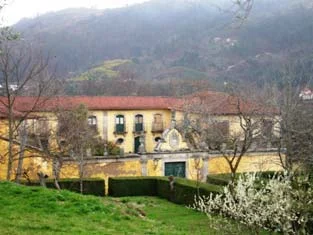
Municipal archive photograph: Casa da Breia.
Overview of Casa da Breia · municipal inventory photographⓘ
9 HISTORIES · CERCA OF 7 MIN

St Nicholas: water, houses and paths

Nine stories between water, houses and collective life of São Nicolau. From the bridges and mills described in 1758 to the use of water in Covas, compares documents from different times. It continues by architecture, by the old school and by the memory that dances.

Start reading →
More about this reading journeyRead all below →
What am I gonna find out?
  1. A landscape described in 1758
  2. Bridges put to the winter test
  3. Water irrigated fields and made olive oil
  4. A hollowed log channelled the water’s power
  5. Three houses, three details
  6. Five altars, many stories
  7. When a chapel shortened the journey
  8. The school brought the village together again
  9. A memory you can dance
Things to try5 activities · 3 interactive explorations · 1 question
Back to titles ↑
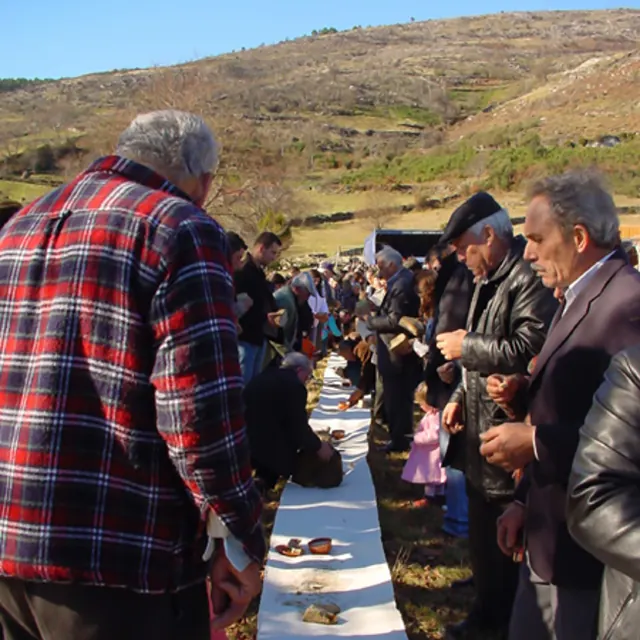
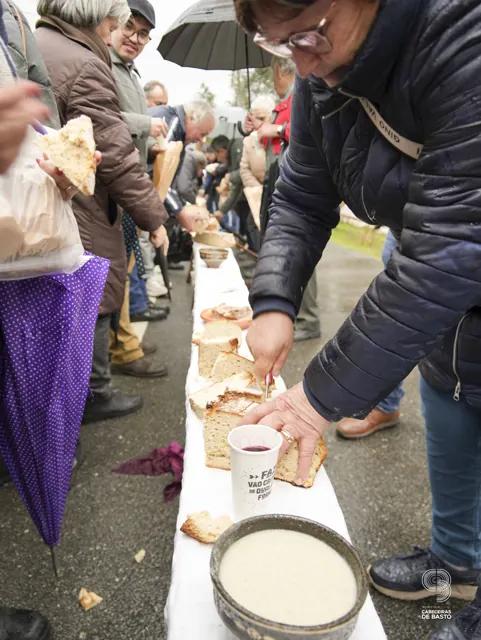
Sharing at the table during Samão’s Festa das Papas, in the municipal documentation.
ⓘ

Sharing at the table during Samão’s Festa das Papas, in the municipal documentation.

Source: Municipality of Cabeceiras de Basto

View source

Photograph date not stated.

Individual photographer and reuse licence not stated by the source.

Request removal or correct the photo credit

12 HISTORIES · CERCA OF 9 MIN

Gondiães e Vilar de Cunhas: do and share

Twelve stories link documents, villages, bridges, water, crafts and sharing of the popes. Draws the levada of the neighborhood, compares materials and discovers the people behind the memories. It is a path of reading, without implicit visits or events.

Start reading →
More about this reading journeyRead all below →
What am I gonna find out?
  1. Two old portraits, two ways of counting
  2. Vilar looks towards the Beça
  3. Three bridges, three stories of passage
  4. Four pools and a shared irrigation channel
  5. A village, a manor house and two legends
  6. Barrosã cattle helped work the land
  7. Wool became socks too
  8. A house with three granaries
  9. A house organised the celebration
  10. Broa gained a new tool
  11. A rod measures the sharing
  12. Keeping Samão’s memory alive
Things to try12 activities · 4 interactive explorations · 8 questions
Back to titles ↑
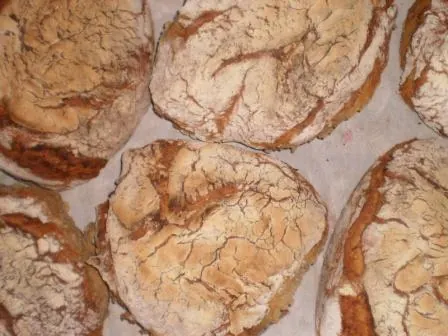
The mixed-grain bread after baking — mixed-grain bread sequence documented by the Museum in Recovos, Pedraça.
ⓘ

The mixed-grain bread after baking — mixed-grain bread sequence documented by the Museum in Recovos, Pedraça.

Source: Museu das Terras de Basto

View source

Photograph date not stated.

Individual photographer and reuse licence not stated by the source.

Request removal or correct the photo credit

5 HISTORIES · CERCA OF 6 MIN

Before the table, the earth

The work of a bovine race, the origin of a product, the cereals of a bread, the heathers of honey and the beans of a sweet. Five stories about what gives identity to flavors.

Start reading →
More about this reading journeyRead all below →
What am I gonna find out?
  1. Barrosã cattle helped work the land
  2. Barrosã: a name tied to its origins
  3. This broa blends rye and wheat
  4. The landscape reaches the honey too
  5. Beans make it to dessert too
Things to try3 activities · 2 interactive explorations · 1 question · 1 recipe
Back to titles ↑
Water capture for mills, documented by the Museu das Terras de Basto.
ⓘ

Water capture for mills, documented by the Museu das Terras de Basto.

Source: Museu das Terras de Basto

View source

Photograph date not stated.

Individual photographer and reuse licence not stated by the source.

Request removal or correct the photo credit

9 HISTORIES · CERCA OF 8 MIN

From water to bread

Nine stories to follow the water saved, the levada, the floors of the mill and the way to the table. The reading of Levada de Víbora links these explanations to the landscape of Abadim; the track record retains practical information. A path to read and explore.

Start reading →
More about this reading journeyRead all below →
What am I gonna find out?
  1. Before milling, water had to be stored
  2. Water had a built route too
  3. Follow the water’s path
  4. Grinding above, movement below
  5. Water had its turn
  6. The Peio made flour too
  7. Maize left its mark on the village
  8. The bread kept the next batch alive
  9. A snack with bread still warm
Things to try6 activities · 3 interactive explorations · 6 questions
Back to titles ↑
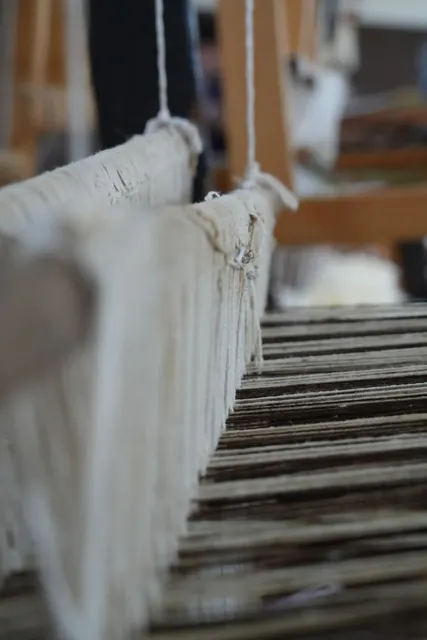
Loom and threads at Casa da Lã in Bucos.
ⓘ

Loom and threads at Casa da Lã in Bucos.

Source: Municipality of Cabeceiras de Basto

View source

Photograph date not stated.

Individual photographer and reuse licence not stated by the source.

Request removal or correct the photo credit

8 HISTORIES · CERCA OF 7 MIN

The hand-made mountains

Eight stories about between help, water, harvests, wool, fabrics and materials of the houses. Find out how the work connected the villages to the fairs and try to organize a wheel of shifts on paper. It is a reading route, without displacements.

Start reading →
More about this reading journeyRead all below →
What am I gonna find out?
  1. The herd was the village’s concern too
  2. Water had its turn
  3. Maize left its mark on the village
  4. Clothing for mountain life
  5. Textiles that left the village
  6. Water worked the wool too
  7. Stone walls, thatched roofs
  8. Learning a craft beside a master
Things to try6 activities · 4 interactive explorations · 5 questions
Back to titles ↑
Sharing food at the Festa das Papas in Gondiães, 20 January 2026.
ⓘ

Sharing food at the Festa das Papas in Gondiães, 20 January 2026.

Source: Municipality of Cabeceiras de Basto

View source

Date given at source: .

Individual photographer and reuse licence not stated by the source.

Request removal or correct the photo credit

5 HISTORIES · CERCA OF 4 MIN

At the village table

From family kitchen to shared party: five stories about food, objects and mutual help.

Start reading →
More about this reading journeyRead all below →
What am I gonna find out?
  1. At Christmas, back to the hearth
  2. Lunch at nine in the morning?
  3. Sweets had luggage too
  4. The papas begin before dawn
  5. A rod measures the sharing
Things to try3 activities · 2 interactive explorations · 2 questions
Back to titles ↑
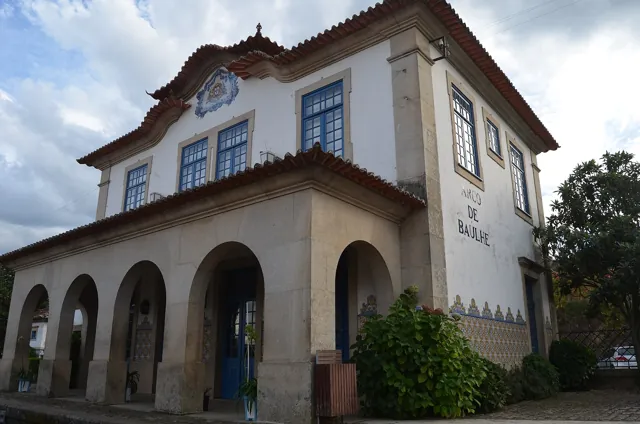
Arco de Baúlhe station building with its arched gallery.
Pedro from Maia (Porto), Portugal
ⓘ

Arco de Baúlhe station building with its arched gallery.

Photography: Pedro from Maia (Porto), Portugal · CC BY 2.0

View source

Date given at source: .

Request removal or correct the photo credit

9 HISTORIES · CERCA OF 8 MIN

A season, many stories

Nine stories follow the arrival of the line, the vehicles, the life of the station and the transformation of the channel into Ecopist. Two chronologies distinguish works and new uses. Matamá Bridge is in Celorico from Basto; this is a reading sequence, not a pedestrian itinerary.

Start reading →
More about this reading journeyRead all below →
What am I gonna find out?
  1. A railway took forty years to arrive
  2. To reach Arco, the line had to cross another valley
  3. The tiles arrived before the train
  4. A seat in third class
  5. A petrol engine on the rails
  6. A small jug helped care for the train
  7. A station that blossomed too
  8. The train stopped, the memory stayed
  9. New footsteps on the old line
Things to try5 activities · 5 interactive explorations · 4 questions
Back to titles ↑
Grape-harvesting tool MTB 437 — inventory presented by the Terras de Basto Museum.
Grape-harvesting tool MTB 437
ⓘ

Grape-harvesting tool MTB 437 — inventory presented by the Terras de Basto Museum.

Source: Museu das Terras de Basto

View source

Photograph date not stated.

Individual photographer and reuse licence not stated by the source.

Request removal or correct the photo credit

9 HISTORIES · CERCA OF 8 MIN

The vineyard tells stories

From the climate to the names of the grapes, from terraces to vintage utensils: nine stories to know the vineyard of Basto. Compare grape varieties and build a map of local names. Reading tour, no trips or evidence included.

Start reading →
More about this reading journeyRead all below →
What am I gonna find out?
  1. Summer helps choose the grapes
  2. The vines climb the hillside
  3. A partridge’s foot, but in the vineyard
  4. Batoca: a grape variety that likes company
  5. A toad’s eye, but in the vineyard
  6. This Padeiro grows in the vineyard
  7. A “fingernail” for the grape harvest
  8. Wood holds the wine too
  9. Carrying and measuring in one container
Things to try5 activities · 3 interactive explorations · 3 questions
Back to titles ↑
Routes 19–30Open another 12 suggestions from this selection.
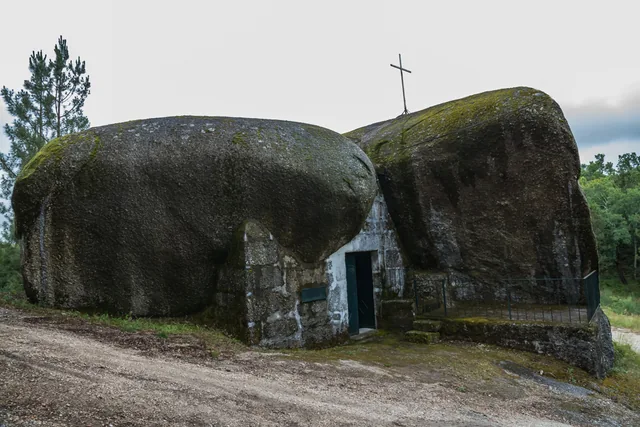
Santa Catarina chapel between granite boulders.
ⓘ

Santa Catarina chapel between granite boulders.

Source: Visit Cabeceiras — Município de Cabeceiras de Basto

View source

Photograph date not stated.

Individual photographer and reuse licence not stated by the source.

Request removal or correct the photo credit

11 HISTORIES · CERCA OF 7 MIN

Alvite: from fields to memory

Eleven readings link fields, water, work, fair, justice, church and chapels of Alvite. It compares the strength of animals with the uses of water and the different charges of places of worship. The memories of 1758 preserve their time; the sequence does not indicate a walk.

Start reading →
More about this reading journeyRead all below →
What am I gonna find out?
  1. There was more than maize in the fields
  2. Orada changed from summit to valley
  3. Storing water from the hillside
  4. When animals powered the oil mill
  5. The bulls came from Barroso
  6. One place, two jurisdictions
  7. The earthquake entered Alvite’s account
  8. Orada was grazing land too
  9. Three altars in one nave
  10. Six chapels, different responsibilities
  11. A chapel against the rock
Things to try8 activities · 6 interactive explorations · 6 questions
Back to titles ↑
Loom and threads at Casa da Lã in Bucos.
ⓘ

Loom and threads at Casa da Lã in Bucos.

Source: Municipality of Cabeceiras de Basto

View source

Photograph date not stated.

Individual photographer and reuse licence not stated by the source.

Request removal or correct the photo credit

8 HISTORIES · CERCA OF 8 MIN

Bucos: wool, fields and paths

Eight stories link wool, fields, rivers, mail and places of worship of Bucos. It compares the daily life of 1758 with the transmission of crafts in 2024–2026, including a meeting in Rio Douro. The Casa da Lã has its own record to prepare a visit.

Start reading →
More about this reading journeyRead all below →
What am I gonna find out?
  1. Clothing for mountain life
  2. Bucos’s wool travels with those who teach
  3. Three grains in one landscape
  4. Two rivers lost their names
  5. A small bridge on a long route
  6. Letters arrived through another place
  7. A chapel shortened the distance
  8. Gold and red in the church
Things to try8 activities · 5 interactive explorations · 5 questions
Back to titles ↑
Olive oil measure L 95 — two litres
ⓘ

Olive oil measure L 95 — two litres

Source: Museu das Terras de Basto

View source

Photograph date not stated.

Individual photographer and reuse licence not stated by the source.

Request removal or correct the photo credit

7 HISTORIES · CERCA OF 7 MIN

Bread, oil and names of the vineyard

Seven stories link the mill, measures, transport and table to the bread and castes of Basto. Try to calculate capabilities, choose the container for each task and open the documented Recovos recipe. A path of reading between objects, ingredients and people.

Start reading →
More about this reading journeyRead all below →
What am I gonna find out?
  1. From the Petimão to the olive press
  2. How much did a quartilho hold?
  3. Olive oil travelled in this case
  4. Olive oil had a table vessel too
  5. This broa blends rye and wheat
  6. Batoca: a grape variety that likes company
  7. A ripe grape can still be green
Things to try3 activities · 5 interactive explorations · 5 questions · 1 recipe
Back to titles ↑
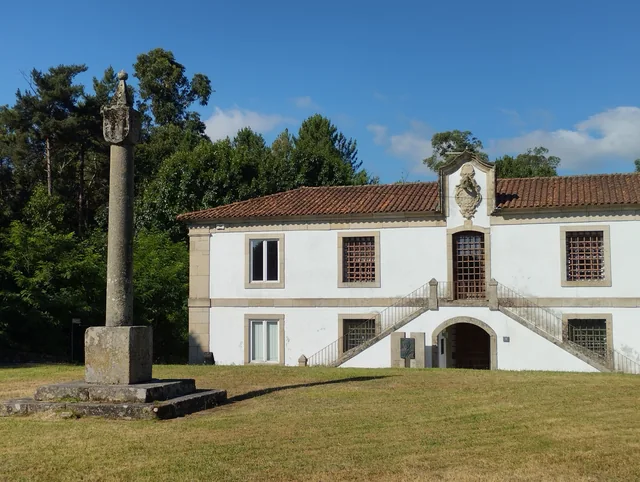
Casa da Música and pillory in Pereiras.
ⓘ

Casa da Música and pillory in Pereiras.

Source: Museu das Terras de Basto

View source

Photograph date not stated.

Individual photographer and reuse licence not stated by the source.

Request removal or correct the photo credit

6 HISTORIES · CERCA OF 5 MIN

Places also change their lives

Jail, school, fairs, football field, train and monastery: six stories link buildings and paths to people's lives.

Start reading →
More about this reading journeyRead all below →
What am I gonna find out?
  1. From prison to music
  2. A street holds crafts too
  3. Feira dos Trinta had a meeting day
  4. When football gained a pitch
  5. Freight had its appointed day
  6. After the monks, new lives
Things to try3 activities · 3 interactive explorations · 4 questions
Back to titles ↑
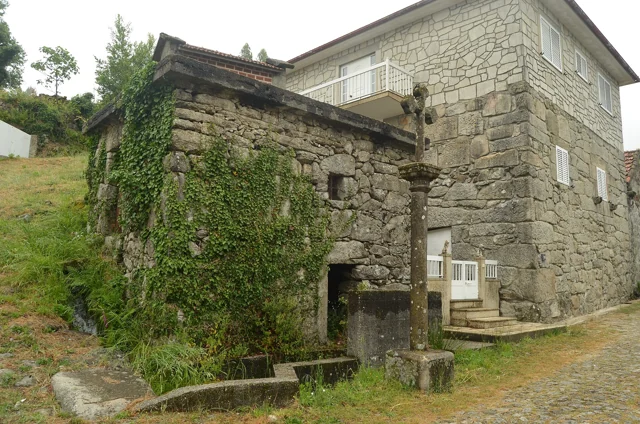
A corner of Carrazedo, Bucos, with a fountain, stone cross and stone buildings.
Place linked to this story: Carrazedo© Pedro from Maia (Porto), Portugalⓘ
8 HISTORIES · CERCA OF 6 MIN

The water that gathered the village

Follow the water between canals, fields and equipment. Compare forms of sharing and discover how an open levada passed the plumbing in Alvite. Historical documents help to read changes in the landscape; do not indicate current conditions of access.

Start reading →
More about this reading journeyRead all below →
What am I gonna find out?
  1. Two pools, shared water
  2. Four pools and a shared irrigation channel
  3. Water had a calendar
  4. One water supply, several tasks
  5. The Peio made flour too
  6. The stones on the way to the mill
  7. Water had its turn
  8. The water changed its path
Things to try5 activities · 1 interactive exploration · 5 questions
Back to titles ↑
Painzela’s old olive press — photograph from the 2008 municipal inventory.
Painzela’s old olive press
ⓘ

Painzela’s old olive press — photograph from the 2008 municipal inventory.

Source: Municipality of Cabeceiras de Basto

View source

Photograph date not stated.

Individual photographer and reuse licence not stated by the source.

Request removal or correct the photo credit

6 HISTORIES · CERCA OF 5 MIN

Painzela, by the way of water

Six readings on water and transformation in Painzela: watering, moving a mill, going to electricity and drawing a garden. Comparing documents and representing the connections. It is a reading route, without displacements.

Start reading →
More about this reading journeyRead all below →
What am I gonna find out?
  1. Seven users shared the channel
  2. The stream powered the oil mill
  3. When the oil mill changed its power source
  4. Water shapes the garden at Piellas
  5. One house, two centuries in view
  6. Two rivers meet at Ranha
Things to try3 activities · 5 interactive explorations · 4 questions
Back to titles ↑
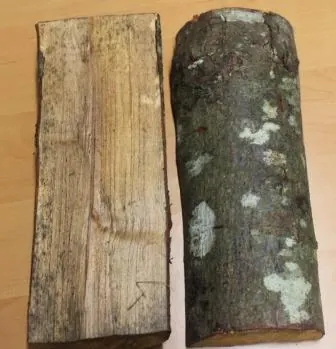
Alder log T13
Alder log T13
ⓘ

Alder log T13

Source: Museu das Terras de Basto

View source

Photograph date not stated.

Individual photographer and reuse licence not stated by the source.

Request removal or correct the photo credit

7 HISTORIES · CERCA OF 5 MIN

From wood to path

Raw material, learning, tools and change of craft: seven stories follow the footwear to the fair and to the pilgrimage. Includes questions and a design proposal, without visits to workshops.

Start reading →
More about this reading journeyRead all below →
What am I gonna find out?
  1. Before the clog, a piece of alder
  2. Learning a craft beside a master
  3. From clogs to shoes in Cacheina
  4. Pull, pierce and nail: making a clog
  5. Carolinas: a name to wear
  6. Two ox carts full of footwear
  7. To the pilgrimage, clogs in hand
Things to try4 activities · 2 interactive explorations · 6 questions
Back to titles ↑
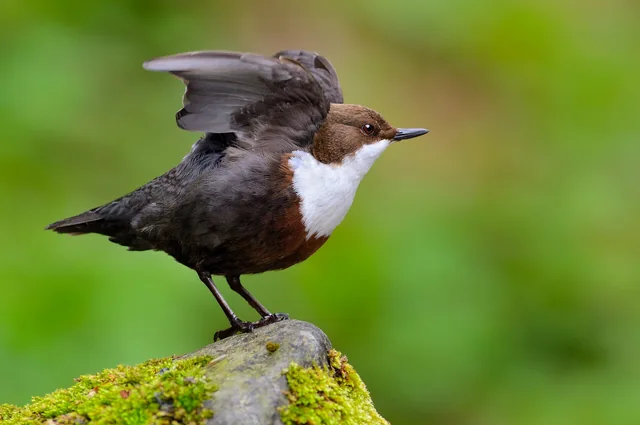
White-throated dipper with open wings.
White-throated dipper with open wings.Illustrative photograph
Олексій Карпенко
ⓘ

White-throated dipper with open wings.

Photography: Олексій Карпенко · CC BY-SA 4.0

View source

Date given at source: .

Request removal or correct the photo credit

8 HISTORIES · CERCA OF 8 MIN

Water: memory, work and life

From the wooden bridge to the seeds of the alder: eight readings link ancient testimonies, rural work and life on the shores. Each story indicates its time and scope. It is a sequence to read, not a pedestrian itinerary.

Start reading →
More about this reading journeyRead all below →
What am I gonna find out?
  1. A bridge for loaded carts
  2. Bridges put to the winter test
  3. Water irrigated fields and made olive oil
  4. Seven users shared the channel
  5. Fish that entered the written record
  6. The river has a woodland too
  7. Seeds that travel by water
  8. A small bird that dives
Things to try6 activities · 7 interactive explorations · 4 questions
Back to titles ↑
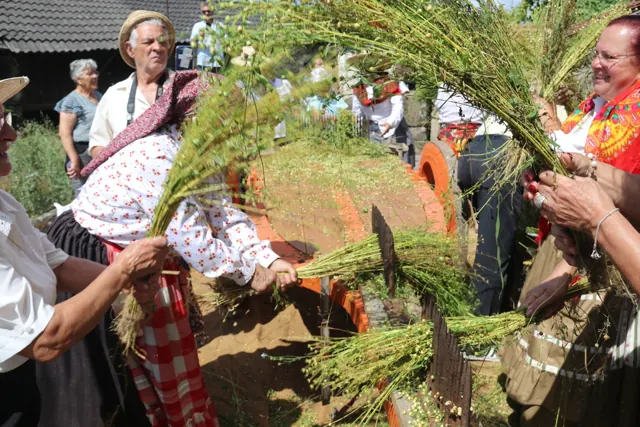
Flax work at the July 2024 gathering in Pedraça.
ⓘ

Flax work at the July 2024 gathering in Pedraça.

Source: Municipality of Cabeceiras de Basto

View source

Photograph date not stated.

Individual photographer and reuse licence not stated by the source.

Request removal or correct the photo credit

8 HISTORIES · CERCA OF 7 MIN

Hands bring materials to life

From plant to yarn, from fabric to footwear and from metal to watering: eight stories connect materials, people and creativity. Open the words of crafts and try to imagine an object of yours.

Start reading →
More about this reading journeyRead all below →
What am I gonna find out?
  1. From flax to the home
  2. Spinning is not weaving
  3. A bowl of seeds, a skill passed on
  4. Clothing for mountain life
  5. Linen and wool took new steps
  6. When sheet metal took shape
  7. A blue watering can tells of work
  8. Olive oil travelled in this case
Things to try5 activities · 3 interactive explorations · 5 questions
Back to titles ↑
4 HISTORIES · CERCA OF 3 MIN

Dick game: a moving know-how

Four readings link the schools of Bucos and Abadim to the work of wood, to the past of the fairs and to the memory of those who emigrated. Know a tradition in transformation, without confusing the testimonies with a calendar of lessons.

Start reading →
More about this reading journeyRead all below →
What am I gonna find out?
  1. Knowledge passed from hand to hand
  2. Before the game comes woodwork
  3. Fairs had a side of conflict too
  4. Leaving with memories of the game
Things to try3 activities · 1 interactive exploration · 2 questions
Back to titles ↑
The Arts and Crafts gathering at Casa do Tempo, documented by the municipality in April 2025.
ⓘ

The Arts and Crafts gathering at Casa do Tempo, documented by the municipality in April 2025.

Source: Municipality of Cabeceiras de Basto

View source

Photograph date not stated.

Individual photographer and reuse licence not stated by the source.

Request removal or correct the photo credit

6 HISTORIES · CERCA OF 4 MIN

A house, many small inventions

Make light, transport fuel, heat and prepare food: six stories of objects documented by the Museum. Discover everyday gestures, materials and differences that an inventory number helps to preserve.

Start reading →
More about this reading journeyRead all below →
What am I gonna find out?
  1. When sheet metal took shape
  2. Light in a small object
  3. Two containers behind the light
  4. Warmth in a copper object
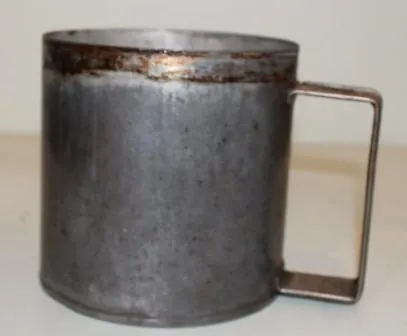
  5. This mug made coffee
  6. A funnel for making alheiras
Things to try3 activities · 3 interactive explorations · 1 question
Back to titles ↑
Arco de Baúlhe station building with its arched gallery.
Pedro from Maia (Porto), Portugal
ⓘ

Arco de Baúlhe station building with its arched gallery.

Photography: Pedro from Maia (Porto), Portugal · CC BY 2.0

View source

Date given at source: .

Request removal or correct the photo credit

10 STORIES · CERCA DE 9 MIN

The Tâmega line tells stories

From the Arch station to the lighting, signalling, maintenance and transport parts of the mail: ten readings on the railway memory and the passage from station to museum. The chips distinguish the documented places of the objects whose use was not located.

Start reading →
More about this reading journeyRead all below →
What am I gonna find out?
  1. A railway took forty years to arrive
  2. The tiles arrived before the train
  3. A station by lamplight
  4. A seat in third class
  5. The last light told a story
  6. A petrol engine on the rails
  7. A small jug helped care for the train
  8. A station that blossomed too
  9. Mail travelled by train too
  10. The train stopped, the memory stayed
Things to try6 activities · 4 interactive explorations · 5 questions
Back to titles ↑
Routes 31–37Open another 7 suggestions from this selection.
Almude measure photographed in the Museum’s publication about tinsmithing.
ⓘ

Almude measure photographed in the Museum’s publication about tinsmithing.

Source: Museu das Terras de Basto

View source

Photograph date not stated.

Individual photographer and reuse licence not stated by the source.

Request removal or correct the photo credit

5 HISTORIES · CERCA OF 4 MIN

If the objects spoke

A measure, a funnel, a gallet, a mug and a light: discover tasks of other times and try writing a museum legend.

Start reading →
More about this reading journeyRead all below →
What am I gonna find out?
  1. One almude, two colours remembered
  2. Two funnels, related tasks
  3. Olive oil had a table vessel too
  4. This mug made coffee
  5. Light in a small object
Things to try5 activities · 3 interactive explorations · 2 questions
Back to titles ↑
Almude measure photographed in the Museum’s publication about tinsmithing.
ⓘ

Almude measure photographed in the Museum’s publication about tinsmithing.

Source: Museu das Terras de Basto

View source

Photograph date not stated.

Individual photographer and reuse licence not stated by the source.

Request removal or correct the photo credit

6 HISTORIES · CERCA OF 5 MIN

Pedraça: houses, names and documents

Six readings to discover Pedraça: ancient names, links to Coimbra, houses, oral tradition, an object of wine and the change of energy in the mills. A route of reading, without presupposing access to the properties.

Start reading →
More about this reading journeyRead all below →
What am I gonna find out?
  1. Pedraça once had another written name
  2. A link from Pedraça to Coimbra
  3. Pedraça can be told through its houses too
  4. A house between memory and evidence
  5. One almude, two colours remembered
  6. Behind the factory, another time
Things to try6 activities · 2 interactive explorations · 3 questions
Back to titles ↑
Interior of Senhora do Ó / Senhor do Calvário chapel in Basto.
ⓘ

Interior of Senhora do Ó / Senhor do Calvário chapel in Basto.

Source: Visit Cabeceiras — Município de Cabeceiras de Basto

View source

Photograph date not stated.

Individual photographer and reuse licence not stated by the source.

Request removal or correct the photo credit

7 HISTORIES · CERCA OF 6 MIN

Santa Senhorinha: places, books and devotion

Seven stories bring together the valley, the houses, the images of the church, the copied accounts, the food and the offerings. Comparing documents and interpretations to discover how the memory of St.

Start reading →
More about this reading journeyRead all below →
What am I gonna find out?
  1. A valley full of names
  2. A “Sé” and houses with memories
  3. A church told through images
  4. A story that reached us in copies
  5. The story of the frogs that fell silent
  6. Bread tells a story of devotion too
  7. Devotion in a candle
Things to try3 activities · 2 interactive explorations · 1 question
Back to titles ↑
Detail of Refojos Monastery’s façade.
Ricardo Martins
ⓘ

Detail of Refojos Monastery’s façade.

Photography: Ricardo Martins · CC BY 2.0

View source

Date given at source: .

Request removal or correct the photo credit

8 HISTORIES · CERCA OF 7 MIN

Refojos: the various lives of the Monastery

Eight stories link the medieval community, the materials of the church, the cultivated fence and the new uses of the surroundings. Compares the organ, the choir and the Zimbabwe in the descriptions; follows the stream to the history of Casa do Tempo. Includes chronologies, photographs and activities.

Start reading →
More about this reading journeyRead all below →
What am I gonna find out?
  1. A monastery older than certainty
  2. Between a monastery and a university
  3. Two organs, one of them silent
  4. Wood inside, shine outside
  5. Beyond the church, cultivated land
  6. A small prayer card, a shared concern
  7. After the monks, new lives
  8. A stream in the story of Casa do Tempo
Things to try5 activities · 8 interactive explorations · 3 questions
Back to titles ↑
Arches of Ponte de Cavez seen from the riverbed.
ⓘ

Arches of Ponte de Cavez seen from the riverbed.

Source: Museu das Terras de Basto

View source

Photograph date not stated.

Individual photographer and reuse licence not stated by the source.

Request removal or correct the photo credit

8 HISTORIES · CERCA OF 8 MIN

Cavez: from bridge to village life

Eight stories to accompany the bridge over the centuries and enter the lives of the villages. Opens the chronology, distinguishes legend and document and discovers chapels, mail, mills and coal. It is a route of reading, without indicating a pedestrian itinerary.

Start reading →
More about this reading journeyRead all below →
What am I gonna find out?
  1. Five arches, more than one era
  2. The voice that said to build further upstream
  3. A bridge that earned praise
  4. Eight settlements and six chapels
  5. A river that powered mills but did not irrigate
  6. The mountains supplied charcoal too
  7. Conserving a bridge also makes history
  8. To the pilgrimage, clogs in hand
Things to try6 activities · 3 interactive explorations · 4 questions
Back to titles ↑
5 HISTORIES · CERCA OF 5 MIN

When the news had to wait

Five readings link the small places of Vila Nune to the world of letters and compare the mails of Faia, Bucos and Santa Senhorinha. Observes days, distances and differences between documents. A historical reading, without rebuilding routes or delivery times.

Start reading →
More about this reading journeyRead all below →
What am I gonna find out?
  1. One parish, many small settlements
  2. News had its own arrival day
  3. News depended on Raposeira
  4. Letters had their arrival days
  5. Letters arrived through another place
Things to try4 activities · 2 interactive explorations · 4 questions
Back to titles ↑
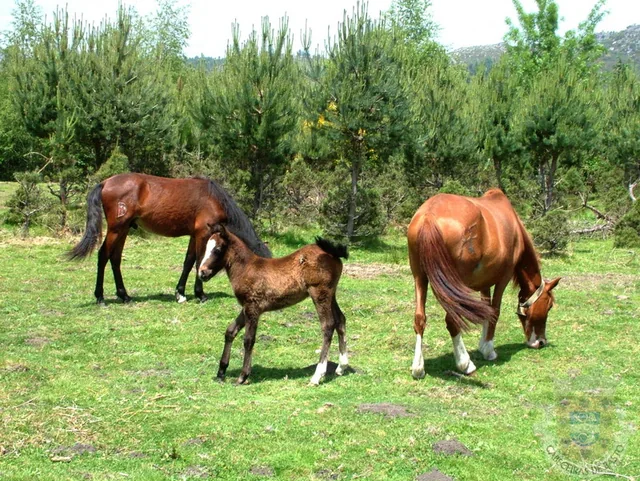
Garranos in Serra da Cabreira. Archive photograph; date unidentified.
ⓘ

Garranos in Serra da Cabreira. Archive photograph; date unidentified.

Source: Municipality of Cabeceiras de Basto

View source

Photograph date not stated.

Autoria individual e licença de reutilização não identificadas na página consultada. A fonte não equivale ao autor.

Request removal or correct the photo credit

6 HISTORIES · CERCA OF 7 MIN

mountains animals, stories of people

Six readings link the domestic Garrano, the shepherding and fauna described in 1758 to the food and family life of the wolf. Compares sources and draws a changing pack. Memories and regional references are not sighting routes.
Start reading →
More about this reading journeyRead all below →
What am I gonna find out?
  1. A small horse with a mountain stride
  2. At dusk, livestock returned home
  3. The herd was the village’s concern too
  4. Animals in an old portrait
  5. A landscape is food too
  6. The Iberian wolf
Things to try4 activities · 3 interactive explorations · 2 questions
Back to titles ↑
Escolher pelo título · 37 reading journeys
YOUR LOCAL GUIDE

What would you like to discover?

Take a closer look.