Discover Cabeceiras de BastoFree independent guide
ViveCabeceirasYOUR GUIDE TO CABECEIRAS
ENEnglish
SearchSaved
A ROAD TO FIND OUT

Where will
curiosity take you?

From the bread to the fungi, pick a sequence of stories and follow curiosity.

How do these paths work?

Reading tours, no trips. Approximate durations to read the main texts and recipes. Save more time to explore the schemes, do activities or cook.

View the routes of this selection ↓

Would you prefer to choose an individual activity? →

Start with the news →

Tune DiscoverySubject, parish, time and experiences

26 routes in this selection

Change options ↑

View all routes →
Escolher pelo título · 26 percursos
5 HISTORIES · CERCA OF 4 MIN

Places to learn, care and find

A scientist remembered in school, books, assistance, memory and meetings in the market. Five stories of people and institutions that are part of the life of the municipality. It is a sequence of reading, not a script with access to the buildings.

Perguntas para descobrir2 perguntas
Open uma pergunta →Começar pelo início →Read all below →
What am I gonna find out?
  1. A botanist named after the school library
  2. In the Arch, the books won home in 2005
  3. Care is also part of the story
  4. A stream in the story of Casa do Tempo
  5. The market is a meeting place too
Back to titles ↑
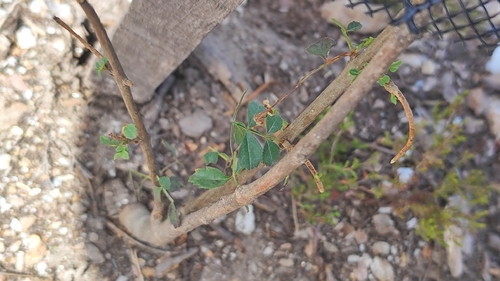
A small specimen with green leaves beside a tree trunk.
Freixo · Photography: João Lima
About the photograph

Registration in the municipality of . One of the species addressed on this route.

The photograph shows a young ash; it does not document the forest described in the study.

Source: iNaturalist · CC-BY. No editing; screen size adjustment.

Request removal or correct the photo credit
5 HISTORIES · CERCA OF 5 MIN

There is life between water and earth

A restored margin, preserved fetuses, wastelands and a stream in the center of the village. Five stories to know the relationship of Cabeceiras with its watercourses. It is a reading route, not a pedestrian itinerary.

Perguntas para descobrir2 perguntas
Open uma pergunta →Começar pelo início →Read all below →
What am I gonna find out?
  1. The river has a woodland too
  2. Wood, stone and coir on the banks of the Peio
  3. Clearing a stream means knowing what to leave
  4. On the common lands, woodland meets waterways
  5. A stream in the story of Casa do Tempo
Back to titles ↑
10 HISTORIES · CERCA OF 10 MIN

Follow the water in a picture of 1758

Ten readings accompany the water in the memories of 1758: cultures, margins, mills and differences between parishes. Vila Nune's account also looks at Atei, on the other side of Tâmega. Compares what each author observed, without turning the documents into visiting maps.

Perguntas para descobrir3 perguntas
Open uma pergunta →Começar pelo início →Read all below →
What am I gonna find out?
  1. Storing water from the hillside
  2. Two rivers lost their names
  3. Two streams kept six mills working
  4. A river that powered mills but did not irrigate
  5. The work was on the other side
  6. Two rivers meet at Ranha
  7. Water irrigated fields and made olive oil
  8. Bridges put to the winter test
  9. Trout, nase and chub in the river’s memory
  10. The river became part of farming life
Back to titles ↑
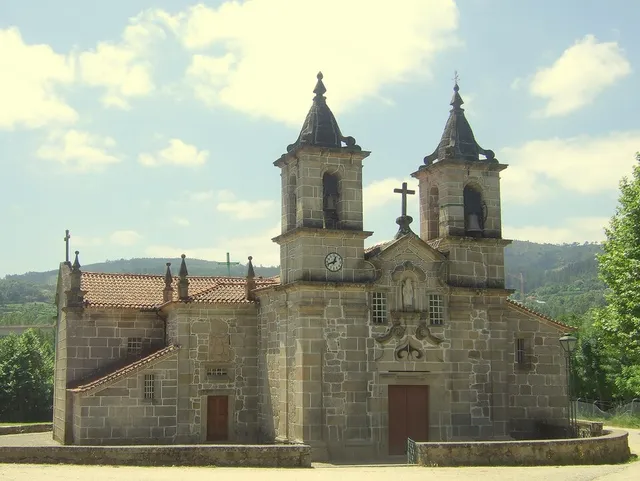
Facade of Igreja de Santa Senhorinha of Basto, with its two towers
Igreja de Santa Senhorinha · heritage context of the parish, not a record of the 1758 celebration© Bocacheteⓘ
7 HISTORIES · CERCA OF 5 MIN

Holy Lady: water, encounters and memory

Seven stories to link the river to the fields, bridges, fairs and news. Explore the links between readings and set up a mail calendar of 1758. The old documents keep their dates; do not announce current services or parties.

Perguntas para descobrir3 perguntas
Open uma pergunta →Começar pelo início →Read all below →
What am I gonna find out?
  1. The river became part of farming life
  2. Not all bridges were stone
  3. Olela had days of meeting
  4. When the parishes met
  5. A Church Counted in Images
  6. Bread, wine and olive oil in a portrait of the land
  7. News depended on Raposeira
Back to titles ↑
9 HISTORIES · CERCA OF 7 MIN

Painzela: gardens and layers of memory

Nine readings between gardens, chapels, documents and people. Opens the chronologies, distinguishes dates from buildings and documents and knows the route of Baltazar Castro. It is a reading sequence, without assuming access to private properties.

Perguntas para descobrir5 perguntas
Open uma pergunta →Começar pelo início →Read all below →
What am I gonna find out?
  1. One house, two centuries in view
  2. Plants shaped by human hands
  3. Water shapes the garden at Piellas
  4. A chapel helps to read the house
  5. How did you count a parish?
  6. Painzela was not isolated
  7. A chapel leaves a trail in the archive
  8. From Painzela to the direction of monuments
  9. A parish meets through games and song
Back to titles ↑
8 HISTORIES · CERCA OF 9 MIN

Read the landscape: from stone to river

Eight readings of granite crystals to the veigas of Tâmega. Find out how the rock changes, what happens to the transported materials and what minerals enter the portrait of Cabeceiras. A discovery path to read at your pace, without mandatory displacements.

Perguntas para descobrir8 perguntas
Open uma pergunta →Começar pelo início →Read all below →
What am I gonna find out?
  1. Read the mountains in their rocks
  2. Granite varies in grain size too
  3. Small grains tell how the rock cooled
  4. A story millions of years old
  5. Not every rock is granite
  6. There is more to a rock than meets the eye
  7. The river helps explain the fields too
  8. The water here reaches the Douro too
Back to titles ↑
Routes 7–18Open another 12 suggestions from this selection.
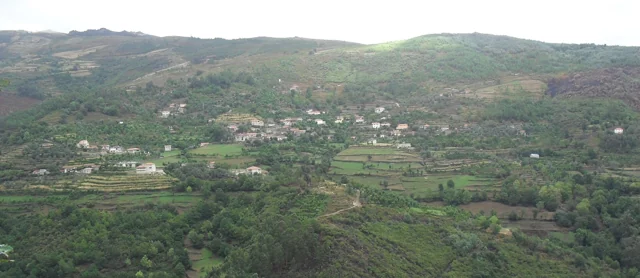
Panoramic view of Vilela, Rio Douro, with houses and agricultural plots on the slopes.
Vilela · architecture and landscape of Rio Douro© Ambcruzⓘ
11 HISTORIES · CERCA OF 10 MIN

Riodouro: from mountain to water

Eleven readings between villages, chapels, watering, animals and work. Compares the portrait of 1758, knows the pison and ends in the memory of collective shepherding of Cambezes. Reports maintain their time and do not define current conditions of visit.

Perguntas para descobrir3 perguntas
Open uma pergunta →Começar pelo início →Read all below →
What am I gonna find out?
  1. Moscoso looks out over the valley
  2. Fifteen places, a network of chapels
  3. From spring to fields
  4. Two rivers tell a parish’s story
  5. In summer, the water took other paths
  6. Fish in an old portrait
  7. Animals remembered in the mountains
  8. Water worked the wool too
  9. Granite shapes the village too
  10. The village that stayed in memory
  11. The herd was the village’s concern too
Back to titles ↑
9 HISTORIES · CERCA OF 7 MIN

St Nicholas: water, houses and paths

Nine stories between water, houses and collective life of São Nicolau. From the bridges and mills described in 1758 to the use of water in Covas, compares documents from different times. It continues by architecture, by the old school and by the memory that dances.

Perguntas para descobrir1 pergunta
Open uma pergunta →Começar pelo início →Read all below →
What am I gonna find out?
  1. A landscape described in 1758
  2. Bridges put to the winter test
  3. Water irrigated fields and made olive oil
  4. A hollowed log channelled the water’s power
  5. Three houses, three details
  6. Five altars, many stories
  7. When the chapel shortened the path
  8. The school brought the village together again
  9. A memory you can dance
Back to titles ↑
12 HISTORIES · CERCA OF 9 MIN

Gondiães e Vilar de Cunhas: do and share

Twelve stories link documents, villages, bridges, water, crafts and sharing of the popes. Draws the levada of the neighborhood, compares materials and discovers the people behind the memories. It is a path of reading, without implicit visits or events.

Perguntas para descobrir8 perguntas
Open uma pergunta →Começar pelo início →Read all below →
What am I gonna find out?
  1. Two old portraits, two ways to count
  2. Vilar looks towards the Beça
  3. Three bridges, three passing stories
  4. Four pools and a shared irrigation channel
  5. A village between a manor and two legends
  6. Barrosã cattle helped work the land
  7. Wool became socks too
  8. A house with three granaries
  9. A house organised the celebration
  10. Broa gained a new tool
  11. A stick measures sharing
  12. Keeping Samão’s memory alive
Back to titles ↑
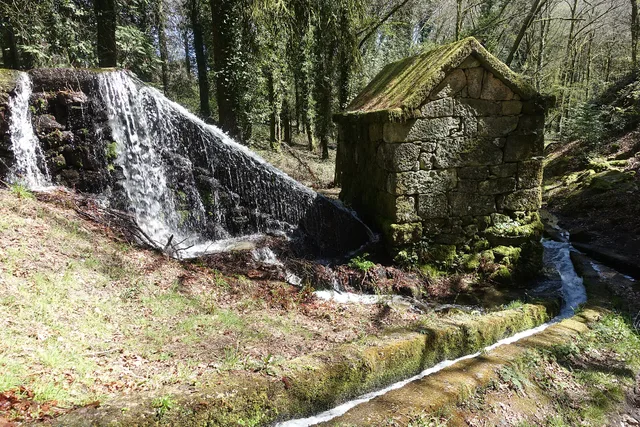
Granite mill served by Levada de Víbora, in all Moinhos de Rei, with waterfall and canal in the wooded surroundings. Register 2025.
Moinhos de Rei · the place of grinding© Joseolgonⓘ
9 HISTORIES · CERCA OF 8 MIN

Abadim: marks on the landscape

Nine stories to connect the mountains, fields and water to the marks of local power. Observes tower and pillory, compares the administration of 1758 and discovers two dates in Casa da Ramada. It is a reading route without indicating a walk or access to the buildings.

Perguntas para descobrir6 perguntas
Open uma pergunta →Começar pelo início →Read all below →
What am I gonna find out?
  1. A village above a thousand metres
  2. Within one parish, the harvest changed
  3. From village to farm couple
  4. The stone also kept drawings
  5. Two streams kept six mills working
  6. The flour also yielded to the king
  7. A tower to look slowly
  8. A star in the pillory
  9. Two dates don't count the whole house
Back to titles ↑
Granite mill served by Levada de Víbora, in all Moinhos de Rei, with waterfall and canal in the wooded surroundings. Register 2025.
A mill and the water channel at Moinhos de Rei.© Joseolgonⓘ
9 HISTORIES · CERCA OF 8 MIN

From water to bread

Nine stories to follow the water saved, the levada, the floors of the mill and the way to the table. The reading of Levada de Víbora links these explanations to the landscape of Abadim; the track record retains practical information. A path to read and explore.

Perguntas para descobrir6 perguntas
Open uma pergunta →Começar pelo início →Read all below →
What am I gonna find out?
  1. Before milling, water had to be stored
  2. Water had a built route too
  3. Follow the water’s path
  4. Grinding above, movement below
  5. Water had its turn
  6. The Peio made flour too
  7. Maize left its mark on the village
  8. The bread kept the next batch alive
  9. A snack with bread still warm
Back to titles ↑
8 HISTORIES · CERCA OF 7 MIN

The hand-made mountains

Eight stories about between help, water, harvests, wool, fabrics and materials of the houses. Find out how the work connected the villages to the fairs and try to organize a wheel of shifts on paper. It is a reading route, without displacements.

Perguntas para descobrir5 perguntas
Open uma pergunta →Começar pelo início →Read all below →
What am I gonna find out?
  1. The herd was the village’s concern too
  2. Water had its turn
  3. Maize left its mark on the village
  4. Clothing for mountain life
  5. Textiles that left the village
  6. Water worked the wool too
  7. Stone on the walls, colme on the roof
  8. Learning a craft beside a master
Back to titles ↑
A small specimen with green leaves beside a tree trunk.
Freixo · Photography: João Lima
About the photograph

Registration in the municipality of . One of the species addressed on this route.

The photograph shows a young ash; it does not document the forest described in the study.

Source: iNaturalist · CC-BY. No editing; screen size adjustment.

Request removal or correct the photo credit
8 HISTORIES · CERCA OF 7 MIN

Small lives, big surprises

It looks at nature on the scale of details: leaves, insects, a shell with bands and a slug with spots. It compares shapes and experiences the activities, distinguishing local photographs from general explanations about the species.

Perguntas para descobrir4 perguntas
Open uma pergunta →Começar pelo início →Read all below →
What am I gonna find out?
  1. The river has a woodland too
  2. A small bird that dives
  3. A carnivorous plant in the mountains
  4. From flower to flower, a shared task
  5. A log can be a little home
  6. An old trunk still nourishes life
  7. One shell, many patterns
  8. A slug with a leopard pattern
Back to titles ↑
12 HISTORIES · CERCA OF 10 MIN

To Faia, between trades and devotions

Twelve stories to get to know Faia: the sixteen places told in 1758, agriculture, tannaria, manual footwear, chapels and the recent care of the heritage. Comparing names and testimonies, explores photographs and goes to the records of the church and the Lady of Amparo. Reading route, without indicating a visit itinerary.

Perguntas para descobrir5 perguntas
Open uma pergunta →Começar pelo início →Read all below →
What am I gonna find out?
  1. A road helps explain Faia
  2. A parish told by sixteen places
  3. The Tojeira hasn't stopped in a century
  4. In Faia, fruit matters too
  5. Wood holds the wine too
  6. In Faia, hands made footwear too
  7. Chapels between the hill and the houses
  8. Five altars to read a church
  9. A stream with a date to keep
  10. A year of works, a church reopened
  11. Roots and light renew a chapel
  12. The year was counted in fairs too
Back to titles ↑
11 HISTORIES · CERCA OF 7 MIN

Alvite: from fields to memory

Eleven readings link fields, water, work, fair, justice, church and chapels of Alvite. It compares the strength of animals with the uses of water and the different charges of places of worship. The memories of 1758 preserve their time; the sequence does not indicate a walk.

Perguntas para descobrir6 perguntas
Open uma pergunta →Começar pelo início →Read all below →
What am I gonna find out?
  1. There was more than maize in the fields
  2. Orada changed from summit to valley
  3. Storing water from the hillside
  4. When animals powered the oil mill
  5. The bulls came from Barroso
  6. One land, two skills
  7. The earthquake has reached the account of Alvite
  8. Orada was grazing land too
  9. Three altars in one body
  10. Six chapels, different responsibilities
  11. A chapel leaning against the stone
Back to titles ↑
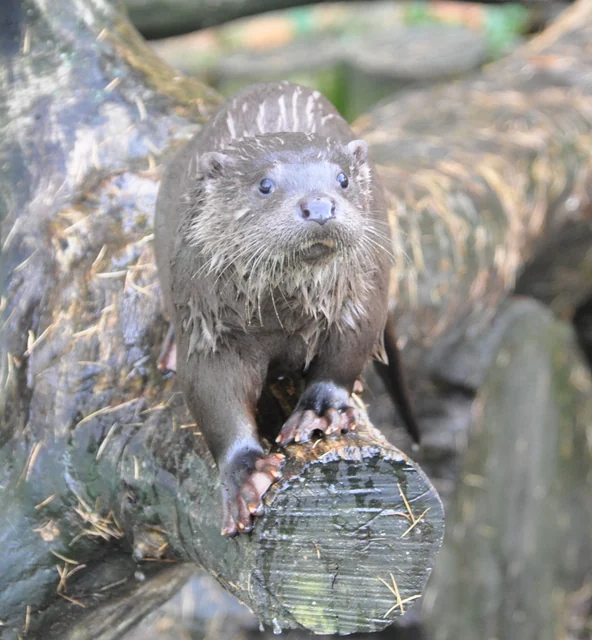
Otter front view over wood, with snout, mustaches and visible paws.
European otter at the Lüneburg Heath fauna park, Germany, in 2009. Animal in fauna park; it is not a record of Cabeceiras.
Photography: Quartl · CC BY-SA 3.0
About this photograph

Date given at source: . Source consulted in 2026-11-07. EXIF orientation, proportional resizing and WebP conversion of the current version in Commons; no retouching or additional clipping.

Request removal or correct the photo credit

10 HISTORIES · CERCA OF 10 MIN

There's life in and out of the river

Ten stories link the trees from the margins to the animals and moisture. Compare the otter and the water mole, follow the relationship with the aquatic insects and discover the water lizard. Each text distinguishes general biology, regional references and documented records; it is a path of reading, not sighting.

Perguntas para descobrir8 perguntas
Open uma pergunta →Começar pelo início →Read all below →
What am I gonna find out?
  1. The river has a woodland too
  2. One willow, many possibilities
  3. Seeds that travel by water
  4. Buckthorn fruits change colour
  5. A small frog with a strong connection to water
  6. A small bird that dives
  7. The otter wears its diving suit
  8. A desman’s life in the current
  9. A mussel begins by travelling with a fish
  10. A lizard between sun and moisture
Back to titles ↑
8 HISTORIES · CERCA OF 8 MIN

Bucos: wool, fields and paths

Eight stories link wool, fields, rivers, mail and places of worship of Bucos. It compares the daily life of 1758 with the transmission of crafts in 2024–2026, including a meeting in Rio Douro. The Casa da Lã has its own record to prepare a visit.

Perguntas para descobrir5 perguntas
Open uma pergunta →Começar pelo início →Read all below →
What am I gonna find out?
  1. Clothing for mountain life
  2. Bucos’s wool travels with those who teach
  3. Three grains in one landscape
  4. Two rivers lost their names
  5. A small bridge, a long way
  6. Letters arrived through another place
  7. A chapel shortened the distance
  8. Gold and red in church
Back to titles ↑
8 HISTORIES · CERCA OF 6 MIN

The water that gathered the village

Follow the water between canals, fields and equipment. Compare forms of sharing and discover how an open levada passed the plumbing in Alvite. Historical documents help to read changes in the landscape; do not indicate current conditions of access.

Perguntas para descobrir5 perguntas
Open uma pergunta →Começar pelo início →Read all below →
What am I gonna find out?
  1. Two pools, shared water
  2. Four pools and a shared irrigation channel
  3. Water had a calendar
  4. One water supply, several tasks
  5. The Peio made flour too
  6. The stones on the way to the mill
  7. Water had its turn
  8. The water changed its path
Back to titles ↑
Routes 19–26Open another 8 suggestions from this selection.
6 HISTORIES · CERCA OF 5 MIN

Painzela, by the way of water

Six readings on water and transformation in Painzela: watering, moving a mill, going to electricity and drawing a garden. Comparing documents and representing the connections. It is a reading route, without displacements.

Perguntas para descobrir4 perguntas
Open uma pergunta →Começar pelo início →Read all below →
What am I gonna find out?
  1. Seven users shared the channel
  2. The stream powered the oil mill
  3. When the oil mill changed its power source
  4. Water shapes the garden at Piellas
  5. One house, two centuries in view
  6. Two rivers meet at Ranha
Back to titles ↑
A small specimen with green leaves beside a tree trunk.
Freixo · Photography: João Lima
About the photograph

Registration in the municipality of . One of the species addressed on this route.

The photograph shows a young ash; it does not document the forest described in the study.

Source: iNaturalist · CC-BY. No editing; screen size adjustment.

Request removal or correct the photo credit
8 HISTORIES · CERCA OF 8 MIN

Water: memory, work and life

From the wooden bridge to the seeds of the alder: eight readings link ancient testimonies, rural work and life on the shores. Each story indicates its time and scope. It is a sequence to read, not a pedestrian itinerary.

Perguntas para descobrir4 perguntas
Open uma pergunta →Começar pelo início →Read all below →
What am I gonna find out?
  1. A bridge for loaded carts
  2. Bridges put to the winter test
  3. Water irrigated fields and made olive oil
  4. Seven users shared the channel
  5. Fish that entered the written record
  6. The river has a woodland too
  7. Seeds that travel by water
  8. A small bird that dives
Back to titles ↑
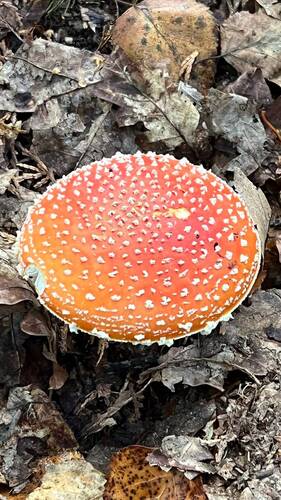
A red mushroom cap with pale patches among fallen leaves.
Amanita muscaria · Photography: nsza
About the photograph

Registration in the municipality of . One of the species addressed on this route.

The photographs show the mushrooms, not the association of fungi with roots.

Source: iNaturalist · CC-BY-NC. No editing; screen size adjustment. Only non-commercial uses.

Request removal or correct the photo credit
8 HISTORIES · CERCA OF 9 MIN

There's a world under the feet

Follows a leaf, explores galleries and roots and accompanies the water to the river. Eight stories link the life of the soil to the landscape, with questions and proposals to observe without collecting.

Perguntas para descobrir7 perguntas
Open uma pergunta →Começar pelo início →Read all below →
What am I gonna find out?
  1. Beneath our feet, a world of mixtures
  2. Earthworms change the landscape too
  3. Tiny animals graze on fungi
  4. A meal prepared on the outside
  5. A fallen leaf still has a journey ahead
  6. Roots have partners
  7. A river begins before its banks
  8. River life tells a story too
Back to titles ↑
A small specimen with green leaves beside a tree trunk.
Freixo · Photography: João Lima
About the photograph

Registration in the municipality of . One of the species addressed on this route.

The photograph shows a young ash; it does not document the forest described in the study.

Source: iNaturalist · CC-BY. No editing; screen size adjustment.

Request removal or correct the photo credit
7 HISTORIES · CERCA OF 6 MIN

A river beyond the surface

Seven stories to follow the water to the Douro and discover life under the surface. Explores the layers of the river, accompanies the transformation of an insect and draws a food network. Local references and dated studies are distinguished from general explanations of ecology.

Perguntas para descobrir4 perguntas
Open uma pergunta →Começar pelo início →Read all below →
What am I gonna find out?
  1. The water here reaches the Douro too
  2. There is water beneath the ground too
  3. Water brings power and irrigates fields
  4. The river has a woodland too
  5. Tiny shelters beneath the water
  6. A fish’s menu can include insects
  7. River life tells a story too
Back to titles ↑
8 HISTORIES · CERCA OF 7 MIN

From the mountains to the valley, a landscape with life

Eight stories link relief, forests, forests, fields and seasons. Follows on paper the water flowing to the river and compares the landscape with the changes of the year. It is a guided reading, not a walking itinerary.

Perguntas para descobrir5 perguntas
Open uma pergunta →Começar pelo início →Read all below →
What am I gonna find out?
  1. From mountains to valley, the map changes height
  2. The forest has a history too
  3. Strawberry tree, carqueja and gorse
  4. Olive trees, cork oaks and vines
  5. The river helps explain the fields too
  6. A river begins before its banks
  7. A landscape needs connections
  8. The landscape follows a rhythm of rain and warmth
Back to titles ↑
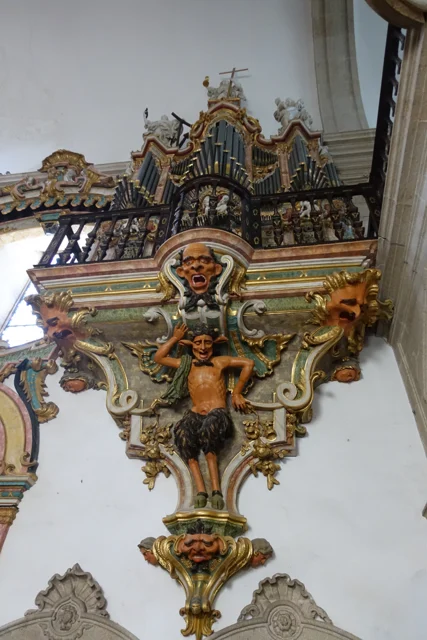
Organ with tubes and golden cut, on carved figures and decorative faces.
View of the organ and the decoration that sustains it, photographed in 2016. The image does not determine which of the two organs is the mute.
Photography: Joseolgon · CC BY-SA 4.0
About this photograph

Date given at source: . Source consulted in 2026-11-07. EXIF orientation, proportional resizing and WebP conversion; no retouching or clipping of the file.

Request removal or correct the photo credit

8 HISTORIES · CERCA OF 7 MIN

Refojos: the various lives of the Monastery

Eight stories link the medieval community, the materials of the church, the cultivated fence and the new uses of the surroundings. Compares the organ, the choir and the Zimbabwe in the descriptions; follows the stream to the history of Casa do Tempo. Includes chronologies, photographs and activities.

Perguntas para descobrir3 perguntas
Open uma pergunta →Começar pelo início →Read all below →
What am I gonna find out?
  1. A monastery older than certainty
  2. Between a monastery and a university
  3. Two organs, one of them mute
  4. Wood inside, glow outside
  5. Beyond the church, cultivated land
  6. A small prayer card, a shared concern
  7. After the monks, other lives
  8. A stream in the story of Casa do Tempo
Back to titles ↑
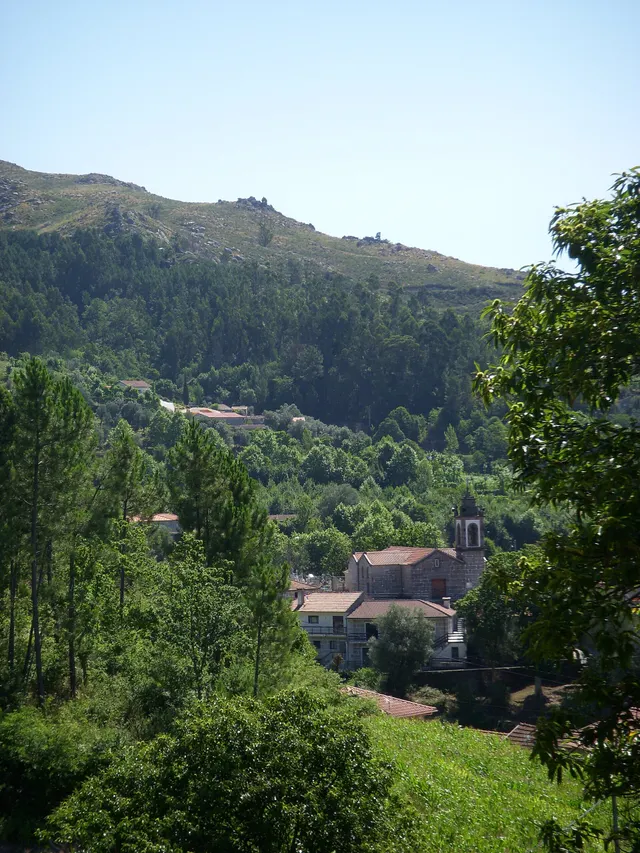
Wooded edge and house in the photograph identified by the author as Passos, Cabeceiras de Basto.
Landscape of Passos · slope and house; the river referred to in the text is not identified in the image.© Elisabeth LEITEⓘ
9 HISTORIES · CERCA OF 8 MIN

From the mountain to the river: read the landscape

Nine stories to situate Cabeceiras: mountains, altitudes, villages, rivers and fields. It runs through Passos and Outeiro, opens the trout–Peio scheme and then follows the network to Douro. They are relationships to explore in reading, without indicating distances or an itinerary on the ground.

Perguntas para descobrir5 perguntas
Open uma pergunta →Começar pelo início →Read all below →
What am I gonna find out?
  1. Cabreira, Barroso and Lameira
  2. From mountains to valley, the map changes height
  3. A village above a thousand metres
  4. A mountain and a river to locate Passos
  5. The Tâmega traces the boundary
  6. A small river shapes the map too
  7. The water here reaches the Douro too
  8. Peio, Ouro and the Cavez stream
  9. The river helps explain the fields too
Back to titles ↑
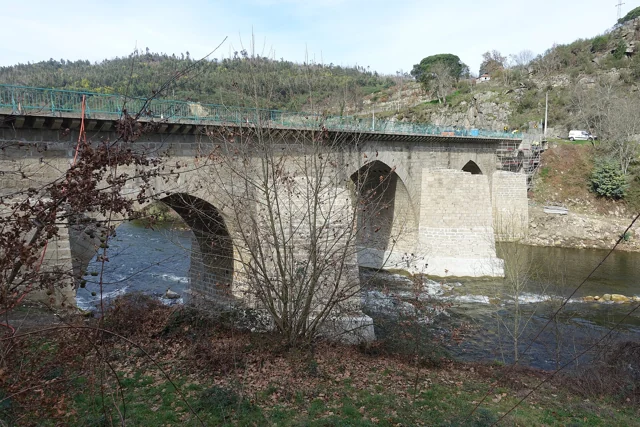
Ponte de Cavez on the river Tâmega, with stone arches, board and wooded banks.
Partial view of the Ponte de Cavez over the Tâmega.© Joseolgonⓘ
8 HISTORIES · CERCA OF 8 MIN

Cavez: from bridge to village life

Eight stories to accompany the bridge over the centuries and enter the lives of the villages. Opens the chronology, distinguishes legend and document and discovers chapels, mail, mills and coal. It is a route of reading, without indicating a pedestrian itinerary.
Perguntas para descobrir4 perguntas
Open uma pergunta →Começar pelo início →Read all below →
What am I gonna find out?
  1. Five arches, more than a while
  2. The voice that had built above
  3. A bridge that deserved praise
  4. Eight places and six chapels
  5. A river that powered mills but did not irrigate
  6. The mountains supplied charcoal too
  7. Keeping a bridge is also making history
  8. To the pilgrimage, clogs in hand
Back to titles ↑
YOUR LOCAL GUIDE

What would you like to discover?

Take a closer look.