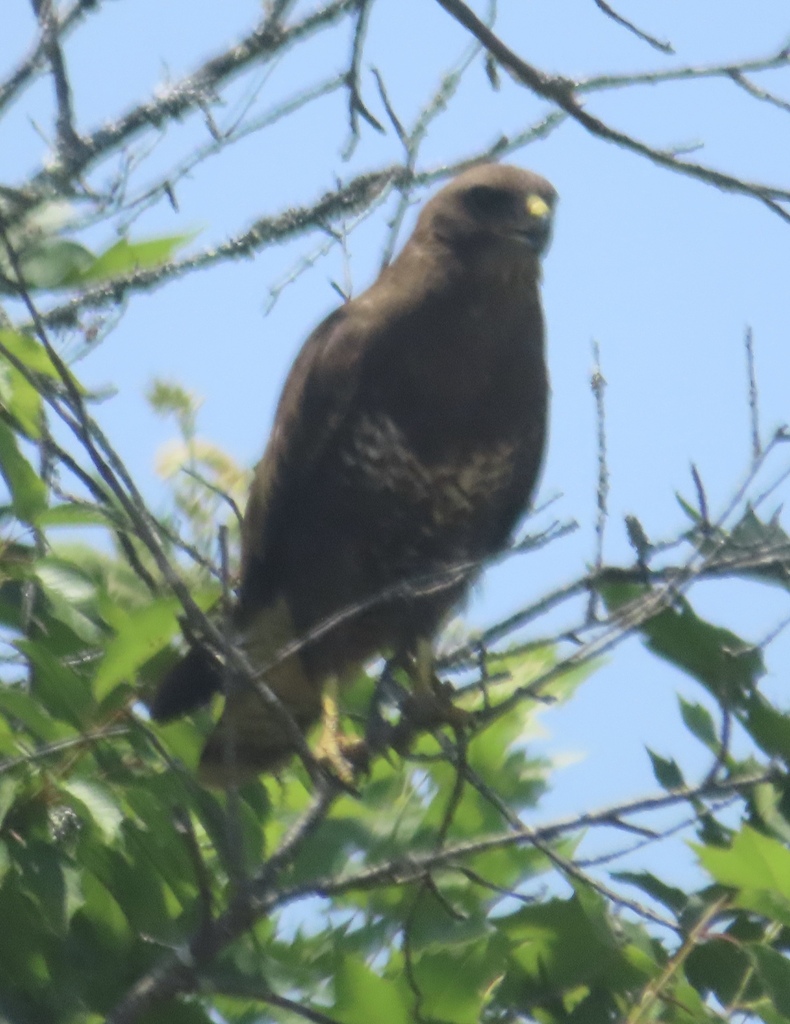
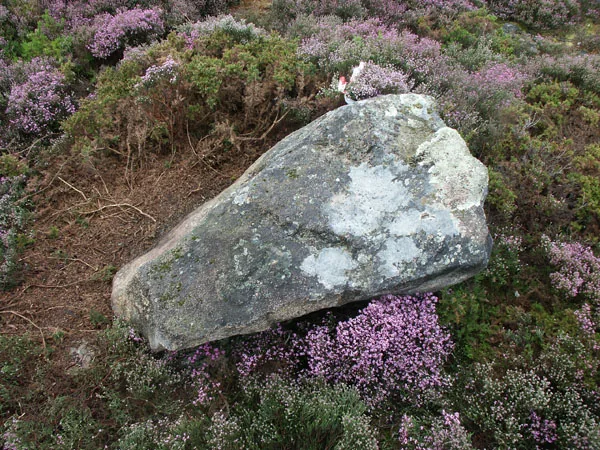
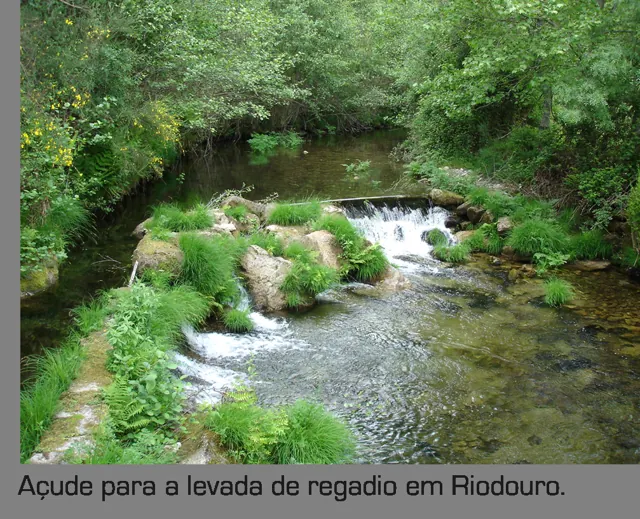
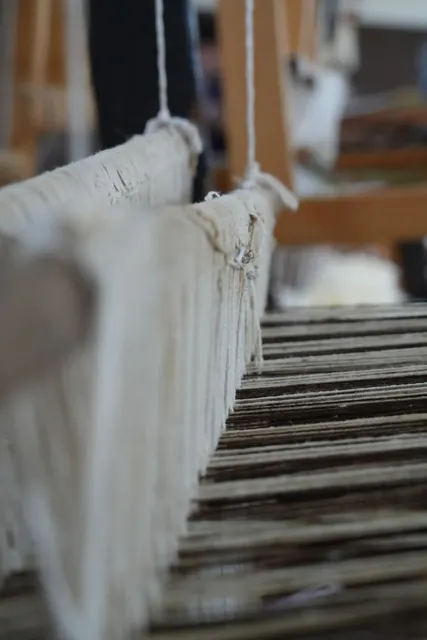
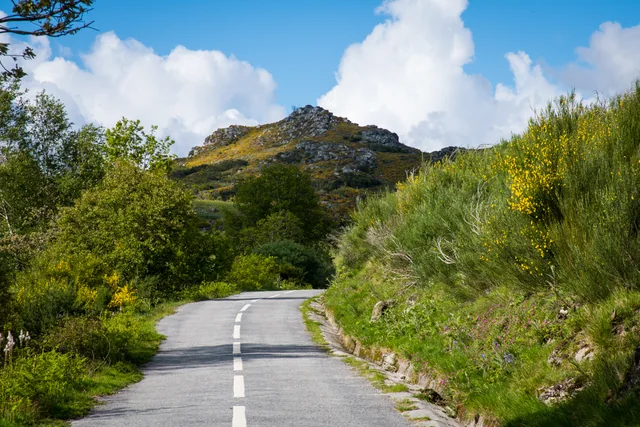
A journey through photographs: branches in Refojos, a riverbank in Cavez, wings in Abadim and a wire in Painzela. Open the records, look for details and try the challenges. This is a reading journey, not an outdoor itinerary or a promise of sightings.
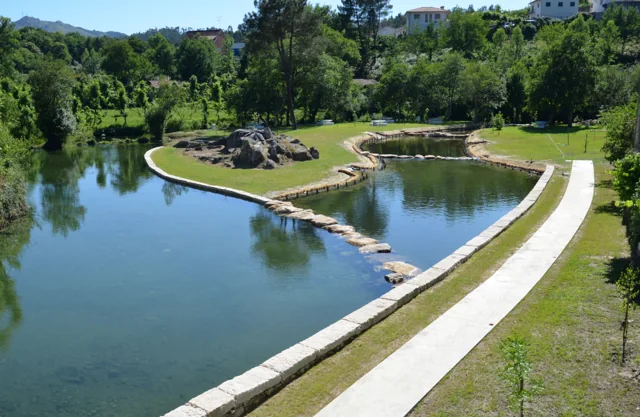
Back to titles ↑View of Ranha in municipal photography; it is not a record of the phases of the work.ⓘ5 HISTORIES · CERCA OF 5 MIN
There is life between water and earth
A restored margin, preserved fetuses, wastelands and a stream in the center of the village. Five stories to know the relationship of Cabeceiras with its watercourses. It is a reading route, not a pedestrian itinerary.
Ten readings accompany the water in the memories of 1758: cultures, margins, mills and differences between parishes. Vila Nune's account also looks at Atei, on the other side of Tâmega. Compares what each author observed, without turning the documents into visiting maps.
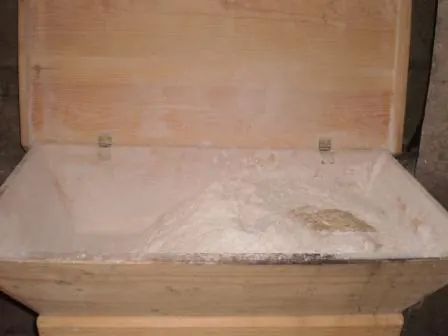
Nine stories follow the cereals to the pasta, the oven, the lunch and the bakery ads. Compare Recovos' recipe, the life of yeasts and the bread rituals. Ingredients and remarkable steps accompany the fountains; in the end, create an advertisement inspired by the memory of 1939.
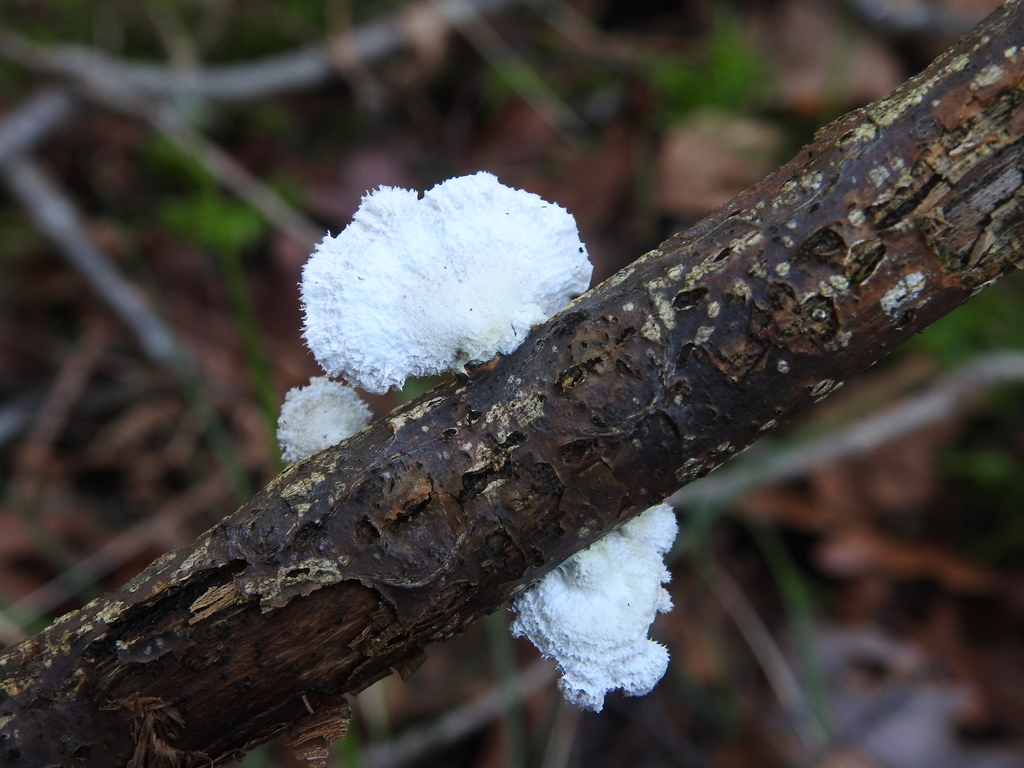
Lights, spores, lichens and five readings with local photographs. Compare shapes on wood and rock and discover what an image reveals or leaves hidden. A path to understand fungi, without identifying species for consumption.
Nine stories to connect the mountains, fields and water to the marks of local power. Observes tower and pillory, compares the administration of 1758 and discovers two dates in Casa da Ramada. It is a reading route without indicating a walk or access to the buildings.
Nine stories to follow the water saved, the levada, the floors of the mill and the way to the table. The reading of Levada de Víbora links these explanations to the landscape of Abadim; the track record retains practical information. A path to read and explore.
Eight stories about between help, water, harvests, wool, fabrics and materials of the houses. Find out how the work connected the villages to the fairs and try to organize a wheel of shifts on paper. It is a reading route, without displacements.
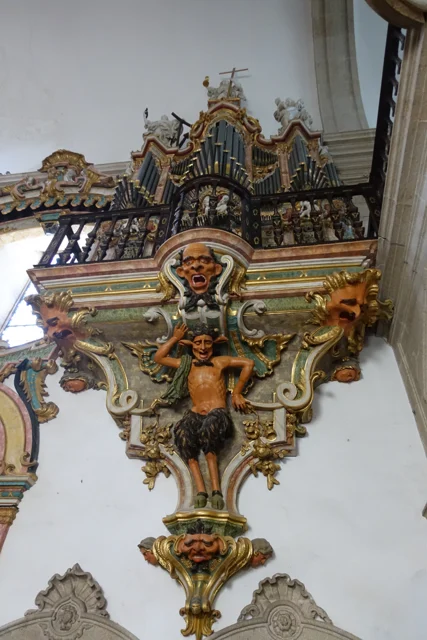
Back to titles ↑View of the organ and the decoration that sustains it, photographed in 2016. The image does not determine which of the two organs is the mute.
A mute organ, wood and metal, a frame, a star and five arches. Discover details of Refojos, Abadim and Cavez in five readings. The sequence does not indicate a visit route or access to the interiors.
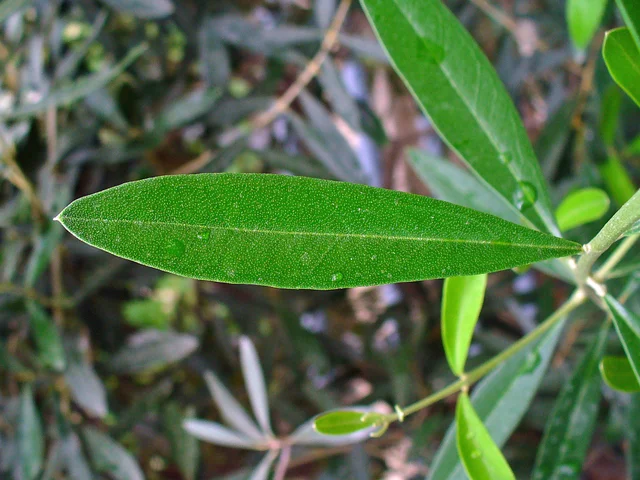
Back to titles ↑An olive leaf photographed in Stutensee, Germany, in 2011. Botanical illustration, not an observation from Cabeceiras. This view does not show both sides of the same…Illustrative photograph · outside the municipality
An olive leaf photographed in Stutensee, Germany, in 2011. Botanical illustration, not an observation from Cabeceiras. This view does not show both sides of the same leaf.
Seven readings to move from interpretation spaces to small details of nature: moss, wings, aquatic insects, leaves and wood. Explore links and observation proposals; it is a reading sequence, without mandatory itinerary or promise of sightings.
Follow the water between canals, fields and equipment. Compare forms of sharing and discover how an open levada passed the plumbing in Alvite. Historical documents help to read changes in the landscape; do not indicate current conditions of access.
From plant to yarn, from fabric to footwear and from metal to watering: eight stories connect materials, people and creativity. Open the words of crafts and try to imagine an object of yours.
Four readings link the schools of Bucos and Abadim to the work of wood, to the past of the fairs and to the memory of those who emigrated. Know a tradition in transformation, without confusing the testimonies with a calendar of lessons.
Eight stories to investigate documents, numbers and borders. Find out why they review forals, distinguish aggregates from inhabitants and open the chronology of Passos. Proposals help separate what a source confirms from the questions it leaves unanswered.
From the mountain to the river: read the landscape
Nine stories to situate Cabeceiras: mountains, altitudes, villages, rivers and fields. It runs through Passos and Outeiro, opens the trout–Peio scheme and then follows the network to Douro. They are relationships to explore in reading, without indicating distances or an itinerary on the ground.
Seven stories to compare fields, hills and pantry of Abadim, Rio Douro, Vila Nune, Faia, São Nicolau, Bucos and Alvite. Draws a landscape of words, distinguishes what was produced from what was bought and followed by the cereal until the bread. The sources conserve their times: in Faia, the old description is compared with the municipal presentation.