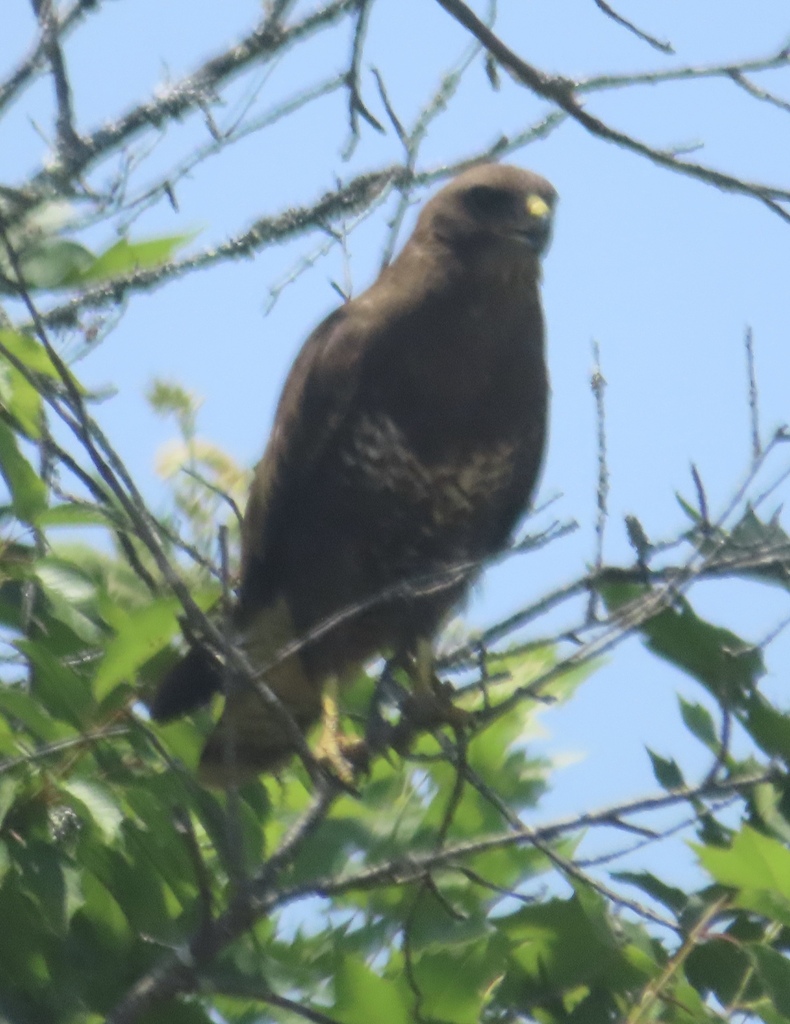
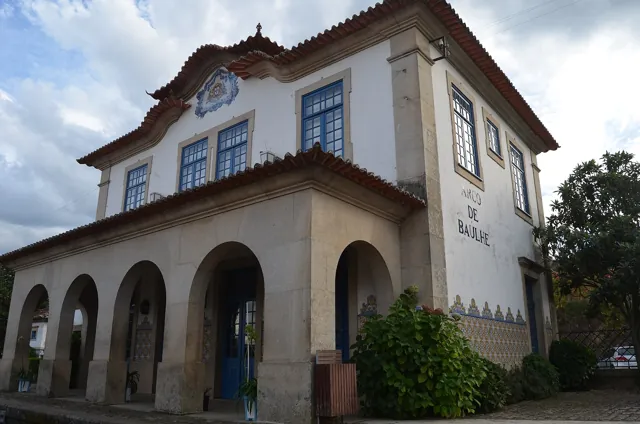
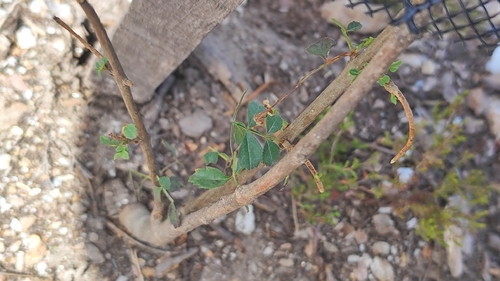
A journey through photographs: branches in Refojos, a riverbank in Cavez, wings in Abadim and a wire in Painzela. Open the records, look for details and try the challenges. This is a reading journey, not an outdoor itinerary or a promise of sightings.
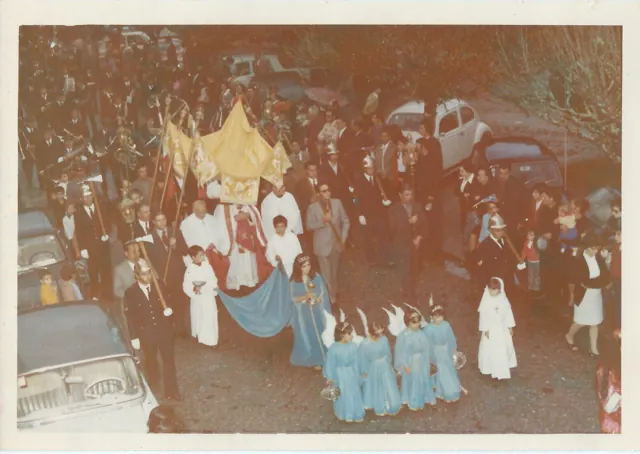
Five readings on fields, trips, fabrics, footwear and flavors. A chronology distinguishes the accounts from 1956 and 1977 from the publication of 2024; follow the links between trades and trades habits of the fair. Historical memories, without announcement of current programming.
A scientist remembered in school, books, assistance, memory and meetings in the market. Five stories of people and institutions that are part of the life of the municipality. It is a sequence of reading, not a script with access to the buildings.
Back to titles ↑View of Ranha in municipal photography; it is not a record of the phases of the work.ⓘ5 HISTORIES · CERCA OF 5 MIN
There is life between water and earth
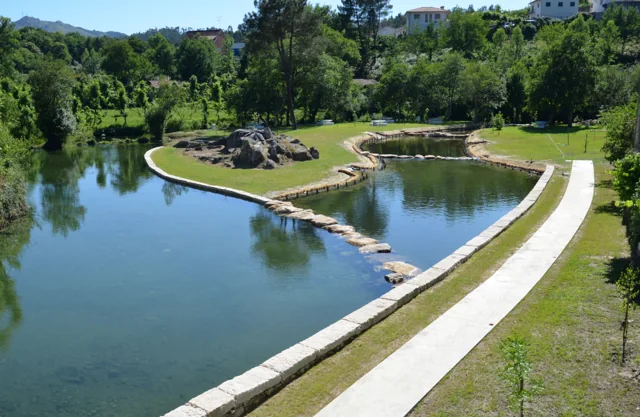
A restored margin, preserved fetuses, wastelands and a stream in the center of the village. Five stories to know the relationship of Cabeceiras with its watercourses. It is a reading route, not a pedestrian itinerary.
Twelve stories to know the relief, archeology, crafts, pilgrimages and associative life of Outeiro. It compares three inventoried sites, enters a workshop and accompanies footwear to the fair. Schemes and activities help to explore; it is a reading route without indicating access to sites.
Seven stories to link the river to the fields, bridges, fairs and news. Explore the links between readings and set up a mail calendar of 1758. The old documents keep their dates; do not announce current services or parties.
From the climate to the names of the grapes, from terraces to vintage utensils: nine stories to know the vineyard of Basto. Compare grape varieties and build a map of local names. Reading tour, no trips or evidence included.
Twelve stories to get to know Faia: the sixteen places told in 1758, agriculture, tannaria, manual footwear, chapels and the recent care of the heritage. Comparing names and testimonies, explores photographs and goes to the records of the church and the Lady of Amparo. Reading route, without indicating a visit itinerary.
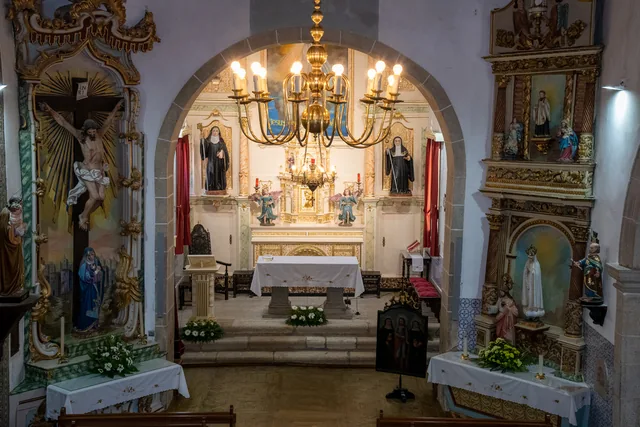
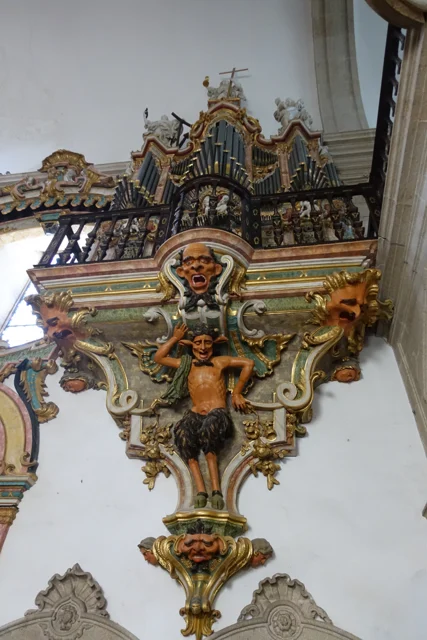
Back to titles ↑View of the organ and the decoration that sustains it, photographed in 2016. The image does not determine which of the two organs is the mute.
A mute organ, wood and metal, a frame, a star and five arches. Discover details of Refojos, Abadim and Cavez in five readings. The sequence does not indicate a visit route or access to the interiors.
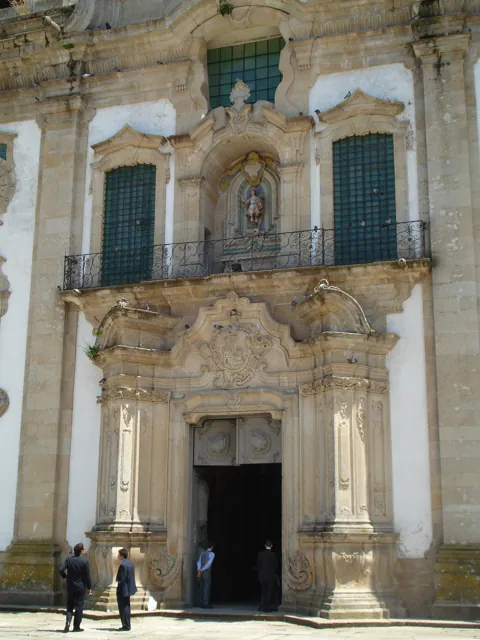
Books, people and a medieval chalice connect Refojos to other cities. Discover the decor of the piece, the difference between the donor and the goldsmith and their journey to Coimbra, before returning to the new lives of the monastery and to the names of the streets.
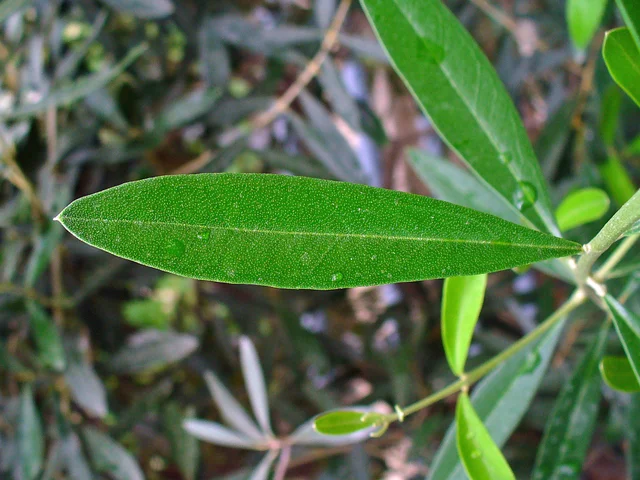
Back to titles ↑An olive leaf photographed in Stutensee, Germany, in 2011. Botanical illustration, not an observation from Cabeceiras. This view does not show both sides of the same…Illustrative photograph · outside the municipality
An olive leaf photographed in Stutensee, Germany, in 2011. Botanical illustration, not an observation from Cabeceiras. This view does not show both sides of the same leaf.
Seven readings to move from interpretation spaces to small details of nature: moss, wings, aquatic insects, leaves and wood. Explore links and observation proposals; it is a reading sequence, without mandatory itinerary or promise of sightings.
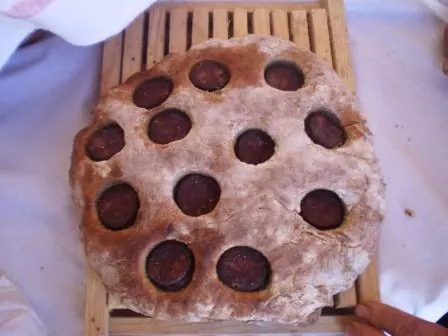
Seven stories link the mill, measures, transport and table to the bread and castes of Basto. Try to calculate capabilities, choose the container for each task and open the documented Recovos recipe. A path of reading between objects, ingredients and people.
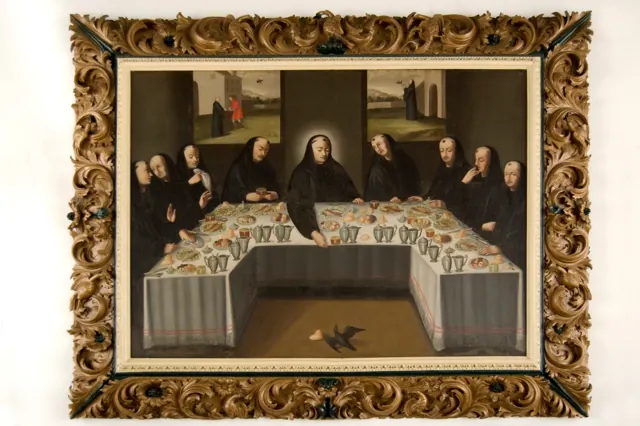
Five stories link a painting, the bread, honey and the sweetener. Opens the documented recipes and compares the French toast with honey and wine. Sources from different seasons help follow the flavors without proposing a current menu.
Raw material, learning, tools and change of craft: seven stories follow the footwear to the fair and to the pilgrimage. Includes questions and a design proposal, without visits to workshops.
Ten stories, ten recipes and the names of those who shared them. Open the ingredients, copy what is missing and mark the steps while accompanying the preparation. The quantities omitted in the collections remain identified; each form connects to the original source.
From plant to yarn, from fabric to footwear and from metal to watering: eight stories connect materials, people and creativity. Open the words of crafts and try to imagine an object of yours.
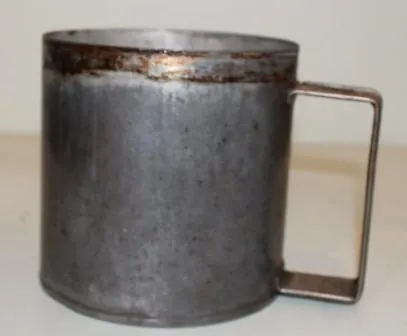
Make light, transport fuel, heat and prepare food: six stories of objects documented by the Museum. Discover everyday gestures, materials and differences that an inventory number helps to preserve.
Seven stories to follow the water to the Douro and discover life under the surface. Explores the layers of the river, accompanies the transformation of an insect and draws a food network. Local references and dated studies are distinguished from general explanations of ecology.
Eight stories link the medieval community, the materials of the church, the cultivated fence and the new uses of the surroundings. Compares the organ, the choir and the Zimbabwe in the descriptions; follows the stream to the history of Casa do Tempo. Includes chronologies, photographs and activities.
Five readings link the small places of Vila Nune to the world of letters and compare the mails of Faia, Bucos and Santa Senhorinha. Observes days, distances and differences between documents. A historical reading, without rebuilding routes or delivery times.