Five readings on fields, trips, fabrics, footwear and flavors. A chronology distinguishes the accounts from 1956 and 1977 from the publication of 2024; follow the links between trades and trades habits of the fair. Historical memories, without announcement of current programming.
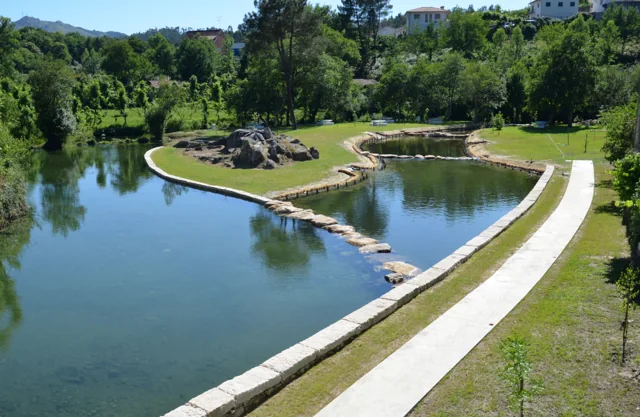
Back to titles ↑View of Ranha in municipal photography; it is not a record of the phases of the work.ⓘ5 HISTORIES · CERCA OF 5 MIN
There is life between water and earth
A restored margin, preserved fetuses, wastelands and a stream in the center of the village. Five stories to know the relationship of Cabeceiras with its watercourses. It is a reading route, not a pedestrian itinerary.
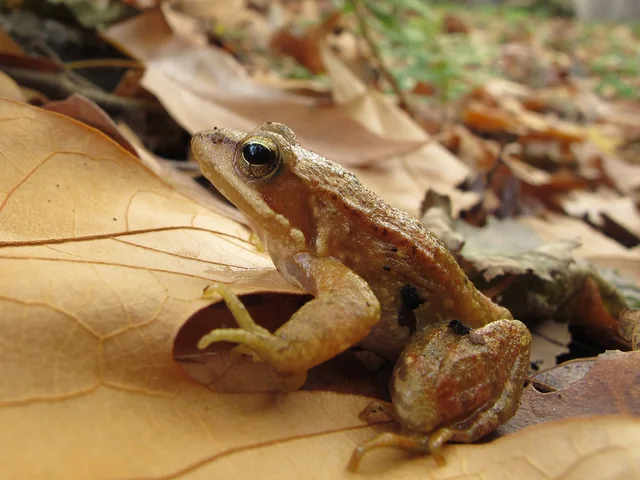
Eight readings on skin, tail, feed and reproduction. Opens the sequence of the triton, follows the food between water and earth and compares the development of salamander. The photograph of Rio Douro, regional references to the Cabreira and general biology maintain distinct scopes; it is not an observation script.
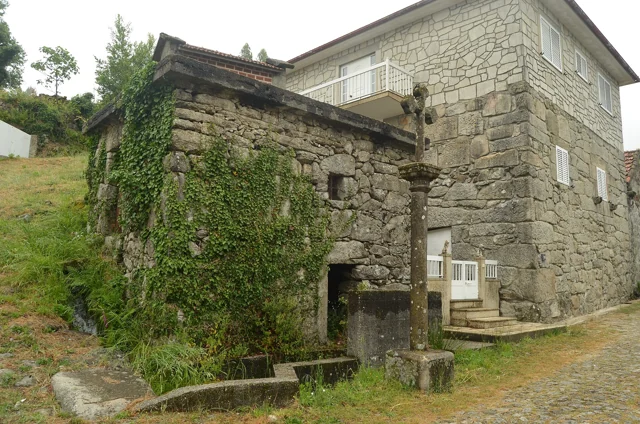
Eleven readings between villages, chapels, watering, animals and work. Compares the portrait of 1758, knows the pison and ends in the memory of collective shepherding of Cambezes. Reports maintain their time and do not define current conditions of visit.
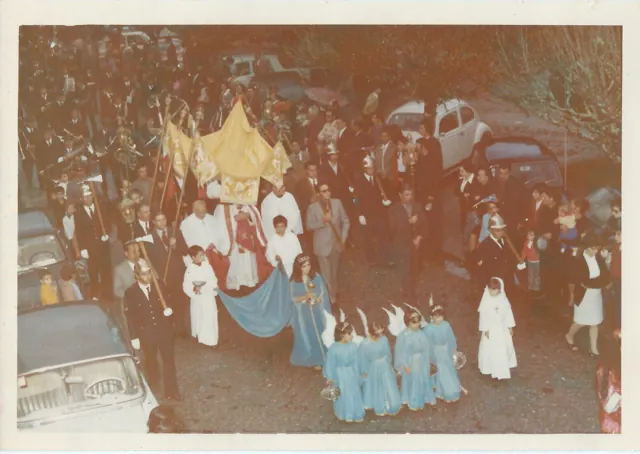
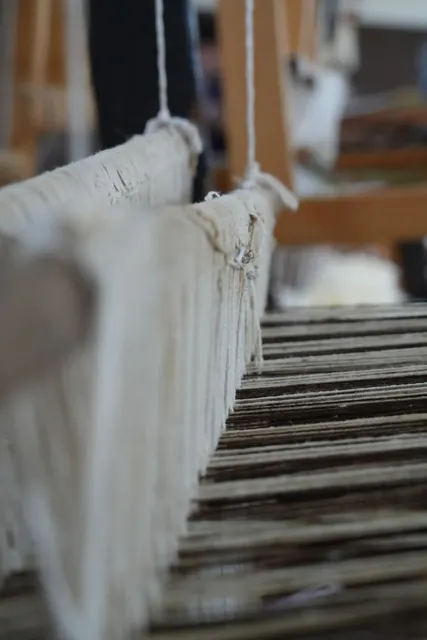
Eight stories about between help, water, harvests, wool, fabrics and materials of the houses. Find out how the work connected the villages to the fairs and try to organize a wheel of shifts on paper. It is a reading route, without displacements.
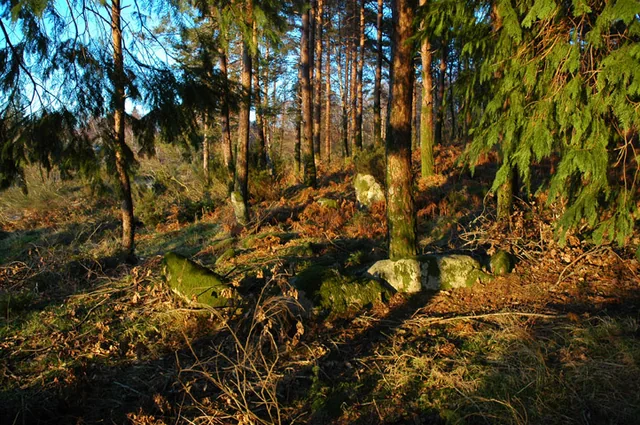
Ten stories link the trees from the margins to the animals and moisture. Compare the otter and the water mole, follow the relationship with the aquatic insects and discover the water lizard. Each text distinguishes general biology, regional references and documented records; it is a path of reading, not sighting.
Eight stories link wool, fields, rivers, mail and places of worship of Bucos. It compares the daily life of 1758 with the transmission of crafts in 2024–2026, including a meeting in Rio Douro. The Casa da Lã has its own record to prepare a visit.
Follow the water between canals, fields and equipment. Compare forms of sharing and discover how an open levada passed the plumbing in Alvite. Historical documents help to read changes in the landscape; do not indicate current conditions of access.
Fossas, villages, sculptures and graves: eight readings bring different times closer to the territory. Follow archaeological interpretations and their uncertainties. It is a reading sequence, not a roadmap for access to sites.
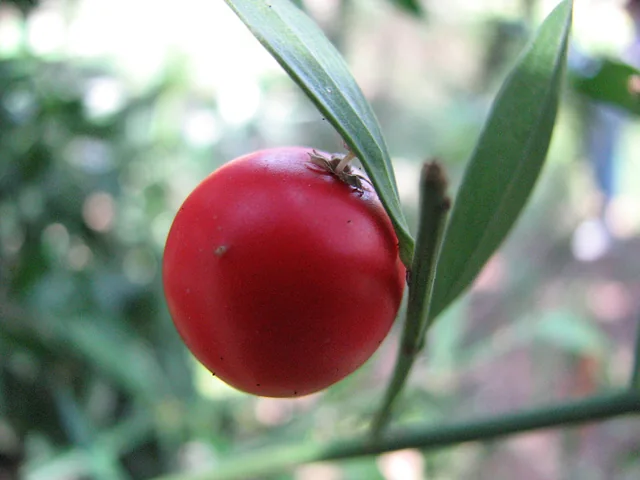
Nine stories to accompany leaves, flowers and fruits throughout the year. Compare local photographs of black oak, medronho and mistletoe with the descriptions of its cycles. Draw contours, look for clues and discover what a single station photograph leaves unaccounted for.
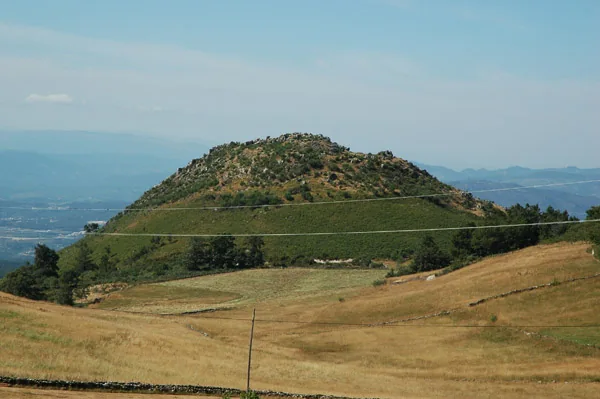
Seven stories to compare fields, hills and pantry of Abadim, Rio Douro, Vila Nune, Faia, São Nicolau, Bucos and Alvite. Draws a landscape of words, distinguishes what was produced from what was bought and followed by the cereal until the bread. The sources conserve their times: in Faia, the old description is compared with the municipal presentation.
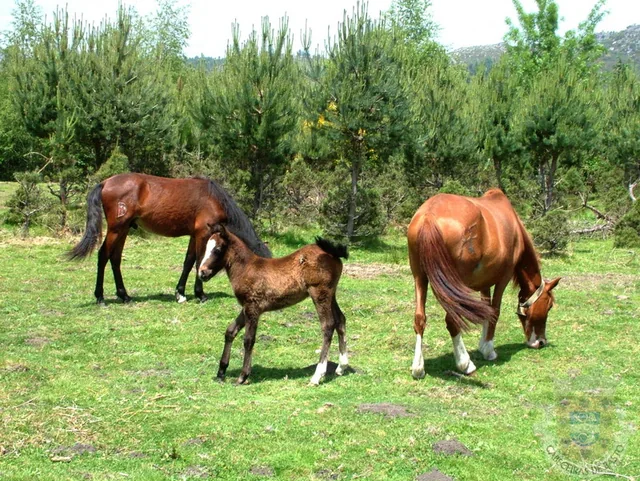
Six readings link the domestic Garrano, the shepherding and fauna described in 1758 to the food and family life of the wolf. Compares sources and draws a changing pack. Memories and regional references are not sighting routes.