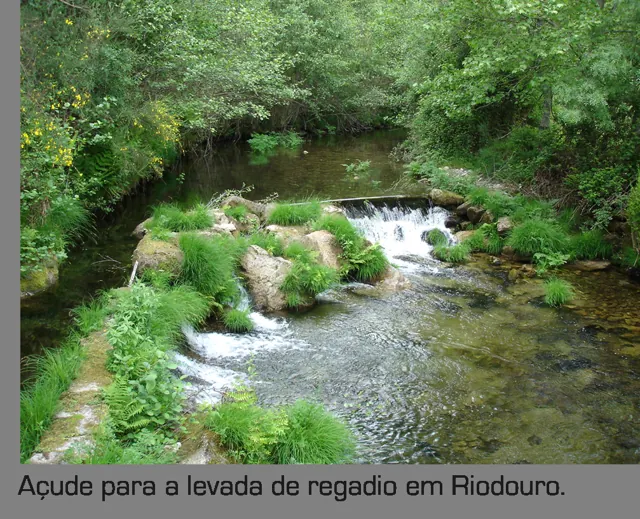
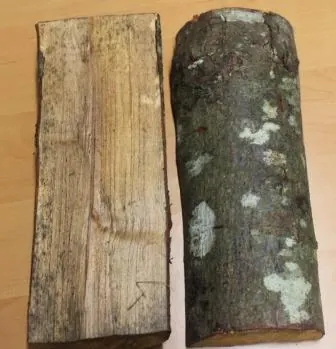
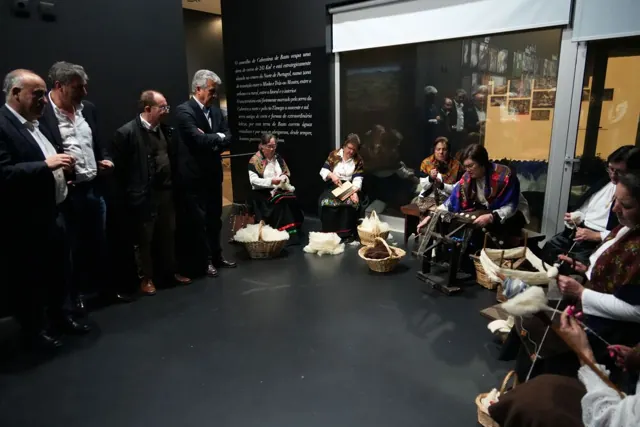
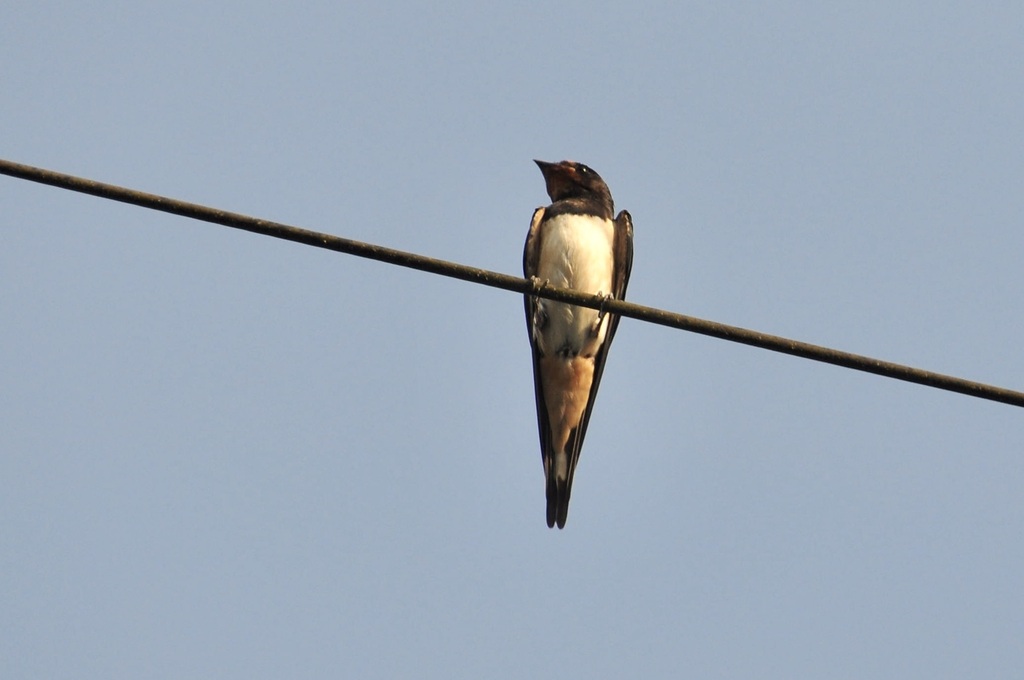
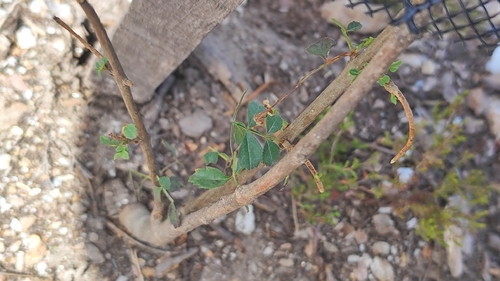
A journey through photographs: branches in Refojos, a riverbank in Cavez, wings in Abadim and a wire in Painzela. Open the records, look for details and try the challenges. This is a reading journey, not an outdoor itinerary or a promise of sightings.
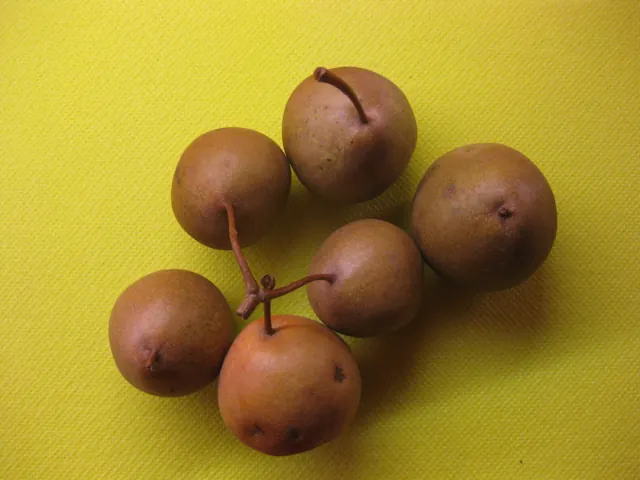
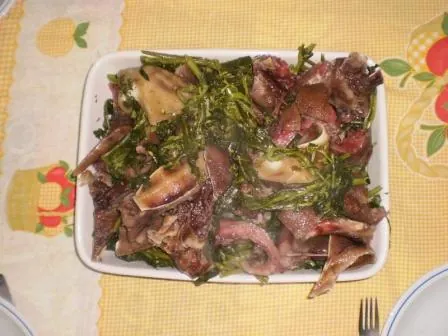
Seven readings between fruit, creoles, cabbages, identified meat of origin and market. Three recipes allow to accompany ingredients and steps, including roasted quails with or without wine. The stories link the table to the landscape, family memories and shopping.
Ten readings accompany the water in the memories of 1758: cultures, margins, mills and differences between parishes. Vila Nune's account also looks at Atei, on the other side of Tâmega. Compares what each author observed, without turning the documents into visiting maps.
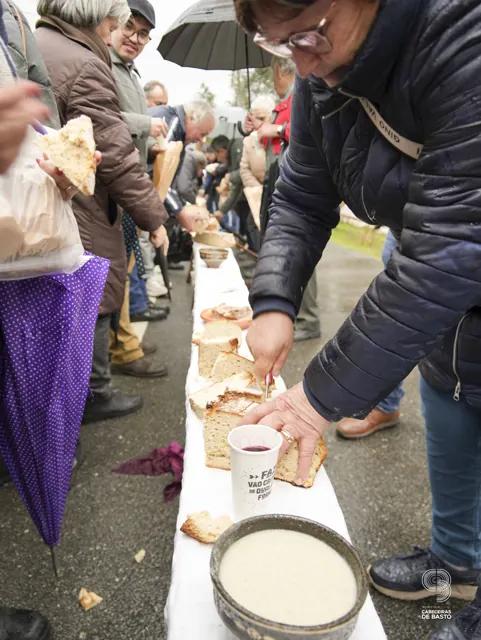
Nine stories follow the cereals to the pasta, the oven, the lunch and the bakery ads. Compare Recovos' recipe, the life of yeasts and the bread rituals. Ingredients and remarkable steps accompany the fountains; in the end, create an advertisement inspired by the memory of 1939.
Eight memories linked to Pedraça: the conoada fireplace, the winter pot, Carnival, crops and the next batch. An interactive calendar connects the occasions to the stories, from family testimonies.
Start by sampling the Tâmega in Cavez and get to know the six registered fish. Seven readings link the survey of 2016–2017 to shapes, feed, reproduction and origin of the species. No indication of fishing points or current presence.
Nine stories to follow the water saved, the levada, the floors of the mill and the way to the table. The reading of Levada de Víbora links these explanations to the landscape of Abadim; the track record retains practical information. A path to read and explore.
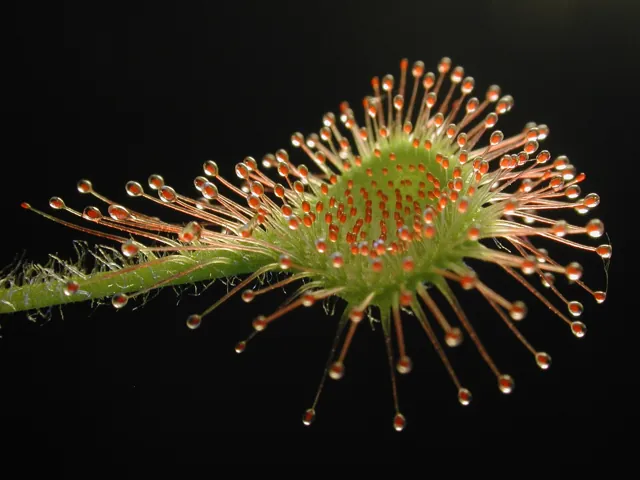
It looks at nature on the scale of details: leaves, insects, a shell with bands and a slug with spots. It compares shapes and experiences the activities, distinguishing local photographs from general explanations about the species.
From the climate to the names of the grapes, from terraces to vintage utensils: nine stories to know the vineyard of Basto. Compare grape varieties and build a map of local names. Reading tour, no trips or evidence included.
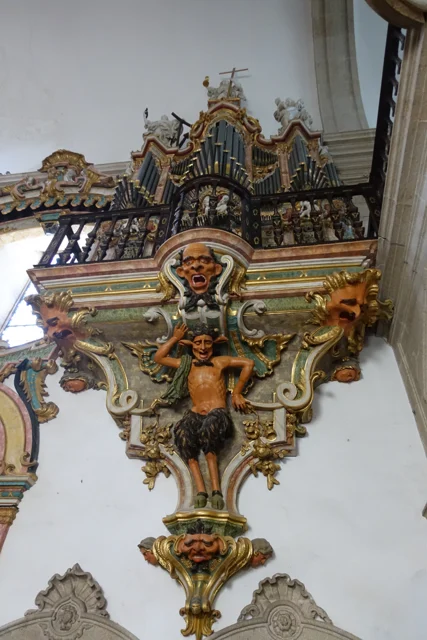
Back to titles ↑View of the organ and the decoration that sustains it, photographed in 2016. The image does not determine which of the two organs is the mute.
A mute organ, wood and metal, a frame, a star and five arches. Discover details of Refojos, Abadim and Cavez in five readings. The sequence does not indicate a visit route or access to the interiors.
Who taught the recipe? Who shared the sweets? From family memory to Arosa’s reception, seven readings link the kitchen to people, animal husbandry and field work. It includes a proposal to save the story of your recipe.
From the glow of insects to the shadow of forests: five readings to see how living beings relate to the environment. Sources distinguish general biology and local records.
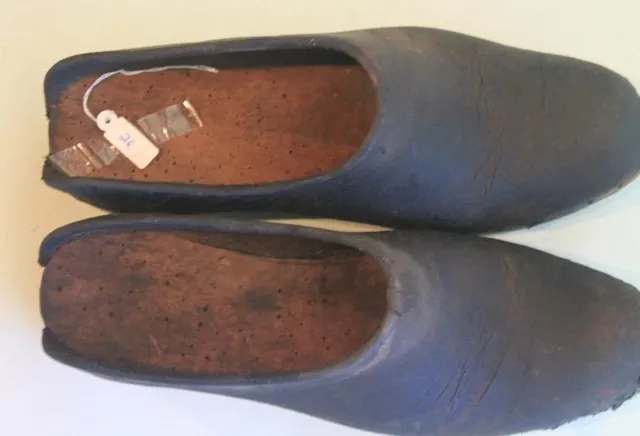
Raw material, learning, tools and change of craft: seven stories follow the footwear to the fair and to the pilgrimage. Includes questions and a design proposal, without visits to workshops.
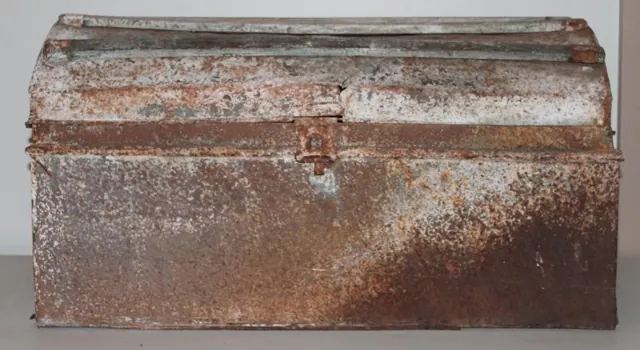
Make light, transport fuel, heat and prepare food: six stories of objects documented by the Museum. Discover everyday gestures, materials and differences that an inventory number helps to preserve.
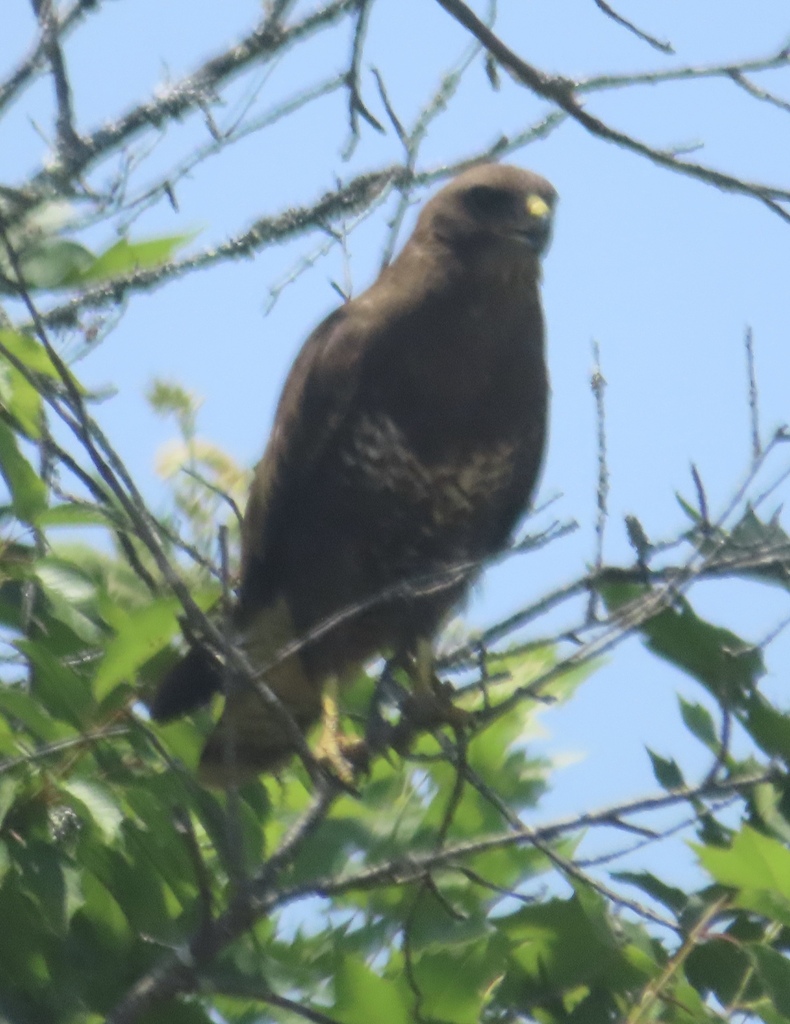
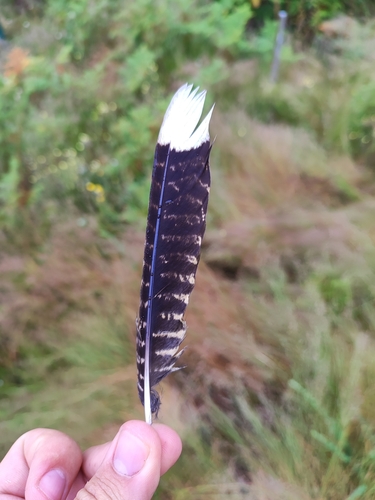
Nine stories to meet birds through kinship, color, singing and food. Discover an acrobat between leaves and a menu that changes in winter; compares trips and care with eggs, passes through the water and ends in the night. A reading route, without indicating nests or promising sightings.
Seven stories to follow the water to the Douro and discover life under the surface. Explores the layers of the river, accompanies the transformation of an insect and draws a food network. Local references and dated studies are distinguished from general explanations of ecology.
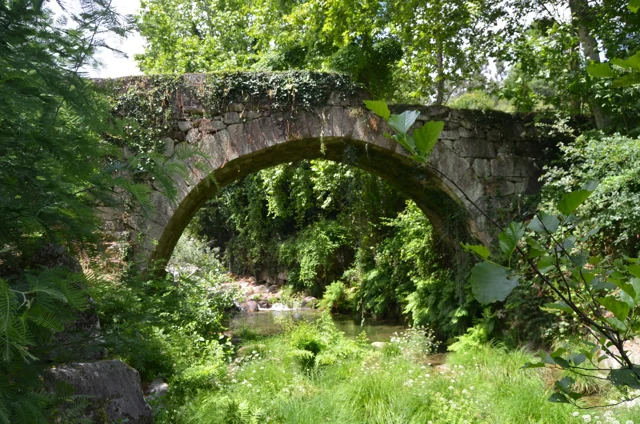
Eight stories to accompany the bridge over the centuries and enter the lives of the villages. Opens the chronology, distinguishes legend and document and discovers chapels, mail, mills and coal. It is a route of reading, without indicating a pedestrian itinerary.
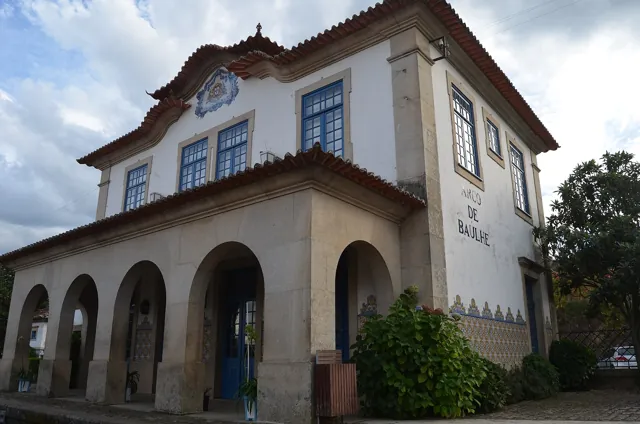
Four stories to discover the shape of the bridges, the works that transform them and the old line that gained new steps. A path of reading between Cavez and Arco de Baúlhe e Vila Nune, without indicating a pedestrian itinerary.