Discover Cabeceiras de BastoFree independent guide
ViveCabeceirasYOUR GUIDE TO CABECEIRAS
ENEnglish
SearchSaved
CHOICE · EXPERIMENTARY · TAKE

A notebook.
Your findings.

Up to six proposals of Cabeceiras, in your own order, to do it at home, in company or on a break.

2 de 6 propostas escolhidas · faça-as ao seu ritmo.

PROPOSTA 1 DE 2 · Read the landscape through the plants

Alloy plant, soil and water

Serra da Cabreira · flora and habitat

A carnivorous plant in the mountains

Visit Cabeceiras includes Drosera rotundifolia in the mountain flora. Flora-On describes its habitat as waterlogged meadows, marshes and peat bogs with Sphagnum mosses, generally in mountain areas. The reference concerns Cabreira as a whole; it does not identify an observation point in this guide. A review by the US Forest Service helps explain this connection with water: it describes continuously moist conditions and soils that are often acidic and poor in nutrients. The plant tolerates prolonged dry spells poorly. This explanation concerns the species in general, rather than measurements of soil or water in Cabreira. Knowing a plant also means knowing the habitat it depends on. A photograph shows its shape; a habitat description explains why looking for a similar flower on any hillside is not enough. Moisture is a key clue here. Observe differences between habitats without entering waterlogged areas or removing plants for comparison.
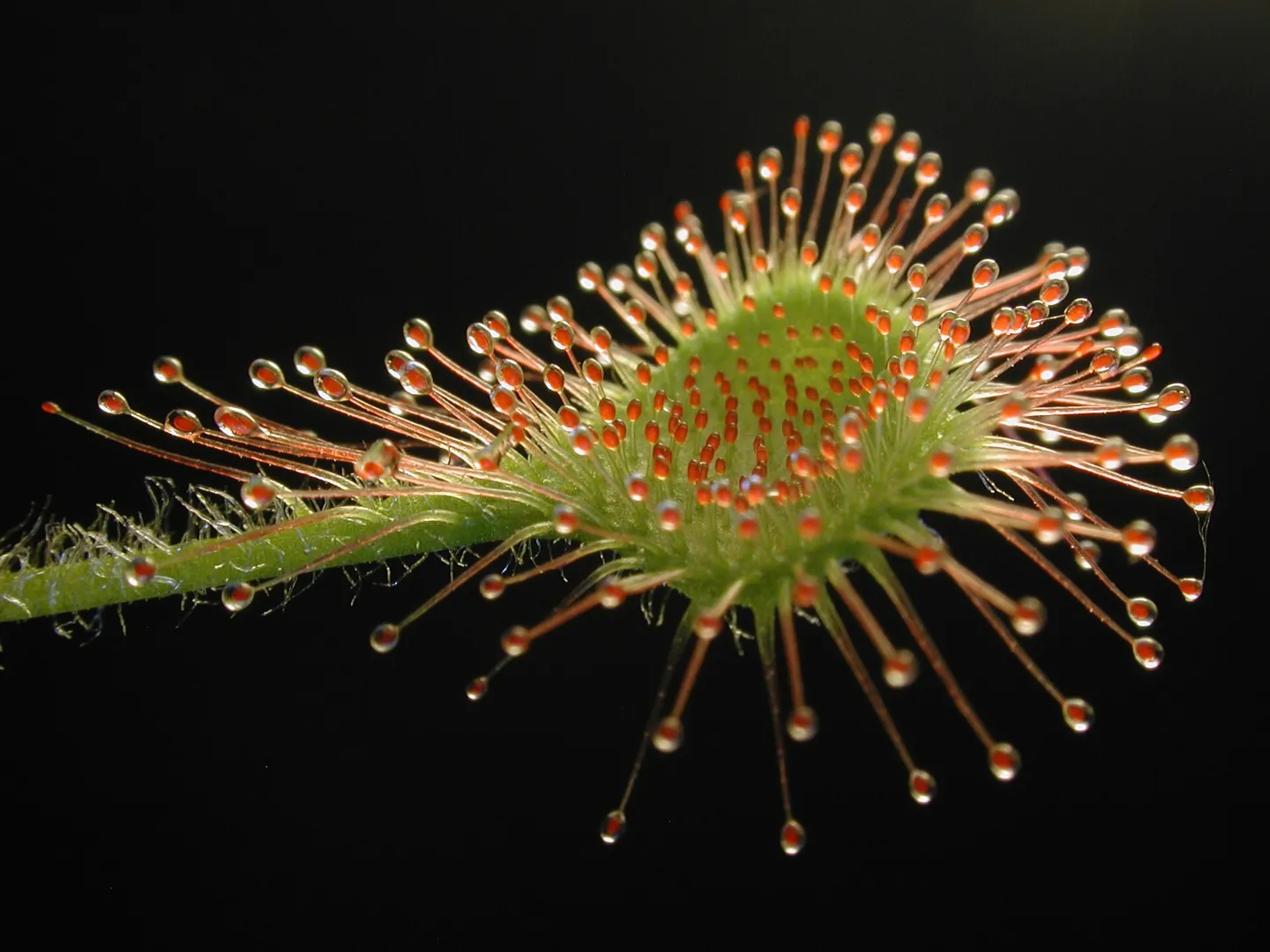
Drosera rotundifolia leaf with tentacles and droplets. Species photograph, not located in the Cabreira.
Photography: Petr Dlouhý · CC BY-SA 3.0
Credits and options

View source

Photograph date not stated.

Request removal or correct the photo credit

See 1 more photo and details
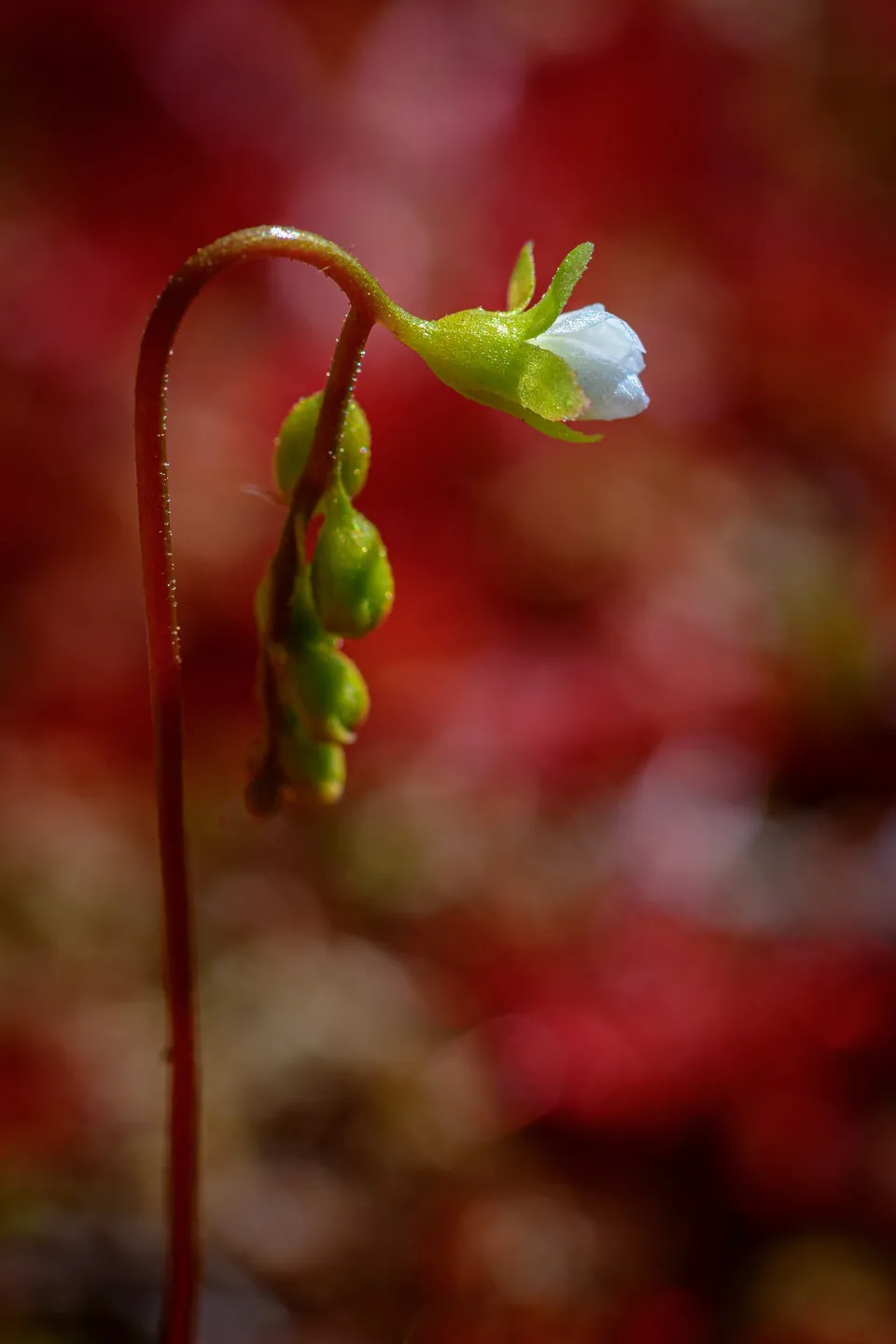
Drosera rotundifolia flower. Species illustration, not a local observation.
Photography: Stephan Sprinz · CC BY 4.0
Credits and options

View source

Date given at source: .

Request removal or correct the photo credit

Vamos experimentar?

  1. Draws three boxes: turtledove, water and soil nutrients.
  2. Connect sundew with the constant moisture described in the story.
  3. Opens the leaf trap story and adds an arrow to the insects.

A map of relationships made from sources, without going into bogs or looking for a population.

Open a história e os seus recursos →
Sources of this proposal

My findings

An idea, a drawing or a question to go on.
PROPOSTA 2 DE 2 · Read the landscape through the plants

Try observing

Hillside crops · olive botany

One leaf, two sides

The municipality’s landscape description includes olive trees on the hillsides of Cabeceiras. The cultivated olive has leaves that are grey-green above and silvery-grey beneath, where hairs grow. Its small flowers have four white petals joined at the base. The fruit is the olive, an oil-rich drupe. The University of Évora’s description follows the change from green to reddish and dark shades during ripening, but also mentions forms that remain green when ripe. Colour alone does not tell the fruit’s whole story. The connection from tree to olive oil continues in the story of the Ramil oil mill. The profile distinguishes the cultivated olive from its wild form, known in Portuguese as zambujeiro. The latter is described as having smaller leaves and fruits and thorny lower branches. This comparison shows why a single feature, such as the silvery underside of a leaf, does not explain every difference. The olive is evergreen: it retains foliage throughout the year. You can therefore return to the same tree in different seasons and compare leaves, flowers and fruits, without expecting to find them all at once.

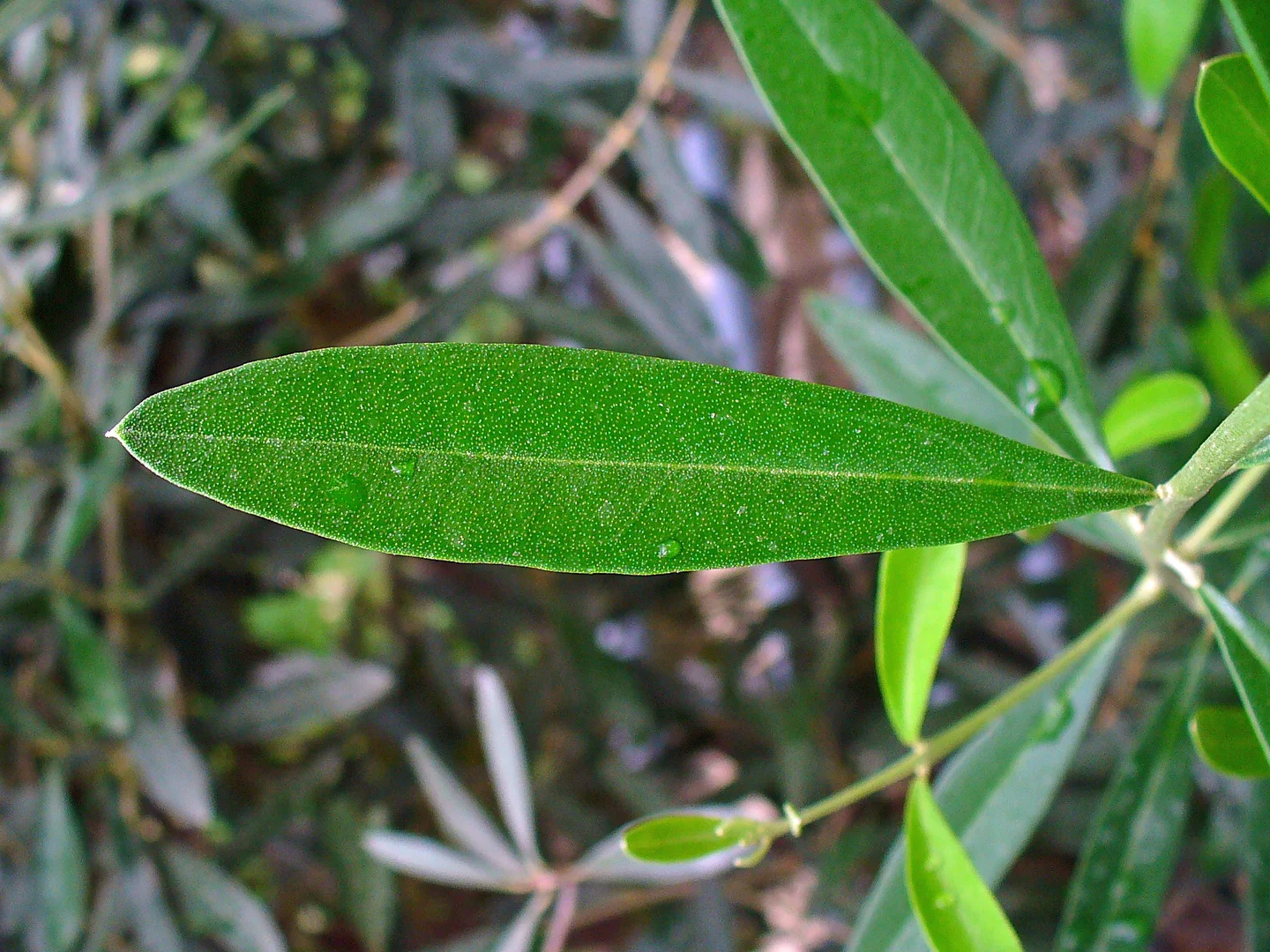
An elongated green olive leaf with a pale central vein and other leaves behind it.
An olive leaf photographed in Stutensee, Germany, in 2011. Botanical illustration, not an observation from Cabeceiras. This view does not show both sides of the same leaf.
Photography: H. Zell · CC BY-SA 3.0
Credits and options

View source

Date given at source: .

Request removal or correct the photo credit

Vamos experimentar?

  1. Observes the photograph: draw the contour and the central nerve of the sheet.
  2. The image does not show the two sides of the same sheet. Separate what you see from what the text explains on the lower face.
  3. If you observe an olive tree throughout the year, record separately leaves, flowers and fruits, without taking off material.

An activity to try at your own pace, without collecting specimens.

Open a história e os seus recursos →
Sources of this proposal

My findings

An idea, a drawing or a question to go on.

YOUR LOCAL GUIDE

What would you like to discover?

Take a closer look.