Discover Cabeceiras de BastoFree independent guide
ViveCabeceirasYOUR GUIDE TO CABECEIRAS
ENEnglish
SearchSaved
CHOICE · EXPERIMENTARY · TAKE

A notebook.
Your findings.

Up to six proposals of Cabeceiras, in your own order, to do it at home, in company or on a break.

2 de 6 propostas escolhidas · faça-as ao seu ritmo.

PROPOSTA 1 DE 2 · The flavours of Cabeceiras

Compare two French toasts

Cabeceiras · 2012 memory and 2015 recipe

Honey sweetens rabanadas too

In the food programme of 23–25 March 2012, Cabeceiras presented roast kid as its speciality and rabanadas with honey as a regional sweet. The municipal announcement also links the table to Vinho Verde, meat and honey. This combination shows how food promotion brings products and preparations together. It is the historical programme of that edition, not a current menu or a claim that rabanadas originated exclusively in the municipality. The 2015 guide adds a preparation with milk and honey. Compare it with Dídia Teixeira’s wine version: the same name can hold different recipes.
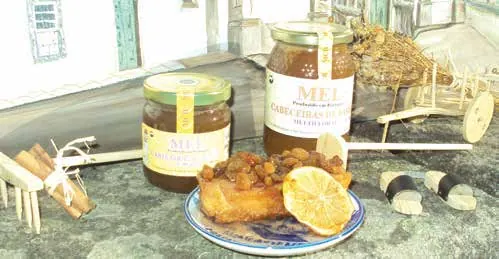
Honey rabanada in the Cabeceiras presentation in the 2014–2015 gastronomic guide.
ⓘ

Honey rabanada in the Cabeceiras presentation in the 2014–2015 gastronomic guide.

Source: Turismo do Porto e Norte de Portugal

View source

Photograph date not stated.

Individual photographer and reuse licence not stated by the source.

Request removal or correct the photo credit

Vamos experimentar?

  1. Open the recipes of honey and wine.
  2. Compares the liquid in which the bread is wet, the ingredients of the frying and the finish.
  3. Write down who shared each version and where it appears.

Comparison between documented recipes; does not presuppose a single preparation in all houses.

Open a história e os seus recursos →
Sources of this proposal

My findings

An idea, a drawing or a question to go on.
PROPOSTA 2 DE 2 · Life you do not always see

Compare two faces

Badger · general biology

A home beneath the ground

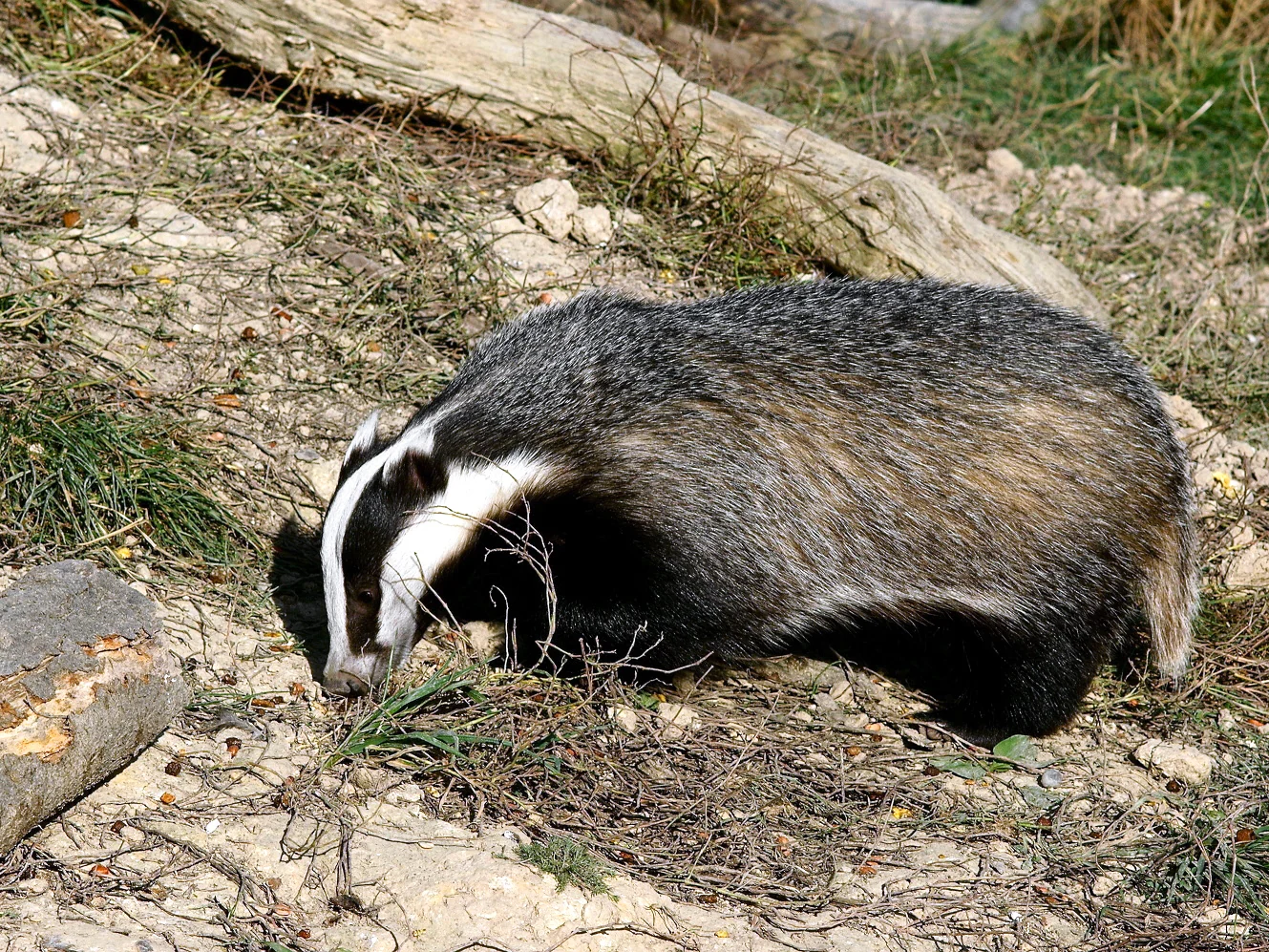
The European badger, Meles meles, is mainly nocturnal and shelters in extensive underground setts. Two dark stripes on a white head are a striking visual clue; its short legs have strong claws. Museu Virtual da Biodiversidade describes its presence in woods, forests and farmland with vegetation. This profile explains the species in mainland Portugal; it does not document an observation in Cabeceiras de Basto. The claws are long and non-retractile: they do not draw back like a cat’s. A short, pale tail provides another contrast with a fox’s long tail. These details help compare descriptions without searching for or disturbing setts.

Badger with gray body and head with light and dark bands, next to the ground.
Badger at the British Wildlife Centre in Newchapel, Surrey, UK, in 2011. Animal in fauna park; not a record of Cabeceiras.Illustrative photograph · outside the municipality
Peter Trimming
ⓘ

Badger at the British Wildlife Centre in Newchapel, Surrey, UK, in 2011. Animal in fauna park; not a record of Cabeceiras.

Photography: Peter Trimming · CC BY 2.0

View source

Date given at source: .

Request removal or correct the photo credit

Vamos experimentar?

  1. In the photograph, it follows the light and dark bands of the head and the contour of the body.
  2. Compare the text with the image: the description of the claws and the den goes beyond what this framework shows.
  3. Open the otter story and compare the snouts in the two photographs, keeping the contexts of each park separate.

The badger was photographed at the British Wildlife Centre in the UK. A daylight photograph in a park does not invalidate the description of the species' mostly nocturnal habits.

Open a história e os seus recursos →
Sources of this proposal

My findings

An idea, a drawing or a question to go on.

YOUR LOCAL GUIDE

What would you like to discover?

Take a closer look.