Discover Cabeceiras de BastoFree independent guide
ViveCabeceirasYOUR GUIDE TO CABECEIRAS
ENEnglish
SearchSaved
CHOICE · EXPERIMENTARY · TAKE

A notebook.
Your findings.

Up to six proposals of Cabeceiras, in your own order, to do it at home, in company or on a break.

2 de 6 propostas escolhidas · faça-as ao seu ritmo.

PROPOSTA 1 DE 2 · A world beneath the leaves

Draws stepwise growth

General biology · growth of fungi

Why do mushrooms grow in a circle?

Some mycelia spread out from a starting point, seeking nutrients in the outer areas. Mushrooms may emerge along that growing edge and form a ring. The visible circle thus follows the fungus’s expansion through its substrate. Not all fungi make these patterns; this general explanation does not confirm a ring observed in the municipality. The network grows as hyphae lengthen and branch. Connections between the threads also allow nutrients to move through the mycelium. Imagine several interconnected paths: a ring of mushrooms, when it appears, does not reveal the whole underground pattern. Growth does not have to trace a perfect circle. Nutrient distribution and environmental conditions influence its direction. The Australian botanic gardens describe greater development in favourable areas; the circle is a way to understand the process, not a compulsory pattern.

Vamos experimentar?

  1. Mark a point on a sheet and draw three filaments from it.
  2. In a second figure, it prolongs and branches the filaments; it adds links between some branches.
  3. In a third figure, it marks a possible margin of mushroom appearance. It distinguishes the visible ring net.

Simplified growth model without assigning a size, age or species to a real circle.

Open a história e os seus recursos →
Sources of this proposal

My findings

An idea, a drawing or a question to go on.
PROPOSTA 2 DE 2 · Read the landscape through the plants

Try observing

Hillside crops · olive botany

One leaf, two sides

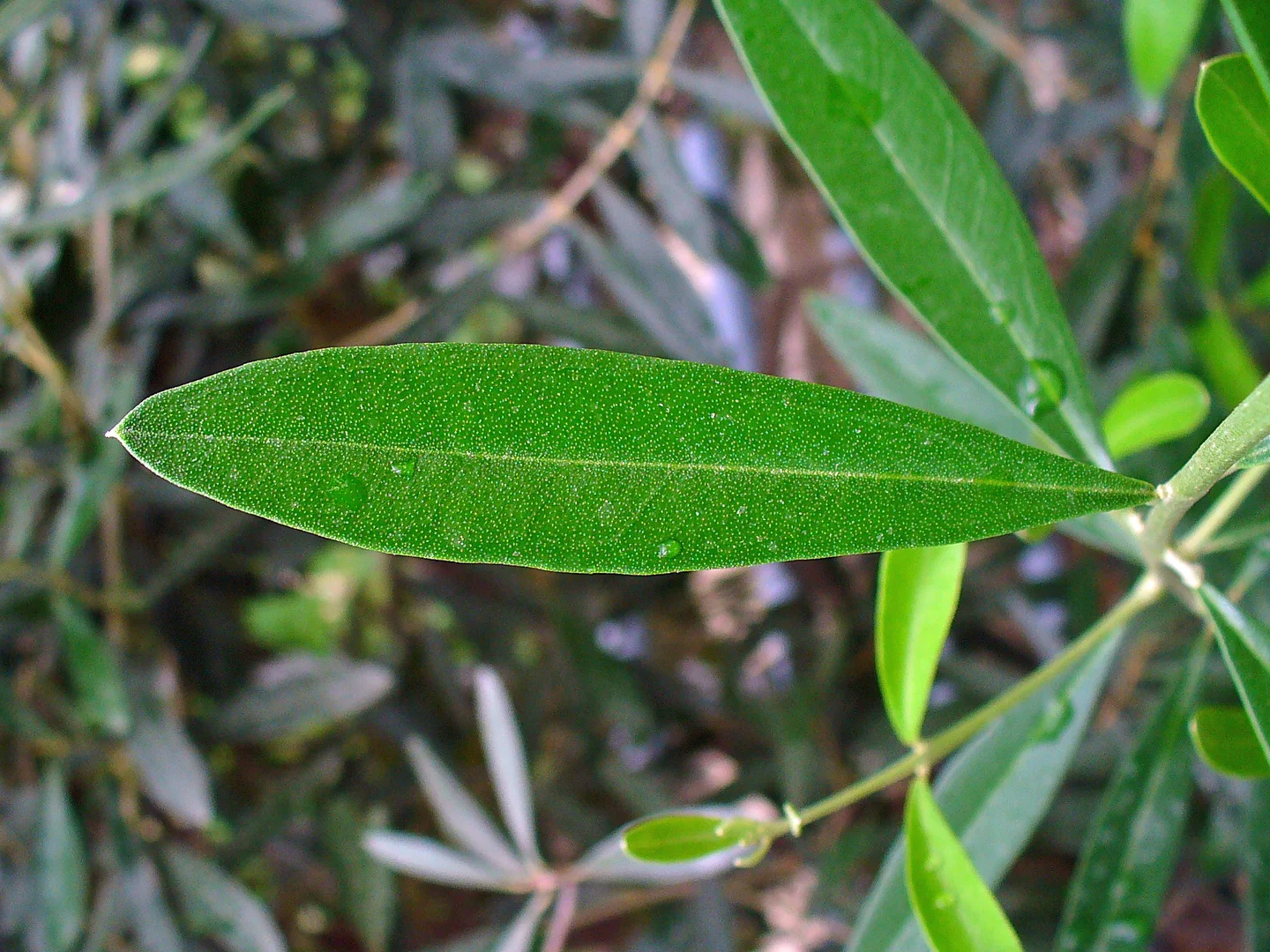
The municipality’s landscape description includes olive trees on the hillsides of Cabeceiras. The cultivated olive has leaves that are grey-green above and silvery-grey beneath, where hairs grow. Its small flowers have four white petals joined at the base. The fruit is the olive, an oil-rich drupe. The University of Évora’s description follows the change from green to reddish and dark shades during ripening, but also mentions forms that remain green when ripe. Colour alone does not tell the fruit’s whole story. The connection from tree to olive oil continues in the story of the Ramil oil mill. The profile distinguishes the cultivated olive from its wild form, known in Portuguese as zambujeiro. The latter is described as having smaller leaves and fruits and thorny lower branches. This comparison shows why a single feature, such as the silvery underside of a leaf, does not explain every difference. The olive is evergreen: it retains foliage throughout the year. You can therefore return to the same tree in different seasons and compare leaves, flowers and fruits, without expecting to find them all at once.

An elongated green olive leaf with a pale central vein and other leaves behind it.
An olive leaf photographed in Stutensee, Germany, in 2011. Botanical illustration, not an observation from Cabeceiras. This view does not show both sides of the same…Illustrative photograph · outside the municipality
H. Zell
ⓘ

An olive leaf photographed in Stutensee, Germany, in 2011. Botanical illustration, not an observation from Cabeceiras. This view does not show both sides of the same leaf.

Photography: H. Zell · CC BY-SA 3.0

View source

Date given at source: .

Request removal or correct the photo credit

Vamos experimentar?

  1. Observes the photograph: draw the contour and the central nerve of the sheet.
  2. The image does not show the two sides of the same sheet. Separate what you see from what the text explains on the lower face.
  3. If you observe an olive tree throughout the year, record separately leaves, flowers and fruits, without taking off material.

An activity to try at your own pace, without collecting specimens.

Open a história e os seus recursos →
Sources of this proposal

My findings

An idea, a drawing or a question to go on.

YOUR LOCAL GUIDE

What would you like to discover?

Take a closer look.