Discover Cabeceiras de BastoFree independent guide
ViveCabeceirasYOUR GUIDE TO CABECEIRAS
ENEnglish
SearchSaved
CHOICE · EXPERIMENTARY · TAKE

A notebook.
Your findings.

Up to six proposals of Cabeceiras, in your own order, to do it at home, in company or on a break.

2 de 6 propostas escolhidas · faça-as ao seu ritmo.

PROPOSTA 1 DE 2 · Life you do not always see

Try observing

General biology · aquatic insects, without a local species inventory

Tiny shelters beneath the water

Caddisfly larvae live in water; many build shelters from sand or plant fragments. They form part of river and stream food webs, providing food for fish, birds and amphibians. The Tagis guide highlights their usefulness as ecological indicators. Finding one individual, however, does not certify water quality on its own. The submerged shelter is only part of the story. The adult has hairy wings and slender antennae, and holds its wings like a small roof over its body when resting. It may resemble a butterfly or moth, but those have scales on their wings. Adult caddisflies usually fly around dusk and live near freshwater bodies. There is no single menu for all larvae either: depending on the group, they may eat algae, plants, organic remains or other invertebrates. They are consumers and, at the same time, food for other animals. A food web describes these relationships better than a line assigning just one food to each species.

Vamos experimentar?

  1. Observe the water from an accessible and stable margin.
  2. Look for differences between sand, vegetable remains and small shelters without collecting them.
  3. If you do not distinguish any, save the question for an accompanying activity.

An activity to try at your own pace, without collecting specimens.

Open a história e os seus recursos →
Sources of this proposal

My findings

An idea, a drawing or a question to go on.
PROPOSTA 2 DE 2 · Travel through time

Try observing

Tâmega Line · object presented by the Museum in June 2024

The last light told a story

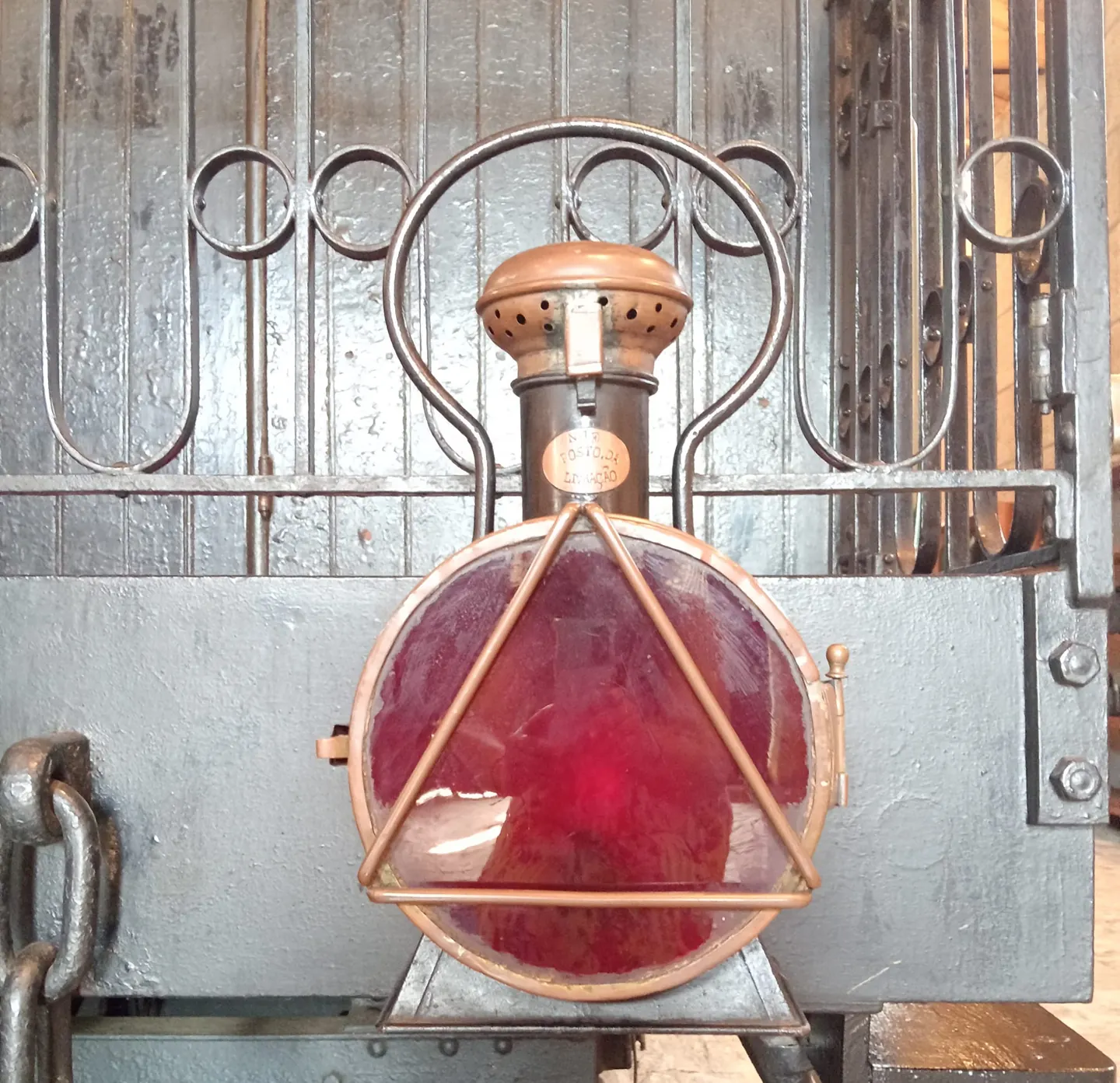
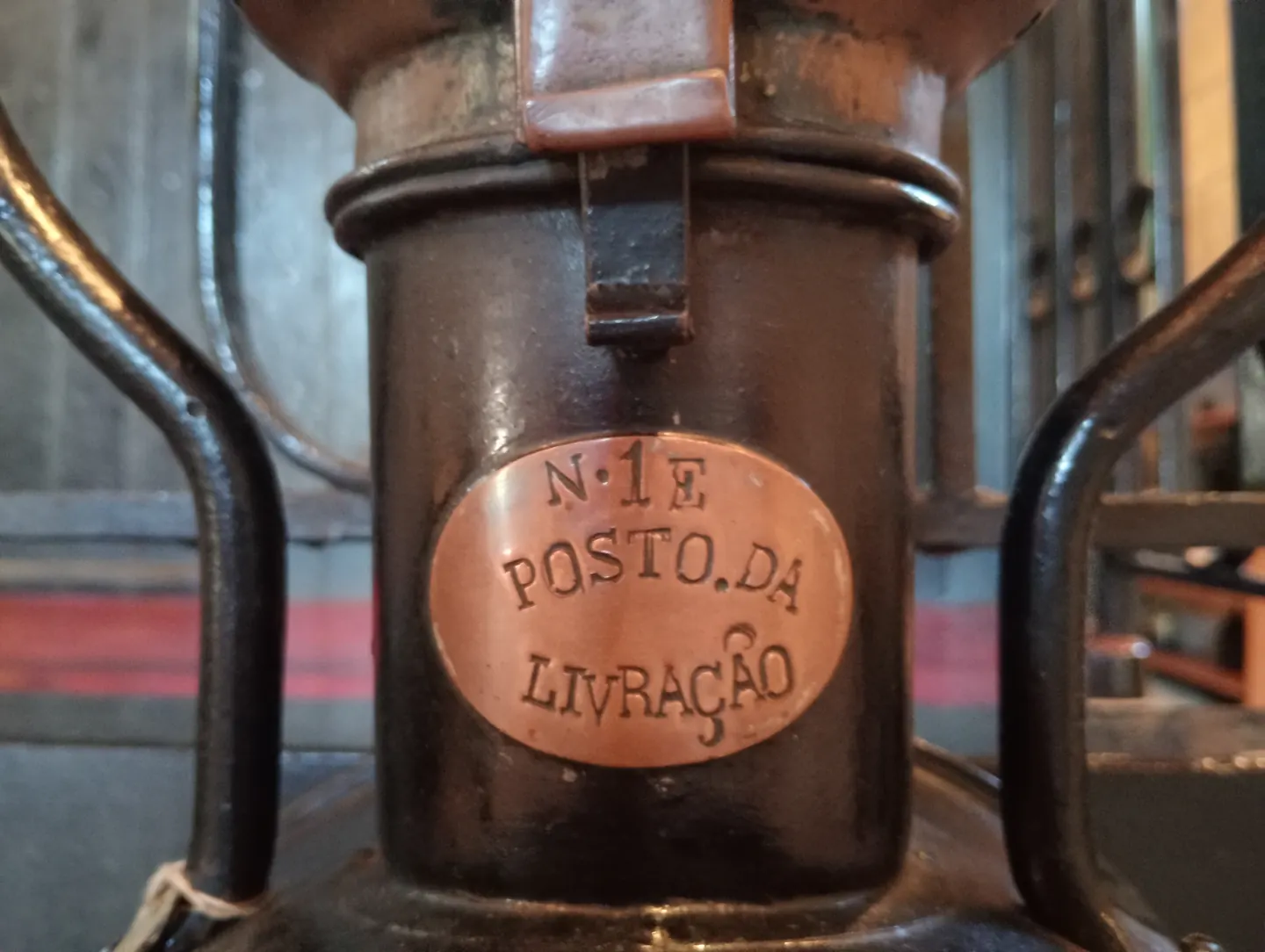
The last vehicle of a train carried an important message. The Museum presents a red tail lamp, used at night on the last carriage or wagon to indicate that the train was complete. Its purpose was to signal, not to light the track ahead of the locomotive. The inscription N.1 E POSTO. DA LIVRAÇÃO links the object to Livração station on the Tâmega Valley line. Reading the object means bringing together three clues: the colour of the light, its position on the train and the inscription connecting it with a place. This small object shows that railway history also consists of signals and quiet tasks. The Museum’s presentation, published in June 2024, describes its use and the station to which it was assigned; it does not give a manufacturing date.

Tail lamp no. 1 associated with the Livração post, in the Museum’s 2024 publication.
ⓘ

Tail lamp no. 1 associated with the Livração post, in the Museum’s 2024 publication.

Source: Museu das Terras de Basto

View source

Photograph date not stated.

Individual photographer and reuse licence not stated by the source.

Request removal or correct the photo credit

Tail lamp no. 1 associated with the Livração post, in the Museum’s 2024 publication.
ⓘ

Tail lamp no. 1 associated with the Livração post, in the Museum’s 2024 publication.

Source: Museu das Terras de Basto

View source

Photograph date not stated.

Individual photographer and reuse licence not stated by the source.

Request removal or correct the photo credit

Vamos experimentar?

  1. Draws a locomotive followed by carriages and a last vehicle.
  2. Mark the position of the tail headlamp and identify the colour described at the source.
  3. Compare your task to the pier lamp in the related reading. Two lights can transmit information or illuminate different spaces.

An activity to try at your own pace, without collecting specimens.

Open a história e os seus recursos →
Sources of this proposal

My findings

An idea, a drawing or a question to go on.
YOUR LOCAL GUIDE

What would you like to discover?

Take a closer look.