Discover Cabeceiras de BastoFree independent guide
ViveCabeceirasYOUR GUIDE TO CABECEIRAS
ENEnglish
SearchSaved
CHOICE · EXPERIMENTARY · TAKE

A notebook.
Your findings.

Up to six proposals of Cabeceiras, in your own order, to do it at home, in company or on a break.

2 de 6 propostas escolhidas · faça-as ao seu ritmo.

PROPOSTA 1 DE 2 · Travel through time

Try observing

Tâmega Line · object presented by the Museum in June 2024

The last light told a story

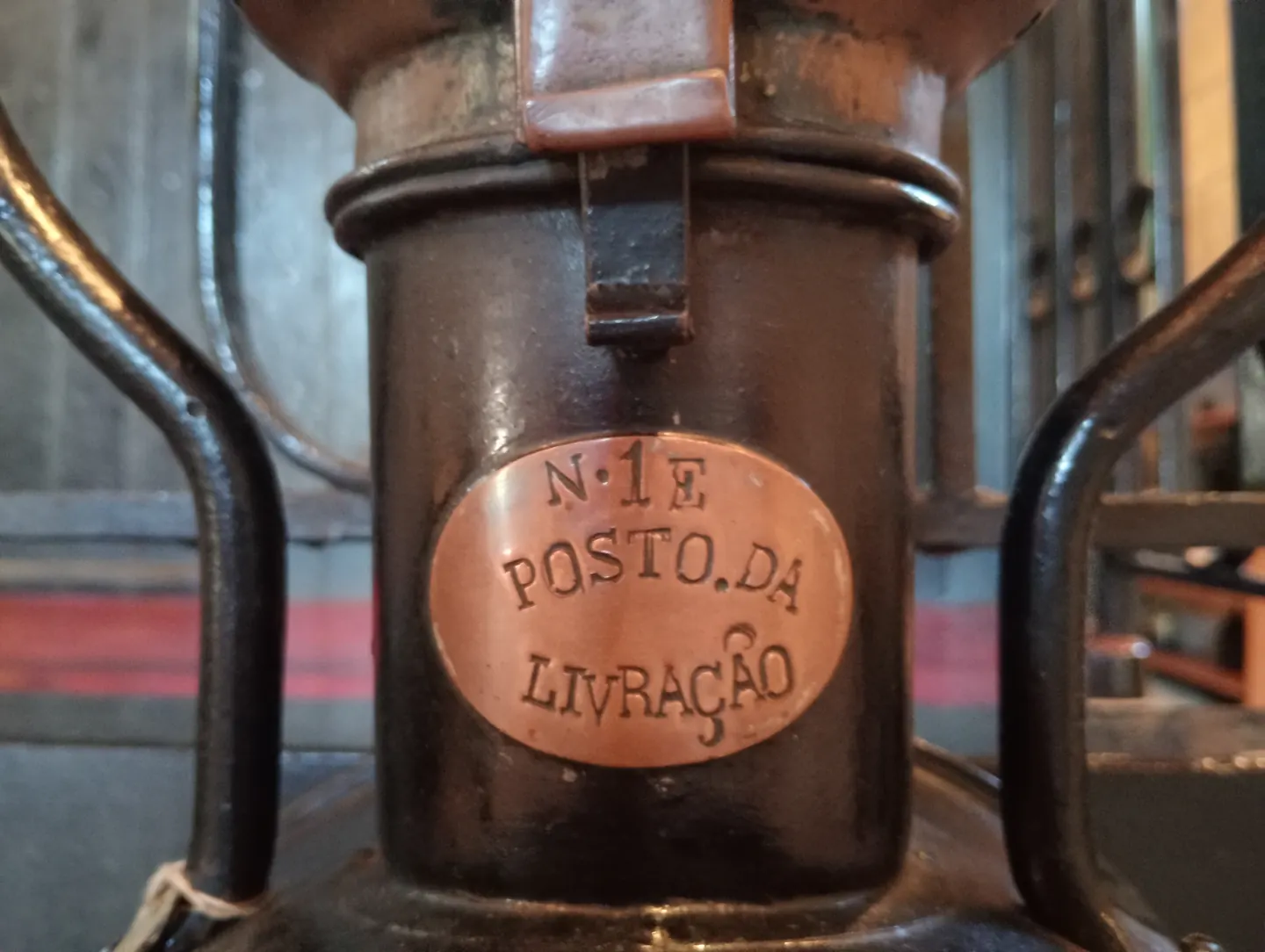
The last vehicle of a train carried an important message. The Museum presents a red tail lamp, used at night on the last carriage or wagon to indicate that the train was complete. Its purpose was to signal, not to light the track ahead of the locomotive. The inscription N.1 E POSTO. DA LIVRAÇÃO links the object to Livração station on the Tâmega Valley line. Reading the object means bringing together three clues: the colour of the light, its position on the train and the inscription connecting it with a place. This small object shows that railway history also consists of signals and quiet tasks. The Museum’s presentation, published in June 2024, describes its use and the station to which it was assigned; it does not give a manufacturing date.
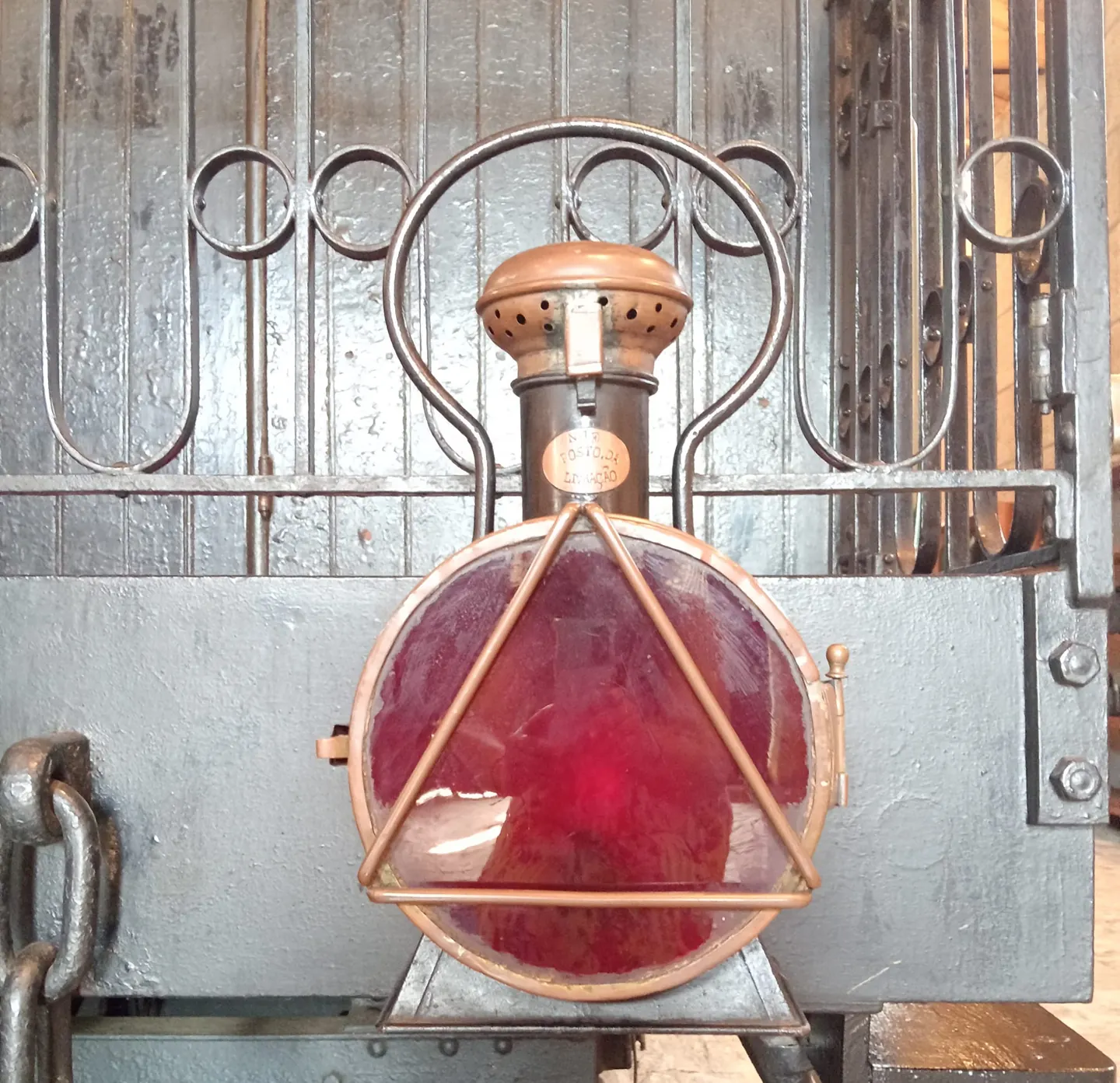
Tail lamp no. 1 associated with the Livração post, in the Museum’s 2024 publication.
ⓘ

Tail lamp no. 1 associated with the Livração post, in the Museum’s 2024 publication.

Source: Museu das Terras de Basto

View source

Photograph date not stated.

Individual photographer and reuse licence not stated by the source.
Request removal or correct the photo credit

Tail lamp no. 1 associated with the Livração post, in the Museum’s 2024 publication.
ⓘ

Tail lamp no. 1 associated with the Livração post, in the Museum’s 2024 publication.

Source: Museu das Terras de Basto

View source

Photograph date not stated.

Individual photographer and reuse licence not stated by the source.

Request removal or correct the photo credit

Vamos experimentar?

  1. Draws a locomotive followed by carriages and a last vehicle.
  2. Mark the position of the tail headlamp and identify the colour described at the source.
  3. Compare your task to the pier lamp in the related reading. Two lights can transmit information or illuminate different spaces.

An activity to try at your own pace, without collecting specimens.

Open a história e os seus recursos →
Sources of this proposal

My findings

An idea, a drawing or a question to go on.

PROPOSTA 2 DE 2 · Travel through time

Draw the links of the village

Bucos · transport in 1758

A small bridge on a long route

At Casares, a wooden bridge formed part of the royal road to Braga and the connections with Trás-os-Montes, according to the 1758 account. Given the traffic, the vicar argued for rebuilding it in stone. This was a request, not confirmation of completed work. The source distinguishes that crossing from small pedestrian footbridges made with a wooden beam. Different crossings answered different needs. The crossing did not serve only the village. The vicar describes a busy public road connecting Braga with the jurisdiction of Basto and Trás-os-Montes. The bridge therefore appears as a local point in a larger network. His recommendation to replace it with dressed stone shows the author assessing a need as well as recording what existed. In the same rivers, water drove mills and was used by farmers in their fields. Crossing, milling and irrigation appear in the same portrait of the territory. A bridge can be read through what it makes possible: reaching another place, maintaining a connection or bringing work on opposite sides of the water closer together.

Vamos experimentar?

  1. Write on a sheet Casares, parish church, Fox and mills, without putting them on a real map.
  2. Connect each name to the need described: crossing, receiving news, cult or grinding.
  3. It distinguishes what the text describes from what it merely proposes, such as the stone bridge.

Scheme of historical relations, without distances or indication of itinerary.

Open a história e os seus recursos →
Sources of this proposal

My findings

An idea, a drawing or a question to go on.

YOUR LOCAL GUIDE

What would you like to discover?

Take a closer look.