Find the tree for details
Vegetation described for the area
The forest has a history too
Oaks and chestnuts form part of the mountain vegetation described by the municipality. The same source describes the partial replacement of that vegetation by maritime pine. A wooded hillside therefore also records planting choices and changes in land use. Looking only at the greenery is not enough: notice the species, the patches and the spaces between trees. This municipal description is not a current survey of every wood. The same tree species can create different working landscapes. The publication Florestas do Alto Minho distinguishes chestnut orchards, managed for fruit, from chestnut coppices, managed for poles. These are uses of the chestnut tree, not two tree species. This regional comparison helps us ask questions about the landscape of Cabeceiras; it does not identify the purpose of any particular local plot. There is also a forest beneath the canopy. The understorey consists of plants growing under the trees; dead wood can support wood-feeding insects and fungi too. A forest landscape is therefore more than a count of living trunks. Look for different layers — canopy, low vegetation and fallen wood — without assuming that species mentioned for another region occur in that spot.
ⓘ
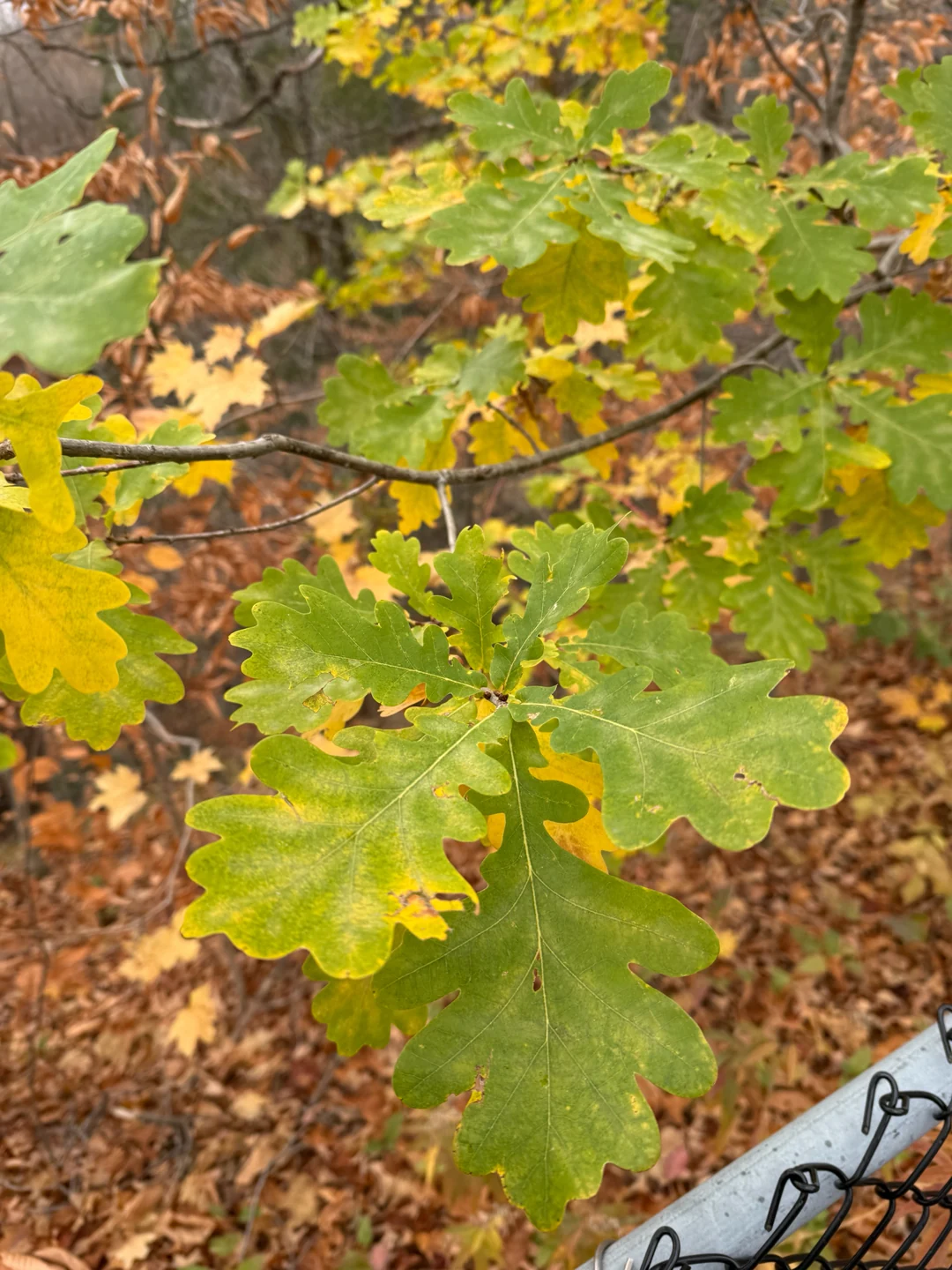
Pedunculate oak leaves, Quercus robur.
Photography: Patrice Dupont · CC BY 4.0
Date given at source: .
Vamos experimentar?
- Choose two trees visible from the path and draw the silhouette of each cup.
- Compare the shape of the leaves and the texture of the trunk without ripping or scraping. Write down the differences, even if you do not know the name of the trees.
- Look back at the landscape: are the trees isolated, aligned or gathered in spots?
- Register three layers: hearts, lower plants and fallen wood. Separate what you see from what you would still have to ask who knows the terrain.
An activity to try at your own pace, without collecting specimens.
Open a história e os seus recursos →Sources of this proposal
- Municipality — landscape and vegetationConsultation/revision: 2026-11-07
- Municipality — landscape heritage: vegetation, agriculture and pastoral careConsultation/revision: 2026-11-07
- High CIM Minho — High Forests Minho, sours and candlesticks (habitat 9260)Consultation/revision: 2026-11-07
My findings
An idea, a drawing or a question to go on.