Water worked the wool too
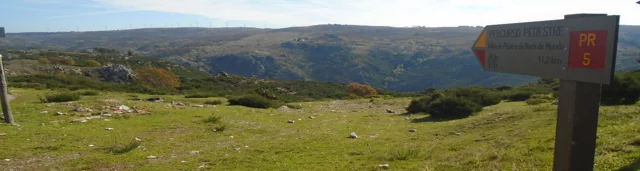
Wool and grain: two tasks beside one stream.
Text size
Your choice is saved only in this browser.
Beside the Cavez stream, an old building brought wool and grain work together: wool was fulled — compacted — there, and grain was ground. The municipal description places the ruins on the descent from Formigueiro. The trail offers a way to discover this memory of work; access to the interior is not confirmed.
The operations need to be kept separate: fulling wool and grinding grain are different tasks, even though the description brings them together in that building. We should not imagine a single machine making flour and treating wool without documentation of its mechanism. The municipal introduction mentions remains of equipment in the ruins, but provides no inventory from which to reconstruct all the parts.
The same landscape connects work with relief. Formigueiro lies above the fulling mill, on a descent the source describes as steep; Nariz do Mundo is another part of the route, offering a view over the valley. Understanding the mill’s history and preparing a walk complement each other: distance, difficulty and conditions belong in the trail profile.
Explore further: words and activities
Explore this story
Same water, different jobs
Open an option and choose the story.
Turning cereal into flour
Peio also made flour →Knowing gestures of wool work
The wool of Bucos also travels by the hands of those who teach →Organize access to water
The water had its turn →
One bookmark per reading journey, saved in this browser.
Source and context
Municipality — the former pison near the brook of Cavez
Accessed: . Editorial summary; the date of consultation is not the date of the facts.