It looks like a leaf, but it is a stem
ⓘ
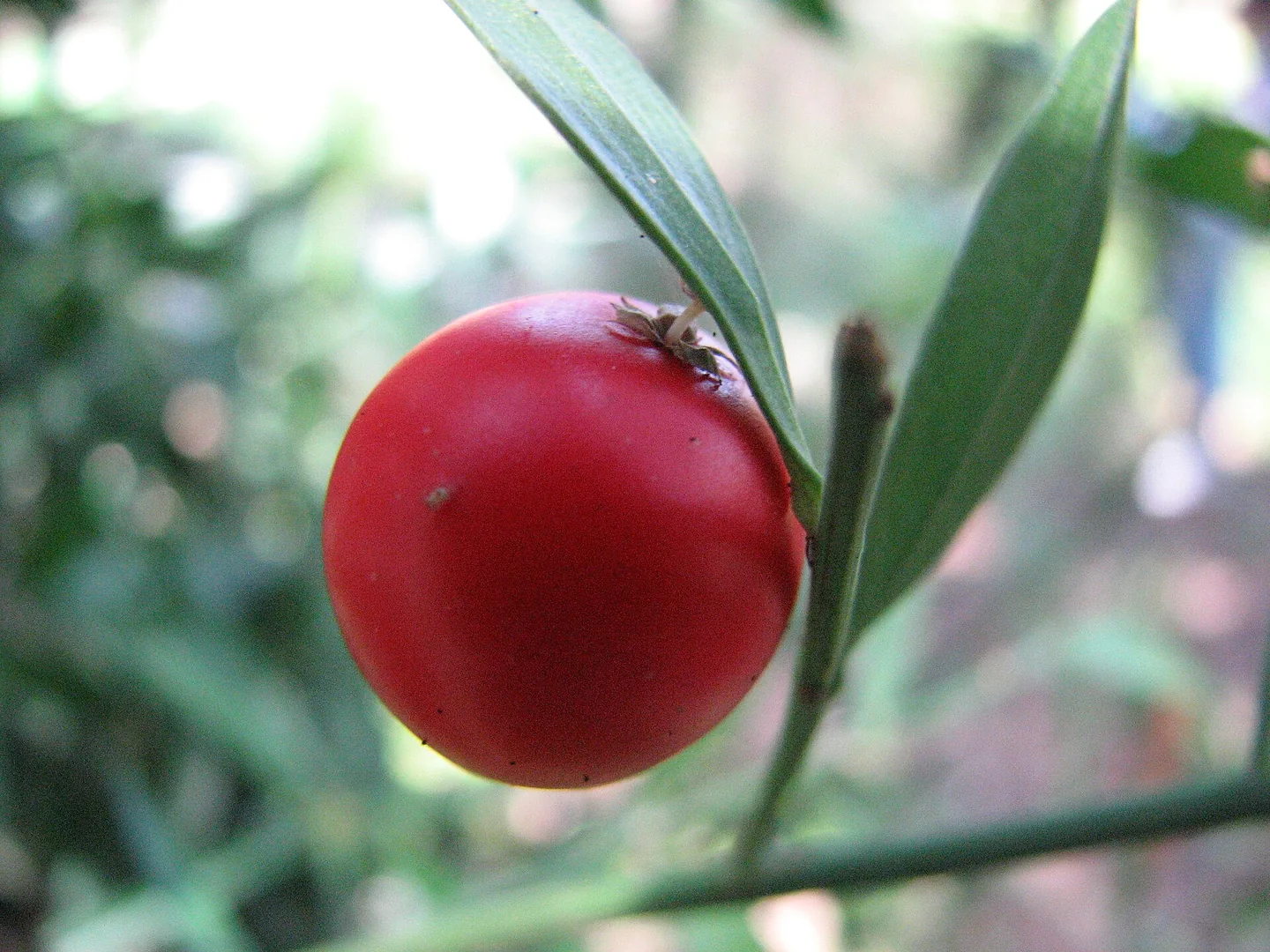
Red fruit of butcher’s broom.
Photography: Vista~commonswiki · CC BY-SA 3.0

Photograph date not stated.
The source attributes authorship to Vista~commonswiki based on the copyright claim, without machine-readable confirmation.
ⓘ
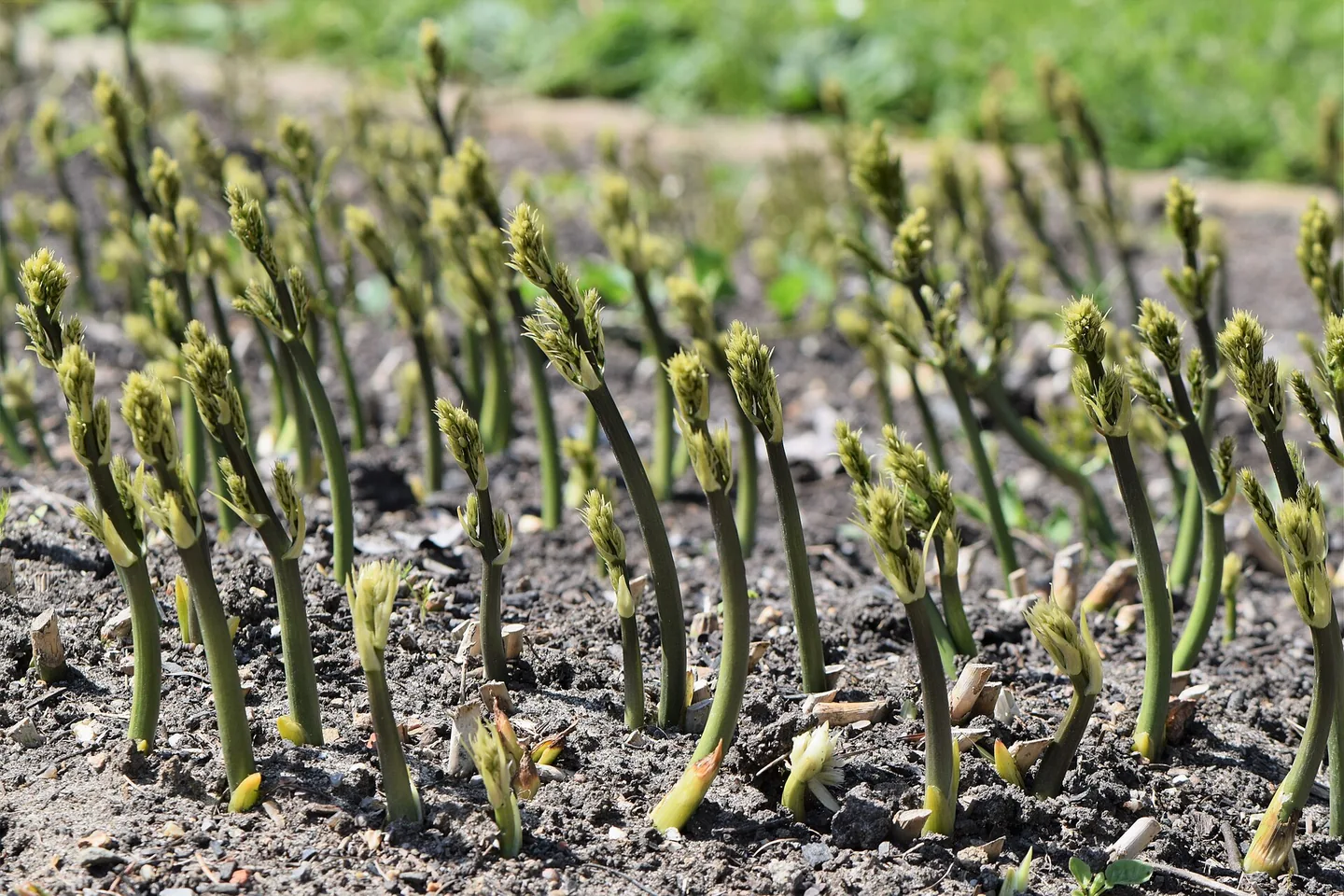
Butcher’s broom shoots.
Photography: Krzysztof Ziarnek, Kenraiz · CC BY-SA 4.0

Date given at source: .
Butcher’s broom hides a small trick of shape.
Text size
Your choice is saved only in this browser.
In Ruscus aculeatus, the true leaves are small scales. Gaia Biological Park explains that the flat green structures resembling leaves are stems called cladodes. The ripe fruits are red and inedible. The species prefers shady places with cool, deep soil. This botanical description does not confirm its presence at a location in Cabeceiras; it helps explain a plant’s form without picking or tasting it.
The University of Évora profile adds a surprising detail: greenish flowers appear in the centre of the cladodes. Later these structures support rounded fruits. What looks like a leaf with a berry attached is actually a specialised stem.
The plant stays green throughout the year and has a rhizome from which branched stems develop. The cladodes are stiff and pointed, ending in a spine. The source places fruit ripening between August and March; this is general botanical guidance, not confirmation of fruits at a place or on a visiting date.
Explore further: words and activities
Explore this story
Look at the whole plant
Open an option and choose the story.
The holly has true leaves
Not all leaves sting in the same way →Another way to look at the stems
In the carqueja, stems also work →Getting to know the forest environments
The thimble likes the banks of the forest →
One bookmark per reading journey, saved in this browser.
Source and context
Gaia Biological Park — Gilbardeira (Ruscus aculeatus)
University of Évora — Biodiversity of Mitra, Ruscus aculeatus
Accessed: . Editorial summary; the date of consultation is not the date of the facts.