To the pilgrimage, clogs in hand
ⓘ
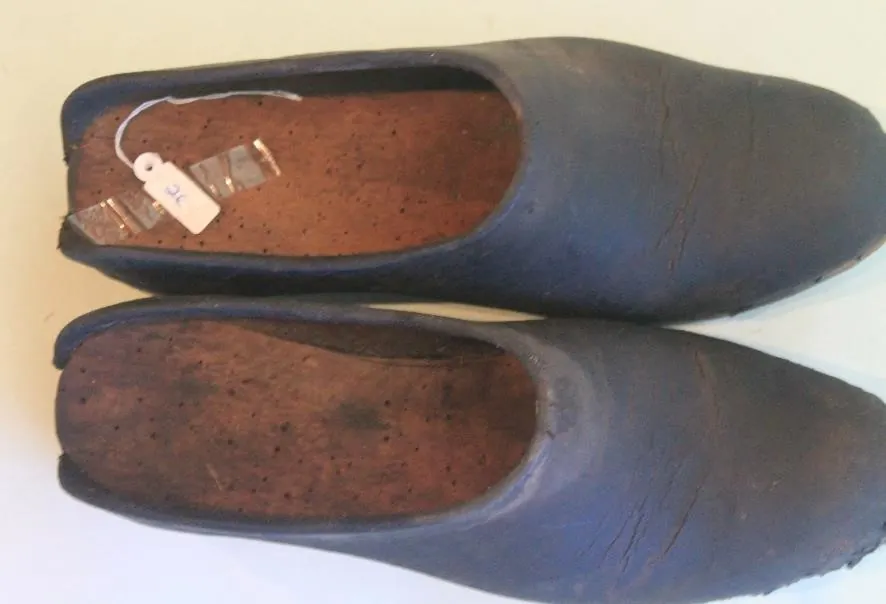
Pair of clogs T26
Source: Museu das Terras de Basto
Photograph date not stated.
Individual photographer and reuse licence not stated by the source.
ⓘ
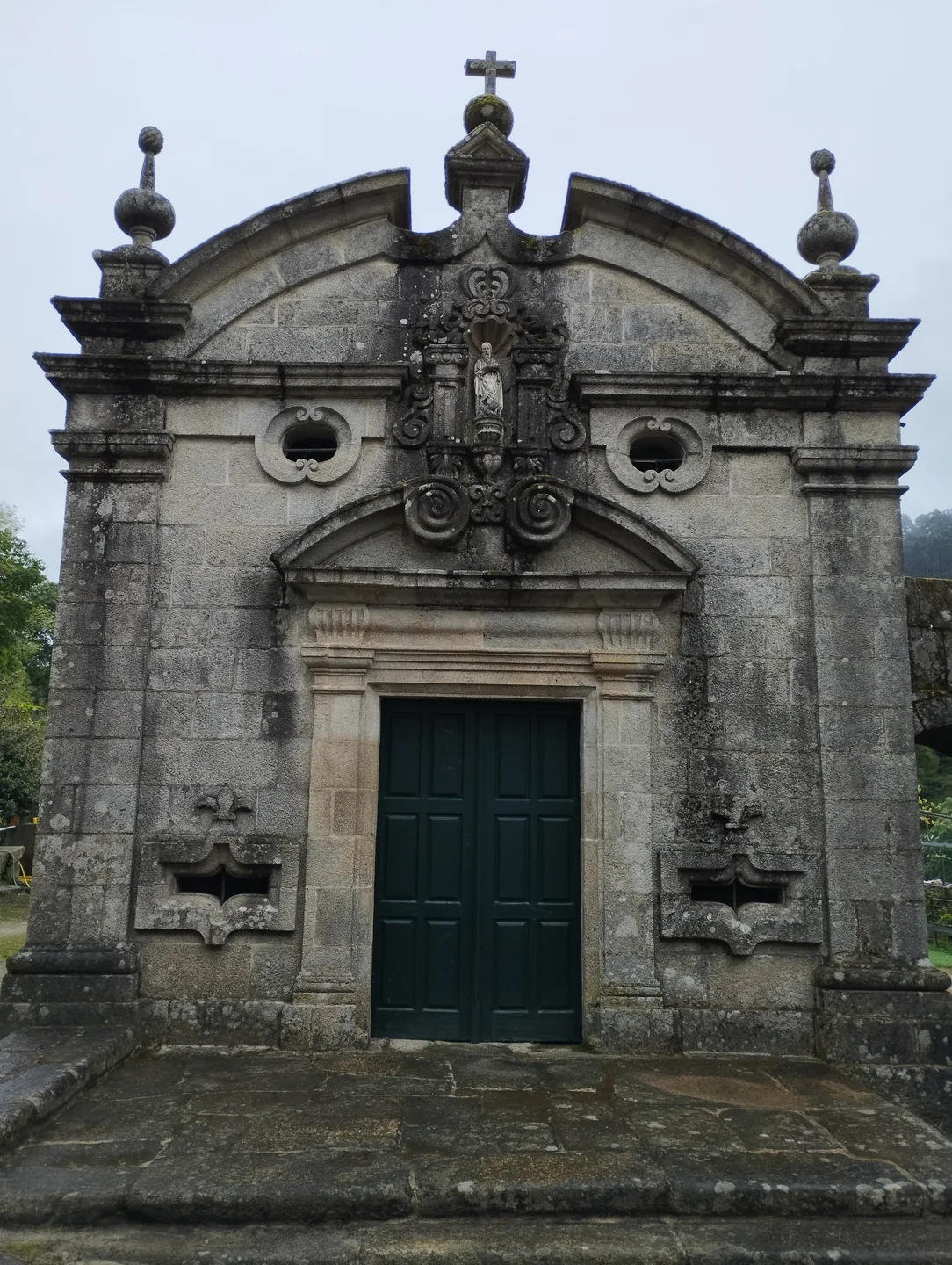
Façade of São Bartolomeu chapel in Cavez.
Source: Museu das Terras de Basto
Photograph date not stated.
Individual photographer and reuse licence not stated by the source.
Carrying footwear did not always mean wearing it.
Text size
Your choice is saved only in this browser.
Teresa Soeiro revisits a description by José Augusto Vieira, published in 1886: among pilgrims to São Bartolomeu de Cavez, some women carried their footwear in their hands. The episode adds a human detail to the journey and recalls habits of thrift and comfort. It is historical testimony, not a description of today’s pilgrimage.
In the study’s introduction, Teresa Soeiro connects wooden footwear with rural paths and farming in the north-west. She mentions sole reinforcements made of metal pieces and, more recently, reused tyre rubber. These are solutions described for resisting wear, without identifying the reinforcement used by the pilgrims in the 1886 episode.
The pilgrimage scene reminds us that owning an object does not mean using it throughout a journey. Keeping it for particular moments was also part of its use. To follow the story before the walk, open the reading about alder and clog makers’ tools: footwear begins with choosing and transforming materials.
Explore further: words and activities
Explore this story
One bookmark per reading journey, saved in this browser.
Source and context
Accessed: . Editorial summary; the date of consultation is not the date of the facts.