A railway took forty years to arrive

ⓘ
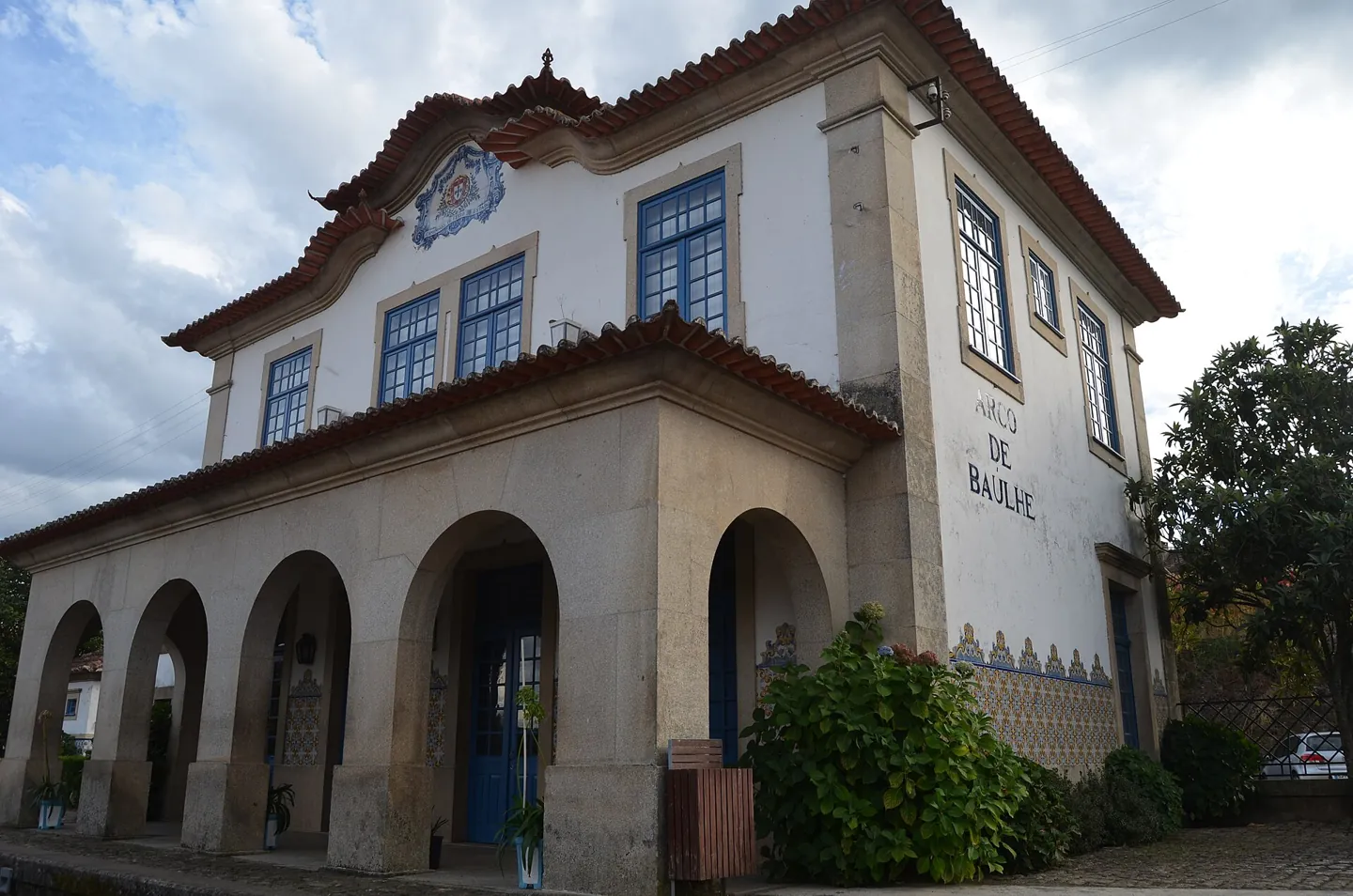
Arco de Baúlhe station building with its arched gallery.
Photography: Pedro from Maia (Porto), Portugal · CC BY 2.0
Date given at source: .

ⓘ
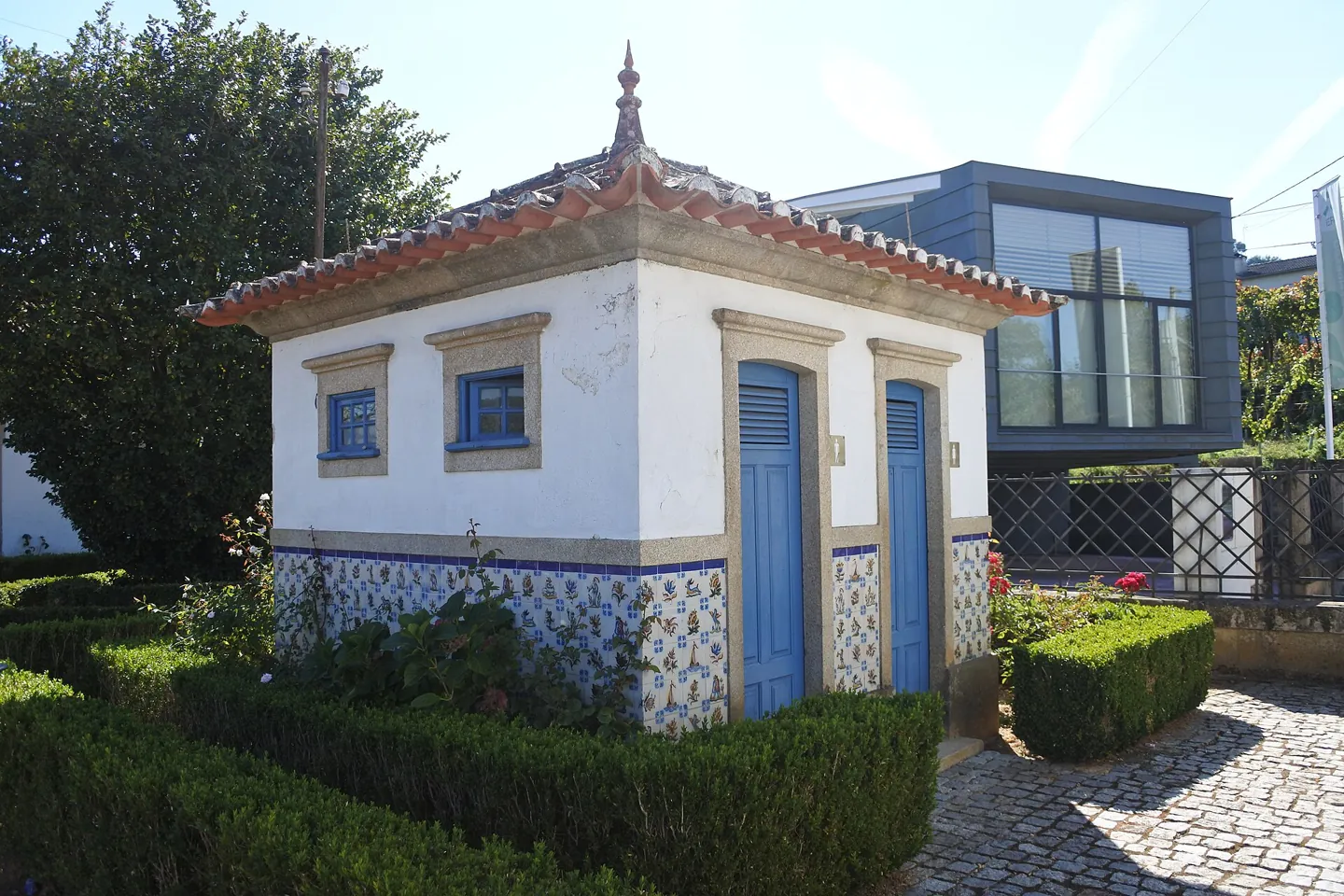
Arco de Baúlhe station: building and garden.
Photography: FF Mira · CC BY-SA 2.0
Date given at source: .
ⓘ
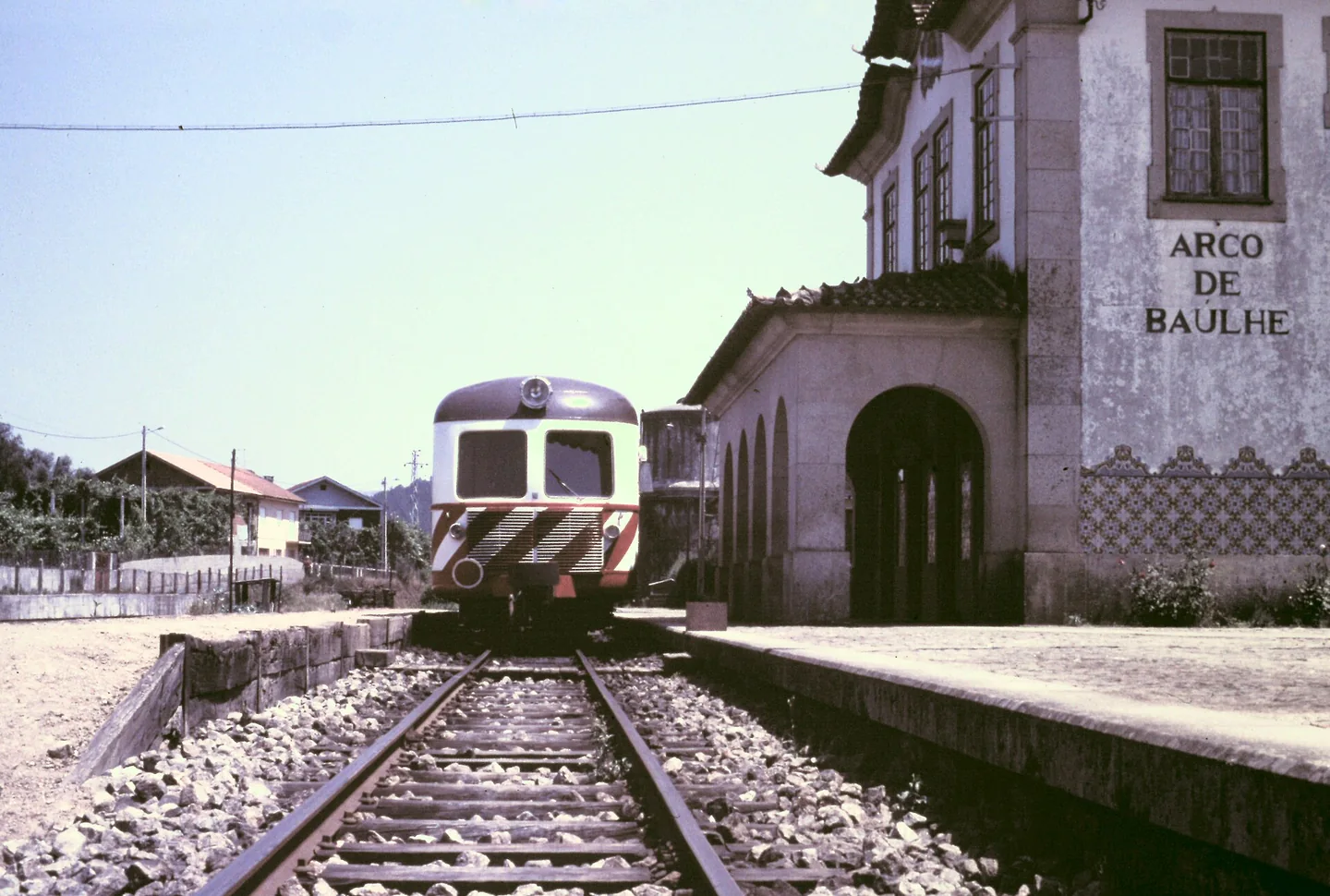
Railway rolling stock on the tracks at the former Arco de Baúlhe station.
Photography: Fernando Moital from Évora, Portugal · CC BY 2.0

Date given at source: .
ⓘ
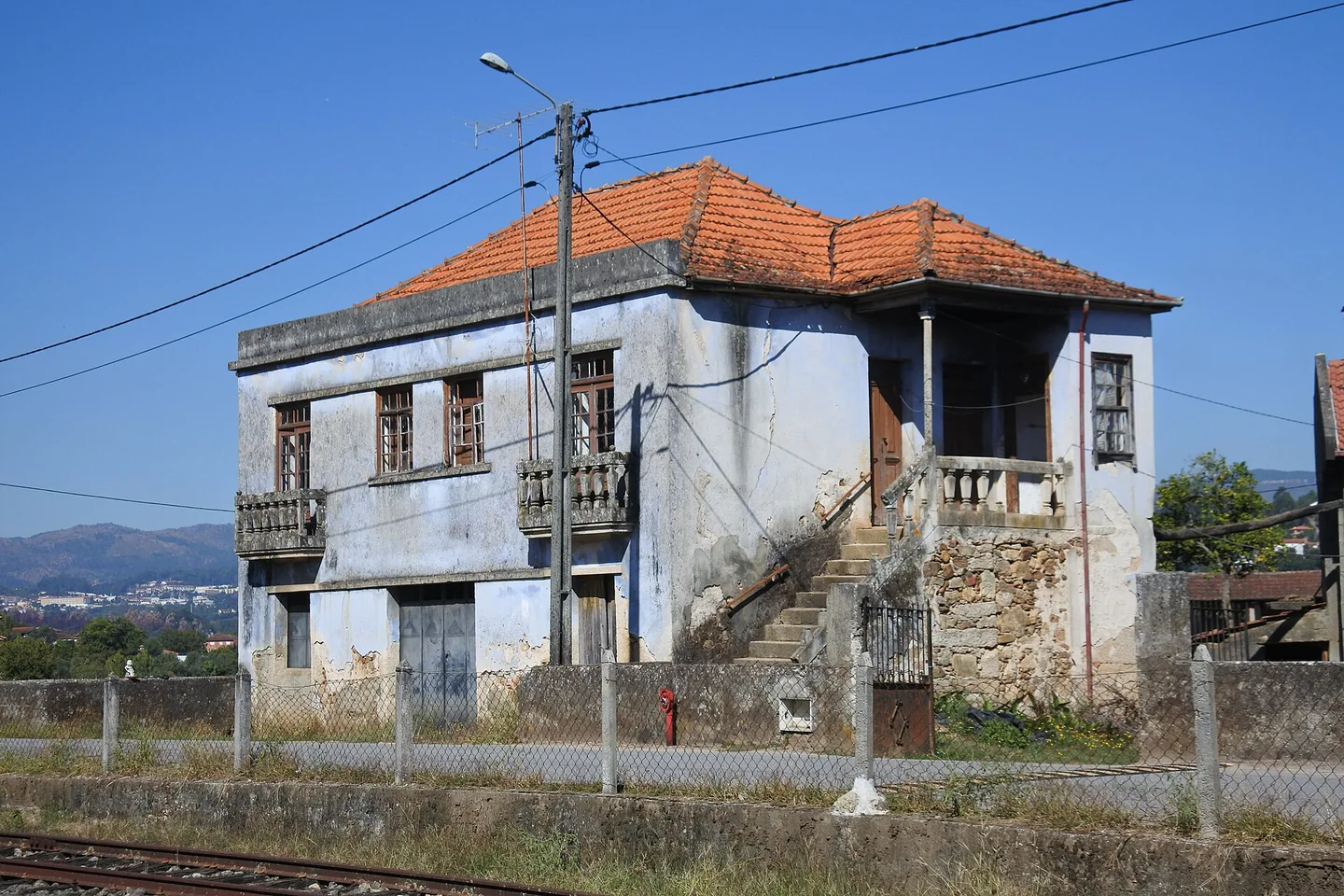
Railway building beside the former Arco de Baúlhe station.
Photography: FF Mira · CC BY-SA 2.0

Date given at source: .
Arco was the final stop on a journey along the Tâmega.
Text size
Your choice is saved only in this browser.
The journey began at Livração, where the Tâmega line connected with the Douro line, and ended at Arco de Baúlhe. According to the municipality, construction of this narrow-gauge railway stretched from 1908 to 1949 over about 52 kilometres. Reaching Arco was the result of a connection built in stages.
The station did more than board passengers: the former goods warehouse, now used for temporary exhibitions, also recalls freight traffic. Visiting the railway museum offers a chance to discover the different lives of the same space: transporting people, receiving cargo and preserving stories.
Think of the station as a small map of functions: the track for movement, the platform for boarding and the warehouse for goods. Distinguishing these parts makes the railway more than a locomotive. Reading the whole site helps us imagine a place connecting people and products with other destinations.
Explore further: words and activities
Explore this story
One bookmark per reading journey, saved in this browser.
Source and context
Municipality — Núcleo Ferroviário de Arco de Baúlhe
Accessed: . Editorial summary; the date of consultation is not the date of the facts.