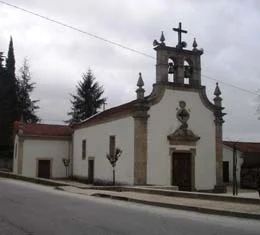
Outeiro: one place, several layers of time
Ancient remains, a medieval image and houses beside the road.
144 stories
Ancient remains, a medieval image and houses beside the road.
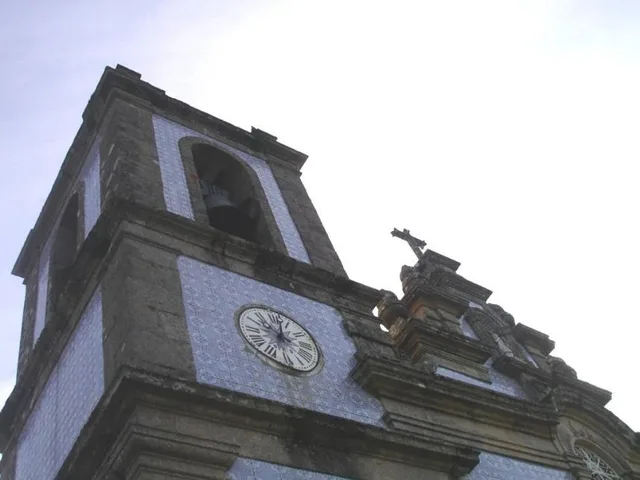
Local history has connections extending beyond the valley.
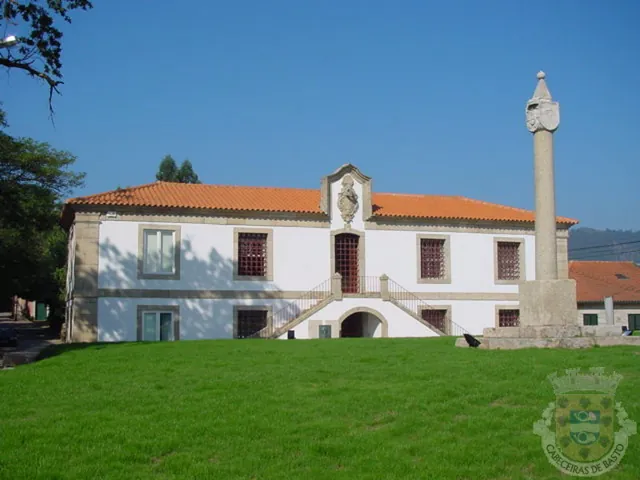
Since 1820, music has helped tell the story of Cabeceiras.
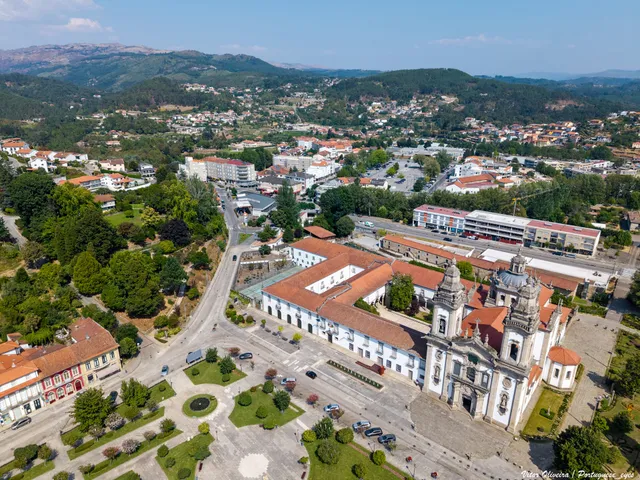
Campo do Seco and new streets tell another century of Cabeceiras.
A year of village life became Volta à Terra.
Before electricity, flowing water already powered local work.
Its farming past cannot be reduced to maize alone.
Goats, scrubland and fields in a mountain economy.
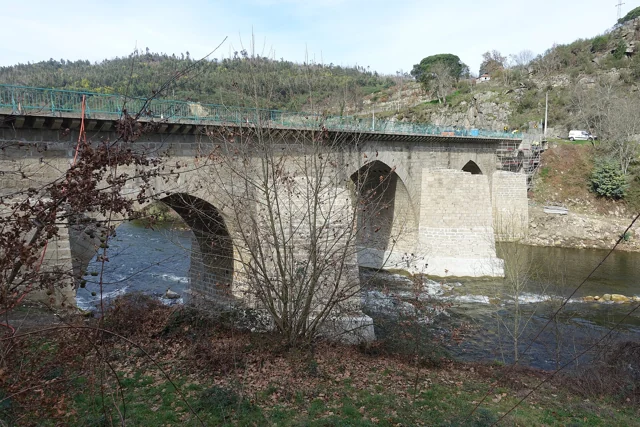
Not every river crossing a valley served as a waterway.
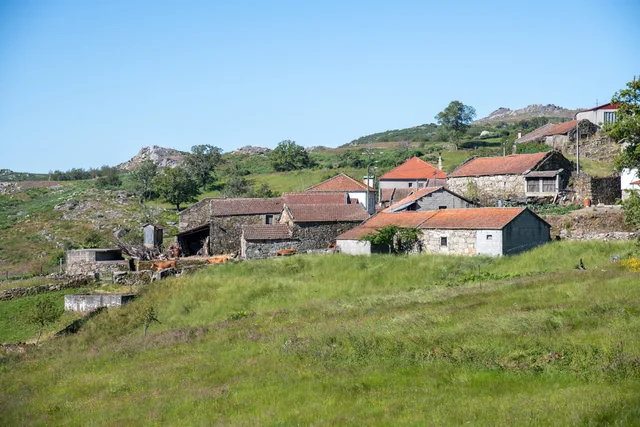
Mills, olive presses and a fulling mill appear in one old account.
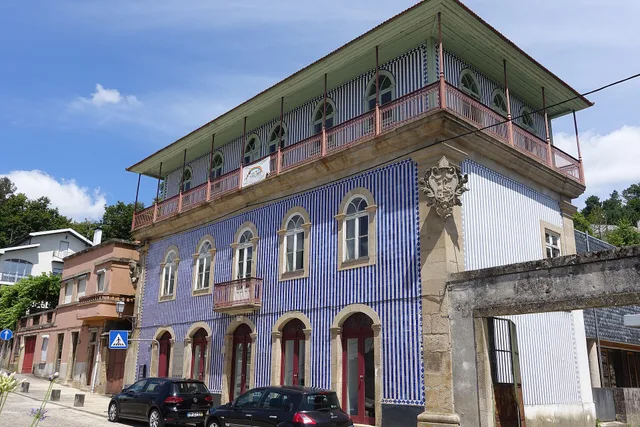
One building can hold many different lives.
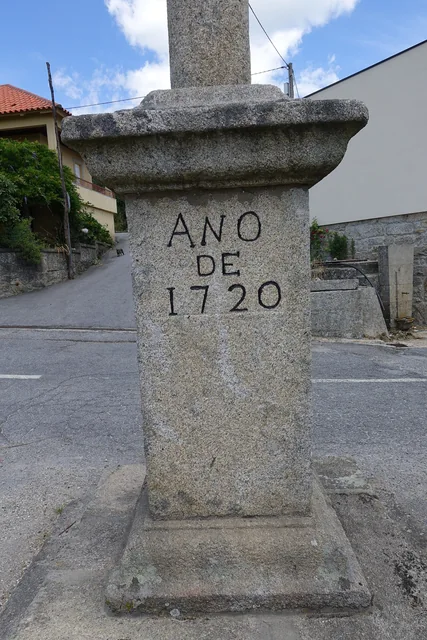
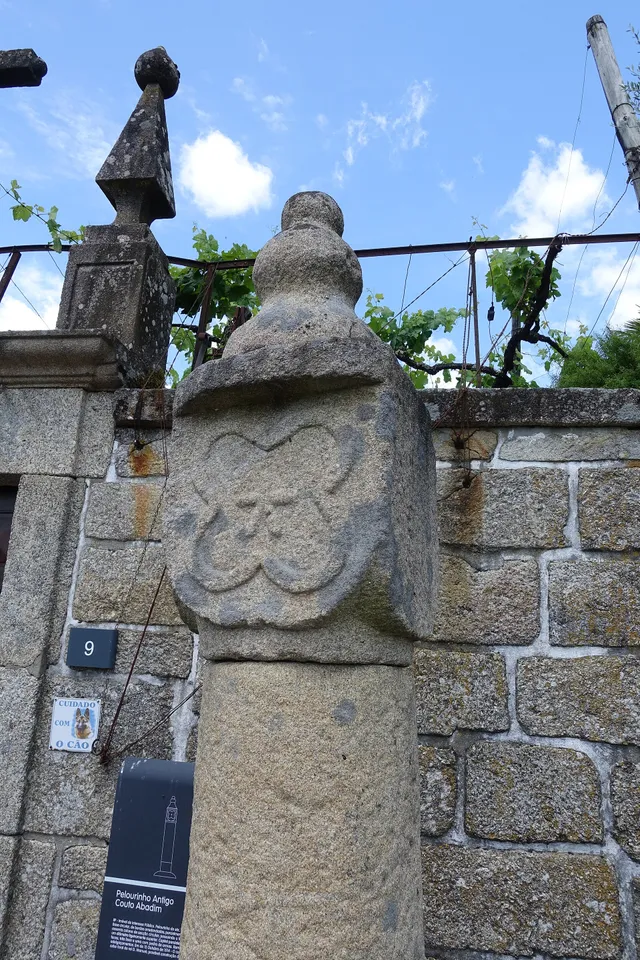
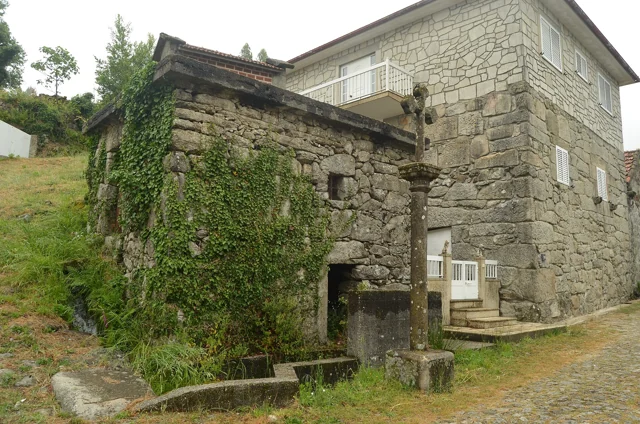
On a wayside cross's pedestal, the stone reads 1720.
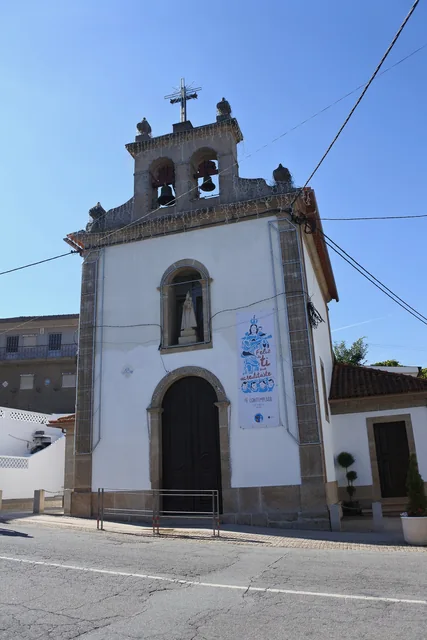
History lives in people, gestures and preparations.
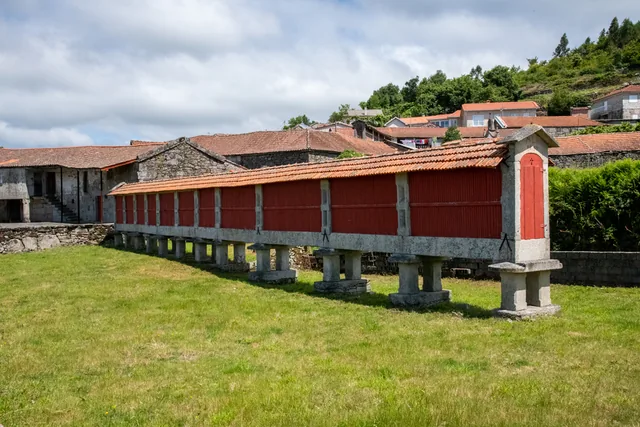
Santa Ana adds another piece to the village story.
A worn inscription and a cross preserve different clues.
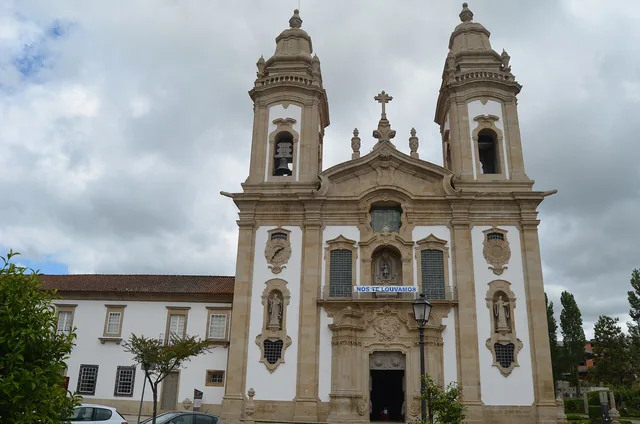
A symmetrical façade does not mean everything is repeated.
Its galleries connected different moments of the day.
A decorative motif can help distinguish spaces.
At Casa da Torre, the entrance tells a working story.
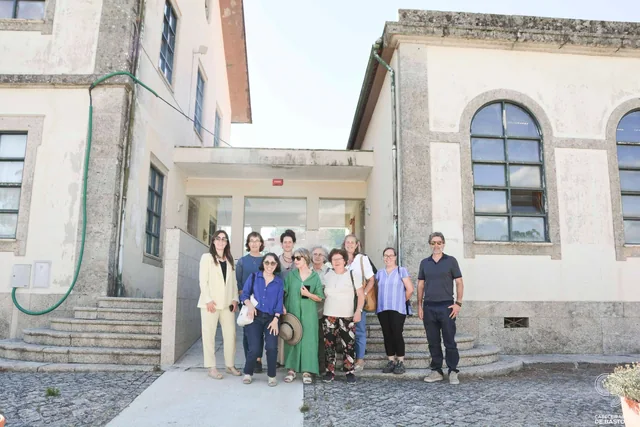
A school brought agriculture, industry and commerce together.
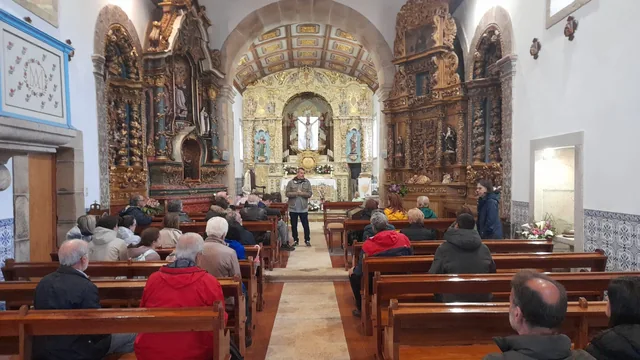
Painzela’s church also holds stories told through images.
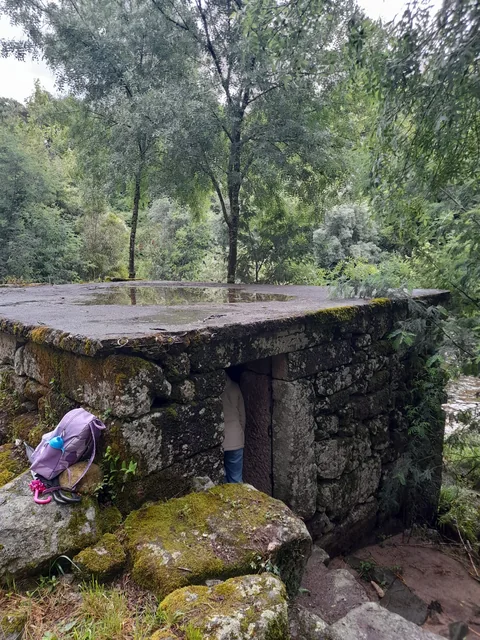
A mill adds another story to the Cavez landscape.
Bucos’s heritage can also be discovered between buildings.
In 1876, justice also became a statement of Cabeceiras’s autonomy.
A curiosity of this selection, at random.