Rio Douro: water did more than irrigate
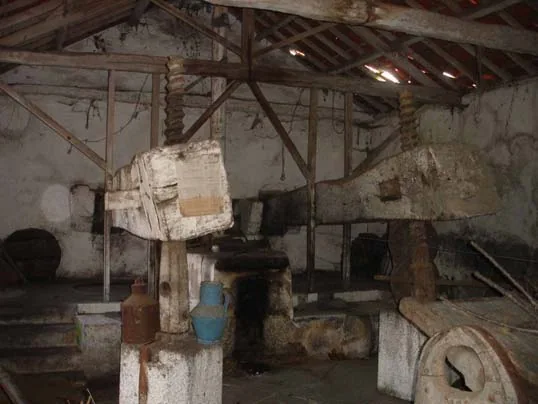
Mills, olive presses and a fulling mill appear in one old account.
114 stories
A list from 1758 combines encounters, abundance and passing visitors.
An account of the mountains written in 1758.
The wolf belongs to a network of relationships.
Trout and other freshwater fish appear in Rio Douro’s historical accounts.
Fish names were written into local history too.
A mountain can tell stories of animals and work.
Looking at water clarity is not enough.
A list of crops opens a window onto the landscape of 1758.
In 1758, the cold separated two farming landscapes.
The landscape helped shape the pantry too.
A small detail reveals how food reached the table.
Cherries, wine and olive oil help tell the story of this farming landscape.
The pantry in Bucos did not depend on just one grain.
Rye, milho-alvo and milhão appear side by side in the old account.
The parish account also described what people harvested.
The 1758 account describes Rio Douro between east and west.
Nearby water was not always accessible water.
Crossing the river was part of everyday life.
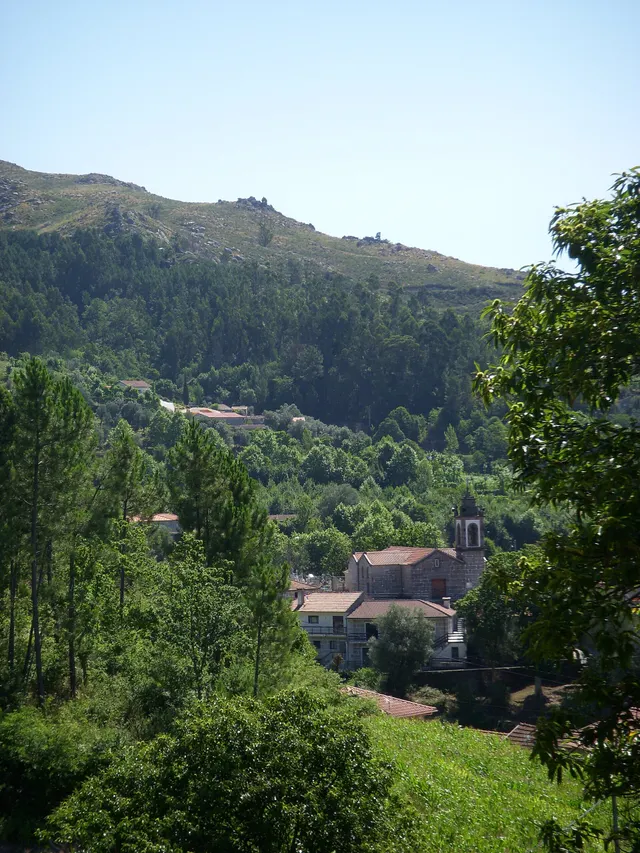
Two names help you read the municipality’s south-west.
Irrigation channels linked river flows to work in the fields.
Water connected mountains, mills and fields.
A curiosity of this selection, at random.