They made wine, but bought bread
A small detail reveals how food reached the table.
85 stories
A small detail reveals how food reached the table.
Rye, milho-alvo and milhão appear side by side in the old account.
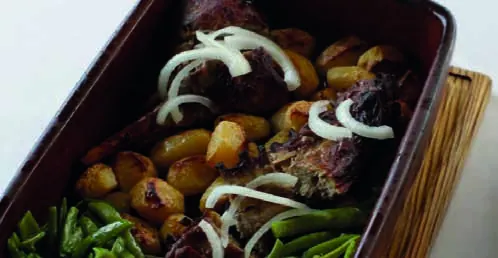
Bravia and Serrana are the breeds behind Cabrito das Terras Altas do Minho.
In 1758, the cold separated two farming landscapes.
Small springs helped irrigate the fields.
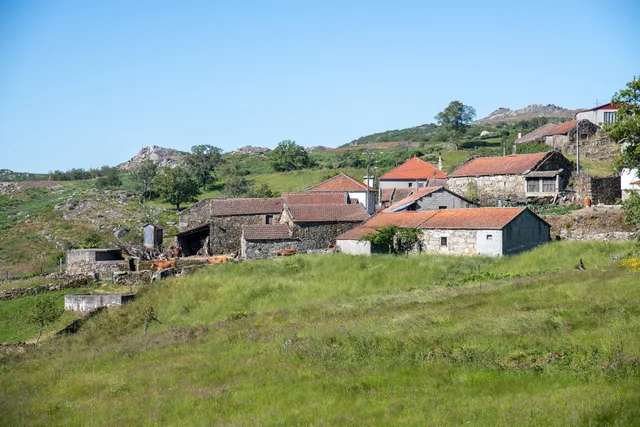
Mountain houses, a stream and a name that stays with you.

Trees along the banks are part of the waterscape.
From sunset to sunset, a community rule.
A river that helps explain the south of the municipality.
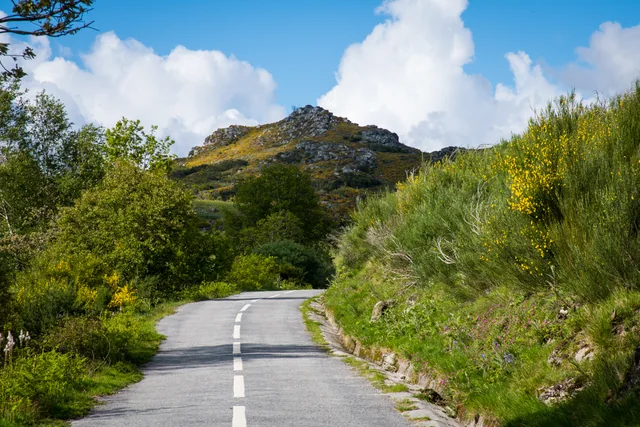
Three names to help you read the landscape.
Water also shapes work in the fields.
A river connected fields, weirs and mills.
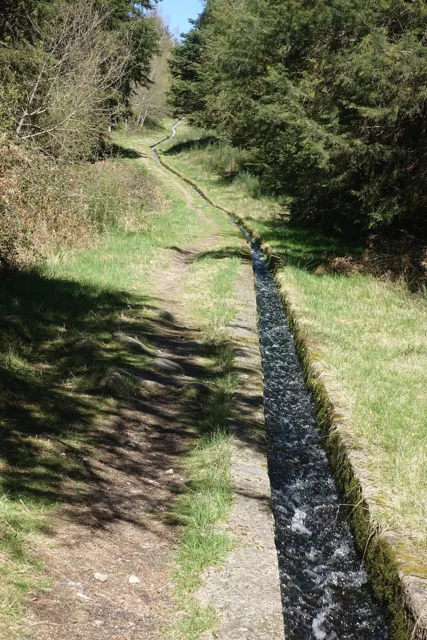
The Levada de Víbora brings nature and human work together.
Nearby water was not always accessible water.
Crossing the river was part of everyday life.
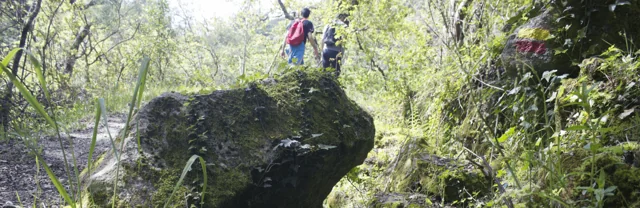
A stream helps explain an entire landscape.
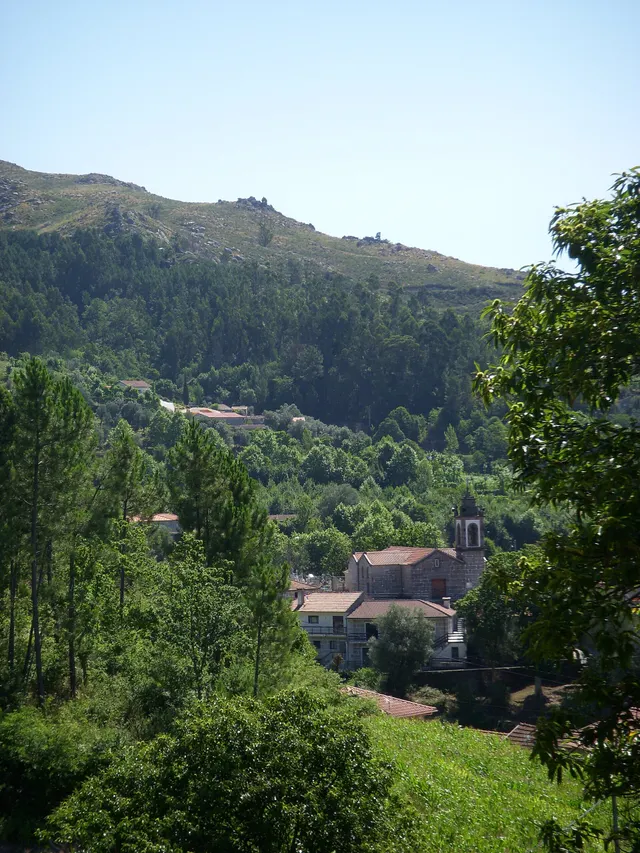
Two names help you read the municipality’s south-west.
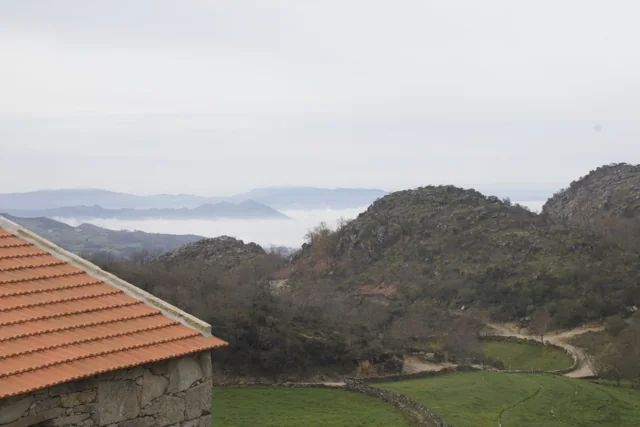
In Torrinheiras, the landscape begins at altitude.
The 1758 account describes Rio Douro between east and west.
Irrigation channels linked river flows to work in the fields.
In Outeiro, the Trutas joins the Peio.
Water connected mountains, mills and fields.
Houses, hillside and water shape the village landscape.
One river, different kinds of work.
A curiosity of this selection, at random.