Discover Cabeceiras de BastoFree independent guide
ViveCabeceirasYOUR GUIDE TO CABECEIRAS
ENEnglish
SearchSaved
3 STORIES · CONTINUOUS READING

The bread and olive oil of Painzela

From rye paid as rent to olive oil made with water power and then electricity.

Follow the suggested order. Each story includes its sources and credits.

Things to try1 activity · 1 interactive exploration · 2 questions
Painzela · food and medieval rents

In Painzela, bread paid the rent

In 1258, rye bread and wine were among the goods used to pay rent.

In the royal inquiries of 1258, Santo André de Painzela appears among the parishes that paid rent in food. In this context, rent was a payment due for the use of land. Historian Gonçalo Carvalho found references to rye loaves, a quarter share of the wine and even pork.

The list offers clues about what circulated in the parish. A loaf had already passed through the hands of the people who grew the rye, ground the grain and baked the dough. Centuries later, the parish’s mills tell the story of another food, olive oil.

Source and context

Gonçalo Carvalho, NOVA FCSH — Royal inquiries, appendix 25

Accessed: . Editorial summary; the date of consultation is not the date of the facts.

Back to index ↑
Painzela · oil mill documented in 2008

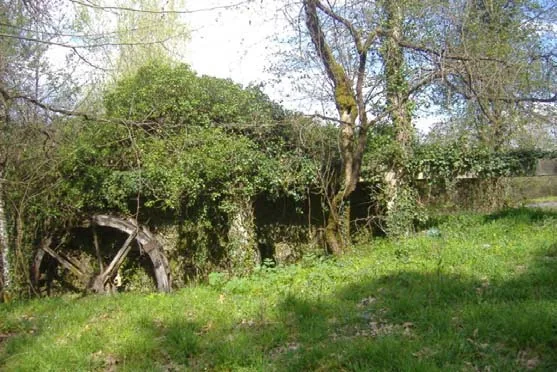
The stream powered the oil mill

Painzela’s old olive press — photograph from the 2008 municipal inventory.
Painzela’s old olive press
ⓘ

Painzela’s old olive press — photograph from the 2008 municipal inventory.

Source: Municipality of Cabeceiras de Basto

View source

Photograph date not stated.

Individual photographer and reuse licence not stated by the source.

Request removal or correct the photo credit

Lagar do Senhor connected water with olive processing.

At Lagar Velho in Painzela, the survey of 6 May 2008 identified the Lagar do Senhor as a water-powered granite building. Its own channel brought water from the Arejal stream. The record placed its closure in the 1970s and described the building as ruined at the time, with few milling components. This documents privately owned equipment; it does not confirm present visiting conditions.

From watercourse to processing

Open an option and choose the story.

  1. Continue in the 20th centuryWhen the mill changed energy →
  2. Compare with a lance of irrigationSeven consorts shared the levada →
  3. Meet another documented wineryFrom Petimão to olive oil press →
  4. Discover two uses of water strengthOne water, several works →
Choose a link to continue reading. Each story distinguishes its time and available sources.
Source and context

Municipality — inventory of mills, Lagar do Senhor (Old), record LA12 (06/05/2008)

Accessed: . Editorial summary; the date of consultation is not the date of the facts.

Back to index ↑
Painzela · changing oil mills in the 20th century

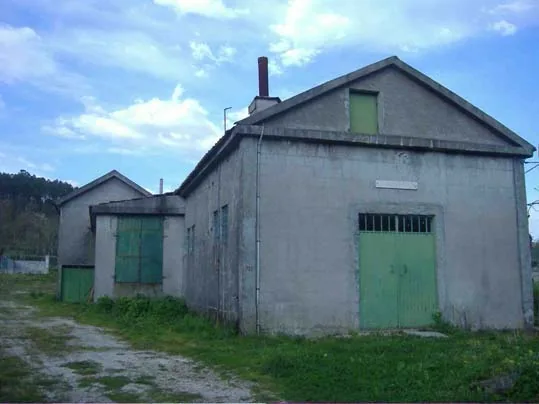
When the oil mill changed its power source

Lagar do Senhor Novo in Painzela — photograph from the 2008 municipal inventory.
Lagar do Senhor Novo in Painzela
ⓘ

Lagar do Senhor Novo in Painzela — photograph from the 2008 municipal inventory.

Source: Municipality of Cabeceiras de Basto

View source

Photograph date not stated.

Individual photographer and reuse licence not stated by the source.

Request removal or correct the photo credit

In Painzela, the story continued beyond the water channel.

The 2008 municipal inventory describes the Lagar do Senhor Novo in Igreja as the successor to the Lagar Velho. Built in 1971, it used electric motors. It was restored in 2001 and taken out of use shortly afterwards.

The change lets us compare two ways of powering an oil mill in the same parish. The survey is historical and confirms neither current operation nor visits.

Source and context

Municipality — Lagares inventory, LA13, survey of 06/05/2008

Accessed: . Editorial summary; the date of consultation is not the date of the facts.

Back to index ↑
YOUR LOCAL GUIDE

What would you like to discover?

Take a closer look.