Discover Cabeceiras de BastoFree independent guide
ViveCabeceirasYOUR GUIDE TO CABECEIRAS
ENEnglish
SearchSaved
4 STORIES · CONTINUOUS READING

Outeiro, among neighbours

Playful traditions, gifts, mutual help and a story of cooperation.

All stories in the order of the route. You can print this page by the browser; sources and credits follow the reading.

Local history · Outeiro

A funnel that made Carnival heard

In Outeiro, the night filled with playful mischief too.

A large funnel used for wine could take on another job. In an account collected in 2012, Dídia Teixeira recalled groups of four or five people climbing to high ground on Carnival nights in Outeiro and using a funnel to call out names and jokes. Pinheiral da Moucha was among the places she remembered.

Her account concerns the 1950s, 1960s and 1970s. There were also masked neighbours knocking at doors and a Carnival donkey made from straw, wheels and rope. This is one participant’s memory, rather than a rule for every household: a Carnival made from simple objects, neighbours and imagination.

Getting to know the parish
Source and context

Museu das Terras de Basto — Já não se fazem carnavais como antigamente

Accessed: . Editorial summary; the date of consultation is not the date of the facts.

Back to index ↑
Local history · Outeiro

A loaf you could wear around your neck

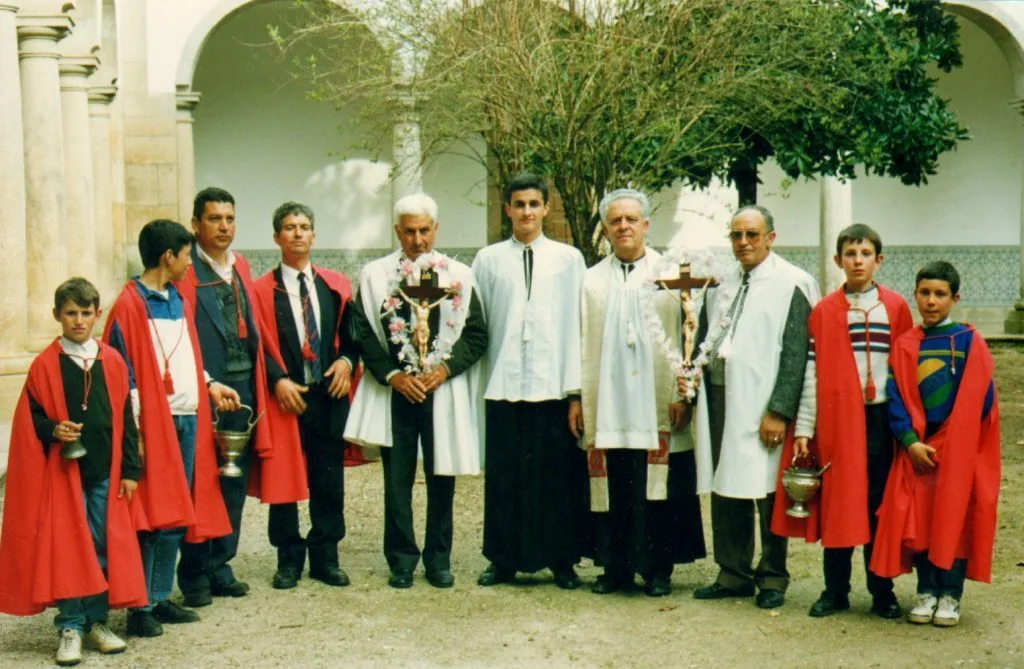
Easter procession group, in an archive photograph shared by the museum.
ⓘ

Easter procession group, in an archive photograph shared by the museum.

Source: Museu das Terras de Basto

View source

Photograph date not stated.

Autoria da fotografia e licença de reutilização não identificadas na fonte.

Request removal or correct the photo credit

Easter could be recognised by its gifts too.

Godchildren’s Easter gifts were not always money or clothes. An account published by the museum in 2015 recalls ring-shaped regueifa bread given by godparents until the 1980s, sometimes large enough to wear around the neck. Homes were prepared with cleaning, the best bedcovers and a white tablecloth.

The record brings together memories from Outeiro, Pedraça and Cavez, with differences between families and periods. It also mentions an orange with a coin inserted into it, remembered as an offering to the priest and still used by some Outeiro families at the time of collection. These gestures tell the story beyond the ceremony without presenting them as current practices throughout the parish.

Getting to know the parish
Source and context

Museu das Terras de Basto — Breves apontamentos sobre a Páscoa, na segunda metade do século XX, em Cabeceiras de Basto

Accessed: . Editorial summary; the date of consultation is not the date of the facts.

Back to index ↑
Local history · Outeiro

One field, many hands and a table

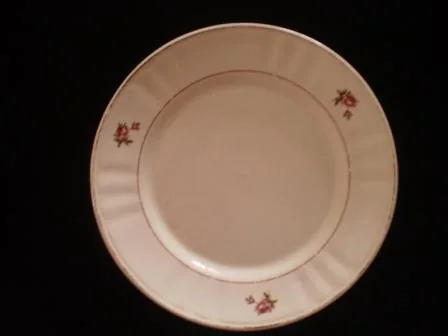
Plate from Dídia Teixeira’s family, photographed for the account of field work in Outeiro.
ⓘ

Plate from Dídia Teixeira’s family, photographed for the account of field work in Outeiro.

Source: Museu das Terras de Basto

View source

Photograph date not stated.

Autoria da fotografia e licença de reutilização não identificadas na fonte.

Request removal or correct the photo credit

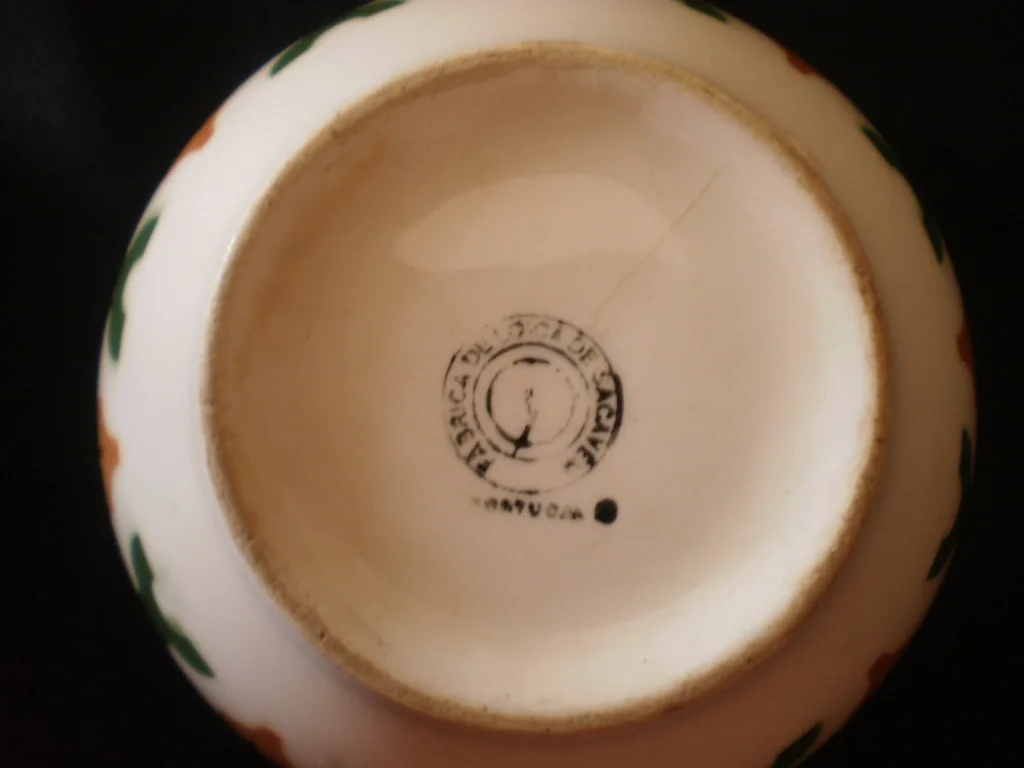
Maker’s mark on the back of the Sacavém tableware in the Outeiro account.
ⓘ

Maker’s mark on the back of the Sacavém tableware in the Outeiro account.

Source: Museu das Terras de Basto

View source

Photograph date not stated.

Autoria da fotografia e licença de reutilização não identificadas na fonte.

Request removal or correct the photo credit

Mutual help had a kitchen side too.

In Dídia Teixeira’s memories of Outeiro in the 1970s, ploughing and sowing maize brought neighbours and friends together. At the Pé de Selada field in Cabovila, she recalled groups of twenty-five to thirty people. Cattle pulled the plough and harrow while other hands worked the soil with hoes.

There was visible work in the field and less visible work in the kitchen. The 2012 account describes maize bread, cod, rice with beans and chicken, served at different times of day. Sacavém plates kept by the family were photographed too. This memory connects cultivation, help and food in one household, without making that day’s plenty a portrait of every table.

Getting to know the parish
Source and context

Museu das Terras de Basto — Memórias de outros tempos: alimentação em Cabeceiras de Basto – o dia das lavouras

Accessed: . Editorial summary; the date of consultation is not the date of the facts.

Back to index ↑
Local history · Outeiro

When the sculptures found another shelter

In 2012, church works connected Outeiro with the museum.

Renovation can raise questions about the temporary home of a church’s objects. In 2012, Outeiro parish and the municipality arranged to display twelve sculptures in the sacred-art museum at Refojos Monastery while works were being prepared at the parish church.

The group ranged from the medieval period to the twentieth century. The report highlights the sculpture of Saint Mary, but the episode also tells a story of cooperation: removing objects from one setting did not have to mean hiding them. The exhibition introduced the collection in another context. This is an event documented in 2012, not a guarantee that the same group remains on display today.

Getting to know the parish
Source and context

Museu das Terras de Basto — Paróquia de Outeiro expõe acervo no Núcleo de Arte Sacra

Accessed: . Editorial summary; the date of consultation is not the date of the facts.

Back to index ↑
YOUR LOCAL GUIDE

What would you like to discover?

Take a closer look.