Discover Cabeceiras de BastoFree independent guide
ViveCabeceirasYOUR GUIDE TO CABECEIRAS
ENEnglish
SearchSaved
6 STORIES · CONTINUOUS READING

Five ways to look at fungi

From an almost hidden fan to a fungus that looks like a cauliflower. Follow the records from five parishes and finish at the Veiga meeting.

Follow the suggested order. Each story includes its sources and credits.

Things to try6 questions
Bucos and Cavez · fungi on wood

The same little fan in Bucos and Cavez

Two records, taken more than a year apart, show a fungus that opens like a fan.

João Lima recorded Schizophyllum commune in Cavez on 11 December 2024. In Bucos, Barbara Cristina Tita recorded the same species on 20 February 2026. The two sightings bring the parishes together and draw attention to a fungus that can easily go unnoticed on a branch.

Naturalis describes folds that fan out from the point of attachment to the edge. Look for the split down the edge of each fold. The photograph from Abadim in the linked story shows the same species from above.

Source and context

Barbara Cristina Tita — Fungal observation in Bucos, iNaturalist

João Lima — Fungal observation in Cavez, iNaturalist

Naturalis — The fans and folds of Schizophyllum commune

Accessed: . Editorial summary; the date of consultation is not the date of the facts.

Back to index ↑
Cavez · mushroom shapes

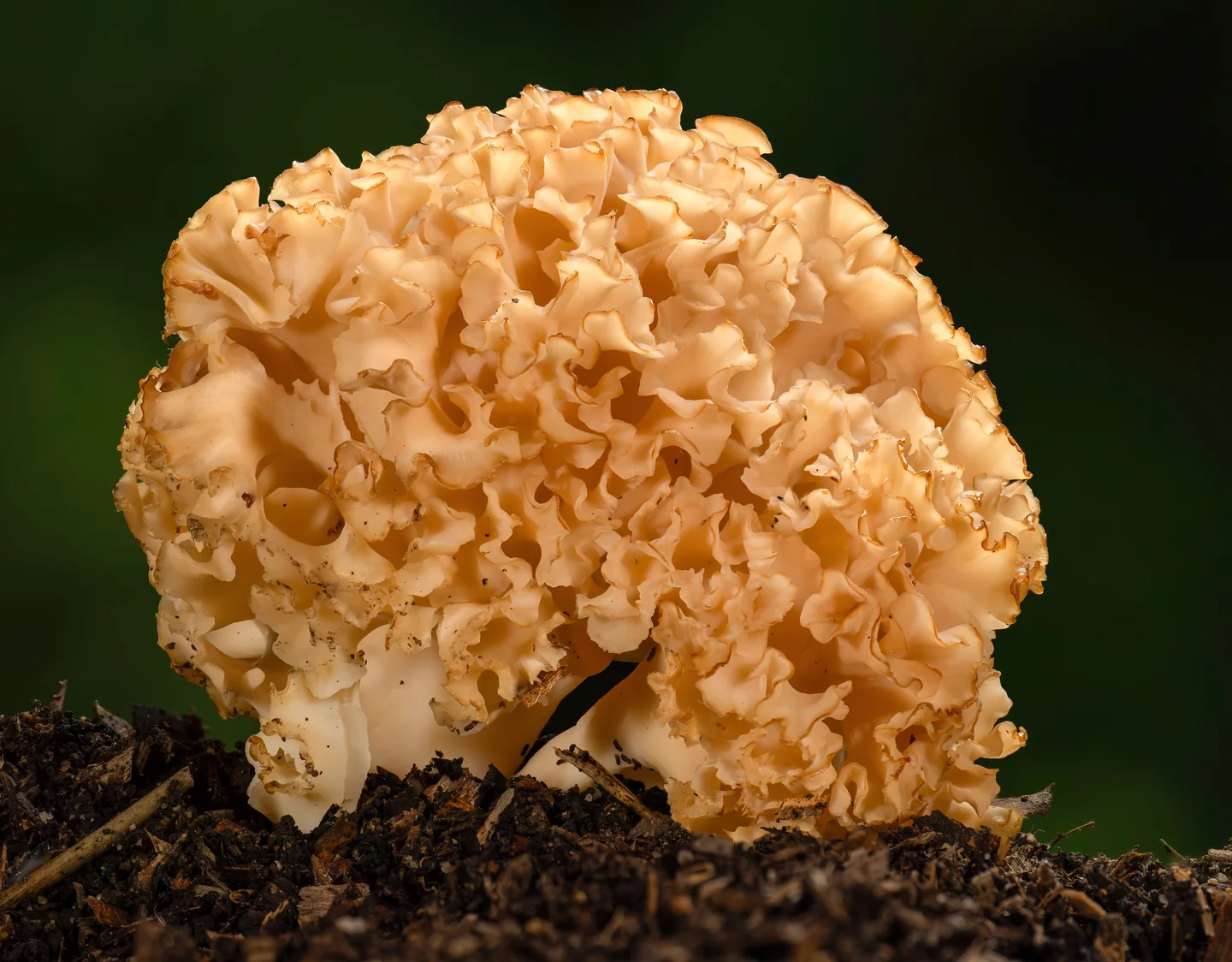
A cauliflower on the forest floor

Rounded fungus with many pale folds on the forest floor.
Sparassis crispa photographed in Bruderwald, Germany.Illustrative photograph
Reinhold Möller
ⓘ

Sparassis crispa photographed in Bruderwald, Germany.

Photography: Reinhold Möller · CC BY-SA 4.0

View source

Date given at source: .

Resized WebP versions under the same licence as the original.

Request removal or correct the photo credit

The wavy fungus recorded in Cavez resembles a vegetable.

On 18 October 2021, Pedro Mendes recorded a fungus in Cavez identified as Sparassis crispa. Its common name, cauliflower fungus, describes the shape well. Pale, wavy branches emerge from one another like a small sculpture made of folds.

The species has been recorded at the base of conifers. In this photograph of a different specimen from Germany, follow the edges of the folds with your eyes. Compare this branching shape with the neat rows of gills under other mushroom caps.

Source and context

Pedro Mendes — Sparassis crispa observation, iNaturalist

Natural History Museum — Sparassis crispa, cauliflower fungus

New Forest Study Group — Records of Sparassis crispa beside conifers

Accessed: . Editorial summary; the date of consultation is not the date of the facts.

Back to index ↑
Pedraça · fungi on wood

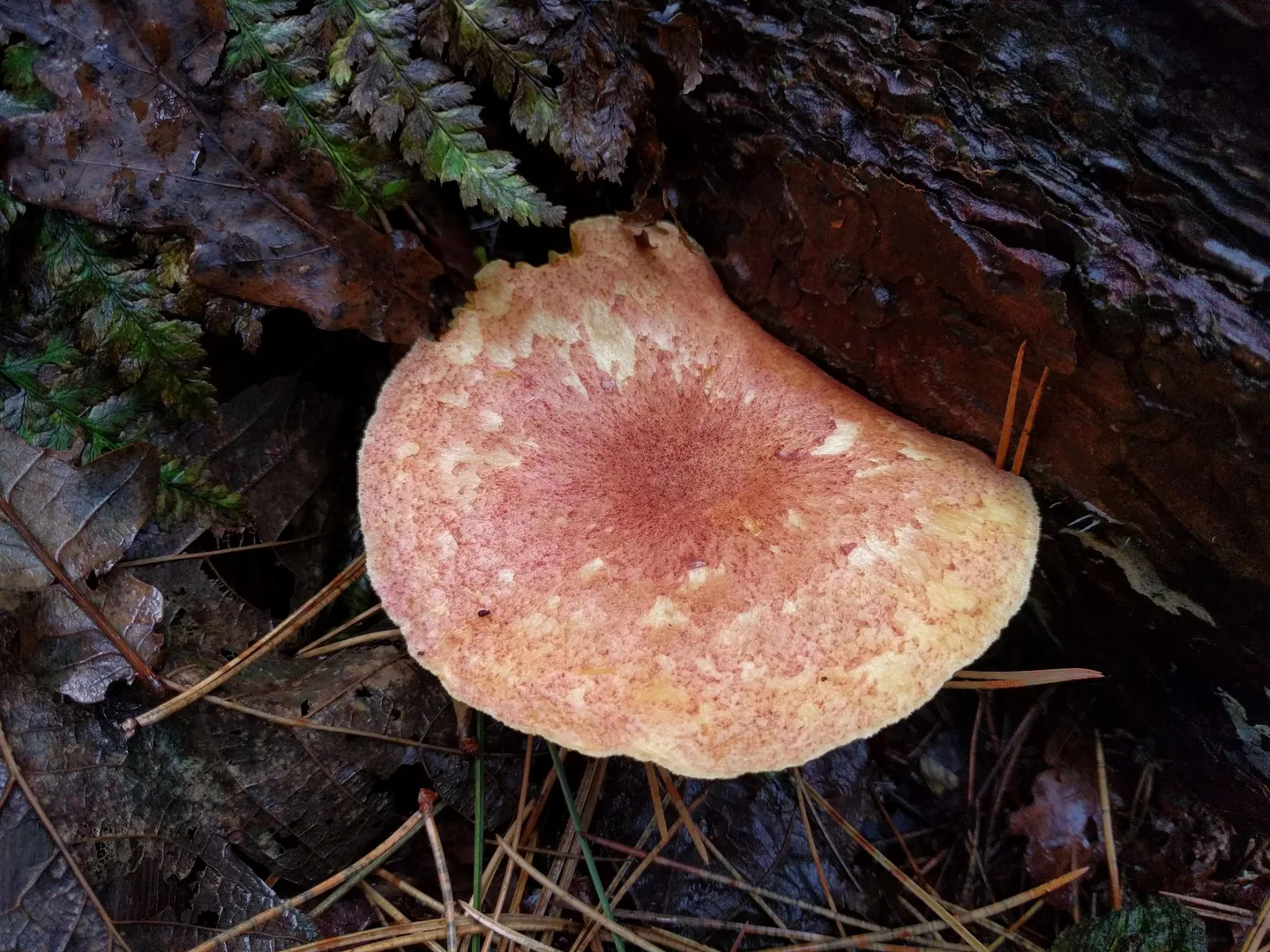
A mushroom in two colours

Yellowish mushroom cap with reddish fibres beside dark wood.
Tricholomopsis rutilans photographed in the Netherlands.Illustrative photograph
Michel Langeveld
ⓘ

Tricholomopsis rutilans photographed in the Netherlands.

Photography: Michel Langeveld · CC BY-SA 4.0

View source

Date given at source: .

Resized WebP versions under the same licence as the original.

Request removal or correct the photo credit

A fungus with yellows and wine reds was recorded in Pedraça.

On 1 December 2022, Barbara Cristina Tita recorded an observation in Pedraça identified as Tricholomopsis rutilans. The New York Botanical Garden describes the fungus growing on dead conifer wood.

On the cap, reddish or purplish fibres lie over a yellow background. Underneath, the yellow gills spread out like spokes. Compare what you can see from above and from the side. The illustrative photograph shows another specimen in the Netherlands.

Source and context

Barbara Cristina Tita — Tricholomopsis rutilans observation, iNaturalist

New York Botanical Garden — Tricholomopsis rutilans and conifer wood

Burke Herbarium — Cap fibres of Tricholomopsis rutilans

Accessed: . Editorial summary; the date of consultation is not the date of the facts.

Back to index ↑
Painzela · life among leaves and wood chips

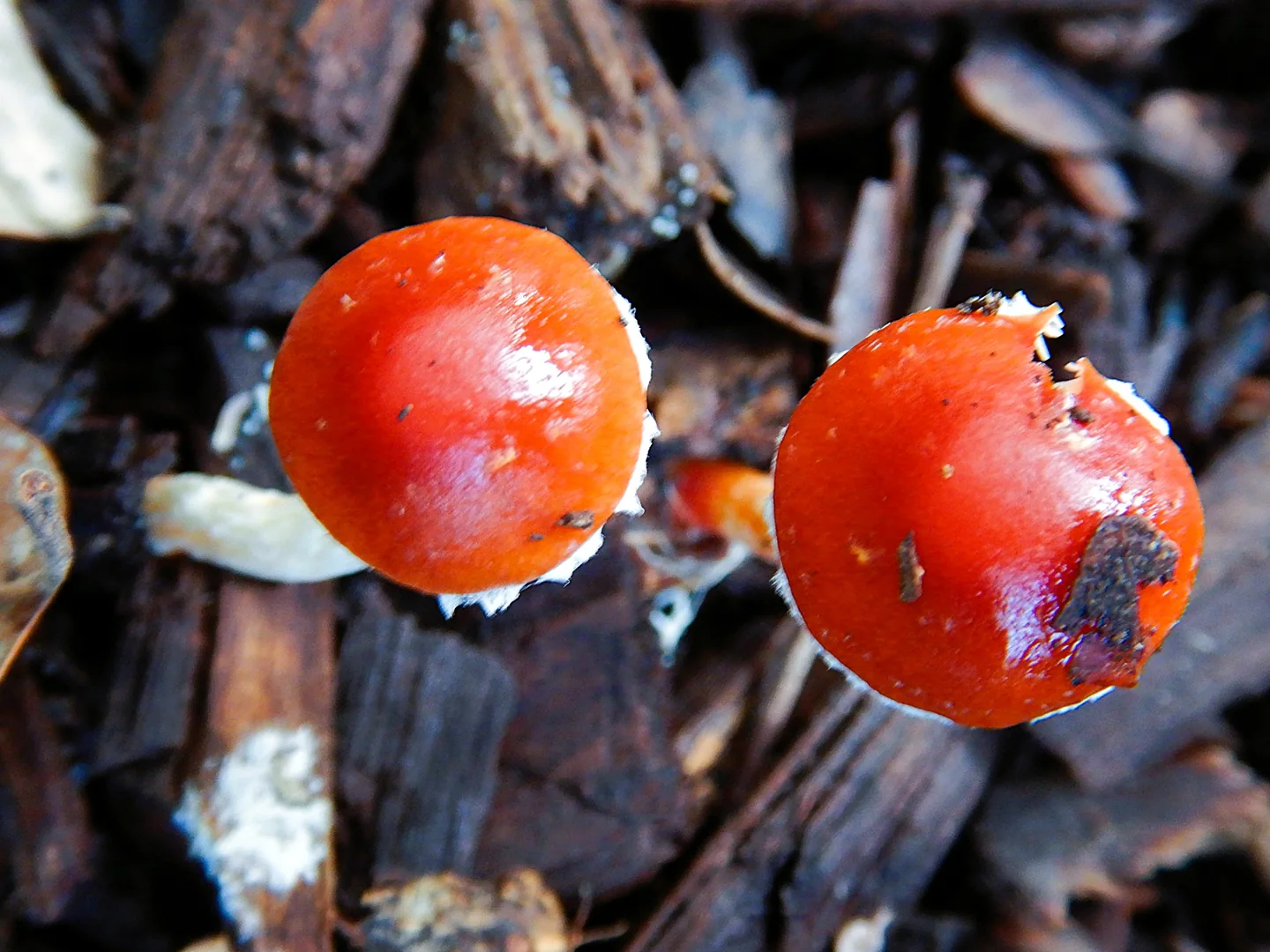
A terracotta cap in Painzela

Two orange-red mushroom caps among wood chips.
Leratiomyces ceres photographed in the Villa Ada park in Rome.Illustrative photograph
Albarubescens
ⓘ

Leratiomyces ceres photographed in the Villa Ada park in Rome.

Fotografia: Albarubescens · CC BY-SA 4.0

View source

Date given at source: .

Resized WebP versions under the same licence as the original.

Request removal or correct the photo credit

A 2020 record introduces a fungus associated with decaying wood.

On 8 October 2020, Barbara Cristina Tita recorded the fungus identified as Leratiomyces ceres in Painzela. The cap can range from orange to red. Look at its rim, where pale traces can remain from the veil that protected the young mushroom.

The species can grow on wood chips spread over the ground. The chipped wood provides material for the fungus to grow on. In the illustrative photograph taken in Rome, compare the colours of the caps and the ground around them.

Source and context

Barbara Cristina Tita — Leratiomyces ceres observation, iNaturalist

Kew and partners — Leratiomyces ceres profile

Accessed: . Editorial summary; the date of consultation is not the date of the facts.

Back to index ↑
Alvite e Passos · fly agaric

Where do the spots on the cap come from?

A record from Alvite e Passos is a starting point for discovering what remains of a mushroom’s veil.

In November 2020, Bruno Saraiva recorded a mushroom identified as fly agaric, Amanita muscaria. The published point lies in Alvite e Passos. The pale spots it is known for are pieces of a covering that surrounds the young mushroom.

As the cap expands, the covering breaks and can leave fragments of different shapes. The University of Évora’s description explains the change. The reading with a specimen from Abadim shows an example. This fungus is toxic.

Source and context

Bruno Saraiva — Amanita muscaria observation, iNaturalist

University of Évora — Fly agaric profile

Accessed: . Editorial summary; the date of consultation is not the date of the facts.

Back to index ↑
Bucos · 8th Mycology Meeting

A day looking down in the hills

In December 2025, a meeting at Veiga brought specialists and curious visitors together to discover the fungi of the Cabreira hills.

On 6 December 2025, the Associação Cogumelos Silvestres de Basto held the eighth Serra da Cabreira Mycology Meeting. Dozens of people gathered at Complexo Florestal da Veiga in Bucos. Field trips and identification sessions offered a chance to learn from specialists.

The account of the meeting describes time in the hills as well as time around the table. To start looking, pick a simple question. What looks like a little fan? What grows in folds? The stories from Bucos, Cavez and Pedraça show how those forms vary.

Source and context

Municipality — 8th Serra da Cabreira Mycology Meeting

Municipality — Complexo Florestal da Veiga, Bucos

Accessed: . Editorial summary; the date of consultation is not the date of the facts.

Back to index ↑
YOUR LOCAL GUIDE

What would you like to discover?

Take a closer look.