Discover Cabeceiras de BastoFree independent guide
ViveCabeceirasYOUR GUIDE TO CABECEIRAS
ENEnglish
SearchSaved
8 STORIES · CONTINUOUS READING

Bucos: wool, fields and paths

Eight stories link wool, fields, rivers, mail and places of worship of Bucos. It compares the daily life of 1758 with the transmission of crafts in 2024–2026, including a meeting in Rio Douro. The Casa da Lã has its own record to prepare a visit.

All stories in the order of the route. You can print this page by the browser; sources and credits follow the reading.

Things to try8 activities · 5 interactive explorations · 5 questions
Crafts · Bucos

Clothing for mountain life
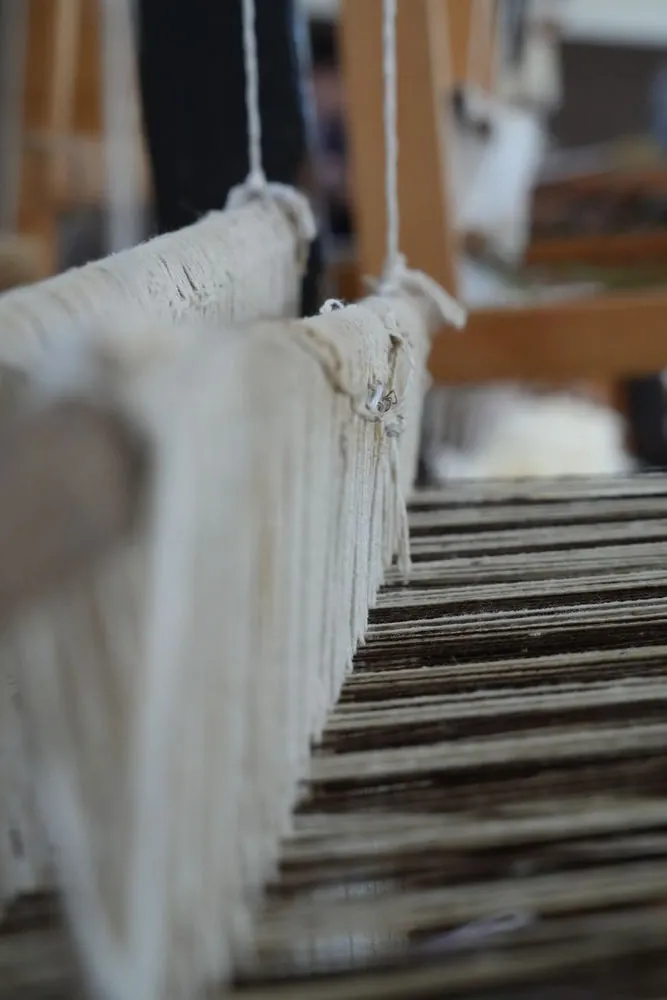
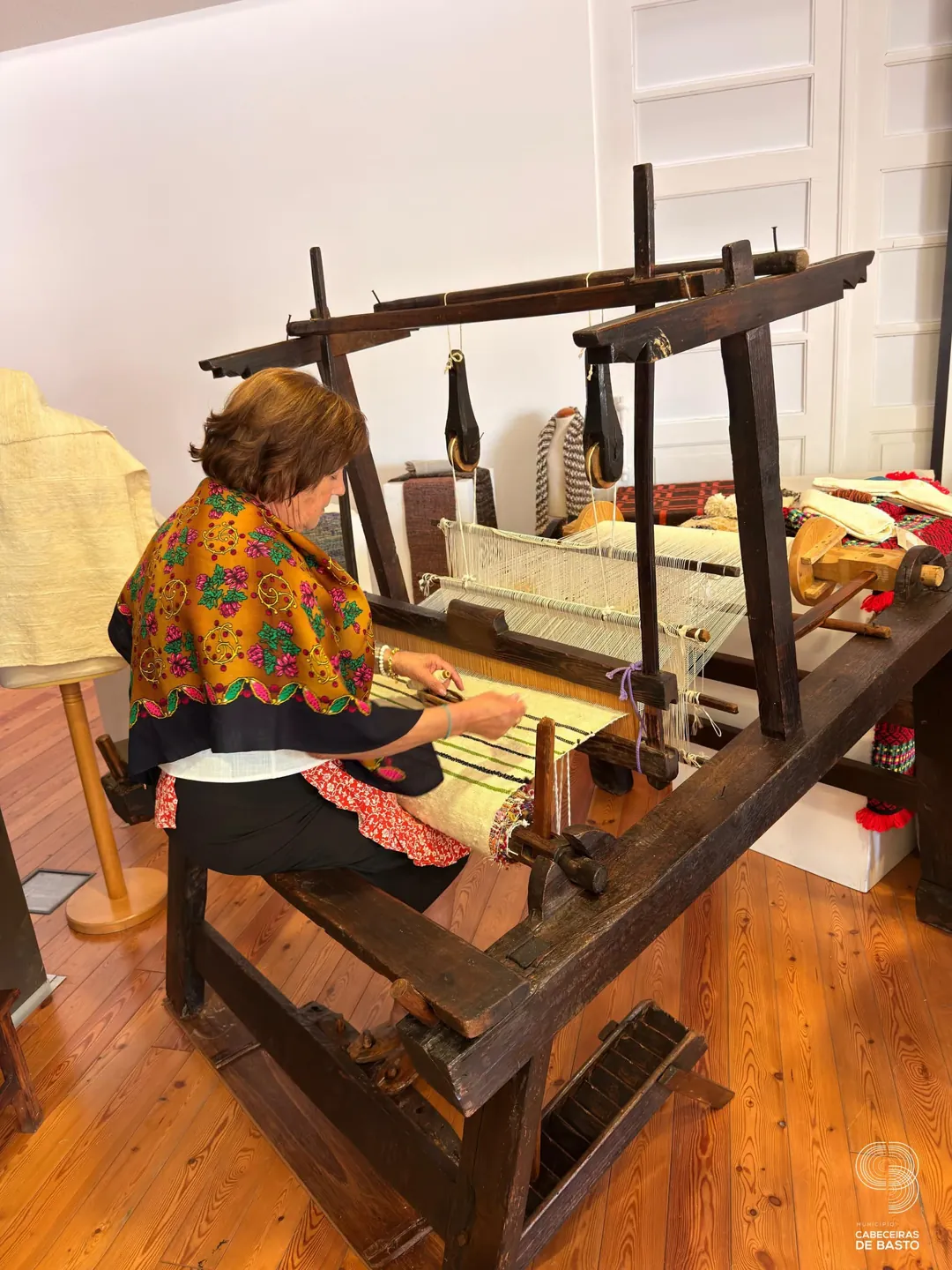
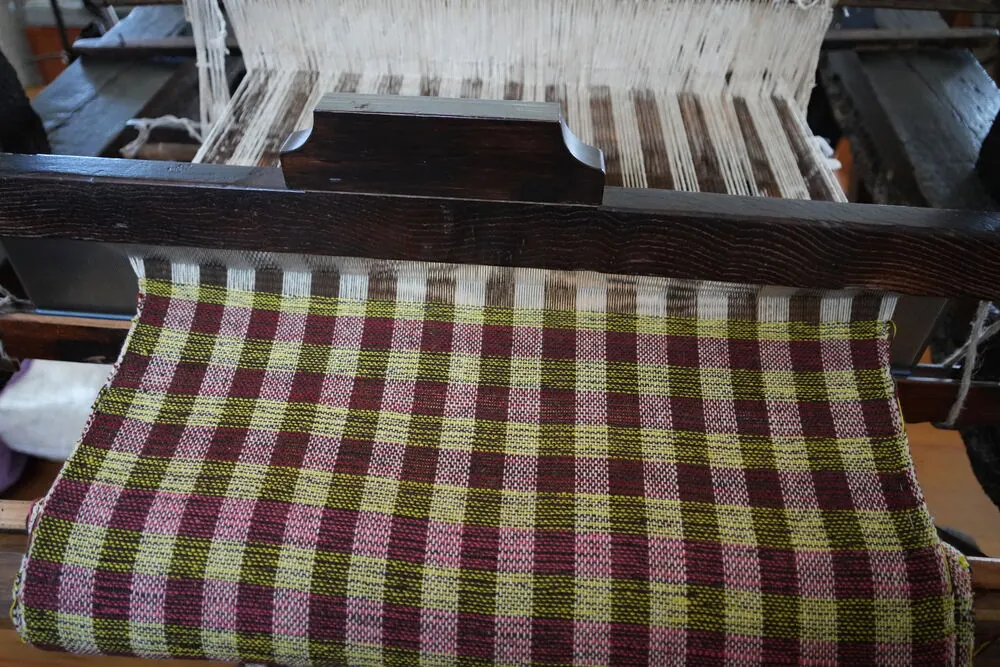
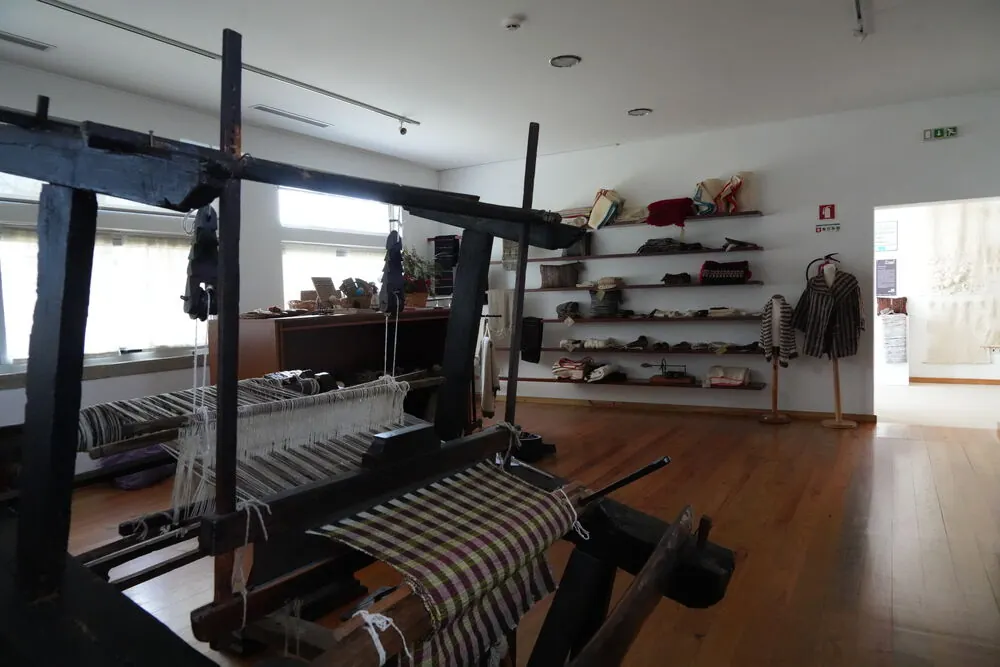
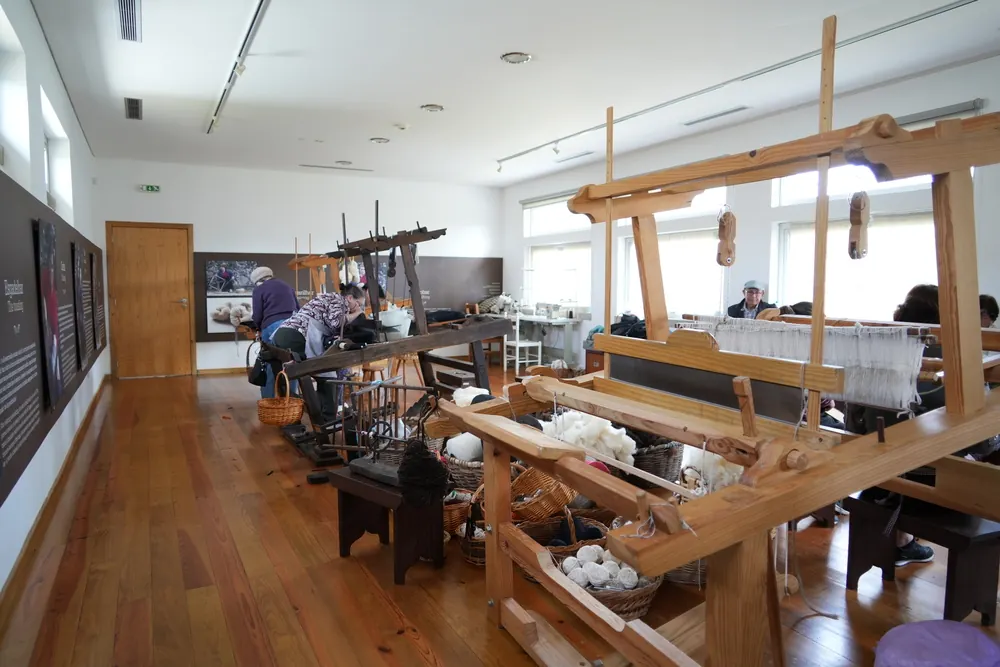
Loom and threads at Casa da Lã in Bucos.
ⓘ

Loom and threads at Casa da Lã in Bucos.

Source: Municipality of Cabeceiras de Basto

View source

Photograph date not stated.

Individual photographer and reuse licence not stated by the source.
Request removal or correct the photo credit

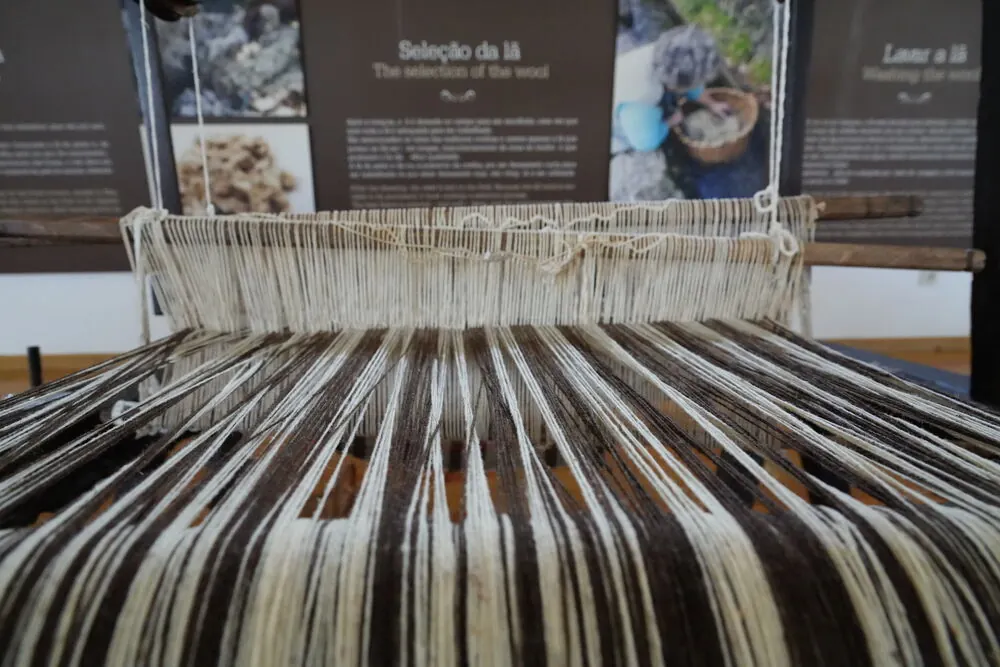
Loom and threads at Casa da Lã in Bucos.
ⓘ

Loom and threads at Casa da Lã in Bucos.

Source: Municipality of Cabeceiras de Basto

View source

Photograph date not stated.

Individual photographer and reuse licence not stated by the source.
Request removal or correct the photo credit

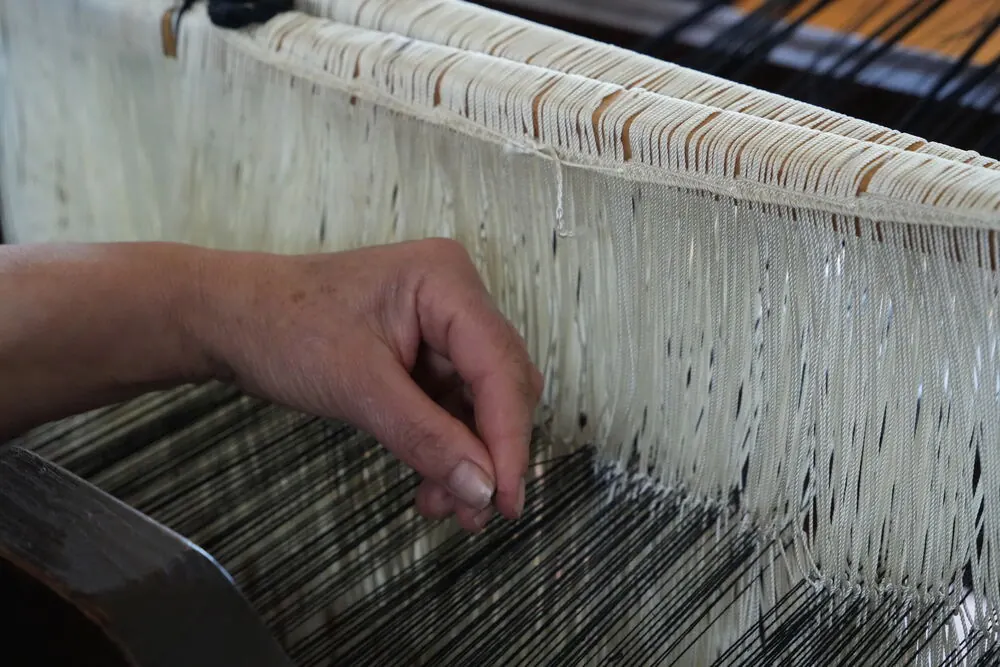
Loom and threads at Casa da Lã in Bucos.
ⓘ

Loom and threads at Casa da Lã in Bucos.

Source: Municipality of Cabeceiras de Basto

View source

Photograph date not stated.

Individual photographer and reuse licence not stated by the source.
Request removal or correct the photo credit

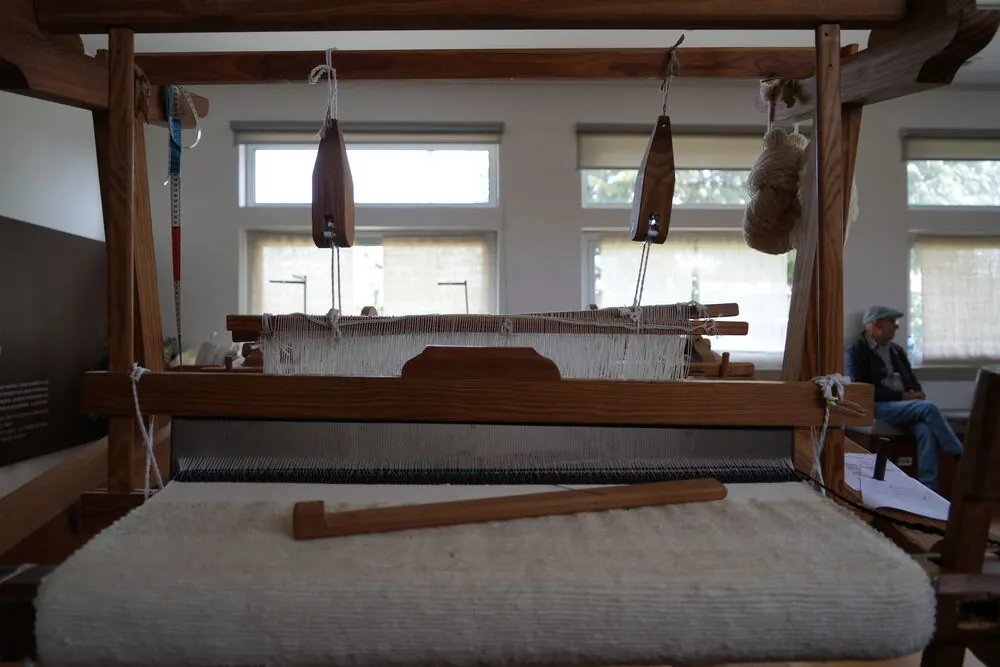
Loom and threads at Casa da Lã in Bucos.
ⓘ

Loom and threads at Casa da Lã in Bucos.

Source: Municipality of Cabeceiras de Basto

View source

Photograph date not stated.

Individual photographer and reuse licence not stated by the source.
Request removal or correct the photo credit

Loom and threads at Casa da Lã in Bucos.
ⓘ

Loom and threads at Casa da Lã in Bucos.

Source: Municipality of Cabeceiras de Basto

View source

Photograph date not stated.

Individual photographer and reuse licence not stated by the source.
Request removal or correct the photo credit

Loom and threads at Casa da Lã in Bucos.
ⓘ

Loom and threads at Casa da Lã in Bucos.

Source: Municipality of Cabeceiras de Basto

View source

Photograph date not stated.

Individual photographer and reuse licence not stated by the source.
Request removal or correct the photo credit

Loom and threads at Casa da Lã in Bucos.
ⓘ

Loom and threads at Casa da Lã in Bucos.

Source: Municipality of Cabeceiras de Basto

View source

Photograph date not stated.

Individual photographer and reuse licence not stated by the source.
Request removal or correct the photo credit

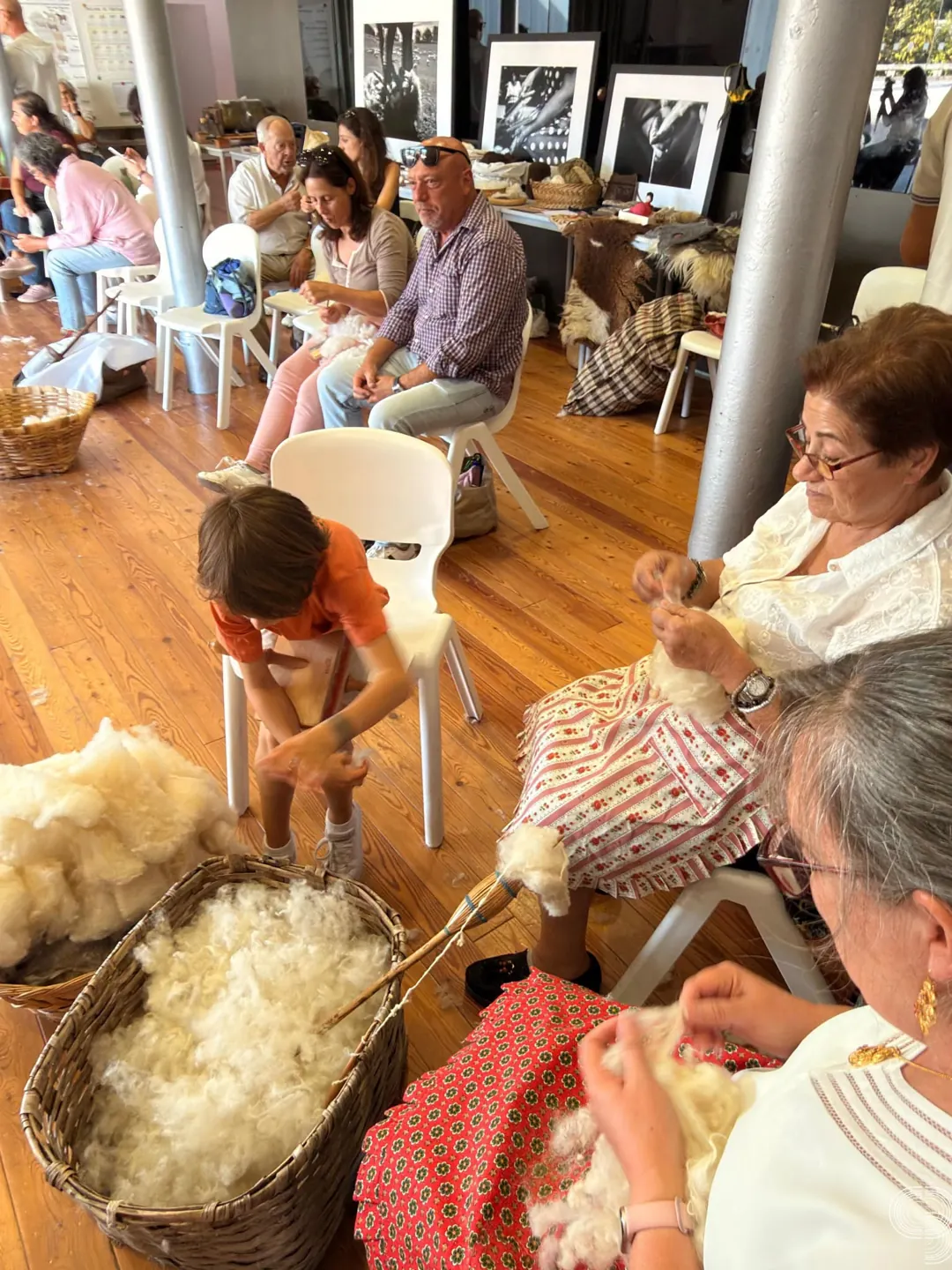
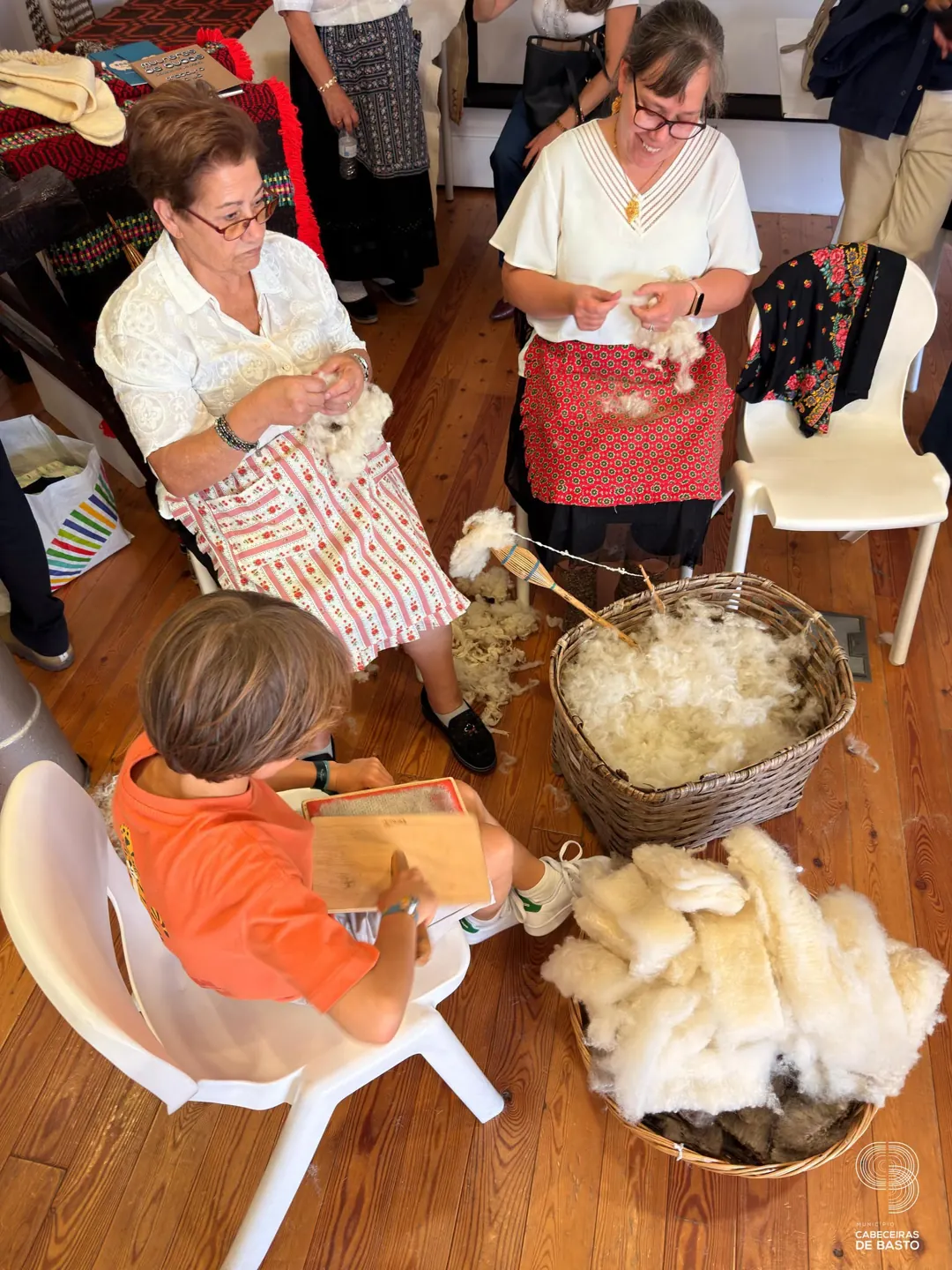
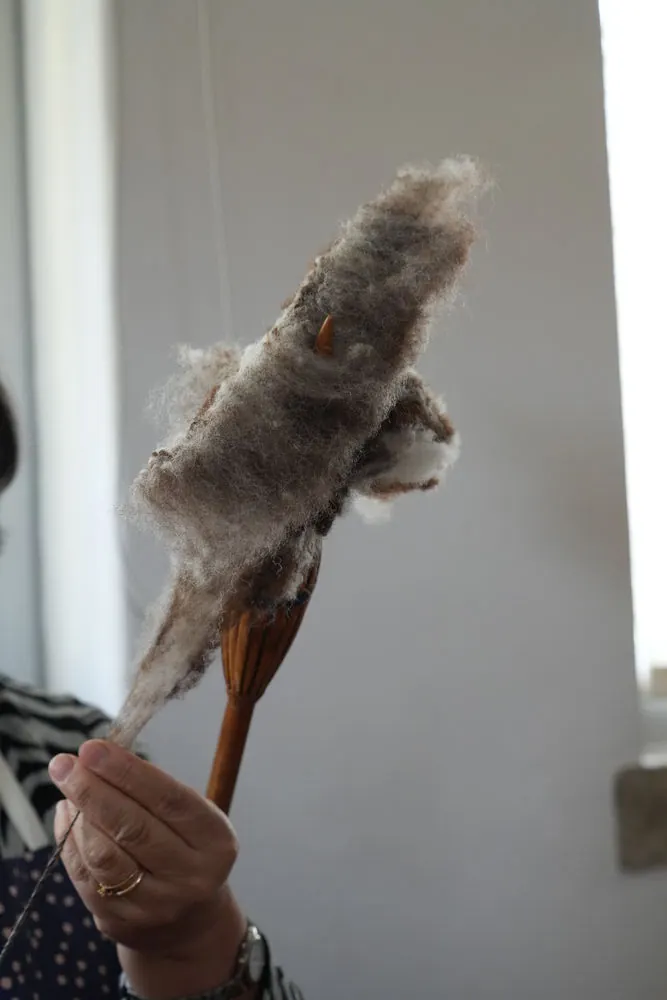
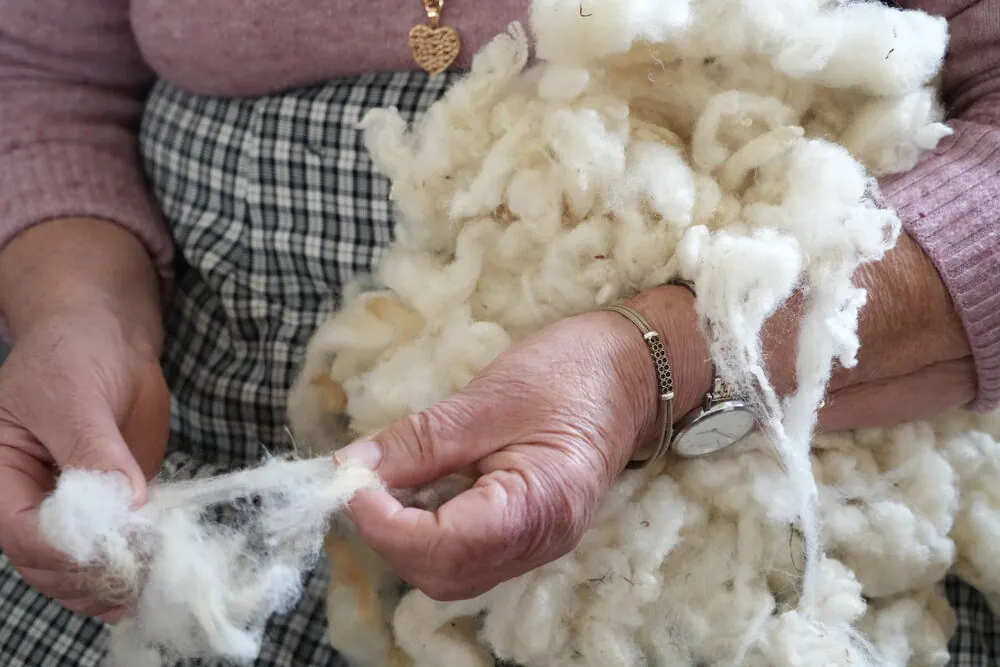
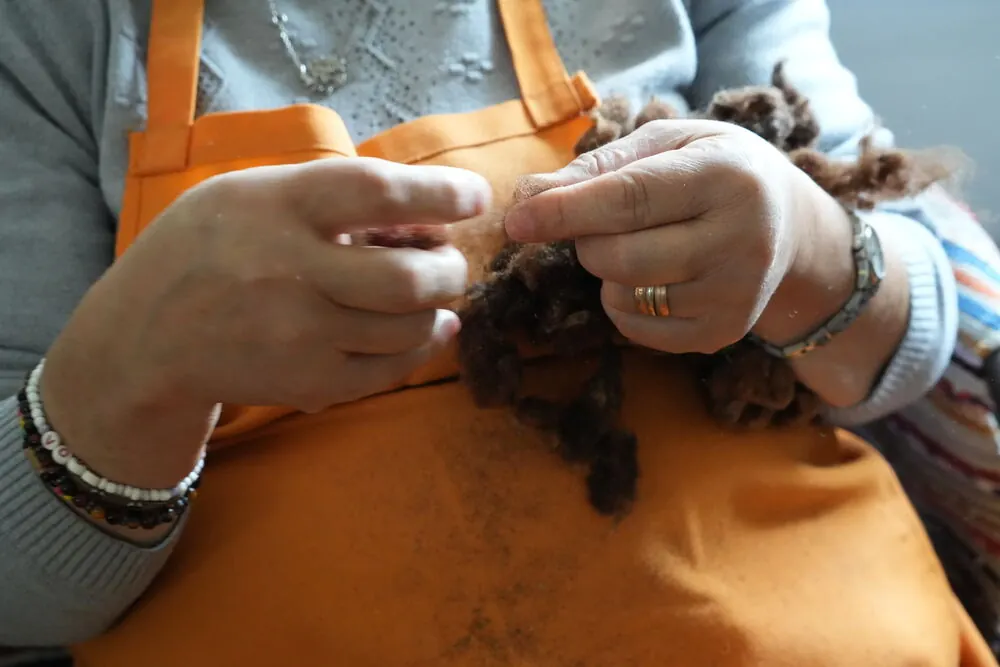
Wool and preparation techniques at Casa da Lã, Bucos.
ⓘ

Wool and preparation techniques at Casa da Lã, Bucos.

Source: Municipality of Cabeceiras de Basto

View source

Photograph date not stated.

Individual photographer and reuse licence not stated by the source.
Request removal or correct the photo credit

Wool and preparation techniques at Casa da Lã, Bucos.
ⓘ

Wool and preparation techniques at Casa da Lã, Bucos.

Source: Municipality of Cabeceiras de Basto

View source

Photograph date not stated.

Individual photographer and reuse licence not stated by the source.
Request removal or correct the photo credit

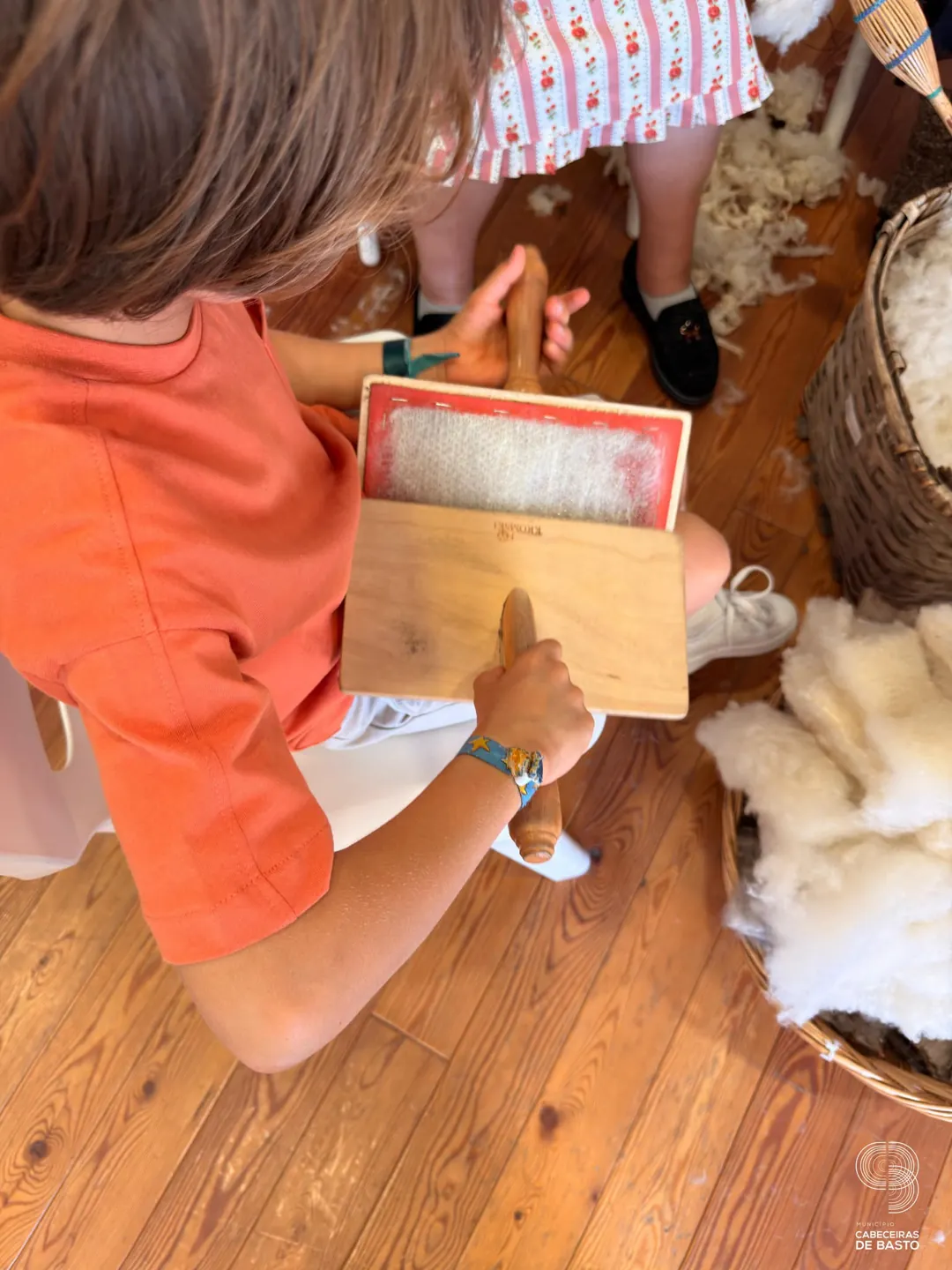
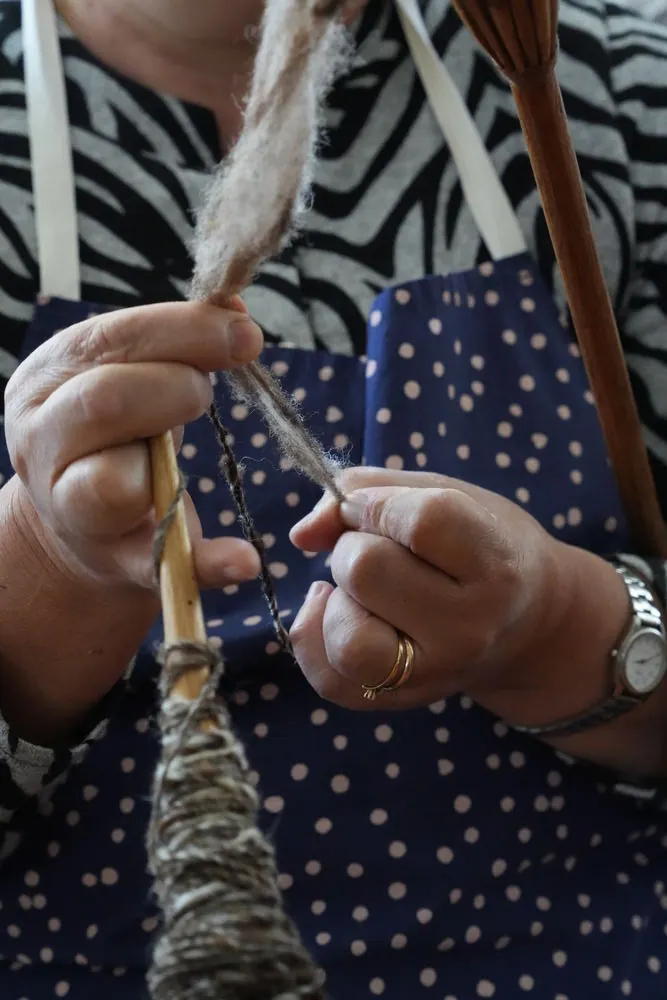
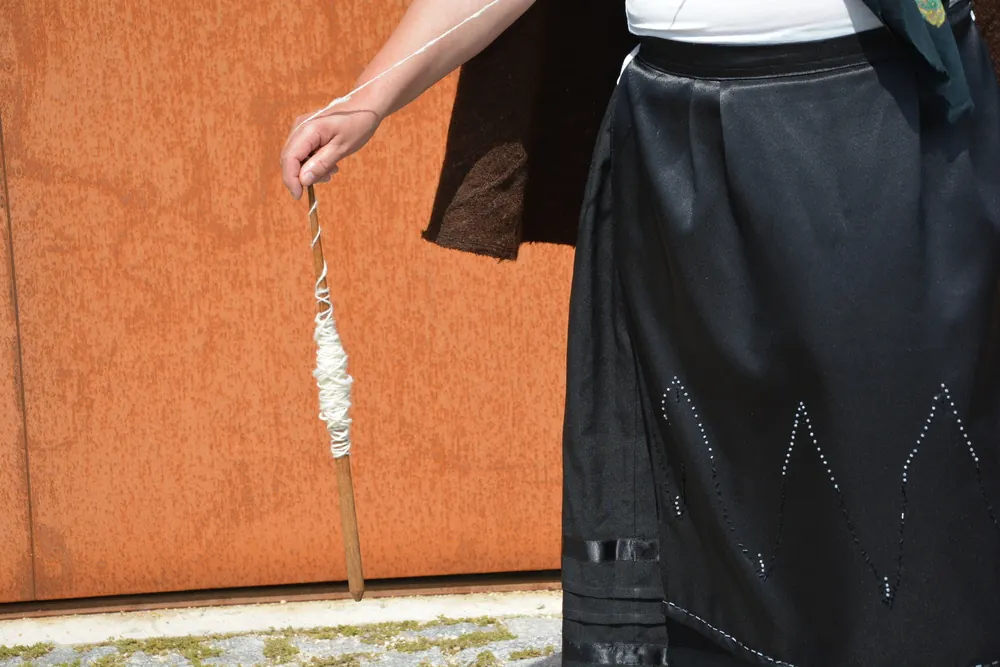
Spinning techniques shown in the Casa da Lã gallery, Bucos.
ⓘ

Spinning techniques shown in the Casa da Lã gallery, Bucos.

Source: Municipality of Cabeceiras de Basto

View source

Photograph date not stated.

Individual photographer and reuse licence not stated by the source.
Request removal or correct the photo credit

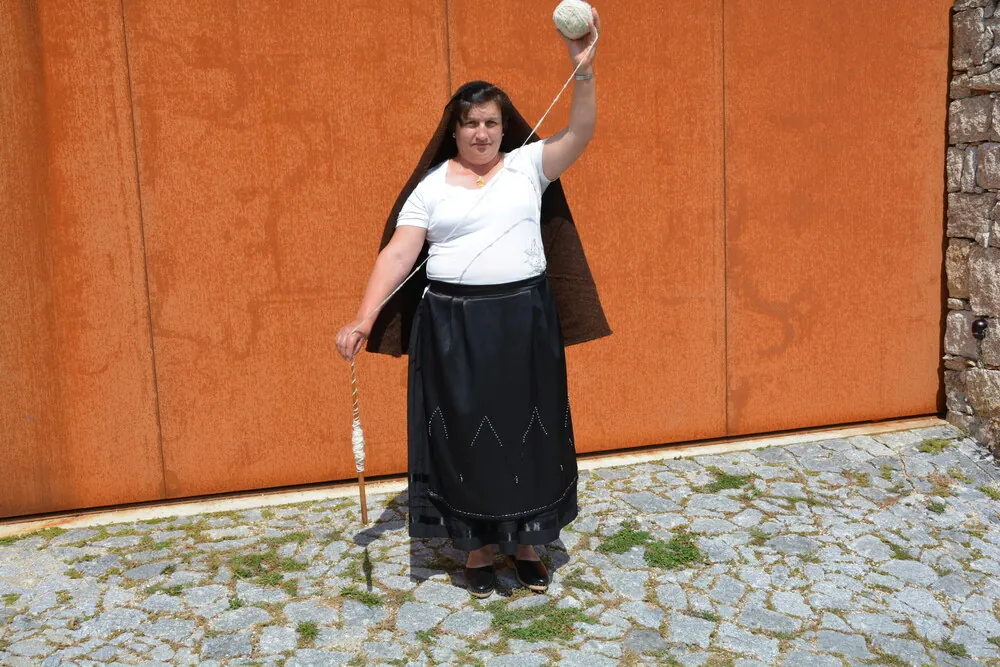
Spinning techniques shown in the Casa da Lã gallery, Bucos.
ⓘ

Spinning techniques shown in the Casa da Lã gallery, Bucos.

Source: Municipality of Cabeceiras de Basto

View source

Photograph date not stated.

Individual photographer and reuse licence not stated by the source.
Request removal or correct the photo credit

Spinning techniques shown in the Casa da Lã gallery, Bucos.
ⓘ

Spinning techniques shown in the Casa da Lã gallery, Bucos.

Source: Municipality of Cabeceiras de Basto

View source

Photograph date not stated.

Individual photographer and reuse licence not stated by the source.
Request removal or correct the photo credit

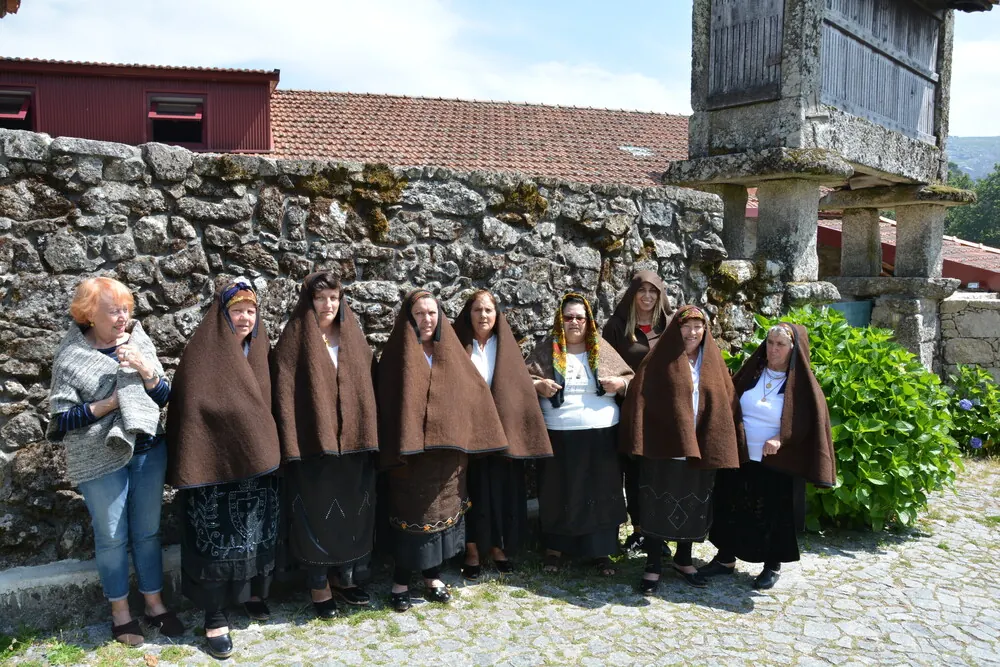
Spinning techniques shown in the Casa da Lã gallery, Bucos.
ⓘ

Spinning techniques shown in the Casa da Lã gallery, Bucos.

Source: Municipality of Cabeceiras de Basto

View source

Photograph date not stated.

Individual photographer and reuse licence not stated by the source.
Request removal or correct the photo credit

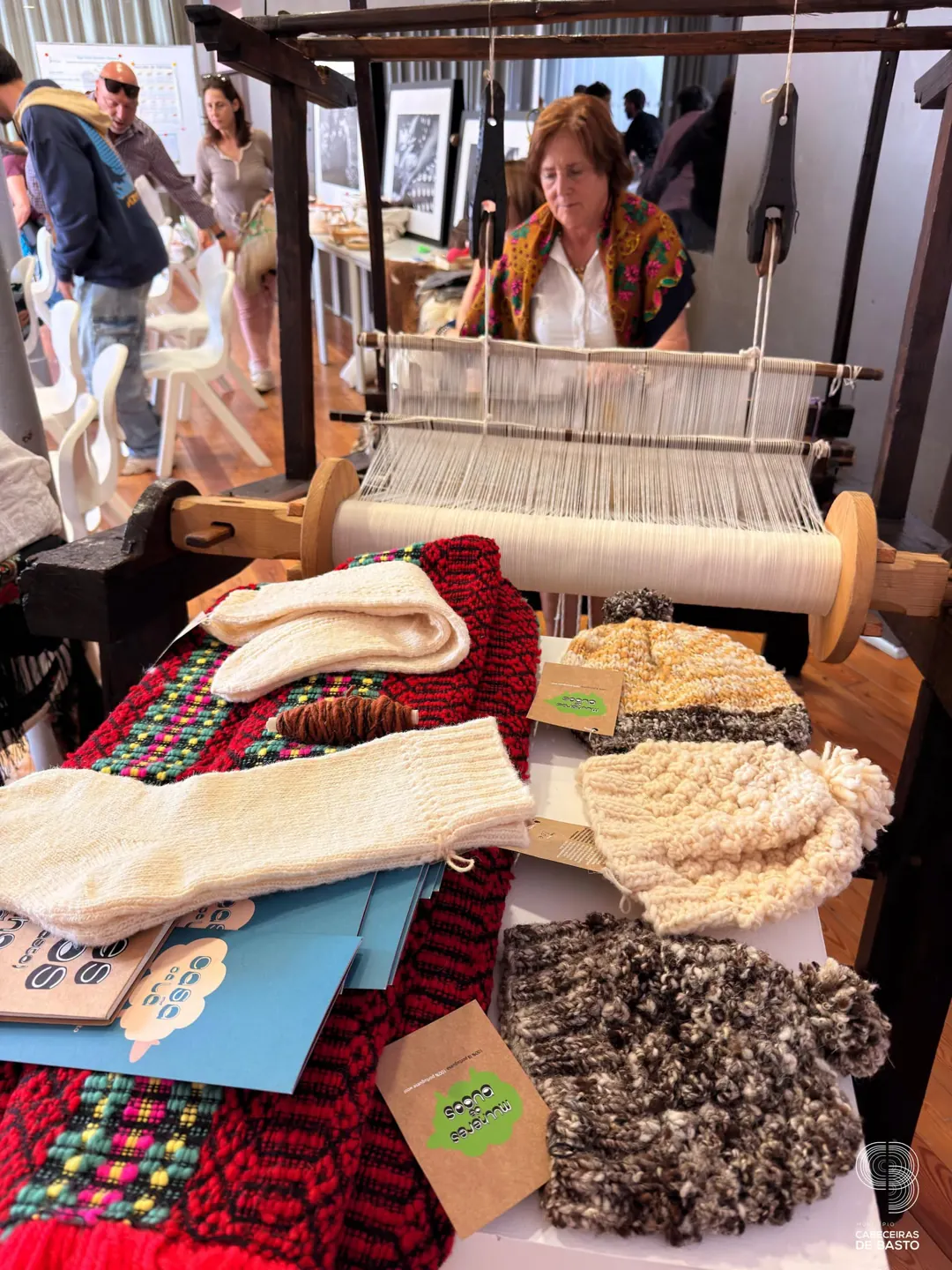
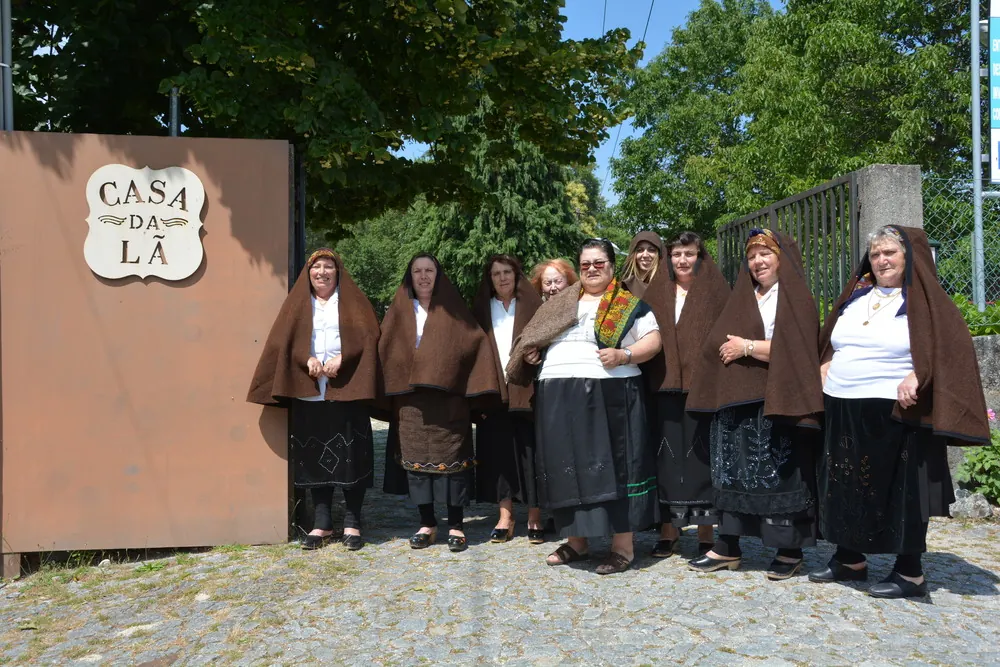
Wool garments presented by Casa da Lã in Bucos.
ⓘ

Wool garments presented by Casa da Lã in Bucos.

Source: Municipality of Cabeceiras de Basto

View source

Photograph date not stated.

Individual photographer and reuse licence not stated by the source.
Request removal or correct the photo credit

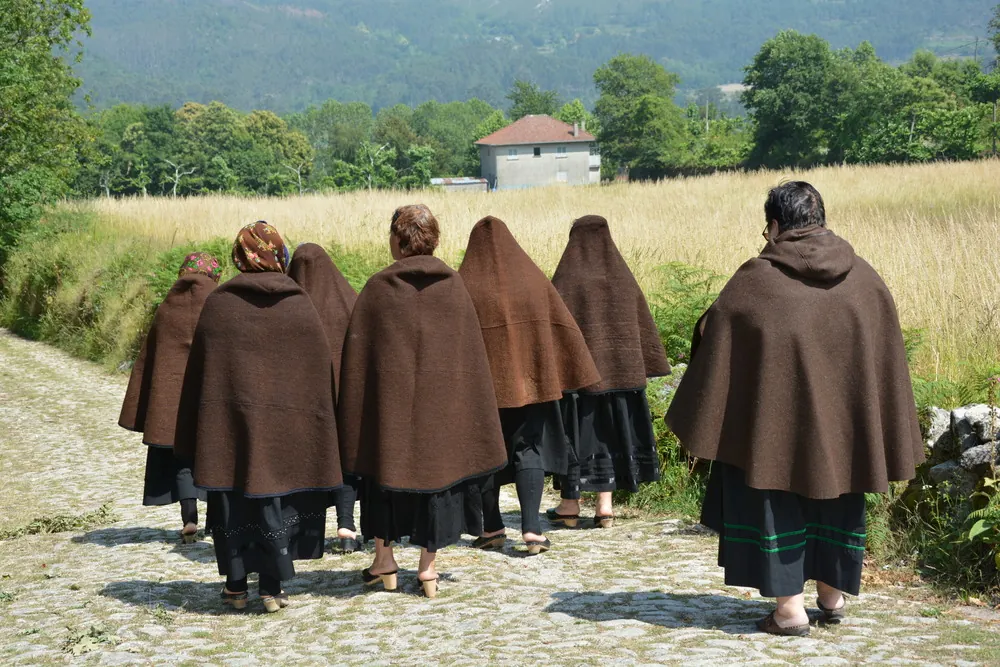
Wool garments presented by Casa da Lã in Bucos.
ⓘ

Wool garments presented by Casa da Lã in Bucos.

Source: Municipality of Cabeceiras de Basto

View source

Photograph date not stated.

Individual photographer and reuse licence not stated by the source.
Request removal or correct the photo credit

Wool garments presented by Casa da Lã in Bucos.
ⓘ

Wool garments presented by Casa da Lã in Bucos.

Source: Municipality of Cabeceiras de Basto

View source

Photograph date not stated.

Individual photographer and reuse licence not stated by the source.
Request removal or correct the photo credit

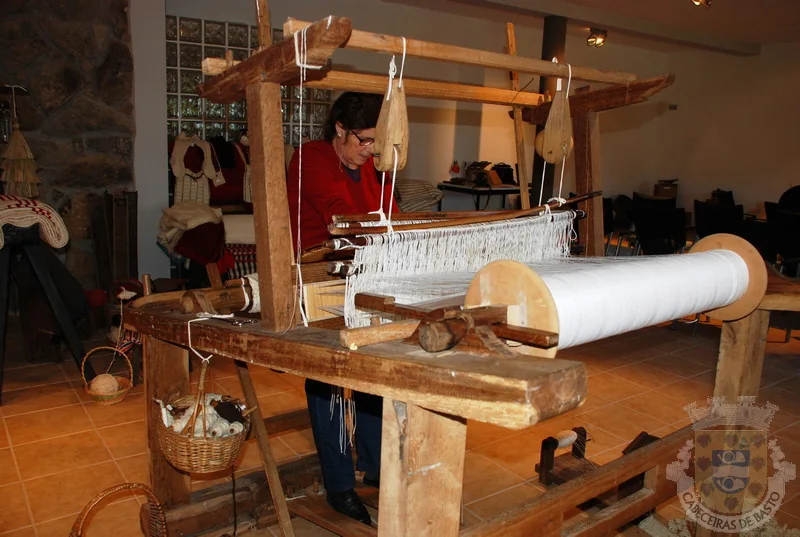
Loom working in Bucos, from the municipal collection. Archive photograph; date unidentified.
ⓘ

Loom working in Bucos, from the municipal collection. Archive photograph; date unidentified.

Source: Municipality of Cabeceiras de Basto

View source

Photograph date not stated.

Autoria individual e licença de reutilização não identificadas na página consultada. A fonte não equivale ao autor.

Request removal or correct the photo credit

Wool connects livestock with shelter.

A throw, a blanket and a capucha serve different needs: covering, warming and sheltering people working outdoors. The municipal introduction associates Bucos with Barroso woollen throws, shepherds’ capuchas and bedspreads, connecting wool with pastoral life and weaving.

The same source places crafts in a daily life where nearby resources provided materials for houses, clothing and utensils. It also notes how many objects have moved from mainly practical functions to decorative uses. Looking at a piece means asking what it is made from, what it was used for and where it fits today.

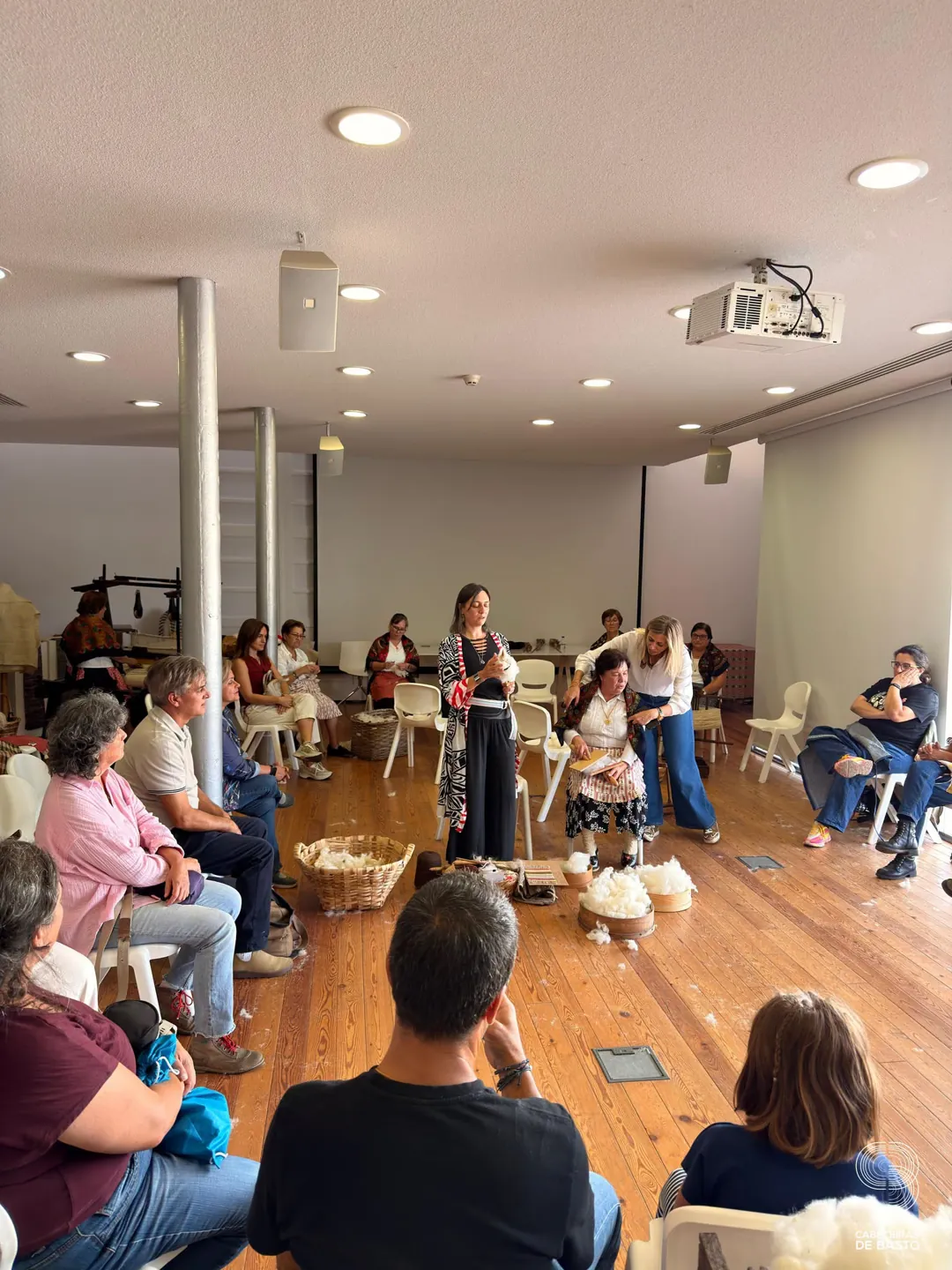
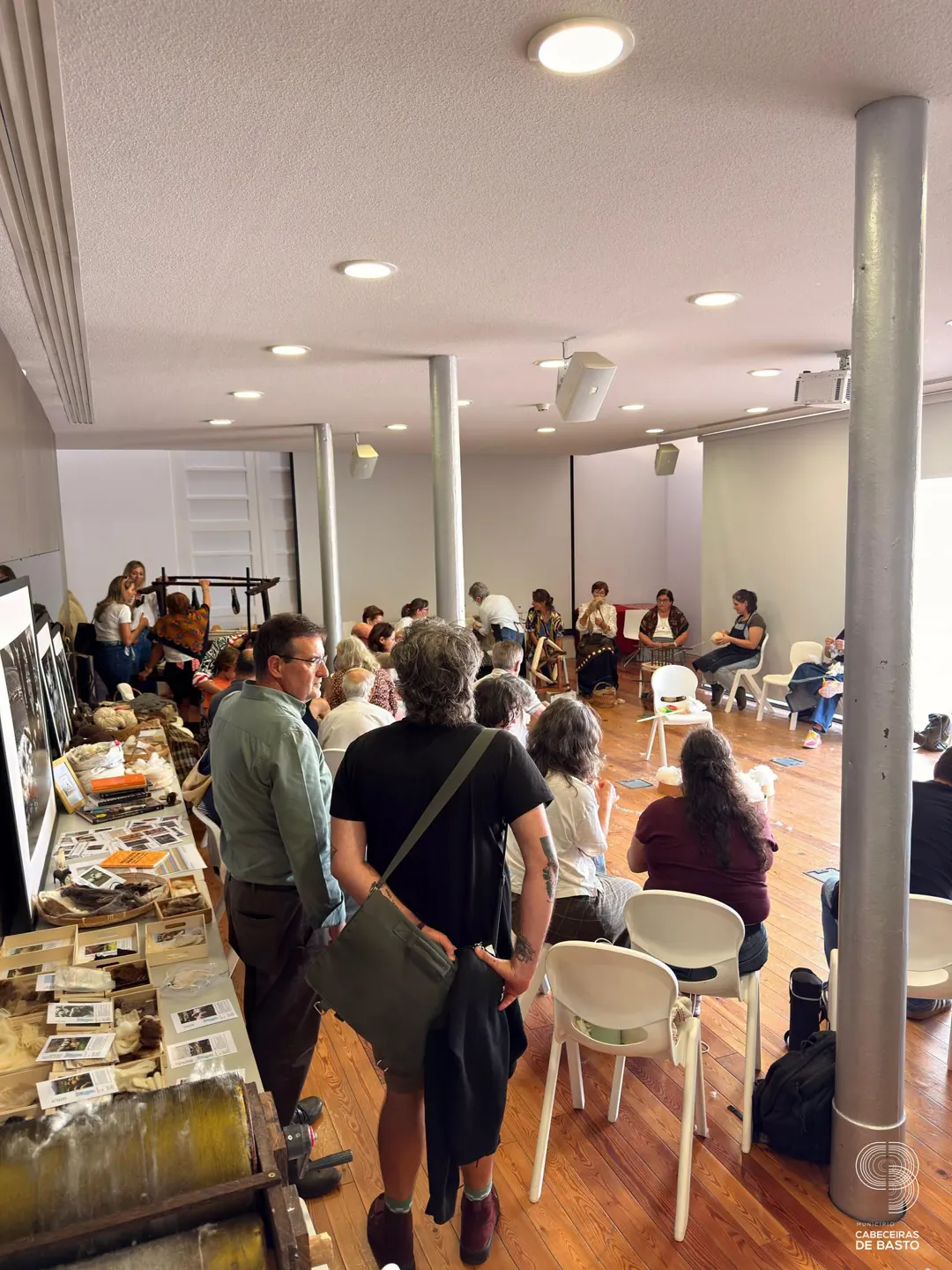
Casa da Lã, opened in 2012, provides a place to interpret this work. The municipal introduction highlights the opportunity to follow different tasks carried out by the Mulheres de Bucos, by appointment. There is more to see than finished pieces: the gestures and experience of the people making them are also part of this heritage. The venue profile brings together practical information to plan a visit.

Follow the thread between places and times

Open an option and choose the story.

  1. How gestures are sharedThe wool of Bucos also travels by the hands of those who teach →
  2. When water helped to work woolWater also worked wool →
  3. From fabric to shoe designLinen and wool have gained new steps →
  4. Other wool pieces in villagesWool was also made in stockings →
The knowledge of Bucos is linked to demonstrations, other works and new pieces. These proposals are readings, not scheduled activities.
See Fact sheet: Casa da Lã
Source and context

Municipality — crafts and services of the parishes
Accessed:

Municipality — Casa da Lã, interpretative centre in Bucos
Accessed:

Município — galeria de artesanato e tradições, fotografias sem data identificada
Accessed:

Editorial summary; the date of consultation is not the date of the facts.

Back to index ↑
Casa da Lã and Mulheres de Bucos · sharing skills, 2024–2026

Bucos’s wool travels with those who teach

Women of Bucos at the Wool Cycle in Santo Tirso — photograph 1.
ⓘ

Women of Bucos at the Wool Cycle in Santo Tirso — photograph 1.

Source: Museu das Terras de Basto

View source

Date given at source: .

Individual photographer and reuse licence not stated by the source.

Request removal or correct the photo credit

Women of Bucos at the Wool Cycle in Santo Tirso — photograph 2.
ⓘ

Women of Bucos at the Wool Cycle in Santo Tirso — photograph 2.

Source: Museu das Terras de Basto

View source

Date given at source: .

Individual photographer and reuse licence not stated by the source.

Request removal or correct the photo credit

Women of Bucos at the Wool Cycle in Santo Tirso — photograph 3.
ⓘ

Women of Bucos at the Wool Cycle in Santo Tirso — photograph 3.

Source: Museu das Terras de Basto

View source

Date given at source: .

Individual photographer and reuse licence not stated by the source.

Request removal or correct the photo credit

Women of Bucos at the Wool Cycle in Santo Tirso — photograph 4.
ⓘ

Women of Bucos at the Wool Cycle in Santo Tirso — photograph 4.

Source: Museu das Terras de Basto

View source

Date given at source: .

Individual photographer and reuse licence not stated by the source.

Request removal or correct the photo credit

Women of Bucos at the Wool Cycle in Santo Tirso — photograph 5.
ⓘ

Women of Bucos at the Wool Cycle in Santo Tirso — photograph 5.

Source: Museu das Terras de Basto

View source

Date given at source: .

Individual photographer and reuse licence not stated by the source.

Request removal or correct the photo credit

Women of Bucos at the Wool Cycle in Santo Tirso — photograph 6.
ⓘ

Women of Bucos at the Wool Cycle in Santo Tirso — photograph 6.

Source: Museu das Terras de Basto

View source

Date given at source: .

Individual photographer and reuse licence not stated by the source.

Request removal or correct the photo credit

Women of Bucos at the Wool Cycle in Santo Tirso — photograph 7.
ⓘ

Women of Bucos at the Wool Cycle in Santo Tirso — photograph 7.

Source: Museu das Terras de Basto

View source

Date given at source: .

Individual photographer and reuse licence not stated by the source.

Request removal or correct the photo credit

Preserving a craft includes sharing it.

On 10 October 2026, the Mulheres de Bucos took part in the Ciclo da Lã in Santo Tirso, representing Casa da Lã. The Museum’s report describes demonstrations of fibre preparation, spinning and weaving. This is a documented episode of sharing these skills beyond the municipality, not an announcement of a future activity.

Sharing had already taken place at Casa da Lã on 14 March 2024: the Mulheres de Bucos welcomed the Mulheres do Atelier Pontinhos from the Centro Interpretativo das Minas da Borralha for a gathering devoted to this work.

On 6 June 2026, Casa da Lã hosted Dia da Tosquia. The report published two days later describes demonstrations led by the Mulheres de Bucos, with public participation and support from the parish council. This is another documented example of learning across generations, not a future activity date.

This transmission also brought Bucos and Rio Douro together. In the report of 21 October 2024 about the Da Lã ao Fio e ao Feltro workshop at Landra, the municipality records the Mulheres de Bucos taking part. They showed tasks such as washing, teasing, carding and spinning. The initiative belonged to the Saber a Terra project, which connected learning, artistic creation and relationships with local ecosystems. The report announced another session for the following weekend; that forecast is not treated here as proof that it happened.

Meetings that share knowledge

It opens every moment and discovers what the date represents.

  1. 14 March 2024 · Receive at Casa da Lã

    Meeting of Women of Bucos with Atelier Pontinhos, Minas da Borralha, Montalegre.

  2. October 2024 · Share knowledge in Rio Douro

    In Landra, women of Bucos demonstrate phases of wool transformation in the Saber a Terra project.

  3. 6 June 2026 · Show shear

    Demonstration with participation of the public and collaboration of the Board of Freguesia.

  4. 10 October 2026 · Bring the trade to Saint Tirso

    Fibre preparation, spinning and weaving in the Wool Cycle.

Dates of events reported. The news was published later; they are not markings to participate.
See Fact sheet: Casa da Lã
Source and context

Basto Land Museum — Women of Bucos promote ancestral wool art in Santo Tirso, 2026-10-14

Museum of Lands of Basto — “The wool that unites us” brought together women from Bucos and the Mines of the Rubber Casa da Lã, 2024-03-19

Basto Land Museum — shear day Bucos, 2026-06-08

Municipality — From Wool to Yarn and Feltro, Landra in Riodouro, 21/10/2024

Accessed: . Editorial summary; the date of consultation is not the date of the facts.

Back to index ↑
Bucos · 1758 account

Three grains in one landscape

The pantry in Bucos did not depend on just one grain.

The parish priest’s 1758 account lists milho-alvo, milhão and rye, saying they were produced in similar proportions. It also mentions some wine and few chestnuts. This is the agricultural picture he left in writing, not a description of present-day harvests.

And where was the grain processed? In the same account, António Alves Teixeira describes mills on the parish’s two watercourses and farmers taking grain there. The document links the list of crops to milling, although it gives no recipes or breakdown of how each grain was used for food or other purposes. The date, 22 May 1758, marks the moment of the account: the proportions given are the vicar’s assessment, not a weighing of a harvest.

From grain to mill

Open an option and choose the story.

  1. The water that workedTwo rivers lost their name →
  2. How a mill was organizedAbove, the grinding; below, the movement →
  3. Other parish, other cropsIn the same parish, the harvest changed →
Each reading identifies the time and source of the information. Choose a link to continue.
Getting to know the parish
Source and context

Municipality — parish account of Bucos (1758)

Accessed: . Editorial summary; the date of consultation is not the date of the facts.

Back to index ↑
Bucos · 1758 account

Two rivers lost their names

Water connected mountains, mills and fields.

In 1758, the vicar of Bucos described two watercourses that eventually lost their names on entering the river of São Nicolau. One was Porto Souto, coming from the Serra da Maçã; the other, called the River Moinhos, had origins described in Carrazedo and Figueiró do Monte.

The account brings water and work together: cultivated banks, mills for cereals and water used in farming. It also mentions small wooden footbridges. Reading these elements together helps us imagine connections between fields, crossings and milling. The names and uses belong to the 1758 document; they do not automatically identify watercourses or structures found on the ground today.

Porto Souto is described as flowing all year despite its low volume, with small falls along its north-to-south course. The other watercourse had a calmer current. The vicar records trout and fish called escalos in both: his attention moves from flowing water to fish and then to cultivated banks. A river need not be large for its importance to parish life to become clear.

The text also compares two scales of crossing: the Casares bridge on a busy road and pedestrian crossings made from a single wooden beam. The author stresses the need to improve the former. The river therefore appears linked both to farmers’ daily work and to travel beyond the parish.

Follows water of Bucos

Open an option and choose the story.

  1. From the fields came the cereals

    Target corn, million and rye help to realize what reached the mills mentioned in the account.

    Three cereals in the same landscape →
  2. A crossing on the road

    In Casares, a very used road crossed a wooden bridge that the vicar wanted to improve.

    A small bridge, a long way →
  3. The rivers also had fish

    Compares the fish mentioned in Saint Nicholas, downstream of arms coming from Bucos.

    The fish that entered the memory →
Each reading identifies the time and source of the information. Choose a link to continue.
Getting to know the parish
Source and context

Municipality — parish account of Bucos (1758)

Accessed: . Editorial summary; the date of consultation is not the date of the facts.

Back to index ↑
Bucos · transport in 1758

A small bridge on a long route

Casares lay on many people’s route.

At Casares, a wooden bridge formed part of the royal road to Braga and the connections with Trás-os-Montes, according to the 1758 account. Given the traffic, the vicar argued for rebuilding it in stone. This was a request, not confirmation of completed work.

The source distinguishes that crossing from small pedestrian footbridges made with a wooden beam. Different crossings answered different needs.

The crossing did not serve only the village. The vicar describes a busy public road connecting Braga with the jurisdiction of Basto and Trás-os-Montes. The bridge therefore appears as a local point in a larger network. His recommendation to replace it with dressed stone shows the author assessing a need as well as recording what existed.

In the same rivers, water drove mills and was used by farmers in their fields. Crossing, milling and irrigation appear in the same portrait of the territory. A bridge can be read through what it makes possible: reaching another place, maintaining a connection or bringing work on opposite sides of the water closer together.

Paths that served the life of the village

Open an option and choose the story.

  1. Receiving news for FoxThe letters arrived elsewhere →
  2. Approaching the worship of residentsA chapel shortened the distance →
  3. Connect rivers, fields and millsTwo rivers lost their name →
  4. Imagine the colors of the churchGold and red in church →
It follows four needs described in Bucos: communicating, getting to the service, working with water and getting to know the church. They are historical memories, not visiting instructions.
Getting to know the parish
Source and context

Municipality — parish account of Bucos (1758)

Accessed: . Editorial summary; the date of consultation is not the date of the facts.

Back to index ↑
Bucos · communications in 1758

Letters arrived through another place

Receiving news also meant covering a distance.

Bucos had no postal service of its own in 1758: it used Raposeira’s, three-quarters of a league away. The account also gives distances to Braga and Lisbon, showing how the vicar placed the parish within a wider network.

The same account describes hills between settlements and villages hidden by the terrain. Receiving news meant connections beyond the village. Historical distances are not directions for present-day travel.

The vicar also mentions a wooden bridge at Casares on the road to Braga, considering that frequent traffic justified a dressed-stone structure. This offers a clue to the importance of routes for the population. It is not, however, proof that the mail crossed that bridge: the document describes both subjects without tracing a postal route.

Source and context

Municipality — parish account of Bucos (1758)

Accessed: . Editorial summary; the date of consultation is not the date of the facts.

Back to index ↑
Bucos · 1758 account

A chapel shortened the distance

In Casares, reaching church was a practical matter.

In the account of 22 May 1758, the chapel of Santa Maria at Casares served to administer the sacraments to residents living far from the parish church. Distance helped explain the distribution of places of worship.

Vicar António Alves Teixeira also mentions Santa Ana at Carrazedo, administered by Manuel Gomes Martins. These are references in the document, without confirmation of current access or condition.

The parish church stood in Bucos, which the vicar presented as the parish’s most populous settlement. He also named Vila Boa, Carrazedo and Casares. This group of places helps explain why a single church did not meet every resident’s needs in the same way.

The document also distinguishes who administered each chapel: at Casares, the commander; at Carrazedo, priest Manuel Gomes Martins. Place, dedication and administration are three different clues. Administering sacraments because of distance is explicitly stated for Casares; that function should not automatically be attributed to every chapel mentioned.

Getting to know the parish
Source and context

Municipality — parish account of Bucos (1758)

Accessed: . Editorial summary; the date of consultation is not the date of the facts.

Back to index ↑
Bucos · heritage described in 1758

Gold and red in the church

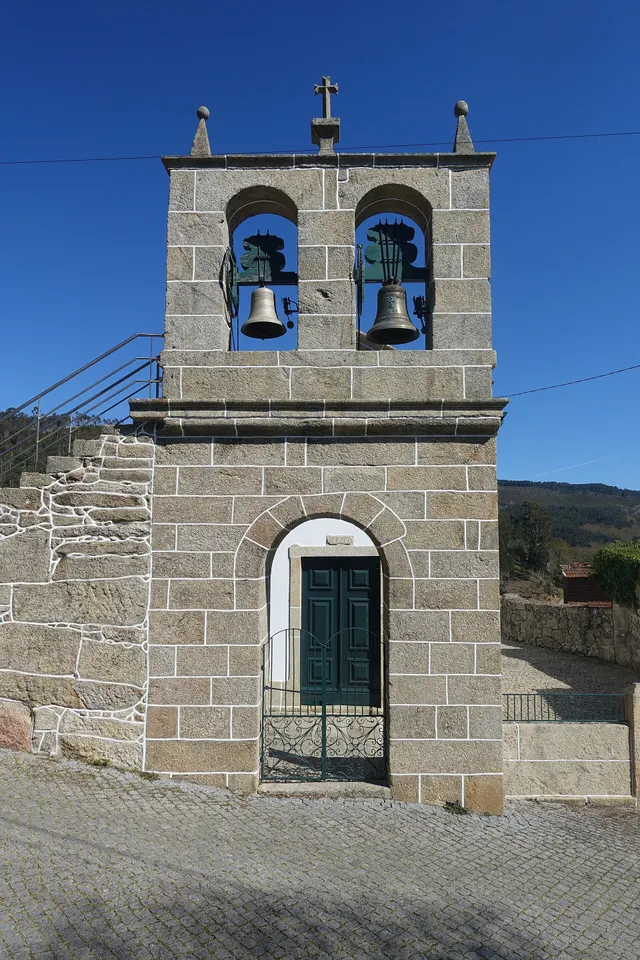
Granite façade and bell tower of Bucos Church beneath a blue sky.
Place linked to this story: Igreja de São João de Bucos© Joseolgonⓘ

The document preserved colours too.

In the church of São João de Bucos described in 1758, the high altar combined gilded reliefs with vermilion backgrounds. The account places Saint John the Baptist and Saint Dominic on opposite sides, with the tabernacle at the centre of the altarpiece. It also mentions altars with Our Lady of the Rosary, Saint Peter and Saint Anthony. This written portrait lets us imagine the arrangement and colours of the old interior without confirming that the pieces or layout survive today.

See Fact sheet: Igreja de São João de Bucos
Source and context

Municipality — parish account of Bucos (1758)

Accessed: . Editorial summary; the date of consultation is not the date of the facts.

Back to index ↑
YOUR LOCAL GUIDE

What would you like to discover?

Take a closer look.