Discover Cabeceiras de BastoFree independent guide
ViveCabeceirasYOUR GUIDE TO CABECEIRAS
ENEnglish
SearchSaved
9 STORIES · CONTINUOUS READING

Birds: look, listen and discover

Nine stories to meet birds through kinship, color, singing and food. Discover an acrobat between leaves and a menu that changes in winter; compares trips and care with eggs, passes through the water and ends in the night. A reading route, without indicating nests or promising sightings.

All stories in the order of the route. You can print this page by the browser; sources and credits follow the reading.

Things to try3 activities · 3 interactive explorations · 6 questions
Painzela · local record and general biology

Similar names, different relatives

A swallow is not a small swift.

Swallows and swifts catch insects in flight, but belong to different orders. Swallows are Passeriformes, like blackbirds and tits; swifts are Apodiformes, like hummingbirds. Their similar Portuguese names conceal different family relationships.

Nesting places tell stories too: the Gulbenkian guide describes the house martin’s nests of mud and small grasses beside roofs. Common and pallid swifts use recesses among roof tiles and beside chimneys. These are examples from Portugal, not locations of nests in the municipality.

In Painzela, a photograph by birdlovers records a barn swallow on 8 August 2025. Hirundo rustica builds cup-shaped mud nests and catches small insects in flight, according to the University of Évora. The photograph shows a pause on a wire, not a nest or feeding. It provides a local connection to one species in this family, without making the location a guaranteed place to see it.

How would you like to discover birds?

Open an option and choose the story.

  1. Follow the migration calendarNot all swallows leave →
  2. Discover a colour and a whistleBright color, discreet whistle →
  3. Listen for a discreet birdA discreet bird that reveals itself in the corner →
  4. Discover a diving birdA small bird that dives →
  5. Continue after duskAt nightfall, a bird looks like an insect →
Choose journeys, sounds or ways of finding food. The stories distinguish local evidence from general biology.
Return to observation proposal ↑
Source and context

Calouste Gulbenkian Foundation / Wilder — Essential guide for swallows and swallows, 09/05/2024

University of Évora — Hirundo rustica

Accessed: . Editorial summary; the date of consultation is not the date of the facts.

Back to index ↑
Birds · general biology in Portugal

Not all swallows leave

The crag martin spends the year in Portugal.

The Eurasian crag martin, Ptyonoprogne rupestres, stays in Portugal throughout the year, although it moves between regions. Resident does not mean motionless: a bird’s calendar can include movements without an annual journey to Africa.

The guide links migration in other swallows, martins and swifts with the availability of the insects they eat. Seeing a swallow is not enough to conclude that it has just returned. This national explanation does not confirm an observation in Cabeceiras.

Journeys vary between species too. The guide describes movements between Europe and Africa and explains that routes are not all the same. Food connects these movements: in cold, rainy periods, the search for insects takes many of these birds to warmer regions.

Source and context

Calouste Gulbenkian Foundation / Wilder — Essential guide for swallows and swallows, 09/05/2024

Accessed: . Editorial summary; the date of consultation is not the date of the facts.

Back to index ↑
Birds · general biology in Portugal

An acrobat among the leaves

The blue tit even searches for food upside down.

A blue cap and wings, white cheeks and a dark line beside the eyes help identify Cyanistes caeruleus. Its yellowish breast adds to the contrast. But watch how it moves too: the University of Évora describes this small bird hopping along branches and hanging upside down as it feeds.

Among the leaves, it searches for insects and spiders. In autumn and winter, fruits and seeds may also form part of its diet. Its food is therefore not a fixed list for every season: what it finds in the landscape changes.

The blue tit is resident and occurs across mainland Portugal. The Gulbenkian profile describes a range of wooded habitats, from woods and riverside trees to orchards, hedges and gardens. A garden and a wooded riverbank offer different settings in which to learn about this bird. These sources explain the species in Portugal; they do not document an encounter in a parish of Cabeceiras.

Source and context

University of Évora — Biodiversity of Mitra: Cyanistes caeruleus

Calouste Gulbenkian Foundation / João E. Rabaça — Blue Chapim

Accessed: . Editorial summary; the date of consultation is not the date of the facts.

Back to index ↑
Bucos · local record and general biology

A red breast, a changing menu

In winter, fruits also feature in the robin’s diet.

Erithacus rubecula owes part of its scientific name to its breast patch: rubecula evokes a reddish colour. João E. Rabaça’s description for the Gulbenkian presents a bird frequently found in wooded areas of Portugal, including parks and gardens, particularly in winter. It is a good starting point for looking at a familiar bird with a fresh question: what is it searching for to eat?

For much of the year, it feeds mainly on insects. In winter, fruits and berries become more important in its diet. This change connects the bird with plants and seasons: getting to know an animal also means discovering the food the landscape offers throughout the year.

Resident and migrant are not always opposing labels for an entire species. In the British example described by the BTO, resident robins share their winter surroundings with visitors from northern and eastern Europe. This example helps explain different movements within one species; it does not identify the origin of a robin observed in Cabeceiras.

There is a documented encounter in the municipality: Pedro Mendes published a robin observation dated 3 October 2021. Comparing its public location with CAOP2025 places it in Bucos, and the community identification was research grade when consulted on 7 November 2026. The record confirms that encounter, not the bird’s migratory origin. All rights to the photograph are reserved; it can be viewed at the source.

Source and context

Calouste Gulbenkian Foundation / João E. Rabaça — Red-necked pisco

British Trust for Ornithology — BirdFacts: Robin, Erithacus rubecula

iNaturalist — pisco observed by Pedro Mendes in03/10/2021, Bucos; photograph with all rights reserved

Accessed: . Editorial summary; the date of consultation is not the date of the facts.

Back to index ↑
Serra da Cabreira · regional reference and species biology

Bright colours, a quiet whistle

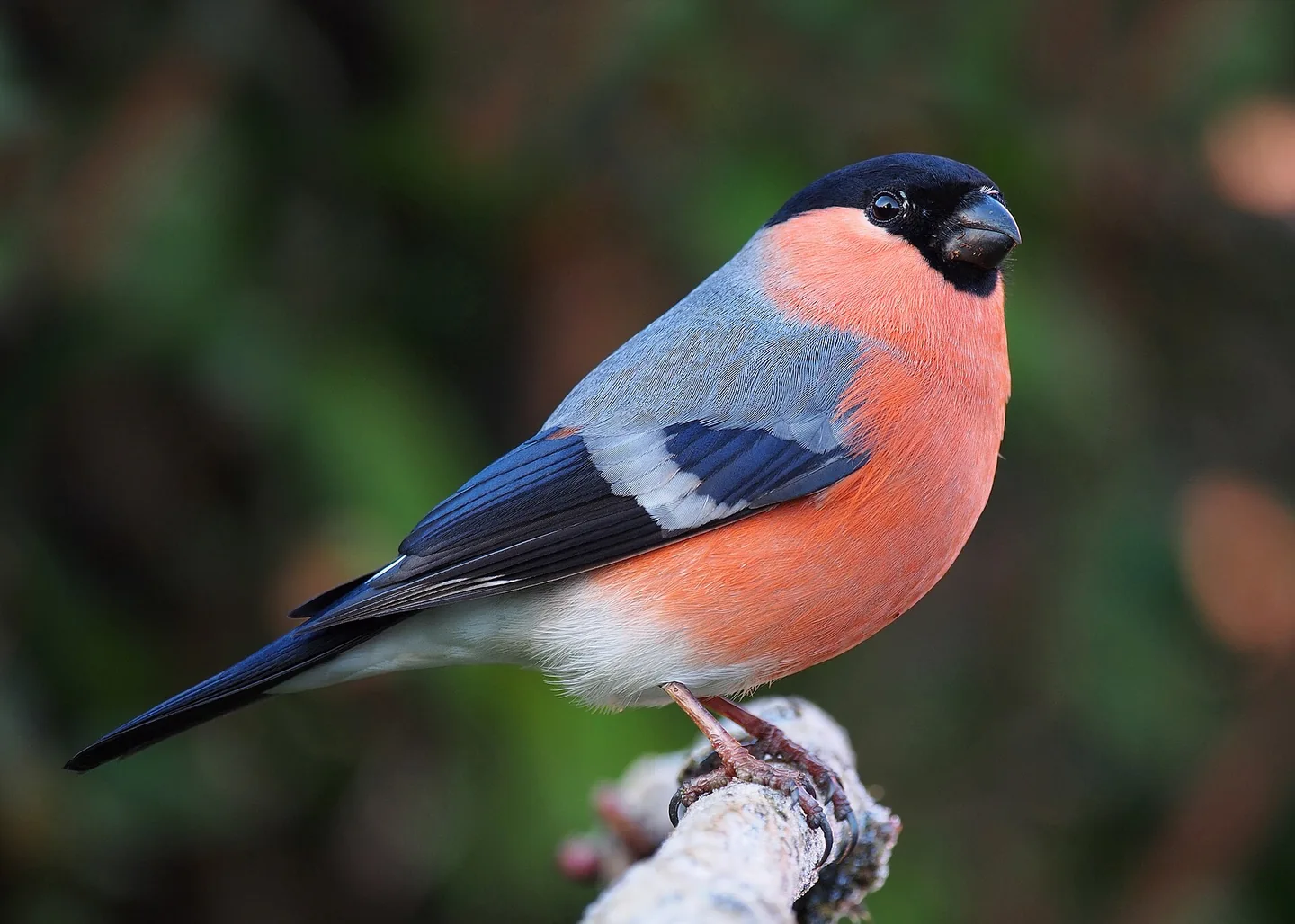
Male Eurasian bullfinch with a colourful breast.
Male Eurasian bullfinch with a colourful breast.Illustrative photograph
Francis Franklin
ⓘ

Male Eurasian bullfinch with a colourful breast.

Photography: Francis Franklin · CC BY-SA 3.0

View source

Photograph date not stated.

Request removal or correct the photo credit

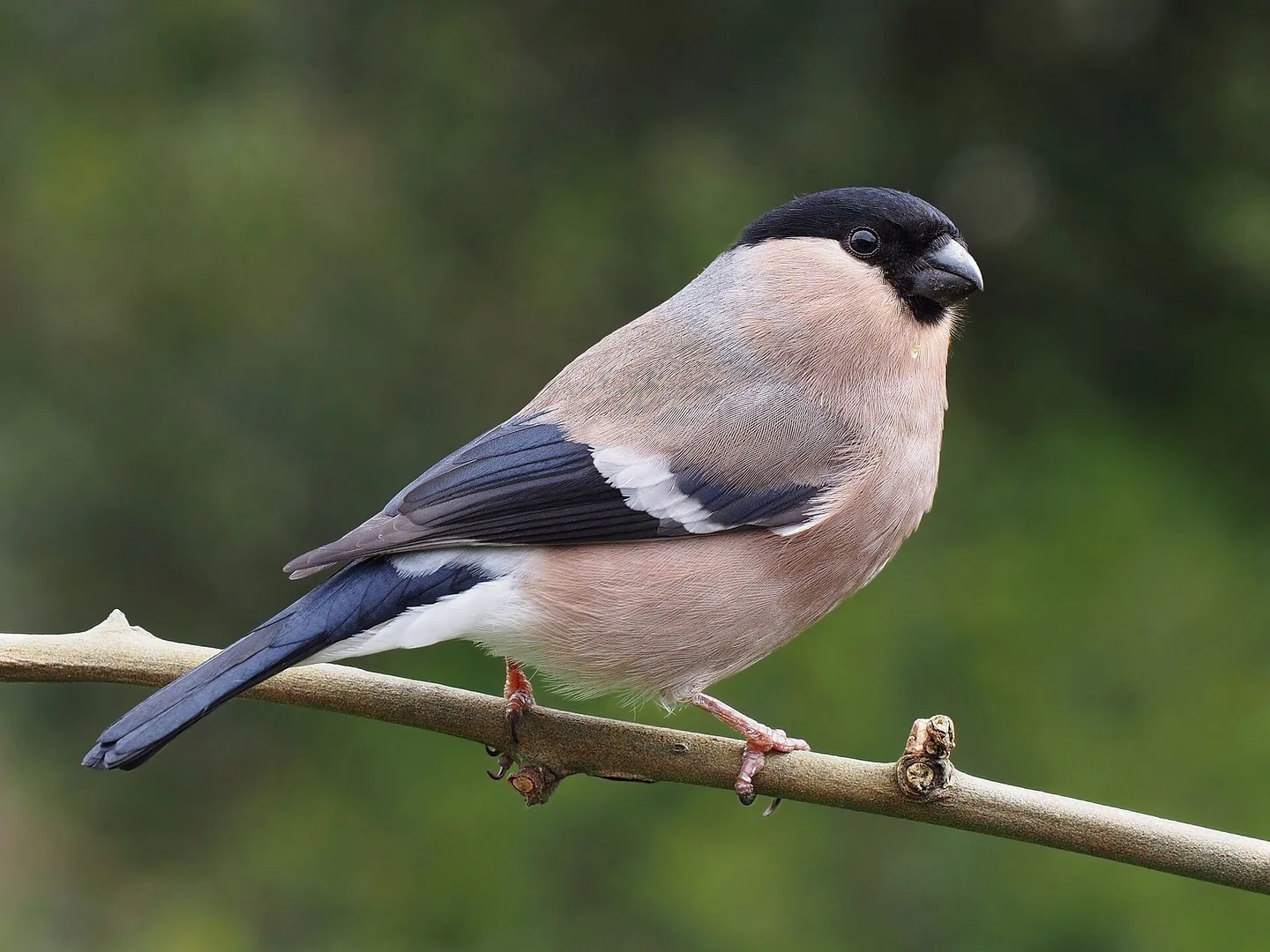
Female Eurasian bullfinch.
Female Eurasian bullfinch.Illustrative photograph
Francis C. Franklin
ⓘ

Female Eurasian bullfinch.

Photography: Francis C. Franklin · CC BY-SA 3.0

View source

Date given at source: .

Request removal or correct the photo credit

There is more to a bullfinch than its plumage.

The male Eurasian bullfinch, Pyrrhula pyrrhula, combines a pinkish breast with a black cap; the female has more subdued colours. The British Trust for Ornithology describes a soft, single-whistle call and the consumption of fruit-tree buds in spring. Vieira do Minho’s municipal website includes the bullfinch among Cabreira’s birds. That reference covers the mountain range, without confirming an occurrence in a parish or route in this guide.

Reproduction has different stages. In the ringing and nest-record data gathered by the BTO, a typical clutch has four to five eggs and incubation, undertaken by the female, generally lasts 14–16 days. Hatching begins another stage: the chicks’ development until they leave the nest. The published intervals are not a calendar for Cabreira.

The profile also helps distinguish a typical value from observed extremes. A clutch outside the usual number does not automatically belong to another species. Reading nature means understanding what was measured, in which population and with what variation.

Source and context

British Trust for Ornithology — BirdFacts: Bullfinch, Pyrrhula pyrrhula

Vieira Tourism of Minho — fauna of Serra da Cabreira, regional reference

Accessed: . Editorial summary; the date of consultation is not the date of the facts.

Back to index ↑
Serra da Cabreira · regional reference and species biology

A discreet bird revealed by its song

Listening to a garden warbler can be as rewarding as watching.

The garden warbler, Sylvia borin, has relatively uniform brown plumage and pale underparts. The British Trust for Ornithology profile highlights a song rich in whistled notes and an association with dense scrub and woodland edges. Vieira do Minho’s tourism website mentions the species for Cabreira. These are clues to its identity and habitat, without identifying nests or guaranteeing sightings in the municipality.

The year is not spent in one setting. The BTO describes wintering south of the Sahara. In the United Kingdom, the species is a summer visitor and becomes harder to detect when it stops singing. This helps explain an important observation distinction: hearing fewer birds does not necessarily mean they have all left. British dates are not an arrival calendar for Cabreira.

For reproduction, the BTO profile gives a typical clutch of four to five eggs, with both male and female incubating, generally for 10–12 days. After hatching, chicks continue developing in the nest. Comparing it with the bullfinch reveals that birds with similarly sized clutches can divide egg care differently.

Three clues to meeting a bird

Open an option and choose the story.

  1. Who takes care of the eggs in the dom-fafe?Bright color, discreet whistle →
  2. A resident species to compareNot all swallows leave →
  3. When you hear it it helps you find outAt nightfall, a bird looks like an insect →
Comparing singing, egg care and ways of life. Regional references are not spotting points.
Source and context

British Trust for Ornithology — BirdFacts: Garden Warbler, Sylvia borin

Vieira Tourism of Minho — fauna of Serra da Cabreira, regional reference

Accessed: . Editorial summary; the date of consultation is not the date of the facts.

Back to index ↑
Species biology · with a local record

A small bird that dives

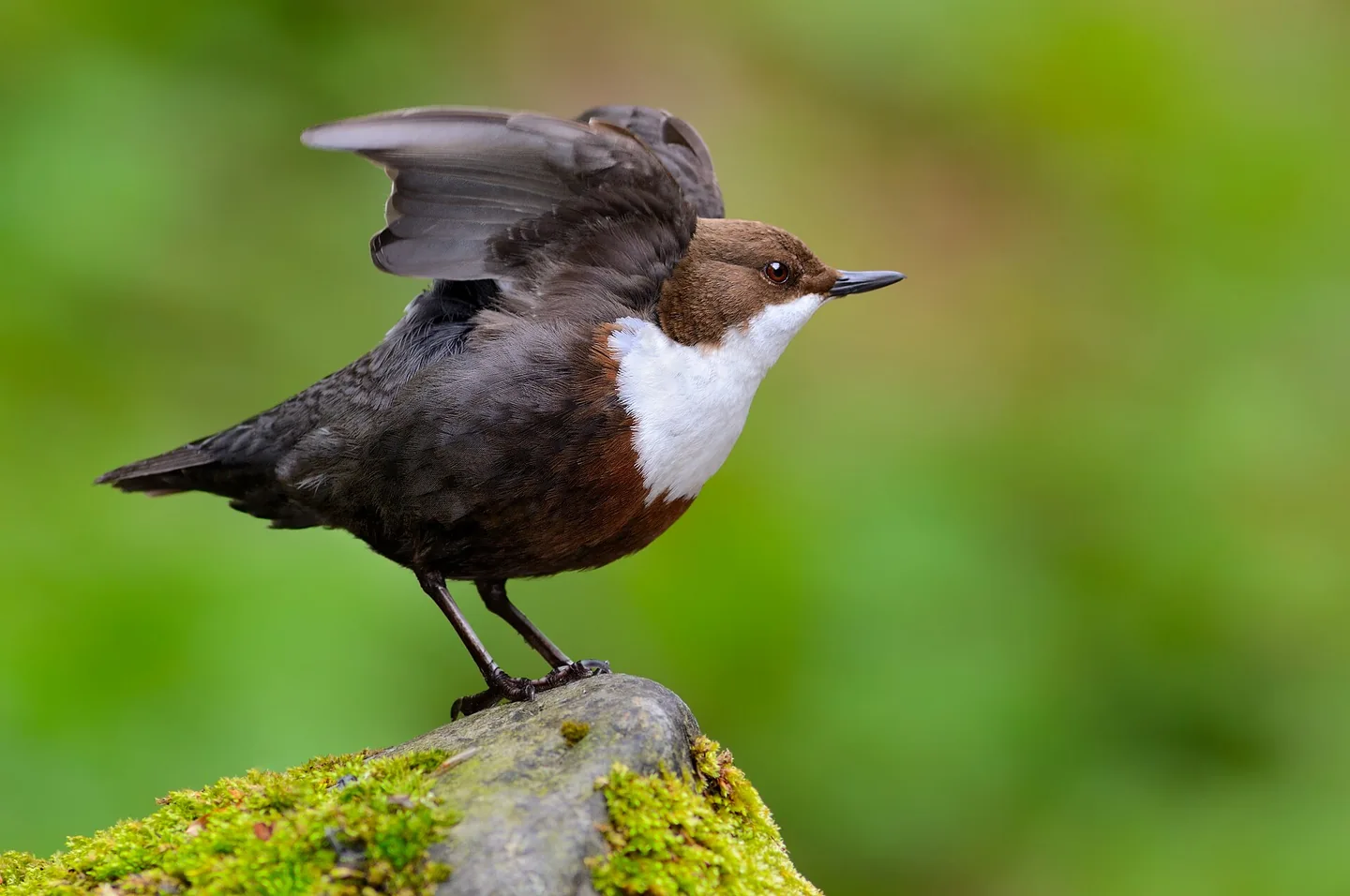
White-throated dipper with open wings.
White-throated dipper with open wings.Illustrative photograph
Олексій Карпенко
ⓘ

White-throated dipper with open wings.

Photography: Олексій Карпенко · CC BY-SA 4.0

View source

Date given at source: .

Request removal or correct the photo credit

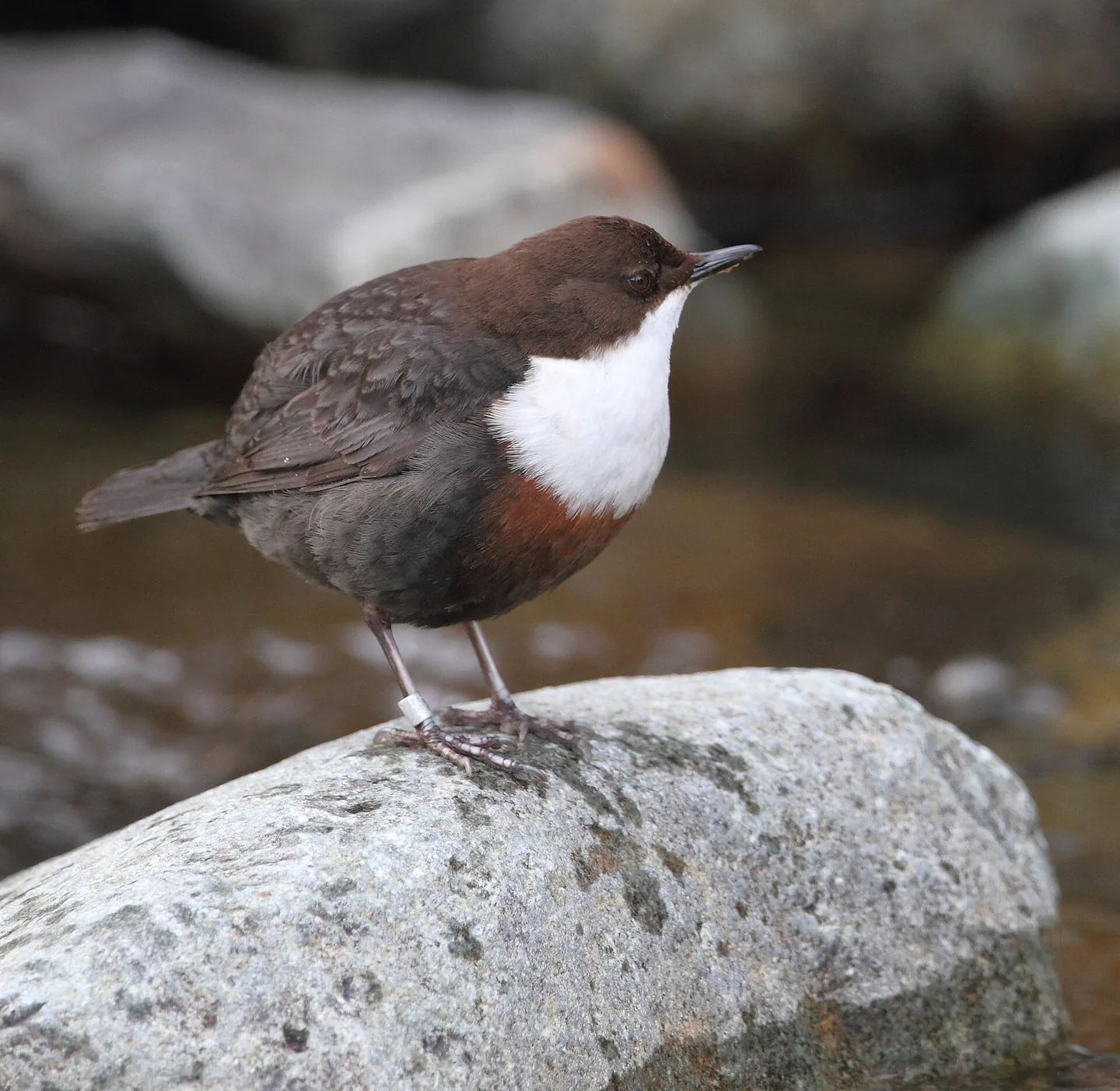
The white breast of a dipper.
The white breast of a dipper.Illustrative photograph
Alun Williams333
ⓘ

The white breast of a dipper.

Photography: Alun Williams333 · CC BY-SA 4.0

View source

Date given at source: .

Request removal or correct the photo credit

The white-throated dipper brings birdwatching into the current.

A compact body, short tail and white breast in adults offer clues to Cinclus cinclus, the white-throated dipper. This bird can dive and is associated with fast-flowing streams, especially in mountains. The gallery includes a local record; the photograph shows the bird in a hand, not the diving behaviour described here. Aves de Portugal describes fast, direct flight and classifies the species as resident: it may remain in breeding areas throughout the year. That general trait does not confirm a continuous presence at the local record’s location.

Underwater, the food it seeks includes small invertebrates. The BTO describes the bird entering the current from rocks or flying low to another perch. The stream is therefore a feeding space, not simply a backdrop where the bird appears.

Age also changes its appearance: juveniles are greyer and more mottled than white-breasted adults. This biological comparison does not assign an age to the photographed bird. A record shows an encounter; understanding what a species does requires bringing together other observations and sources.

The stream is more than water

Open an option and choose the story.

  1. Small animals with their own sheltersSmall shelters underwater →
  2. The vegetation accompanying the currentThe river also has a forest →
  3. How Life Helps to Study RiversThe life of the river also tells a story →
These relationships explain the environment; they do not confirm that animals from different readings share the same point.
Return to observation proposal ↑
Source and context

Birds of Portugal — Watermelon, identification, habits and distribution

British Trust for Ornithology — BirdFacts: Dipper, Cinclus cinclus

Accessed: . Editorial summary; the date of consultation is not the date of the facts.

Back to index ↑
Serra da Cabreira · species biology

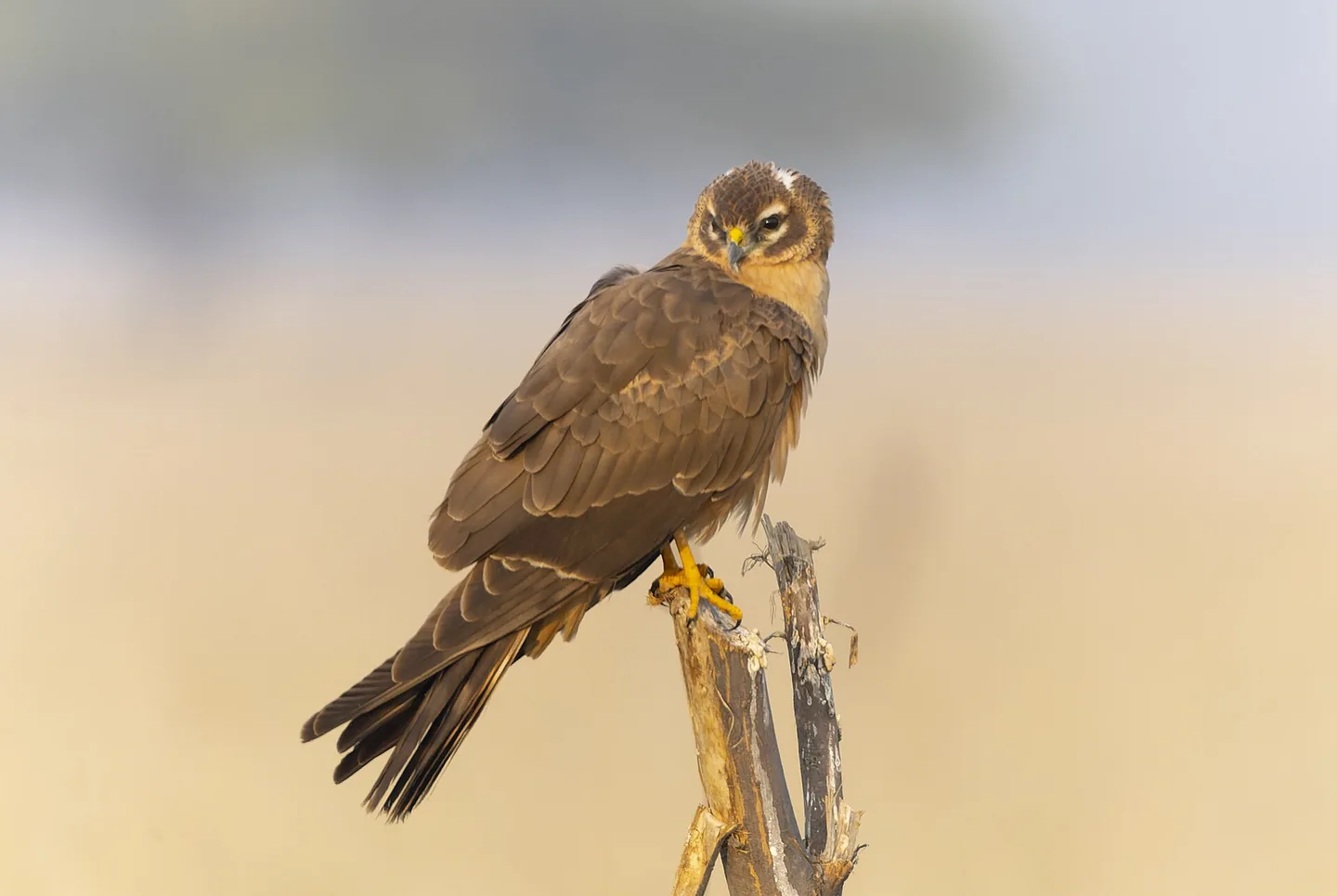
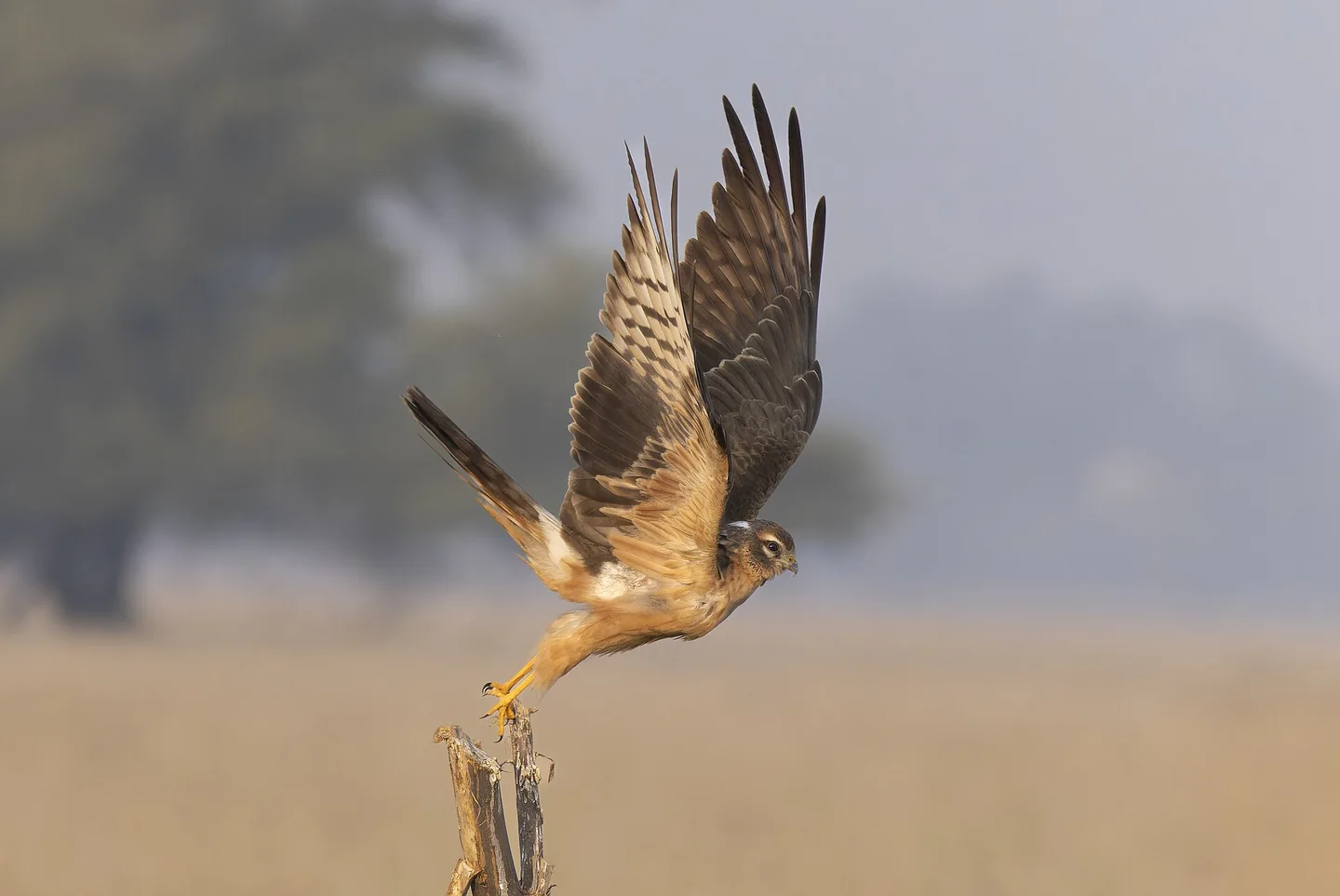
A bird of prey that nests on the ground

Perched Montagu’s harrier.
Perched Montagu’s harrier.Illustrative photograph
Tisha Mukherjee
ⓘ

Perched Montagu’s harrier.

Photography: Tisha Mukherjee · CC BY-SA 4.0

View source

Date given at source: .

Request removal or correct the photo credit

Montagu’s harrier taking flight.
Montagu’s harrier taking flight.Illustrative photograph
Tisha Mukherjee
ⓘ

Montagu’s harrier taking flight.

Photography: Tisha Mukherjee · CC BY-SA 4.0

View source

Date given at source: .

Request removal or correct the photo credit

Montagu’s harrier is also known in Portuguese as águia-caçadeira.

Visit Cabeceiras includes Montagu’s harrier among Cabreira’s fauna. SPEA describes Circus pygargus as a summer visitor that returns to Portugal in spring to breed. It prefers open spaces, hunts mainly insects and nests on the ground among tall vegetation. The reference covers the mountain range; it does not identify nests or sighting points in the municipality.

Its annual cycle connects continents. The LIFE SOS Pygargus project describes wintering in Africa and a return to the Iberian Peninsula in spring to breed, with birds remaining in breeding territories until September. This general calendar does not set precise arrival or departure dates for Cabreira.

Long, narrow wings and a long, narrow tail are part of the portrait presented by LPN. Its mini-guide includes low mountain scrub among the habitats and mentions nests in cereal fields or tall fallow vegetation. The menu is also broader than insects: it may include birds, small mammals and lizards. A bird of prey in open country therefore depends on both prey and suitable vegetation for nesting on the ground.

Source and context

Visit Cabeceiras — natural heritage of Serra da Cabreira
Accessed:

SPEA — Hunting Eagle / Circus pygargus
Accessed:

LPN — Bird guide, Imperial LIFE project: hunting turtle
Accessed:

Palombar / LIFE SOS Pygargus — Identification: migration and breeding period (text consulted in search result)
Accessed:

Editorial summary; the date of consultation is not the date of the facts.

Back to index ↑
Species biology · trace recorded in Cavez

At dusk, a bird can seem like an insect

Not every bird is discovered by looking up at the sky.

The European nightjar feeds on insects and becomes active at dusk and during the night. Its continuous song can resemble a cicada’s sound. In Portugal it is a summer visitor, associated mainly with the north and the transition between woodland and open spaces. The Cavez record shows a feather attributed to this species by the iNaturalist community. It is a trace: not a photograph of the whole bird or proof of a nest at that point. Curiosity begins with a feather and continues into the soundscape.

Long wings and a long tail may be visible in silhouette, but low light hides details. The Aves de Portugal profile explains that females lack the white wing patches of males; juveniles lack them too. The absence of a mark alone does not determine age and sex.

The source describes a late arrival, with song easier to detect in May and June. This is a Portuguese pattern, not a sightings calendar for Cavez. The recorded feather cannot tell us when the bird sang, where it nested or how long it stayed in the area.

To understand journeys, researchers need another kind of record. The BTO presents tracking studies that located an important wintering area in grassland and shrub landscapes south of the equatorial forest, mainly in the Democratic Republic of the Congo. This information concerns birds tracked in those studies, not a demonstrated destination for the bird associated with the Cavez feather. A feather documents a trace in one place; tracking connects positions over time to study movements.

Return to observation proposal ↑
Source and context

Poultry of Portugal — Caprimulgus europaeus

British Trust for Ornithology — BirdFacts: Nightjar, Caprimulgus europaeus; follow-up and winter studies

Accessed: . Editorial summary; the date of consultation is not the date of the facts.

Back to index ↑
YOUR LOCAL GUIDE

What would you like to discover?

Take a closer look.