Discover Cabeceiras de BastoFree independent guide
ViveCabeceirasYOUR GUIDE TO CABECEIRAS
ENEnglish
SearchSaved
A MOMENT TO EXPLORE

Reading journeys

Follow a series of stories at your own pace.

Choose a topic or filterParish, reading time and activities
Choose an experiencePhotographs, recipes, questions and activities

First, the courses with stories highlighted in the novelties. The selection includes new or expanded texts.

7 reading journeys

Change options ↑
See all journeys →
Browse by title · 7 reading journeys
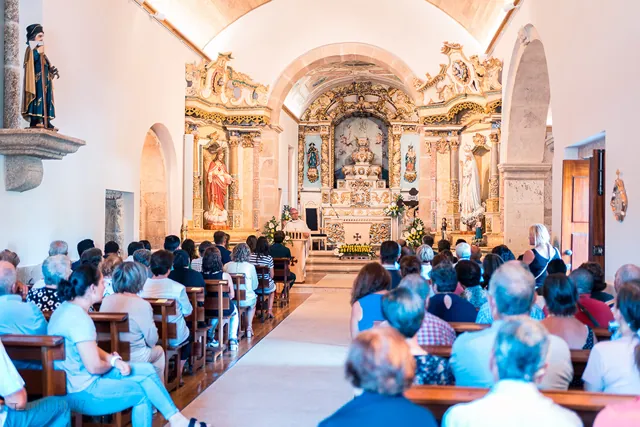
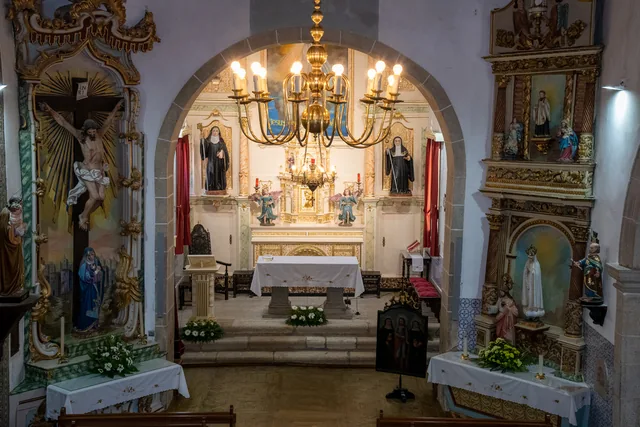
Interior of the church of São Tiago da Faia during the celebration documented by the Archdiocese in 2022.
DACS
ⓘ

Interior of the church of São Tiago da Faia during the celebration documented by the Archdiocese in 2022.

Fotografia: DACS

View source

Photograph date not stated.

Fotografia creditada como DACS na notícia da Arquidiocese; licença de reutilização não identificada.

Request removal or correct the photo credit

12 stories · about 11 min

To Faia, between trades and devotions

Twelve stories to get to know Faia: the sixteen places told in 1758, agriculture, tannaria, manual footwear, chapels and the recent care of the heritage. Comparing names and testimonies, explores photographs and goes to the records of the church and the Lady of Amparo. Reading route, without indicating a visit itinerary.

Start with the matching story →
More about this reading journeyRead the whole journey →
What am I gonna find out?
  1. A road helps explain Faia
  2. A parish told through sixteen settlements
  3. Tojeira did not stand still in one century
  4. In Faia, fruit matters too
  5. Wood holds the wine too
  6. In Faia, hands made footwear too
  7. Chapels among hills and houses
  8. Five altars to read a church
  9. A stream with a date to keep
  10. A year of work, a church reopened
  11. Roots and light renew a chapel
  12. The year was counted in fairs too
Things to try7 activities · 5 interactive explorations · 5 questions
Back to titles ↑
Interior of Santa Senhorinha church.
ⓘ

Interior of Santa Senhorinha church.

Source: Visit Cabeceiras — Município de Cabeceiras de Basto

View source

Photograph date not stated.

Individual photographer and reuse licence not stated by the source.

Request removal or correct the photo credit

7 stories · about 6 min

Santa Senhorinha: water, encounters and memory

Seven stories to link the river to the fields, bridges, fairs and news. Explore the links between readings and set up a mail calendar of 1758. The old documents keep their dates; do not announce current services or parties.

Start with the matching story →
More about this reading journeyRead the whole journey →
What am I gonna find out?
  1. The river became part of farming life
  2. Not every bridge was made of stone
  3. Olela had days for gathering
  4. When parishes came together
  5. A church told through images
  6. Bread, wine and olive oil in a portrait of the land
  7. News depended on Raposeira
Things to try4 activities · 3 interactive explorations · 3 questions
Back to titles ↑
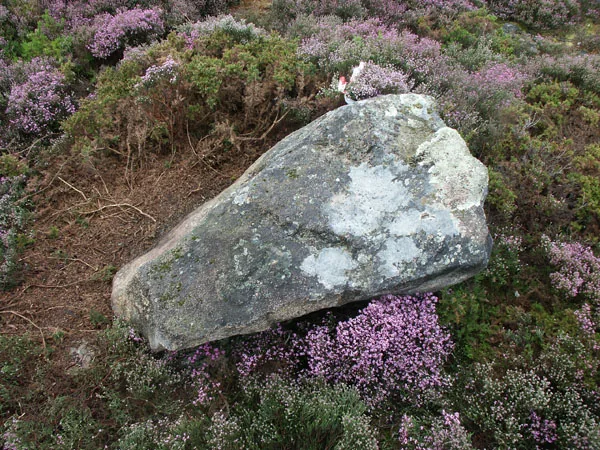
Engraved rock in the Marmoirais complex.
ⓘ

Engraved rock in the Marmoirais complex.

Source: Carta Arqueológica de Cabeceiras de Basto

View source

Photograph date not stated.

Autoria da fotografia e licença de reutilização não identificadas na fonte.

Request removal or correct the photo credit

9 stories · about 9 min

Abadim: marks on the landscape

Nine stories to connect the mountains, fields and water to the marks of local power. Observes tower and pillory, compares the administration of 1758 and discovers two dates in Casa da Ramada. It is a reading route without indicating a walk or access to the buildings.

Start with the matching story →
More about this reading journeyRead the whole journey →
What am I gonna find out?
  1. A village above a thousand metres
  2. Within one parish, the harvest changed
  3. From settlement to farmstead
  4. Stone preserved drawings too
  5. Two streams kept six mills working
  6. Flour brought revenue to the king too
  7. A tower worth looking at slowly
  8. A star on the pillory
  9. Two dates do not tell a house’s whole story
Things to try5 activities · 2 interactive explorations · 6 questions
Back to titles ↑
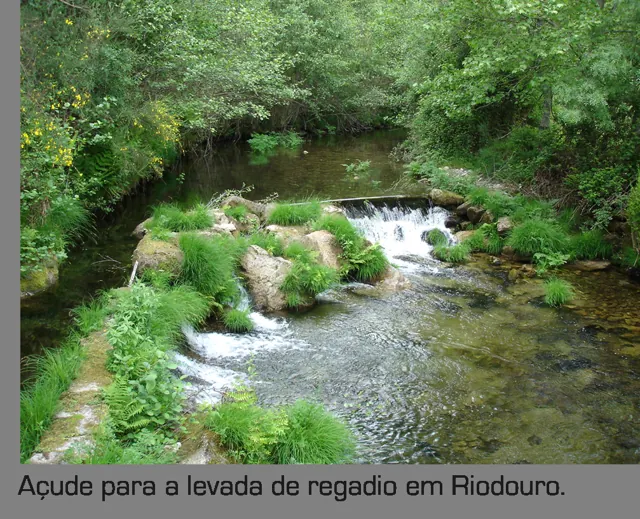
Water capture for mills, documented by the Museu das Terras de Basto.
ⓘ

Water capture for mills, documented by the Museu das Terras de Basto.

Source: Museu das Terras de Basto

View source

Photograph date not stated.

Individual photographer and reuse licence not stated by the source.

Request removal or correct the photo credit

9 stories · about 8 min

From water to bread

Nine stories to follow the water saved, the levada, the floors of the mill and the way to the table. The reading of Levada de Víbora links these explanations to the landscape of Abadim; the track record retains practical information. A path to read and explore.

Start with the matching story →
More about this reading journeyStart from the beginning →Read the whole journey →
What am I gonna find out?
  1. Before milling, water had to be stored
  2. Water had a built route too
  3. Follow the water’s path
  4. Grinding above, movement below
  5. Water had its turn
  6. The Peio made flour too
  7. Maize left its mark on the village
  8. The bread kept the next batch alive
  9. A snack with bread still warm
Things to try6 activities · 3 interactive explorations · 6 questions
Back to titles ↑
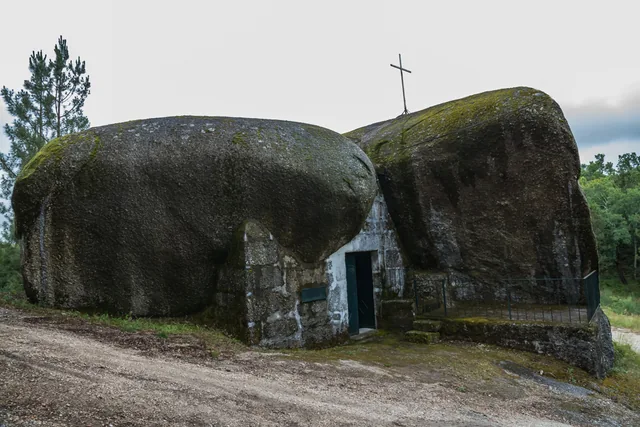
Santa Catarina chapel between granite boulders.
ⓘ

Santa Catarina chapel between granite boulders.

Source: Visit Cabeceiras — Município de Cabeceiras de Basto

View source

Photograph date not stated.

Individual photographer and reuse licence not stated by the source.

Request removal or correct the photo credit

11 stories · about 7 min

Alvite: from fields to memory

Eleven readings link fields, water, work, fair, justice, church and chapels of Alvite. It compares the strength of animals with the uses of water and the different charges of places of worship. The memories of 1758 preserve their time; the sequence does not indicate a walk.

Start with the matching story →
More about this reading journeyStart from the beginning →Read the whole journey →
What am I gonna find out?
  1. There was more than maize in the fields
  2. Orada changed from summit to valley
  3. Storing water from the hillside
  4. When animals powered the oil mill
  5. The bulls came from Barroso
  6. One place, two jurisdictions
  7. The earthquake entered Alvite’s account
  8. Orada was grazing land too
  9. Three altars in one nave
  10. Six chapels, different responsibilities
  11. A chapel against the rock
Things to try8 activities · 6 interactive explorations · 6 questions
Back to titles ↑
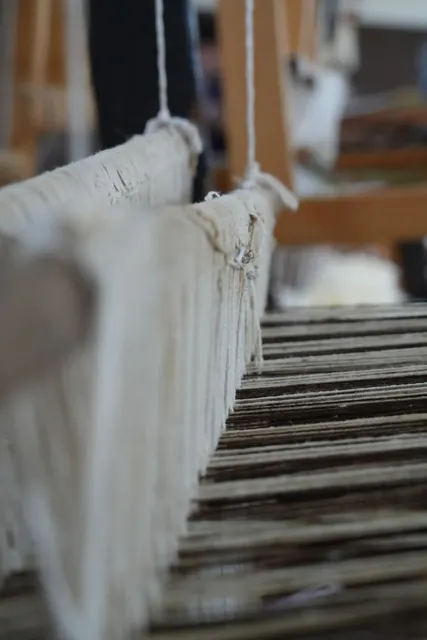
Loom and threads at Casa da Lã in Bucos.
ⓘ

Loom and threads at Casa da Lã in Bucos.

Source: Municipality of Cabeceiras de Basto

View source

Photograph date not stated.

Individual photographer and reuse licence not stated by the source.

Request removal or correct the photo credit

8 stories · about 8 min

Bucos: wool, fields and paths

Eight stories link wool, fields, rivers, mail and places of worship of Bucos. It compares the daily life of 1758 with the transmission of crafts in 2024–2026, including a meeting in Rio Douro. The Casa da Lã has its own record to prepare a visit.

Start with the matching story →
More about this reading journeyStart from the beginning →Read the whole journey →
What am I gonna find out?
  1. Clothing for mountain life
  2. Bucos’s wool travels with those who teach
  3. Three grains in one landscape
  4. Two rivers lost their names
  5. A small bridge on a long route
  6. Letters arrived through another place
  7. A chapel shortened the distance
  8. Gold and red in the church
Things to try8 activities · 5 interactive explorations · 5 questions
Back to titles ↑
7 stories · about 6 min

What was at the table in 1758?

Seven stories to compare fields, hills and pantry of Abadim, Rio Douro, Vila Nune, Faia, São Nicolau, Bucos and Alvite. Draws a landscape of words, distinguishes what was produced from what was bought and followed by the cereal until the bread. The sources conserve their times: in Faia, the old description is compared with the municipal presentation.

Start with the matching story →
More about this reading journeyStart from the beginning →Read the whole journey →
What am I gonna find out?
  1. Within one parish, the harvest changed
  2. From valley to hill, the harvest changed
  3. They made wine, but bought bread
  4. In Faia, fruit matters too
  5. Not all grain was the same
  6. Three grains in one landscape
  7. There was more than maize in the fields
Things to try7 activities · 6 interactive explorations · 6 questions
Back to titles ↑
YOUR LOCAL GUIDE

What would you like to discover?

Take a closer look.