Woodland from parish to parish
Compare the woodland shown on the maps, then follow the trail to leaves, needles and basketry.
Start with the matching story →Follow a series of stories at your own pace.
First, the courses with stories highlighted in the novelties. The selection includes new or expanded texts.
Start with a journey from your selection.
Compare the woodland shown on the maps, then follow the trail to leaves, needles and basketry.
Start with the matching story →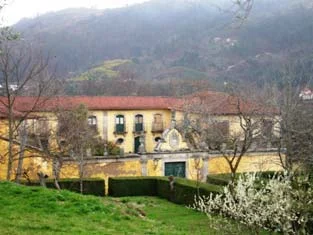
Nine stories between water, houses and collective life of São Nicolau. From the bridges and mills described in 1758 to the use of water in Covas, compares documents from different times. It continues by architecture, by the old school and by the memory that dances.
Start with the matching story →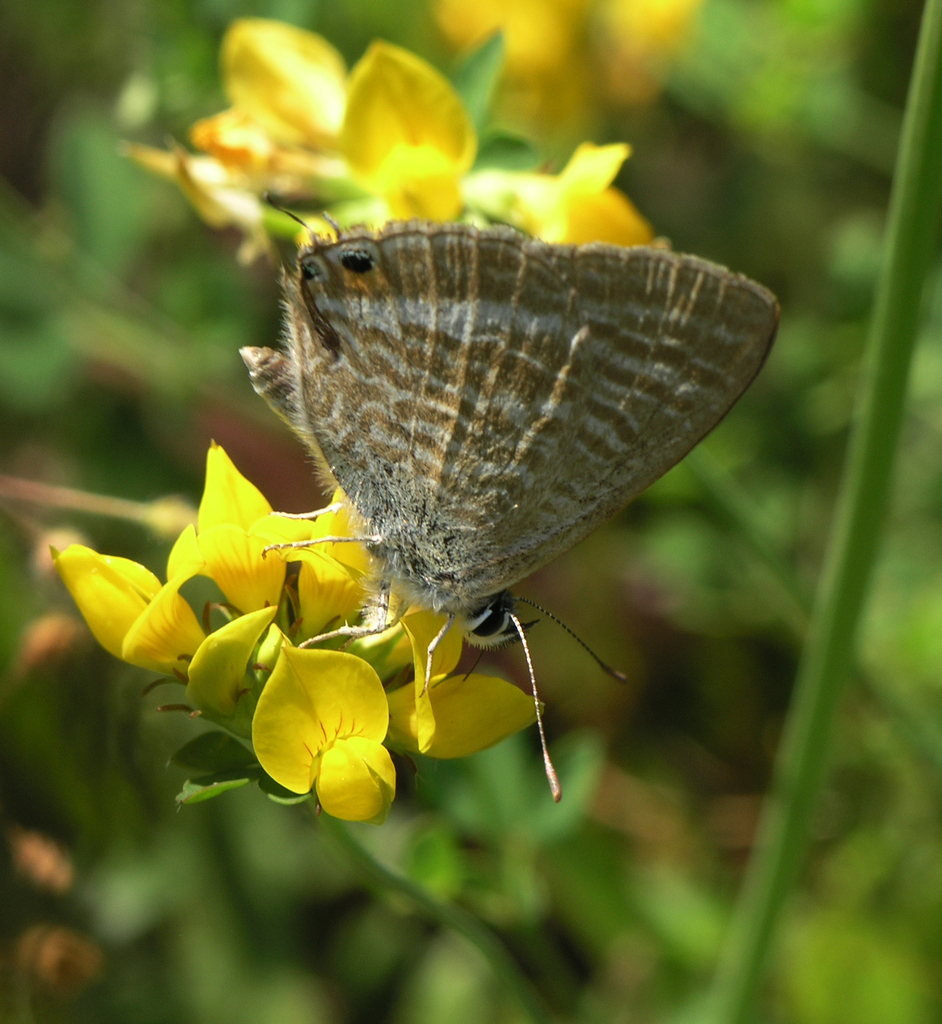
Registration in the municipality of . One of the species addressed on this route.
Source: iNaturalist · CC-BY. No editing; screen size adjustment.
Request removal or correct the photo creditPollen, visitors to flowers, shelters, honey and local cooperation. Seven readings link ecology and flavors, distinguishing general biology from history of Cabeceiras.
Start with the matching story →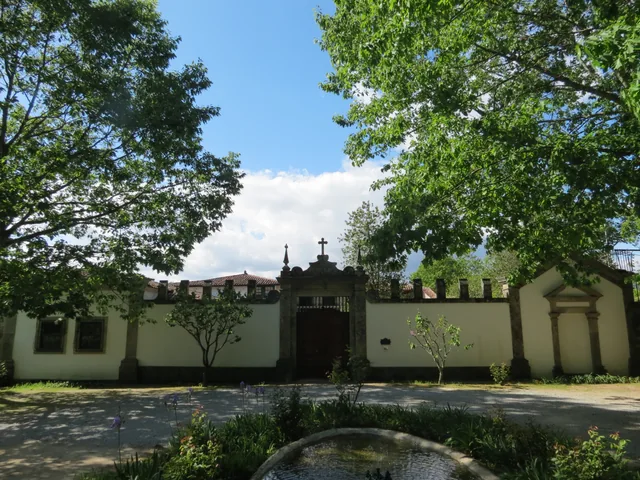
Casa de Pielas and garden.
Source: Museu das Terras de Basto
Photograph date not stated.
Individual photographer and reuse licence not stated by the source.
Nine readings between gardens, chapels, documents and people. Opens the chronologies, distinguishes dates from buildings and documents and knows the route of Baltazar Castro. It is a reading sequence, without assuming access to private properties.
Start with the matching story →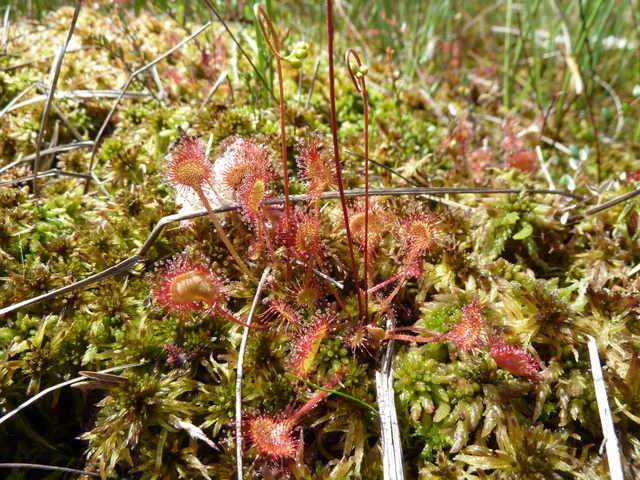
Sundew in the Swamp natural monument near Máchovo jezero, Czechia, in 2013. Species illustration, not an observation from Cabreira.
Photography: Stanislav Rada · CC BY-SA 3.0
Date given at source: .
Eight stories for a closer look: protected seeds, winged fruits, trap leaves, photosynthetic stems and ferns without flowers. Open the diagrams, compare local photographs and draw the parts that distinguish these plants.
Start with the matching story →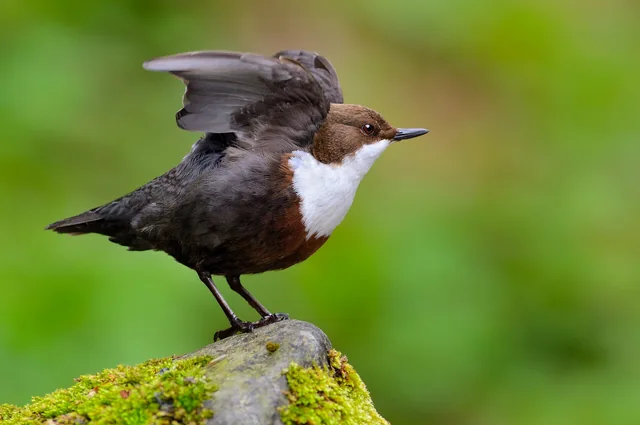
White-throated dipper with open wings.
Photography: Олексій Карпенко · CC BY-SA 4.0
Date given at source: .
It looks at nature on the scale of details: leaves, insects, a shell with bands and a slug with spots. It compares shapes and experiences the activities, distinguishing local photographs from general explanations about the species.
Start with the matching story →White-throated dipper with open wings.
Photography: Олексій Карпенко · CC BY-SA 4.0
Date given at source: .
From the corner of a jump to the wings of a fruit: discover five stories with photographs registered in the municipality. A reading route, to explore at your pace.
Start with the matching story →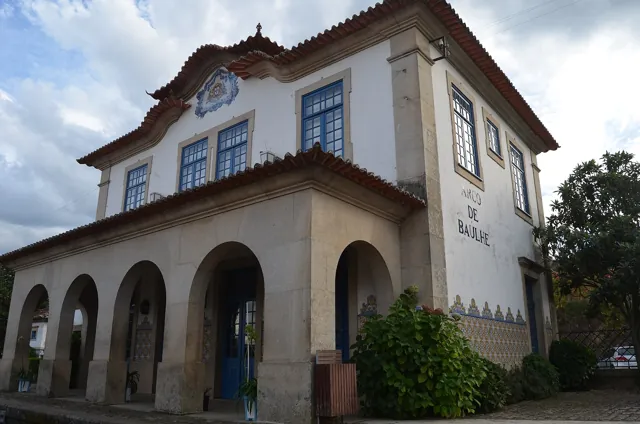
Arco de Baúlhe station building with its arched gallery.
Photography: Pedro from Maia (Porto), Portugal · CC BY 2.0
Date given at source: .
Nine stories follow the railway’s arrival, its trains, life at the station and the old line’s transformation into a greenway. Two timelines trace the works and later uses. One story looks at the Matamá bridge in Celorico de Basto.
Start with the matching story →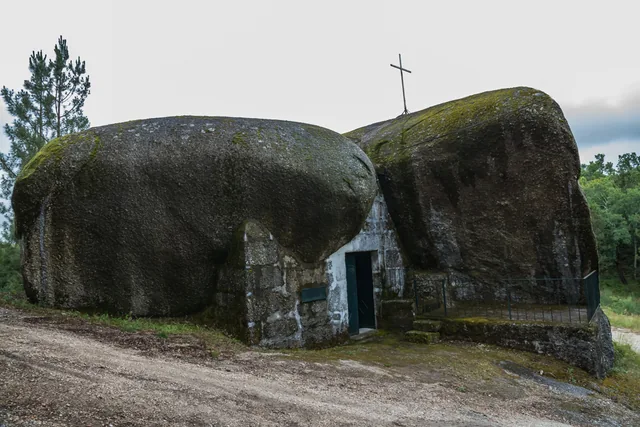
Santa Catarina chapel between granite boulders.
Source: Visit Cabeceiras — Município de Cabeceiras de Basto
Photograph date not stated.
Individual photographer and reuse licence not stated by the source.
Eleven readings link fields, water, work, fair, justice, church and chapels of Alvite. It compares the strength of animals with the uses of water and the different charges of places of worship. The memories of 1758 preserve their time; the sequence does not indicate a walk.
Start with the matching story →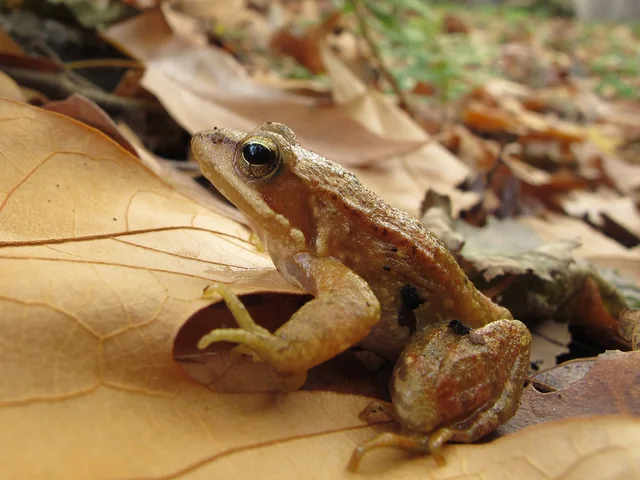
Ten stories link the trees from the margins to the animals and moisture. Compare the otter and the water mole, follow the relationship with the aquatic insects and discover the water lizard. Each text distinguishes general biology, regional references and documented records; it is a path of reading, not sighting.
Start with the matching story →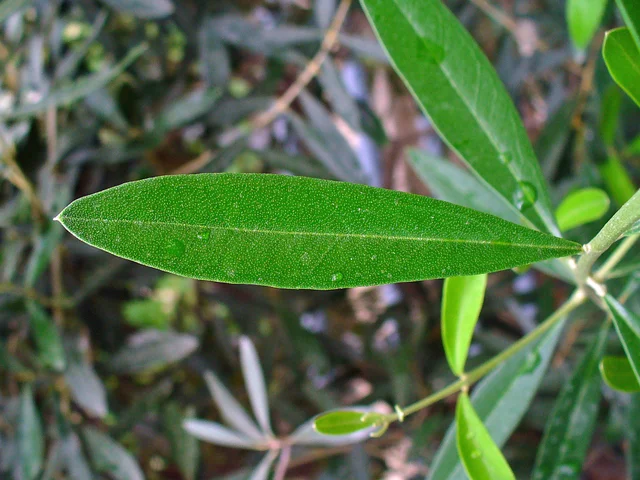
An olive leaf photographed in Stutensee, Germany, in 2011. Botanical illustration, not an observation from Cabeceiras. This view does not show both sides of the same leaf.
Photography: H. Zell · CC BY-SA 3.0
Date given at source: .
Seven readings to move from interpretation spaces to small details of nature: moss, wings, aquatic insects, leaves and wood. Explore links and observation proposals; it is a reading sequence, without mandatory itinerary or promise of sightings.
Start with the matching story →
From the glow of insects to the shadow of forests: five readings to see how living beings relate to the environment. Sources distinguish general biology and local records.
Start with the matching story →White-throated dipper with open wings.
Photography: Олексій Карпенко · CC BY-SA 4.0
Date given at source: .
From the wooden bridge to the seeds of the alder: eight readings link ancient testimonies, rural work and life on the shores. Each story indicates its time and scope. It is a sequence to read, not a pedestrian itinerary.
Start with the matching story →Arco de Baúlhe station building with its arched gallery.
Photography: Pedro from Maia (Porto), Portugal · CC BY 2.0
Date given at source: .
From the Arch station to the lighting, signalling, maintenance and transport parts of the mail: ten readings on the railway memory and the passage from station to museum. The chips distinguish the documented places of the objects whose use was not located.
Start with the matching story →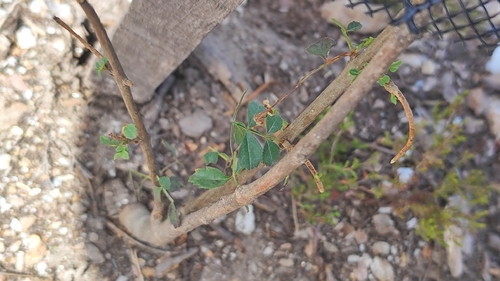
Registration in the municipality of . One of the species addressed on this route.
Source: iNaturalist · CC-BY. No editing; screen size adjustment.
Request removal or correct the photo creditSix stories to compare wet meadows, slow water and margin forests. Opens the scheme of environments, distinguishes folioli leaves and follows seeds and fruits. Photos of the ash and the water-blood document meetings in Gondiães e Vilar de Cunhas: observes the leaves and separates what the image shows from what the botany explains.
Start with the matching story →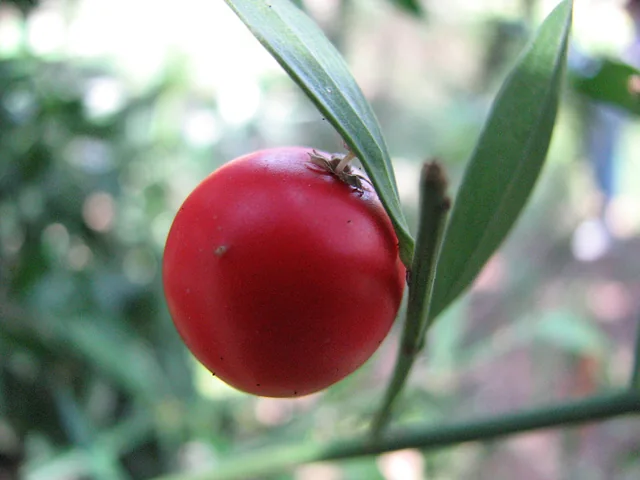
Red fruit of butcher’s broom.
Photography: Vista~commonswiki · CC BY-SA 3.0
Photograph date not stated.
The source attributes authorship to Vista~commonswiki based on the copyright claim, without machine-readable confirmation.
Nine stories to accompany leaves, flowers and fruits throughout the year. Compare local photographs of black oak, medronho and mistletoe with the descriptions of its cycles. Draw contours, look for clues and discover what a single station photograph leaves unaccounted for.
Start with the matching story →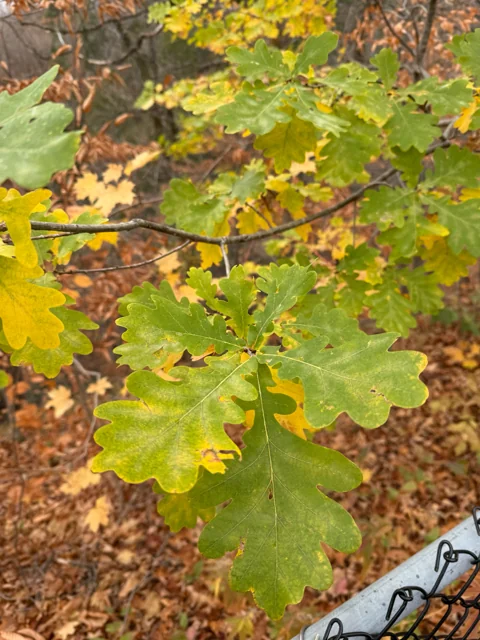
Pedunculate oak leaves, Quercus robur.
Photography: Patrice Dupont · CC BY 4.0
Date given at source: .
Eight stories link relief, forests, forests, fields and seasons. Follows on paper the water flowing to the river and compares the landscape with the changes of the year. It is a guided reading, not a walking itinerary.
Start with the matching story →Pedunculate oak leaves, Quercus robur.
Photography: Patrice Dupont · CC BY 4.0
Date given at source: .
Nine readings to find out how trees grow, bear fruit and enter people's lives. Compare leaves, cork and wood, open the schemes of the chestnut and the cranberry and observe the layers of a forest. In the end, it can continue to the table of Pedraça.
Start with the matching story →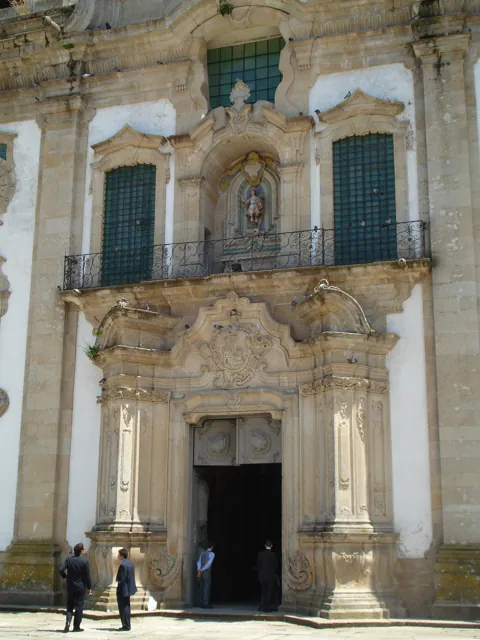
Detail of Refojos Monastery’s façade.
Photography: Ricardo Martins · CC BY 2.0
Date given at source: .
Eight stories link the medieval community, the materials of the church, the cultivated fence and the new uses of the surroundings. Compares the organ, the choir and the Zimbabwe in the descriptions; follows the stream to the history of Casa do Tempo. Includes chronologies, photographs and activities.
Start with the matching story →Water on the ground, exposure to the sun, shade on the edge and cold at altitude: six readings to compare the environments of the plants. From rosemary to alder, follow the relationships between soil, cultivation and landscape. No specimen location or proposed pedestrian path.
Start with the matching story →


