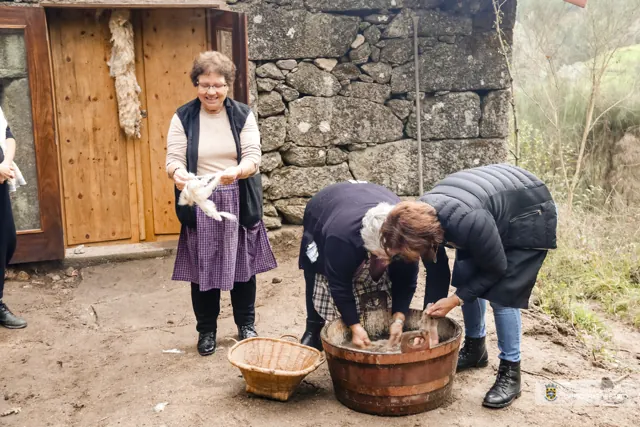
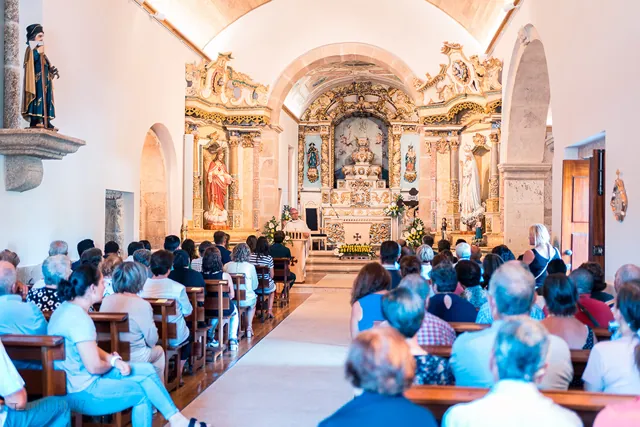
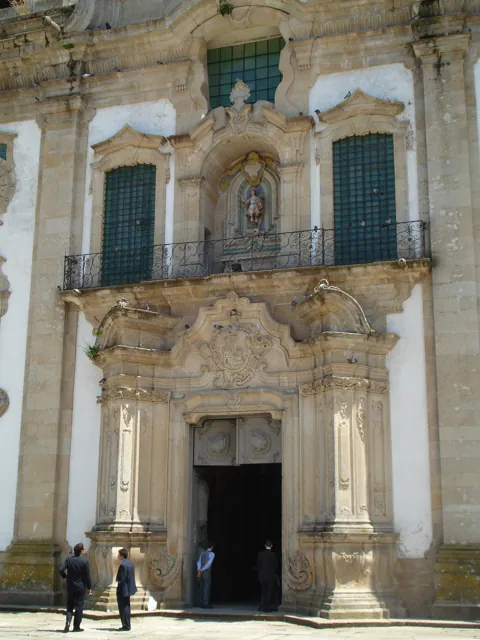
Twelve stories to get to know Faia: the sixteen places told in 1758, agriculture, tannaria, manual footwear, chapels and the recent care of the heritage. Comparing names and testimonies, explores photographs and goes to the records of the church and the Lady of Amparo. Reading route, without indicating a visit itinerary.
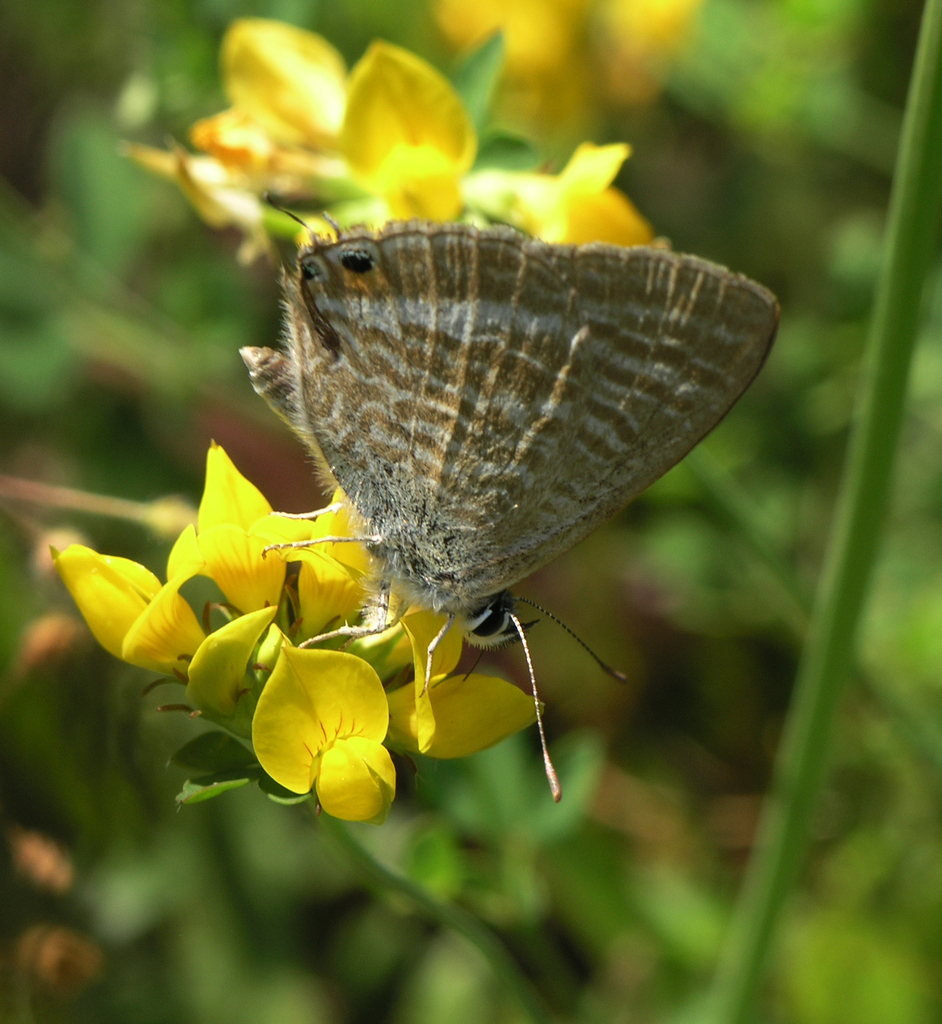
Pollen, visitors to flowers, shelters, honey and local cooperation. Seven readings link ecology and flavors, distinguishing general biology from history of Cabeceiras.
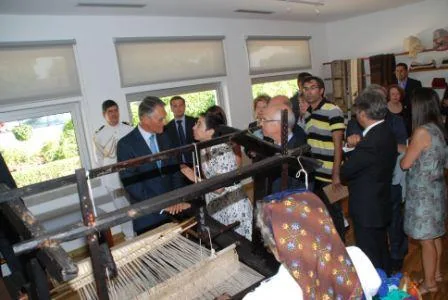
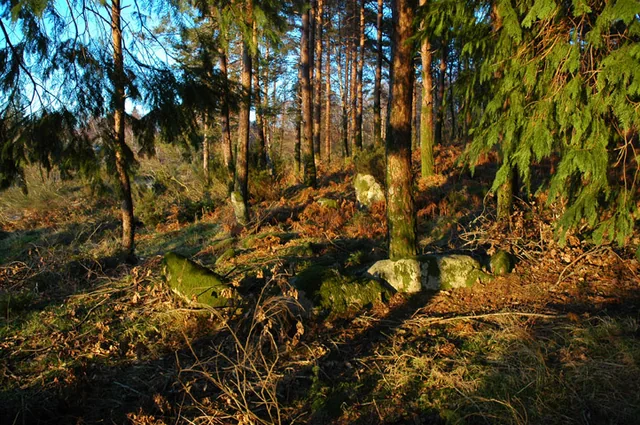
Twelve stories to know the relief, archeology, crafts, pilgrimages and associative life of Outeiro. It compares three inventoried sites, enters a workshop and accompanies footwear to the fair. Schemes and activities help to explore; it is a reading route without indicating access to sites.
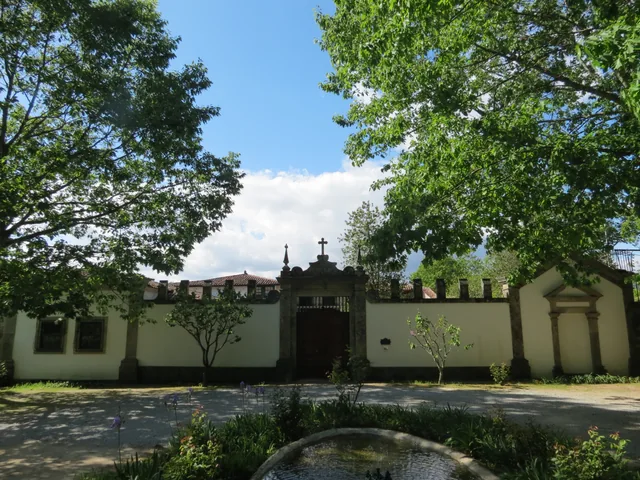
Nine readings between gardens, chapels, documents and people. Opens the chronologies, distinguishes dates from buildings and documents and knows the route of Baltazar Castro. It is a reading sequence, without assuming access to private properties.
Eleven readings between villages, chapels, watering, animals and work. Compares the portrait of 1758, knows the pison and ends in the memory of collective shepherding of Cambezes. Reports maintain their time and do not define current conditions of visit.
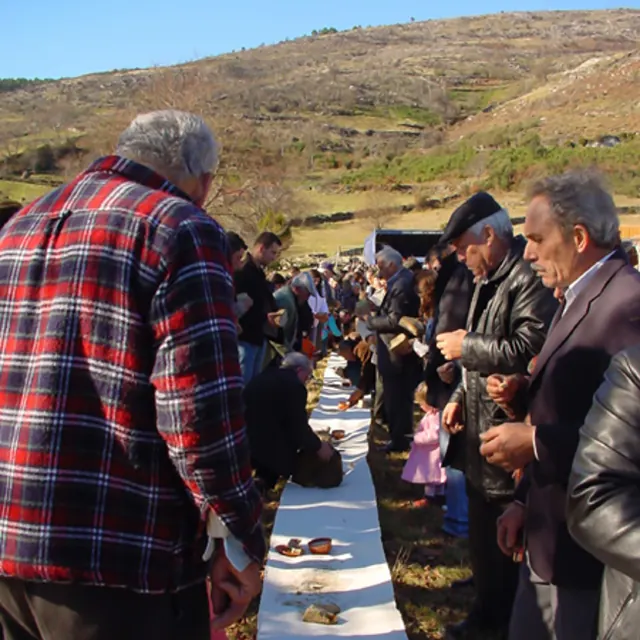
Twelve stories link documents, villages, bridges, water, crafts and sharing of the popes. Draws the levada of the neighborhood, compares materials and discovers the people behind the memories. It is a path of reading, without implicit visits or events.
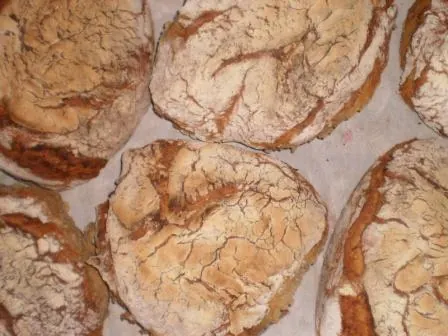
The work of a bovine race, the origin of a product, the cereals of a bread, the heathers of honey and the beans of a sweet. Five stories about what gives identity to flavors.
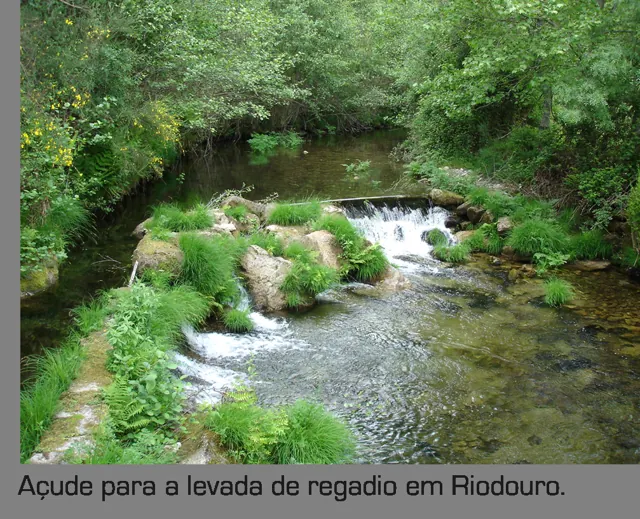
Nine stories to follow the water saved, the levada, the floors of the mill and the way to the table. The reading of Levada de Víbora links these explanations to the landscape of Abadim; the track record retains practical information. A path to read and explore.
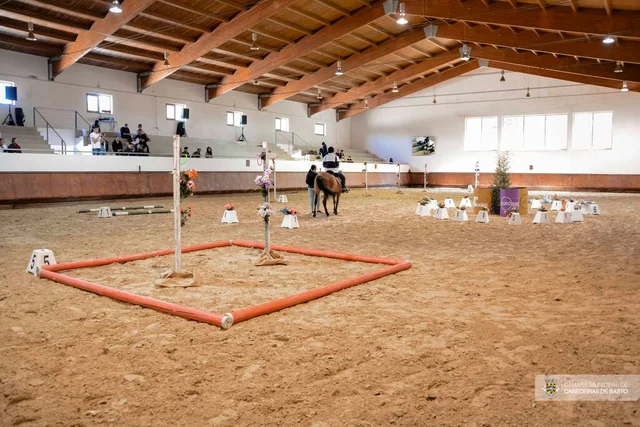
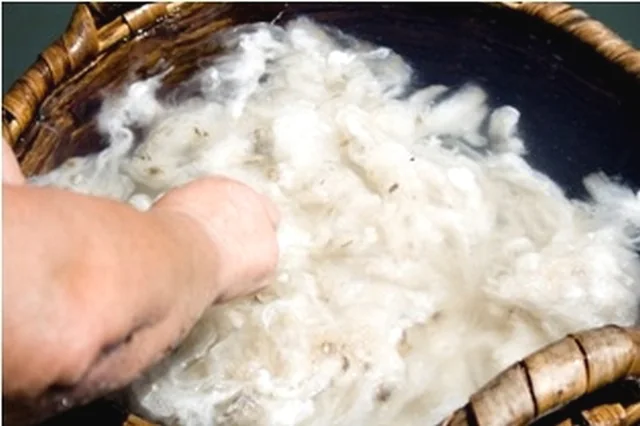
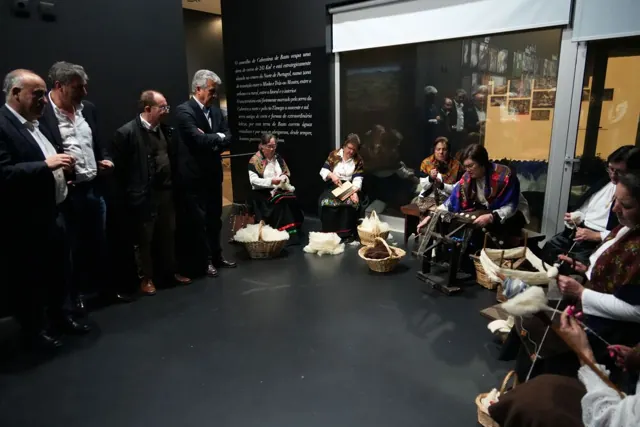
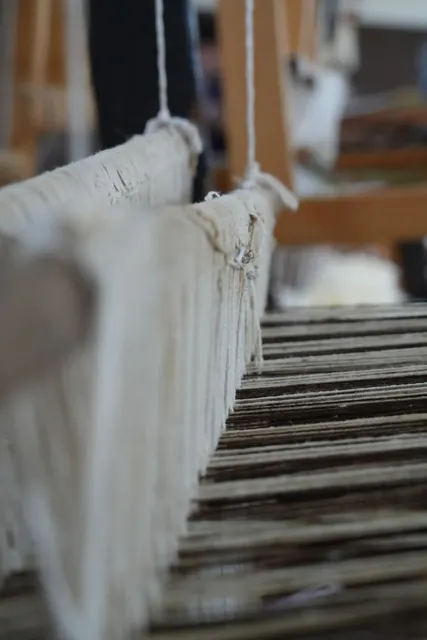
Eight stories about between help, water, harvests, wool, fabrics and materials of the houses. Find out how the work connected the villages to the fairs and try to organize a wheel of shifts on paper. It is a reading route, without displacements.
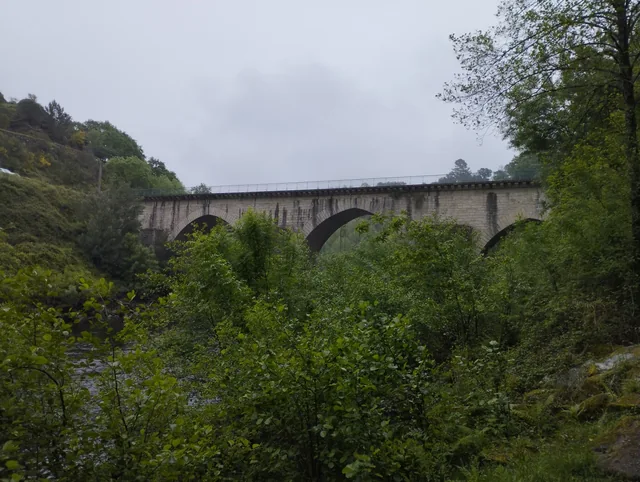
Nine stories follow the railway’s arrival, its trains, life at the station and the old line’s transformation into a greenway. Two timelines trace the works and later uses. One story looks at the Matamá bridge in Celorico de Basto.
From the climate to the names of the grapes, from terraces to vintage utensils: nine stories to know the vineyard of Basto. Compare grape varieties and build a map of local names. Reading tour, no trips or evidence included.
Eleven readings link fields, water, work, fair, justice, church and chapels of Alvite. It compares the strength of animals with the uses of water and the different charges of places of worship. The memories of 1758 preserve their time; the sequence does not indicate a walk.
From the wooden bridge to the seeds of the alder: eight readings link ancient testimonies, rural work and life on the shores. Each story indicates its time and scope. It is a sequence to read, not a pedestrian itinerary.
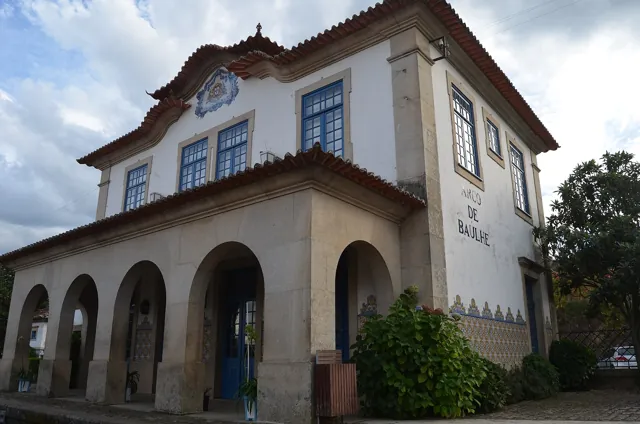
From the Arch station to the lighting, signalling, maintenance and transport parts of the mail: ten readings on the railway memory and the passage from station to museum. The chips distinguish the documented places of the objects whose use was not located.
Eight stories link the medieval community, the materials of the church, the cultivated fence and the new uses of the surroundings. Compares the organ, the choir and the Zimbabwe in the descriptions; follows the stream to the history of Casa do Tempo. Includes chronologies, photographs and activities.
Eight stories to accompany the bridge over the centuries and enter the lives of the villages. Opens the chronology, distinguishes legend and document and discovers chapels, mail, mills and coal. It is a route of reading, without indicating a pedestrian itinerary.
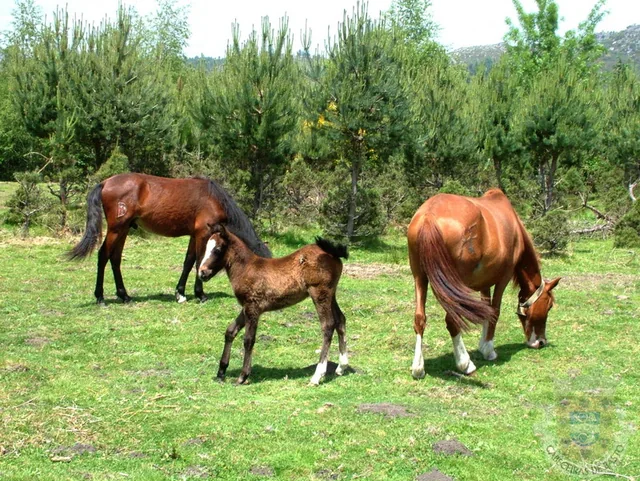
Six readings link the domestic Garrano, the shepherding and fauna described in 1758 to the food and family life of the wolf. Compares sources and draws a changing pack. Memories and regional references are not sighting routes.