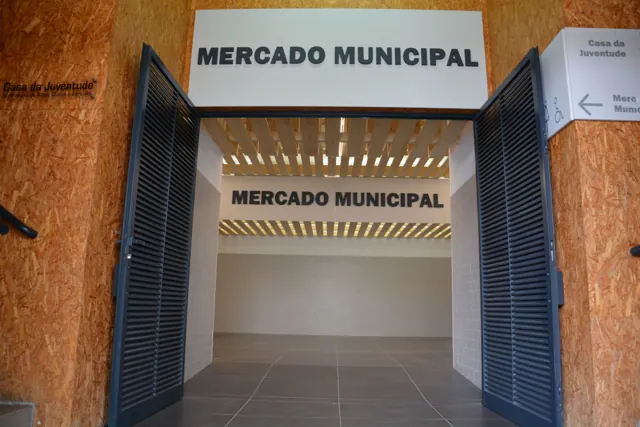
A scientist remembered in school, books, assistance, memory and meetings in the market. Five stories of people and institutions that are part of the life of the municipality. It is a sequence of reading, not a script with access to the buildings.
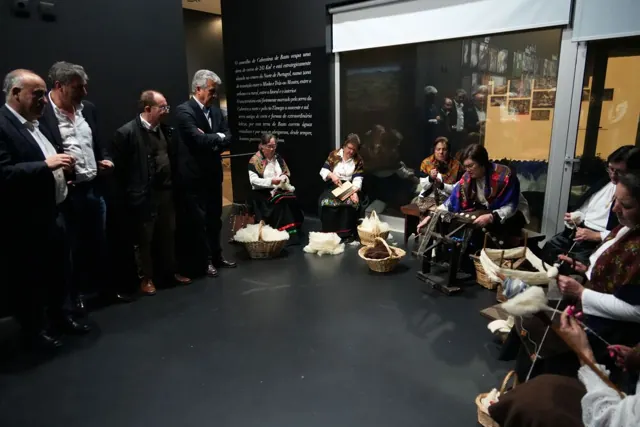
Twelve stories to know the relief, archeology, crafts, pilgrimages and associative life of Outeiro. It compares three inventoried sites, enters a workshop and accompanies footwear to the fair. Schemes and activities help to explore; it is a reading route without indicating access to sites.
Seven stories to link the river to the fields, bridges, fairs and news. Explore the links between readings and set up a mail calendar of 1758. The old documents keep their dates; do not announce current services or parties.
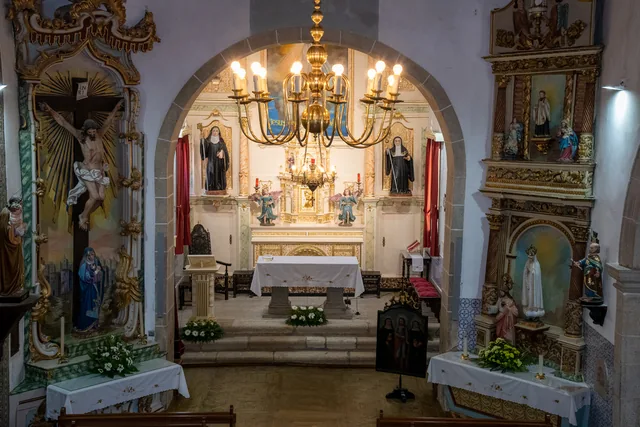
Twelve stories to get to know Faia: the sixteen places told in 1758, agriculture, tannaria, manual footwear, chapels and the recent care of the heritage. Comparing names and testimonies, explores photographs and goes to the records of the church and the Lady of Amparo. Reading route, without indicating a visit itinerary.
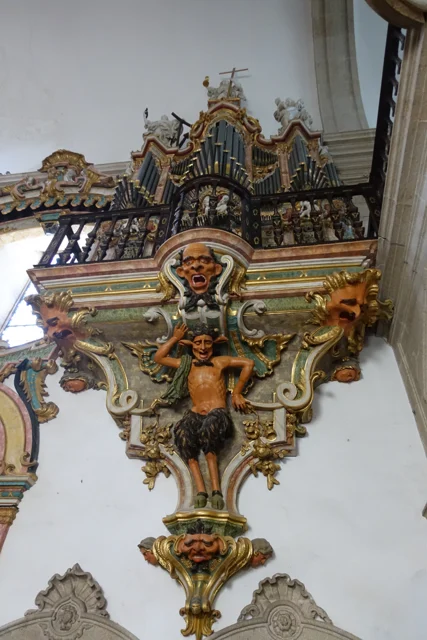
Back to titles ↑View of the organ and the decoration that sustains it, photographed in 2016. The image does not determine which of the two organs is the mute.
A mute organ, wood and metal, a frame, a star and five arches. Discover details of Refojos, Abadim and Cavez in five readings. The sequence does not indicate a visit route or access to the interiors.
Books, people and a medieval chalice connect Refojos to other cities. Discover the decor of the piece, the difference between the donor and the goldsmith and their journey to Coimbra, before returning to the new lives of the monastery and to the names of the streets.
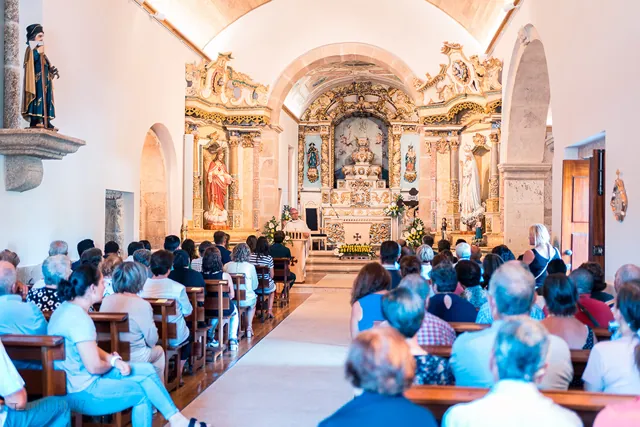
Eight stories link the medieval community, the materials of the church, the cultivated fence and the new uses of the surroundings. Compares the organ, the choir and the Zimbabwe in the descriptions; follows the stream to the history of Casa do Tempo. Includes chronologies, photographs and activities.