Seven stories to link the river to the fields, bridges, fairs and news. Explore the links between readings and set up a mail calendar of 1758. The old documents keep their dates; do not announce current services or parties.
Nine stories to connect the mountains, fields and water to the marks of local power. Observes tower and pillory, compares the administration of 1758 and discovers two dates in Casa da Ramada. It is a reading route without indicating a walk or access to the buildings.
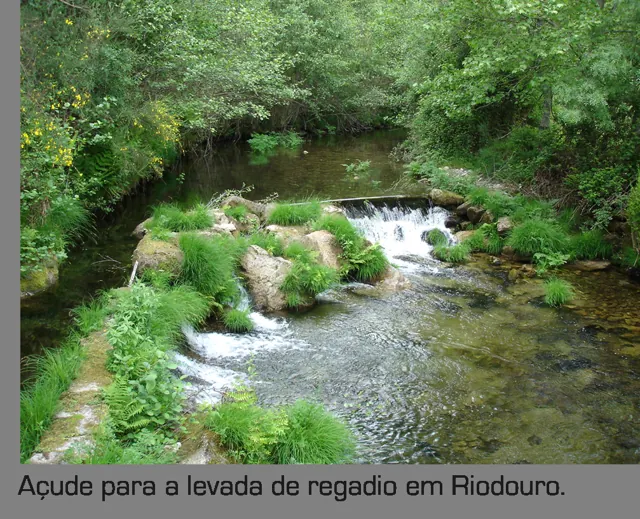
Nine stories to follow the water saved, the levada, the floors of the mill and the way to the table. The reading of Levada de Víbora links these explanations to the landscape of Abadim; the track record retains practical information. A path to read and explore.
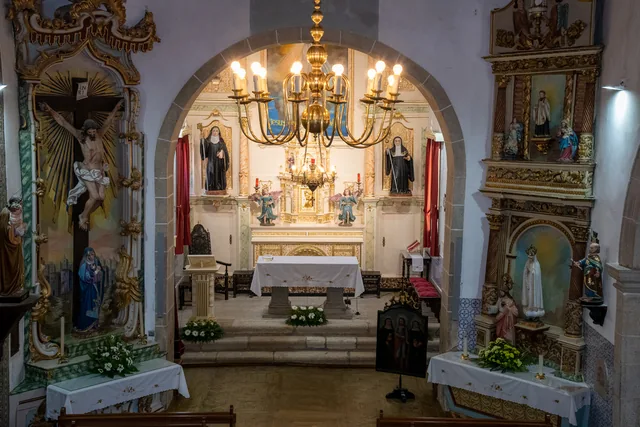
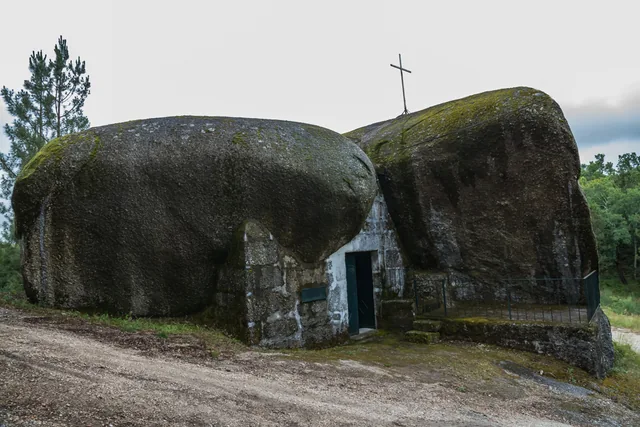
Twelve stories to get to know Faia: the sixteen places told in 1758, agriculture, tannaria, manual footwear, chapels and the recent care of the heritage. Comparing names and testimonies, explores photographs and goes to the records of the church and the Lady of Amparo. Reading route, without indicating a visit itinerary.
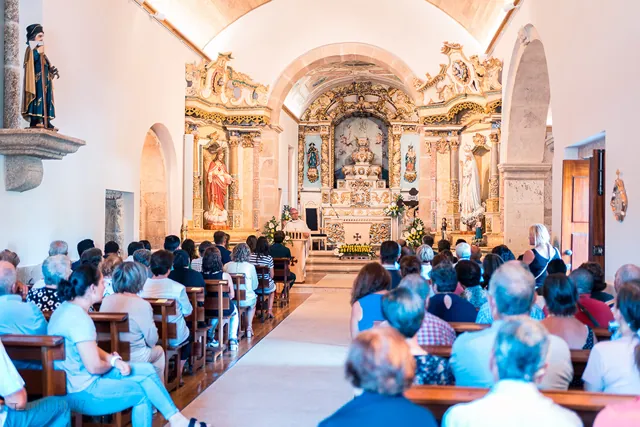
Eleven readings link fields, water, work, fair, justice, church and chapels of Alvite. It compares the strength of animals with the uses of water and the different charges of places of worship. The memories of 1758 preserve their time; the sequence does not indicate a walk.
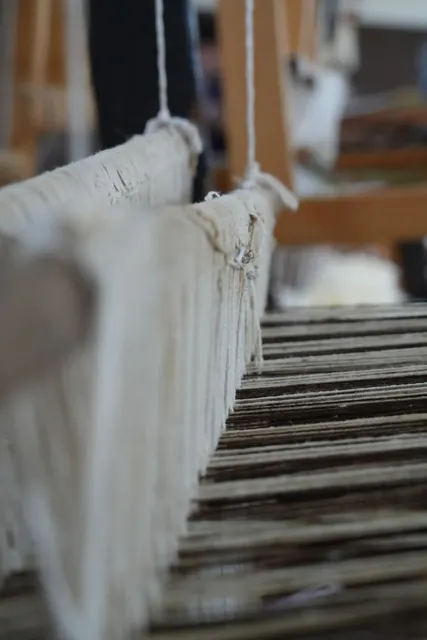
Eight stories link wool, fields, rivers, mail and places of worship of Bucos. It compares the daily life of 1758 with the transmission of crafts in 2024–2026, including a meeting in Rio Douro. The Casa da Lã has its own record to prepare a visit.
Seven stories to compare fields, hills and pantry of Abadim, Rio Douro, Vila Nune, Faia, São Nicolau, Bucos and Alvite. Draws a landscape of words, distinguishes what was produced from what was bought and followed by the cereal until the bread. The sources conserve their times: in Faia, the old description is compared with the municipal presentation.