Ten readings accompany the water in the memories of 1758: cultures, margins, mills and differences between parishes. Vila Nune's account also looks at Atei, on the other side of Tâmega. Compares what each author observed, without turning the documents into visiting maps.
Seven stories to link the river to the fields, bridges, fairs and news. Explore the links between readings and set up a mail calendar of 1758. The old documents keep their dates; do not announce current services or parties.
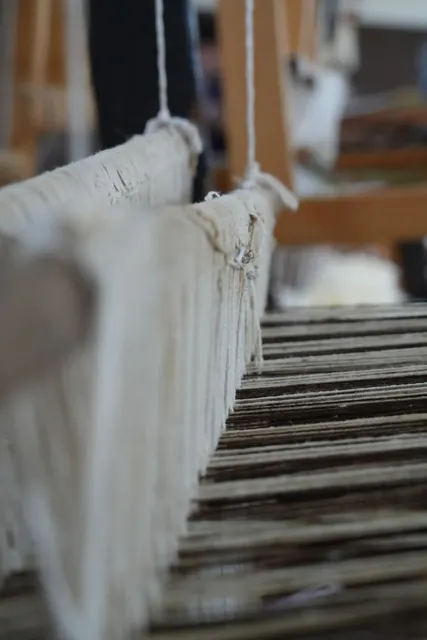
Eight stories about between help, water, harvests, wool, fabrics and materials of the houses. Find out how the work connected the villages to the fairs and try to organize a wheel of shifts on paper. It is a reading route, without displacements.
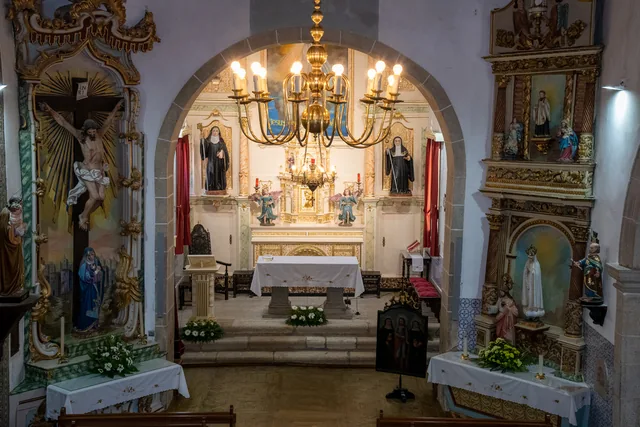
Twelve stories to get to know Faia: the sixteen places told in 1758, agriculture, tannaria, manual footwear, chapels and the recent care of the heritage. Comparing names and testimonies, explores photographs and goes to the records of the church and the Lady of Amparo. Reading route, without indicating a visit itinerary.
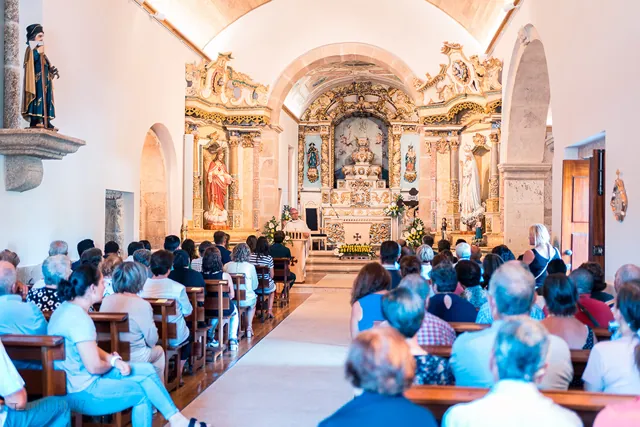
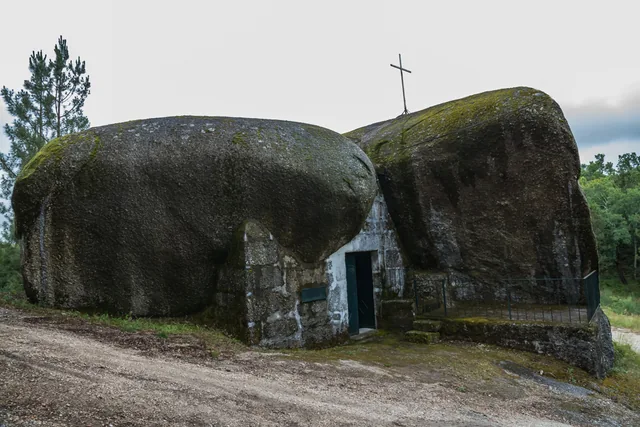
Eleven readings link fields, water, work, fair, justice, church and chapels of Alvite. It compares the strength of animals with the uses of water and the different charges of places of worship. The memories of 1758 preserve their time; the sequence does not indicate a walk.
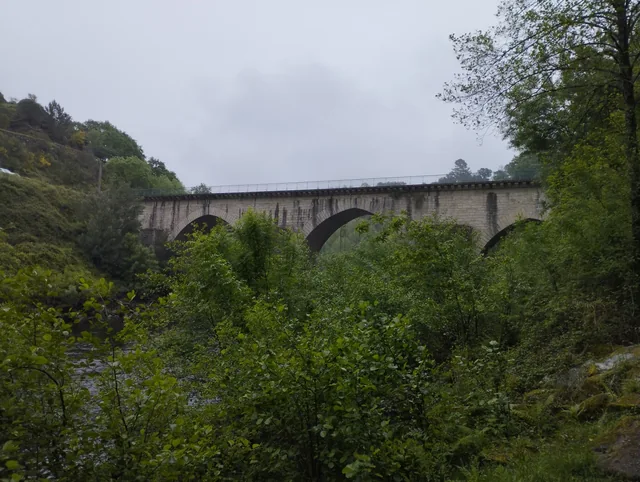
Eight stories to accompany the bridge over the centuries and enter the lives of the villages. Opens the chronology, distinguishes legend and document and discovers chapels, mail, mills and coal. It is a route of reading, without indicating a pedestrian itinerary.